 United States
Router 7200 Series Unrivaled Performance
Engineered for high-demand enterprise environments, the Router 7200 Series delivers unparalleled speed, advanced security, seamless connectivity, and scalable performance to empower your modern network infrastructure.
Talk to an expert
14 Matching results
- BEST SELLING
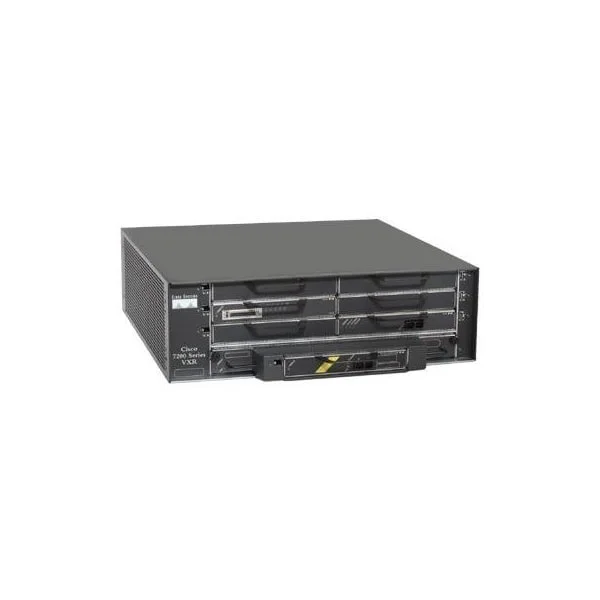
CISCO7206VXR (Cisco 7206VXR, 6-slot chassis, 1 AC Supply w/IP Software)
4.6 (5)- Modular Chassis Router
- Cisco
- IPSec / GRE
- Redundant AC Power Supply
- OSPF / BGP / EIGRP / MPLS / IS-IS / RIP / Static Routing
- Modular
Est Value $902.00
$135.45
85% offIn stockRefurbishedFirst-Time Buyer Discount – Get up to 2% additional off on your first order
ORM Rewards Earn $50 in Rewards + Free Expedited Delivery – Join Now!
Use eCoupon ORMSAVE10
eCoupon limited to 5 units
- BEST SELLING
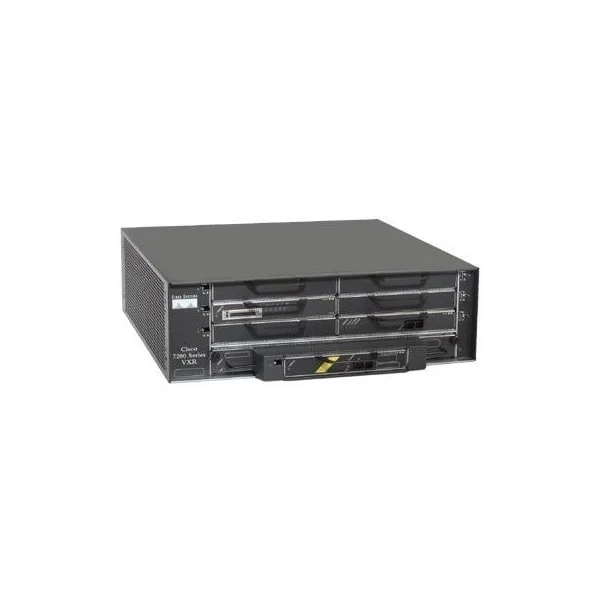
CISCO7204VXR (Cisco 7204VXR, 4-slot chassis, 1 AC Supply w/IP Software)
5 (5)- Enterprise Router
- Cisco
- IPSec
- AC Power Supply / Redundant
- OSPF / BGP / EIGRP / RIP / Static Routing
- Modular
Est Value $1,644.00$246.75
85% offIn stockRefurbishedFirst-Time Buyer Discount – Get up to 2% additional off on your first order
ORM Rewards Earn $50 in Rewards + Free Expedited Delivery – Join Now!
Use eCoupon ORMSAVE10
eCoupon limited to 5 units
- BEST SELLING
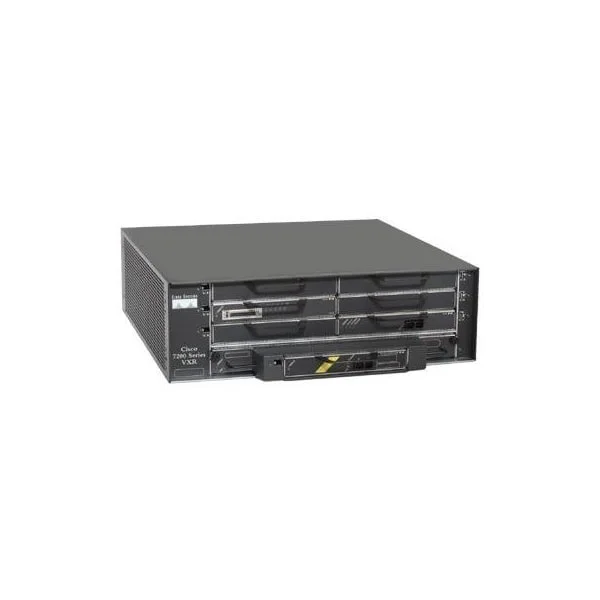
CISCO7204VXR-CH (Cisco 7204VXR, 4-slot chassis, Power Supply w/ Slot Covers)
4.8 (5)- Enterprise Router
- Cisco
- IPSec
- AC Power Supply / DC Power Supply / Redundant
- OSPF / BGP / EIGRP / RIP / Static Routing
- Modular
Est Value $1,975.00$296.26
85% offIn stockRefurbishedFirst-Time Buyer Discount – Get up to 2% additional off on your first order
ORM Rewards Earn $50 in Rewards + Free Expedited Delivery – Join Now!
Use eCoupon ORMSAVE10
eCoupon limited to 5 units
- BEST SELLING
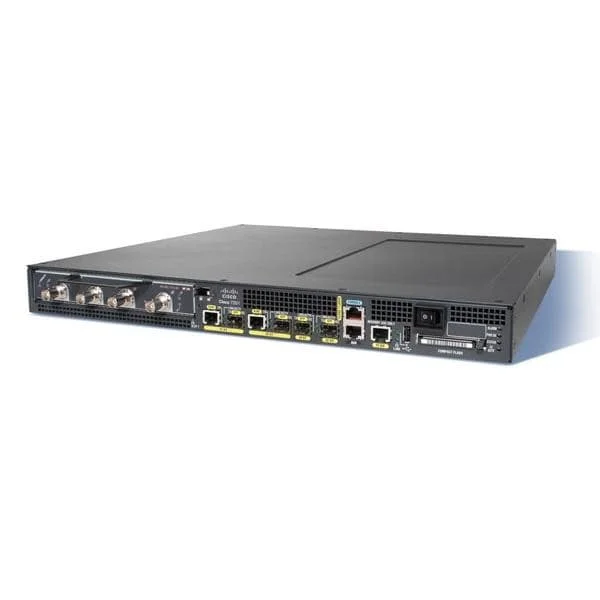
CISCO7201 (Cisco 7201 Chassis, 1GB Memory, Dual P/S, 256MB Flash)
4.6 (5)- Enterprise Router
- Cisco
- IPSec / SSL VPN
- AC Power Supply / DC Power Supply / Redundant
- OSPF / BGP / EIGRP / RIP / Static Routing
- Modular
Est Value $24,000.00$582.75
97.6% offIn stockNewRefurbishedFirst-Time Buyer Discount – Get up to 2% additional off on your first order
ORM Rewards Earn $50 in Rewards + Free Expedited Delivery – Join Now!
Use eCoupon ORMSAVE10
eCoupon limited to 5 units
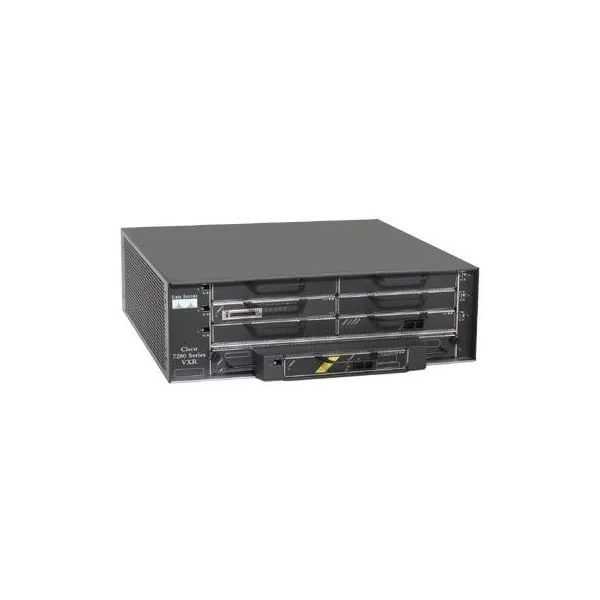
7204VXR/400 (Cisco 7204VXR with NPE-400 and I/O Controller with 2FE/E Ports)
4.6 (5)- Enterprise Router
- Cisco
- IPSec / SSL VPN / GRE / DMVPN / FlexVPN
- AC Power Supply / Redundant
- OSPF / BGP / EIGRP / RIP / Static Routing
- Fiber Optic
- Modular
Est Value $15,500.00$500.96
96.8% offIn stockNewRefurbishedFirst-Time Buyer Discount – Get up to 2% additional off on your first order
ORM Rewards Earn $50 in Rewards + Free Expedited Delivery – Join Now!
Use eCoupon ORMSAVE10
eCoupon limited to 5 units
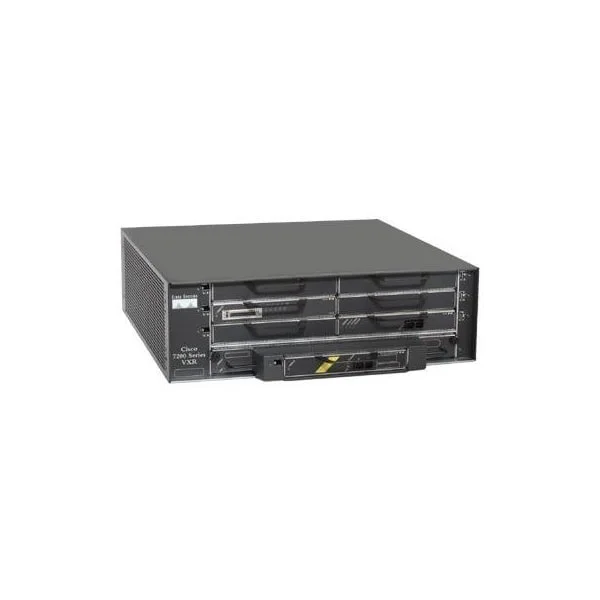
CISCO7204VXR-DC (Cisco 7204VXR, 4-slot chassis, 1 DC Supply w/IP Software)
5 (5)- Enterprise Router
- Cisco
- IPSec
- DC Power Supply / Redundant
- OSPF / BGP / EIGRP / RIP / Static Routing
- Modular
Est Value $2,820.00$423.15
85% offIn stockRefurbishedFirst-Time Buyer Discount – Get up to 2% additional off on your first order
ORM Rewards Earn $50 in Rewards + Free Expedited Delivery – Join Now!
Use eCoupon ORMSAVE10
eCoupon limited to 5 units
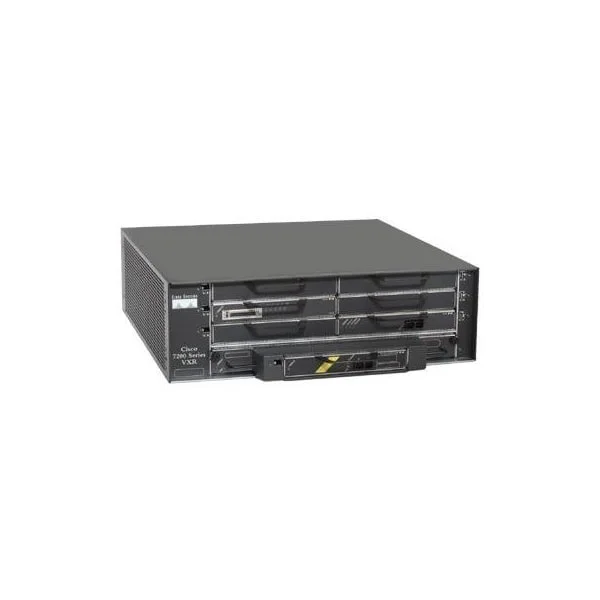
7206VXR/NPE-G1 (Cisco 7206VXR with NPE-G1 includes 3GigE/FE/E Ports and IP SW)
4.4 (5)- Enterprise Router
- Cisco
- IPSec
- Redundant AC/DC Power Supply
- OSPF / BGP / EIGRP / RIP / Static Routing
- Modular
Est Value $875.70$437.85
50% offIn stockRefurbishedFirst-Time Buyer Discount – Get up to 2% additional off on your first order
ORM Rewards Earn $50 in Rewards + Free Expedited Delivery – Join Now!
Use eCoupon ORMSAVE10
eCoupon limited to 5 units
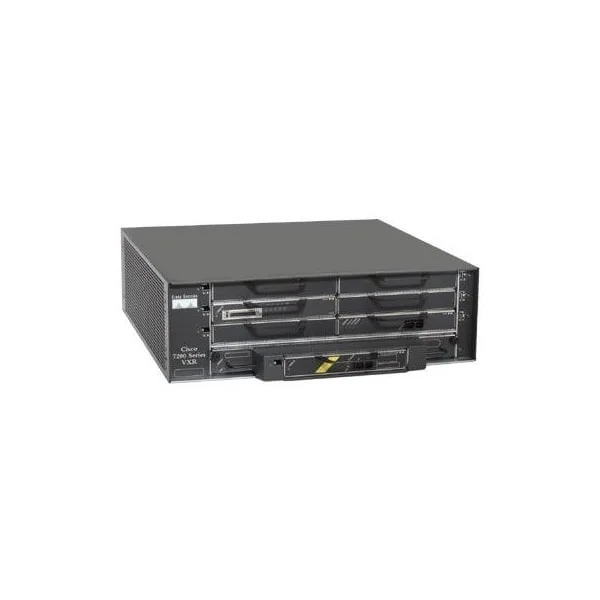
CISCO7206VXR-DC (Cisco 7206VXR, 6-slot chassis, 1 DC Supply w/IP Software)
4.8 (5)- Enterprise Router
- Cisco
- IPSec / SSL VPN / GRE / DMVPN / FlexVPN
- DC Power Supply / Redundant
- OSPF / BGP / EIGRP / IS-IS / RIP / Static Routing
- Modular
Est Value $7,500.00$4,466.24
40.5% offIn stockRefurbishedFirst-Time Buyer Discount – Get up to 2% additional off on your first order
ORM Rewards Earn $50 in Rewards + Free Expedited Delivery – Join Now!
Use eCoupon ORMSAVE10
eCoupon limited to 5 units
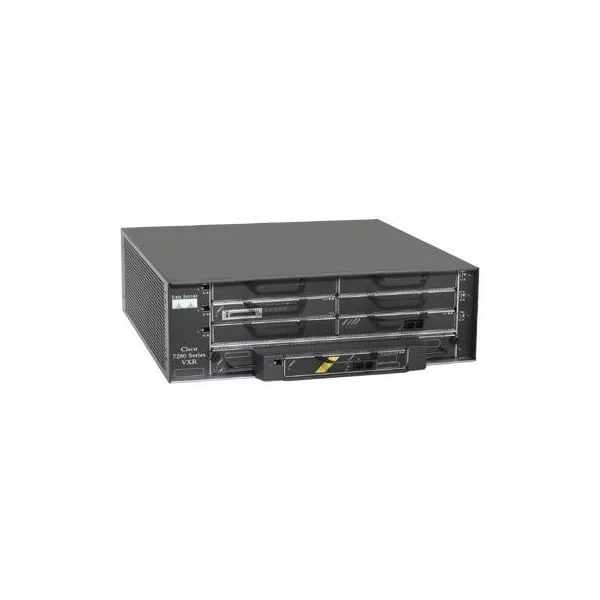
7206VXR/NPE-G2 (Cisco 7206VXR with NPE-G2 includes 3GigE/FE/E Ports and IP SW)
5 (5)- Enterprise Router
- Cisco
- IPSec / SSL VPN / GRE / DMVPN / FlexVPN / N/A
- AC Power Supply / Redundant
- OSPF / BGP / EIGRP / RIP / Static Routing
- Modular
Est Value $24,000.00$1,690.50
93% offIn stockNewRefurbishedFirst-Time Buyer Discount – Get up to 2% additional off on your first order
ORM Rewards Earn $50 in Rewards + Free Expedited Delivery – Join Now!
Use eCoupon ORMSAVE10
eCoupon limited to 5 units
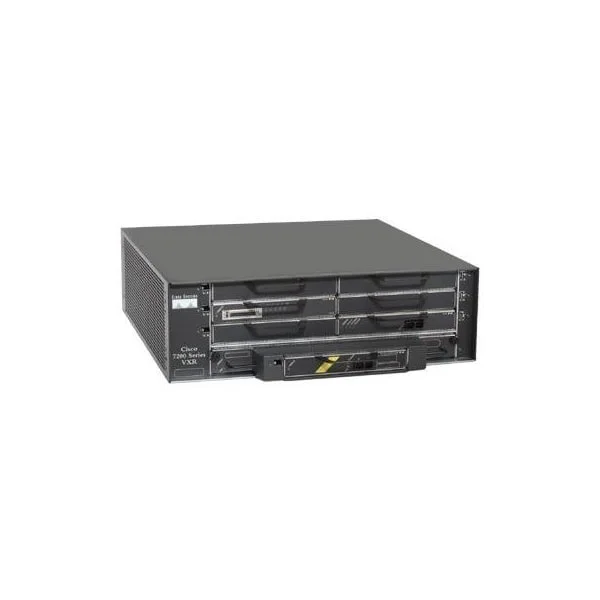
7206-IPV6/ADSVC/K9 (Cisco 7206VXR IPv6/Adv. Ent. Services bundle with NPE-G2)
4.6 (5)- High-Performance Modular Router
- Cisco
- IPSec / SSL VPN / GRE / DMVPN / FlexVPN
- AC Power Supply / Redundant
- OSPF / BGP / EIGRP / MPLS / IS-IS / RIP / Static Routing
- Modular
Est Value In stockFirst-Time Buyer Discount – Get up to 2% additional off on your first order
ORM Rewards Earn $50 in Rewards + Free Expedited Delivery – Join Now!
Use eCoupon ORMSAVE10
eCoupon limited to 5 units
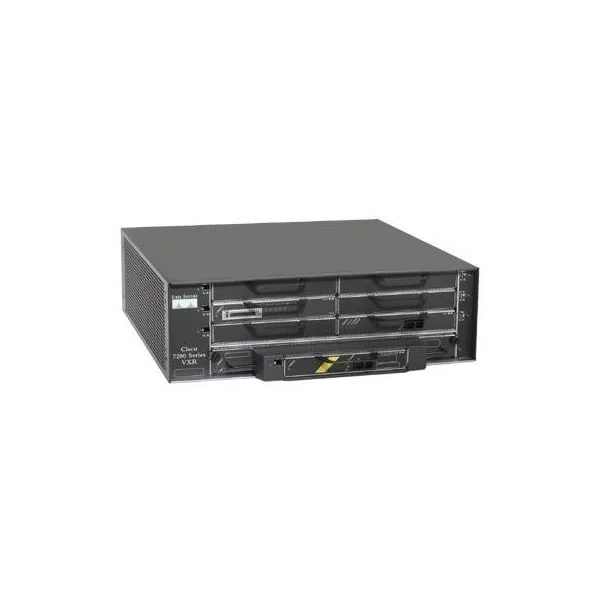
7206VXRG2/VSAVPNK9 (Cisco 7206VXR System Bundle for G2 and VSA)
4.8 (5)- Enterprise Router
- Cisco
- IPSec / SSL VPN / GRE / DMVPN / FlexVPN
- AC Power Supply / DC Power Supply / Redundant
- OSPF / BGP / EIGRP / Static Routing
- Fiber Optic / DSL
- Modular
Est Value In stockFirst-Time Buyer Discount – Get up to 2% additional off on your first order
ORM Rewards Earn $50 in Rewards + Free Expedited Delivery – Join Now!
Use eCoupon ORMSAVE10
eCoupon limited to 5 units
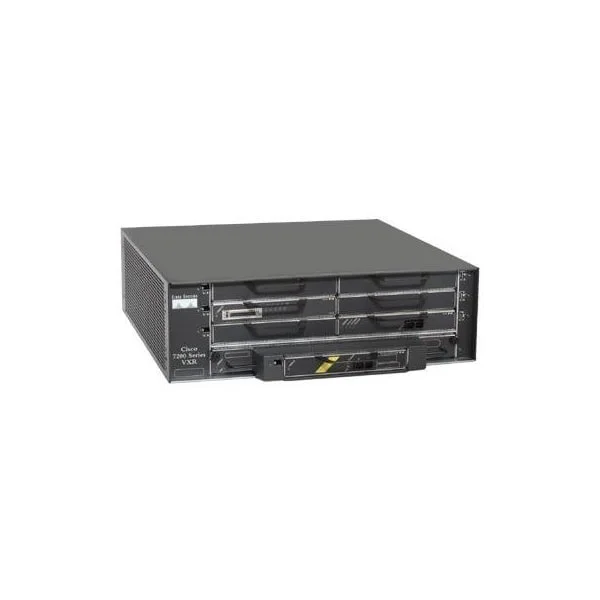
7206VXRG2/2+VPNK9 (Cisco 7206VXR, NPE-G2, VAM2+, C7200-JC-PA, AC pwr, 1Gigsysmem,SDM)
4.8 (5)- Enterprise Router
- Cisco
- IPSec / SSL VPN / DMVPN
- Redundant AC/DC Power Supply
- OSPF / BGP / EIGRP / MPLS / IS-IS / RIP / Static Routing
- Modular
Est Value In stockFirst-Time Buyer Discount – Get up to 2% additional off on your first order
ORM Rewards Earn $50 in Rewards + Free Expedited Delivery – Join Now!
Use eCoupon ORMSAVE10
eCoupon limited to 5 units
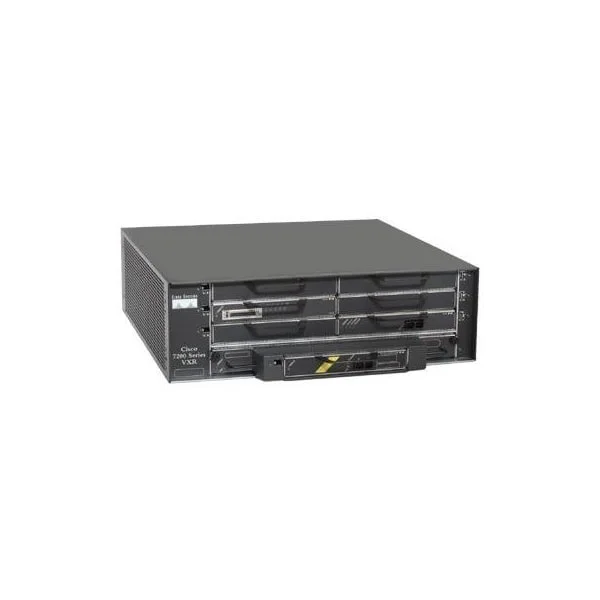
7206VXRG1/2+VPNK9 (Cisco 7206VXR, NPE-G1, VAM2+, AC pwr, 512 sys mem, SDM)
4.6 (5)- Enterprise Router
- Cisco
- IPSec / SSL VPN
- AC Power Supply / Redundant
- OSPF / BGP / EIGRP / MPLS / Static Routing
- Modular
Est Value In stockFirst-Time Buyer Discount – Get up to 2% additional off on your first order
ORM Rewards Earn $50 in Rewards + Free Expedited Delivery – Join Now!
Use eCoupon ORMSAVE10
eCoupon limited to 5 units
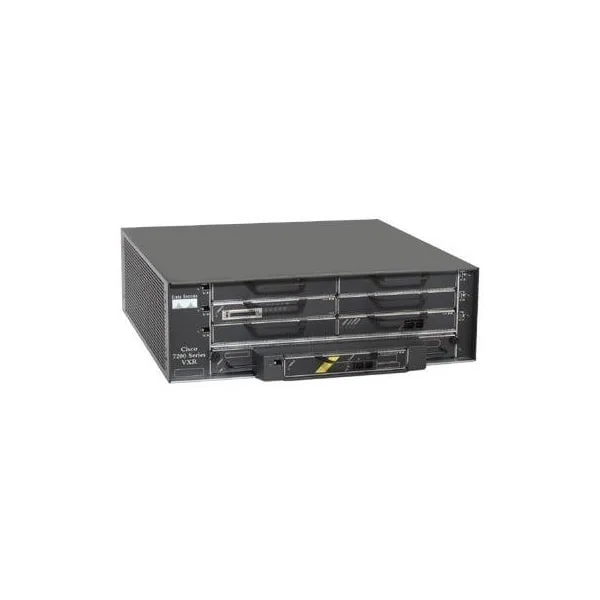
CISCO7206VXR-CH (Cisco 7206VXR, 6-slot chassis, Power Supply w/ Slot Covers)
4.6 (5)- Enterprise Router
- Cisco
- IPSec
- Redundant AC Power Supplies
- OSPF / BGP / EIGRP / RIP / Static Routing
- Modular
Est Value In stockFirst-Time Buyer Discount – Get up to 2% additional off on your first order
ORM Rewards Earn $50 in Rewards + Free Expedited Delivery – Join Now!
Use eCoupon ORMSAVE10
eCoupon limited to 5 units

ORM Sales Advisors
Buying for your business? Get a personalised quote in under 2 hours. Talk to an expert
LEARNFilters (14) 
Questions & Answers
What is the maximum throughput of the Router 7200 Series?
Throughput depends on the Network Processing Engine (NPE). NPE-200 delivers up to 2 Gbps, NPE-G1 up to 8 Gbps, and NPE-G2 up to 20 Gbps of bidirectional packet forwarding.
Which interface modules are supported by the Router 7200 Series?
The 7200 Series supports a broad range of Port Adapter Modules (PAMs) including Ethernet (10/100/1000), POS, ATM, Serial T1/E1/DS3, and OC-3/OC-12/OC-48 interfaces.
How does the Router 7200 Series handle high-availability and redundancy?
It offers redundant power supplies and optional route processor redundancy (RPR). Stateful switchover (SSO) and nonstop forwarding (NSF) ensure sub-second failover and service continuity.
What virtualization features are available on the Router 7200 Series?
The platform supports Cisco IOS Software virtualization with Integrated Virtual Routing and Forwarding (VRF) instances, enabling secure, multi-tenant traffic separation on a single physical router.
Which QoS features does the Router 7200 Series provide?
Built-in QoS includes classification, policing, shaping, weighted fair queuing (WFQ), low-latency queuing (LLQ), and Weighted Random Early Detection (WRED) for traffic prioritization and congestion avoidance.
Does the Router 7200 Series support MPLS deployments?
Yes. It supports full MPLS feature set including LDP, RSVP-TE, MPLS VPNs, Traffic Engineering, and QoS integration for scalable, carrier-grade service delivery.
What security features are integrated into the Router 7200 Series?
Integrated security includes access control lists (ACLs), IPsec VPN acceleration, Network Address Translation (NAT), firewall services, and support for Cisco IOS Zone-Based Policy Firewall.
Which Cisco IOS software images run on the Router 7200 Series?
It runs modular Cisco IOS images such as IP Base, Enterprise, Advanced IP, and Security Editions, allowing customers to choose feature sets tailored to their requirements.
How is licensing managed on the Router 7200 Series?
Licensing is perpetual. Feature activation occurs via Smart Licensing or classic PAKs, enabling on-demand enablement of advanced routing, MPLS, and security capabilities.
What are the power and environmental specifications?
Each chassis consumes 200–400 W depending on modules. Operating temperature ranges from 0 °C to 45 °C, with humidity tolerance of 5%–85% non-condensing.
How can I manage and monitor the Router 7200 Series?
Management options include CLI, Cisco Prime Infrastructure, SNMP, NetFlow, Embedded Event Manager (EEM), and Cisco IOS Embedded Management for automation and real-time monitoring.
Is the Router 7200 Series suitable for service provider networks?
Yes. Its modular design, high throughput, MPLS support, and carrier-grade redundancy make it ideal for edge, aggregation, and small-to-medium ISP core deployments.
What are typical enterprise use cases for the Router 7200 Series?
Common use cases include data center aggregation, campus WAN edge, secure VPN gateways, branch office aggregation, and multi-tenant VPN convergence.
How do I upgrade the CPU or forwarding engine?
NPE upgrades are field-replaceable. You can swap NPE-200 for NPE-G1 or G2 modules to boost processing and forwarding performance with no major downtime.
What is the end-of-life (EoL) status for the Router 7200 Series?
Cisco has announced EoL for select 7200 models. Check Cisco’s EoL bulletin for specific chassis and module retirement dates and upgrade paths to current platforms.
What support and warranty options are available?
Routers include a limited lifetime hardware warranty. Cisco SMARTnet offers 24×7 support, rapid hardware replacement, OS updates, and advanced troubleshooting services.
How do I migrate configurations from an older 7200 to a new 7200 Series chassis?
Use Cisco Configuration Professional or CLI export/import. Leverage “show running-config” and “copy startup-config” commands, then adjust interface and module mappings on the new chassis.