 United States
Industrial Routers for Reliable Connectivity
Industrial Routers delivering unmatched reliability, seamless connectivity, and robust network performance engineered to empower industrial automation, secure remote monitoring, and support mission-critical operations across diverse industrial environments.
Talk to an expert
4 Matching results
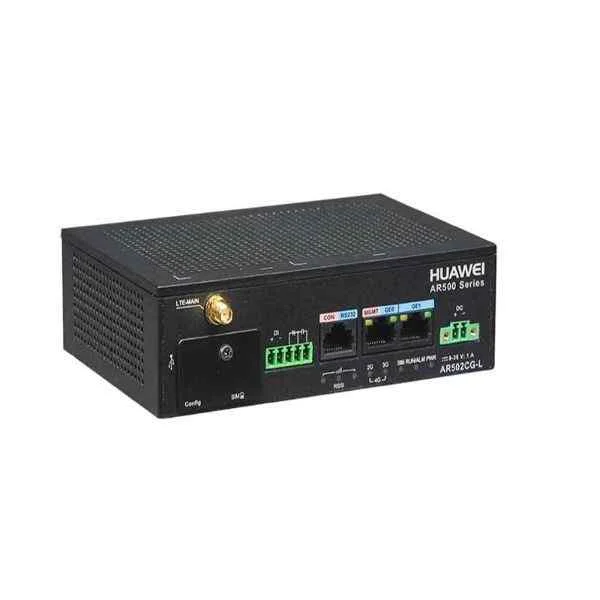
AR502CG-L (Huawei AR502 Series Industrial Routers, 2 x 10M/100M/1000M Base-T, 1 x RS232 (RJ45 connector, non-isolated))
4.8 (6)- Enterprise Router
- Huawei
- IPSec / SSL VPN / GRE / DMVPN
- AC Power Supply / Redundant
- OSPF / BGP / RIP / Static Routing
- Fiber Optic / DSL / LTE
- Modular
Est Value $467.46
$233.73
50% offIn stockRefurbishedFirst-Time Buyer Discount – Get up to 2% additional off on your first order
ORM Rewards Earn $50 in Rewards + Free Expedited Delivery – Join Now!
Use eCoupon ORMSAVE10
eCoupon limited to 5 units
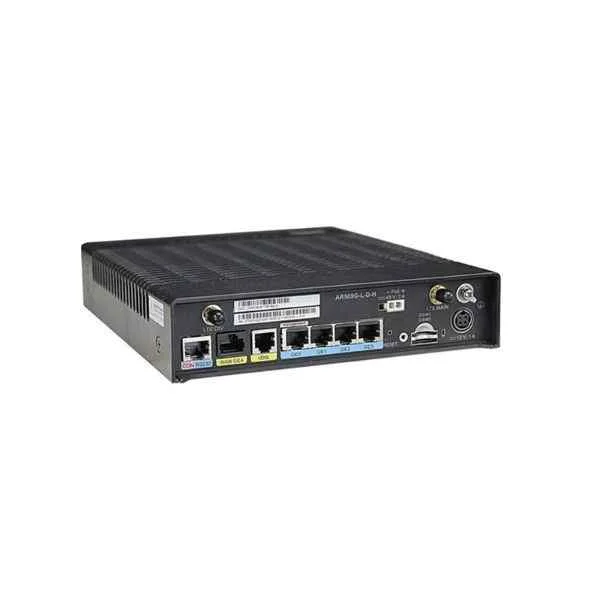
AR509G-L-D-H (Huawei AR509 Series IoT Gateways, WAN Ports: 1 x GE, 1 Pair VDSL2, LAN Ports: 4 x GE, 512 MB Memory, Built-in Flash 512 MB)
4.3 (6)- Enterprise Router
- Huawei
- IPSec / SSL VPN / DMVPN
- AC Power Supply / Redundant
- OSPF / BGP / Static Routing
- Fiber Optic
- Modular
Est Value In stockFirst-Time Buyer Discount – Get up to 2% additional off on your first order
ORM Rewards Earn $50 in Rewards + Free Expedited Delivery – Join Now!
Use eCoupon ORMSAVE10
eCoupon limited to 5 units
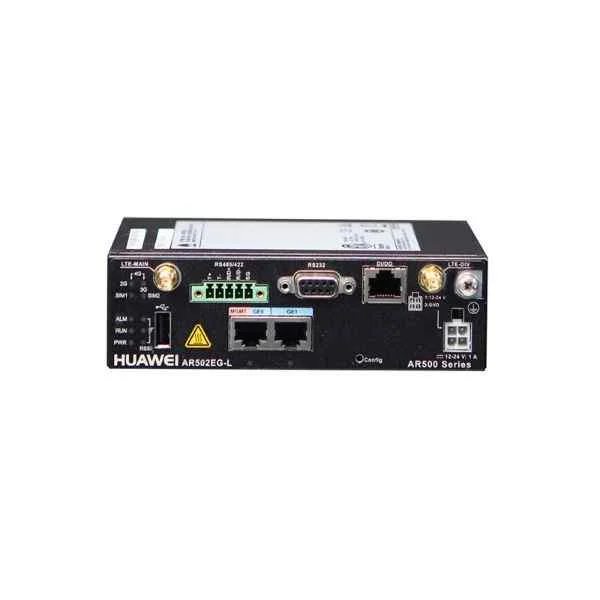
AR502EG-L (Huawei AR502 Series Industrial Routers, 2 x 10M/100M/1000M Base-T, 1 x Isolated RS232 (DB9 female connector), 1 x Isolated RS485/RS422 (5-pin terminal block connector))
4.7 (6)- Enterprise Router
- Huawei
- IPSec / SSL VPN
- Redundant
- OSPF / BGP / Static Routing
- Fiber Optic
- Modular
Est Value In stockFirst-Time Buyer Discount – Get up to 2% additional off on your first order
ORM Rewards Earn $50 in Rewards + Free Expedited Delivery – Join Now!
Use eCoupon ORMSAVE10
eCoupon limited to 5 units
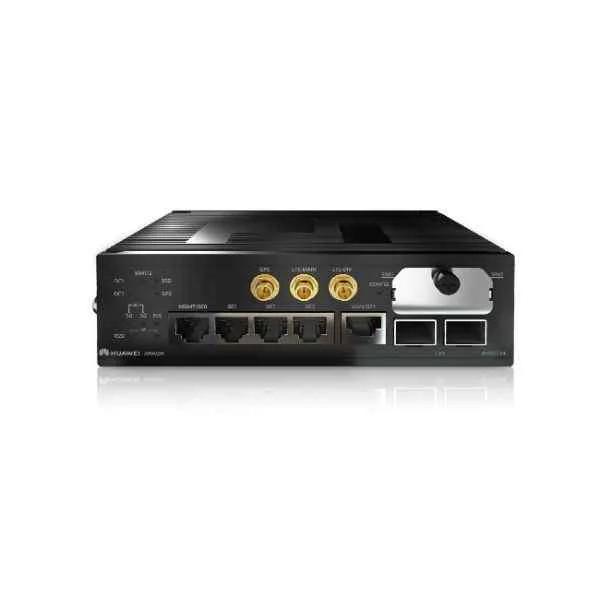
AR502H (Huawei's next-generation Edge Computing-Internet of Things (EC-IoT) gateway, ARM quad-core A53, 1 GHz processor, 2GB DDR4, 2 GB, SLC NAND)
4.3 (6)- Enterprise Router
- Huawei
- IPSec / SSL VPN
- AC Power Supply / Redundant
- OSPF / BGP / EIGRP / Static Routing
- Fiber Optic / DSL / LTE
- Modular
Est Value In stockFirst-Time Buyer Discount – Get up to 2% additional off on your first order
ORM Rewards Earn $50 in Rewards + Free Expedited Delivery – Join Now!
Use eCoupon ORMSAVE10
eCoupon limited to 5 units

ORM Sales Advisors
Buying for your business? Get a personalised quote in under 2 hours. Talk to an expert
LEARNFilters (4) 
Questions & Answers
What is an industrial router?
An industrial router is a robust networking device designed to provide secure, reliable connectivity in harsh environments, integrating advanced features like VPN, firewall, and cellular failover for industrial automation and IoT applications.
How does an industrial router differ from a consumer router?
Industrial routers offer ruggedized hardware, extended temperature ranges, higher vibration resistance, industrial-grade certifications (e.g., IP30–IP67), and advanced security and remote management features not found in consumer routers.
What are the key features to look for in an industrial router?
Key features include multi-WAN support (Ethernet, cellular, fiber), VPN and firewall capabilities, remote management (Cloud/SSH), industrial I/O ports, DIN-rail or panel mounting, and wide operating temperature ranges.
Can industrial routers support 4G/5G cellular connectivity?
Yes, many industrial routers include built-in 4G LTE and 5G modules or mini-PCIe slots for wireless broadband, ensuring uninterrupted connectivity and automatic failover to cellular networks.
How secure are industrial routers?
Industrial routers employ enterprise-grade security measures such as IPsec/OpenVPN, intrusion detection, stateful packet inspection, user authentication (RADIUS/LDAP), and regular firmware updates to protect industrial networks.
What is VPN failover and why is it important?
VPN failover automatically switches to a secondary communication path (e.g., cellular) if the primary link fails, ensuring continuous secure connectivity for remote monitoring and control.
How do I remotely manage an industrial router?
You can remotely manage industrial routers via web-based GUIs, SSH, SNMP, or cloud platforms that provide centralized configuration, monitoring, and firmware updates.
What environmental specifications matter for industrial routers?
Important specifications include operating temperature range (−40 °C to +75 °C), IP rating (IP30–IP67), shock and vibration tolerance, and compliance with industrial standards (e.g., IEC 61850, UL508).
Do industrial routers support redundancy features?
Yes, industrial routers often provide dual SIM slots, dual-WAN ports, VRRP, and automatic link aggregation to ensure high availability and minimize network downtime.
How is an industrial router configured for VPN?
Configure VPN by selecting a protocol (IPsec/OpenVPN), entering encryption/authentication parameters, defining remote peer credentials, and assigning traffic policies via the router’s management interface.
What certifications should industrial routers have?
Look for industrial certifications such as CE, FCC, UL, RoHS, ATEX (for hazardous areas), and conformity with industry protocols like Modbus, DNP3, or OPC UA.
How do I choose the right industrial router for my application?
Assess network bandwidth, environmental conditions, required I/O ports, security needs, remote management capabilities, and redundancy features to match the router’s specifications with your application.
What is MTBF and why is it relevant for industrial routers?
MTBF (Mean Time Between Failures) indicates the expected operating lifespan of a router; higher MTBF values reflect greater reliability in mission-critical industrial environments.
Can industrial routers integrate with SCADA and PLC systems?
Yes, industrial routers support common industrial protocols (Modbus/TCP, OPC UA, MQTT) and enable secure, seamless integration with SCADA systems and PLC controllers for automation.
How often should I update industrial router firmware?
Regular firmware updates—ideally quarterly or as released by the manufacturer—are essential to address security vulnerabilities, improve performance, and add new features.
What warranty and support options are available for industrial routers?
Manufacturers typically offer 1–5 year warranties, optional extended service plans, 24/7 technical support, on-site commissioning, and advanced replacement programs for critical deployments.