 United States
Surveillance Cameras Uncompromised Security Solutions
Our surveillance cameras deliver superior clarity, real-time monitoring, and robust performance. Integrate our high-resolution, advanced security systems for comprehensive coverage that ensures your property and assets remain protected.
Talk to an expert
52 Matching results
- BEST SELLING
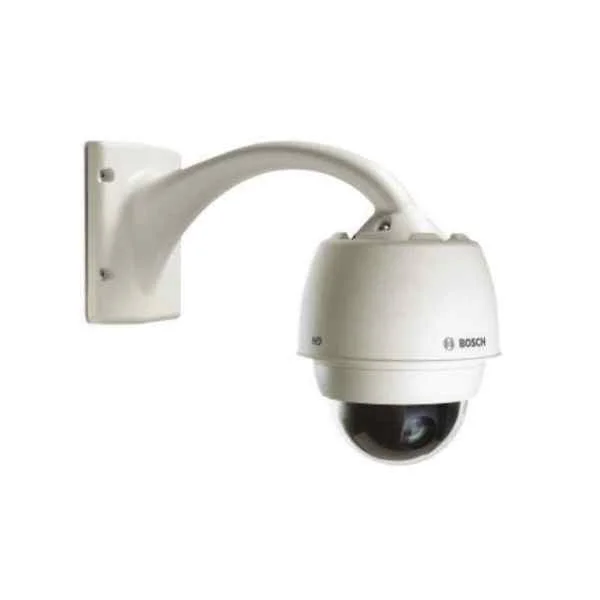
NDP-7512-Z30 (Bosch NDP-7512-Z30 2MP H.265 Outdoor PTZ IP Security Camera)
4.7 (6)- Security Camera
- Bosch
- Bullet
- IP Camera
- 4K
- Varifocal
- ANPR
Est Value In stock
First-Time Buyer Discount – Get up to 2% additional off on your first order
ORM Rewards Earn $50 in Rewards + Free Expedited Delivery – Join Now!
Use eCoupon ORMSAVE10
eCoupon limited to 5 units
- BEST SELLING
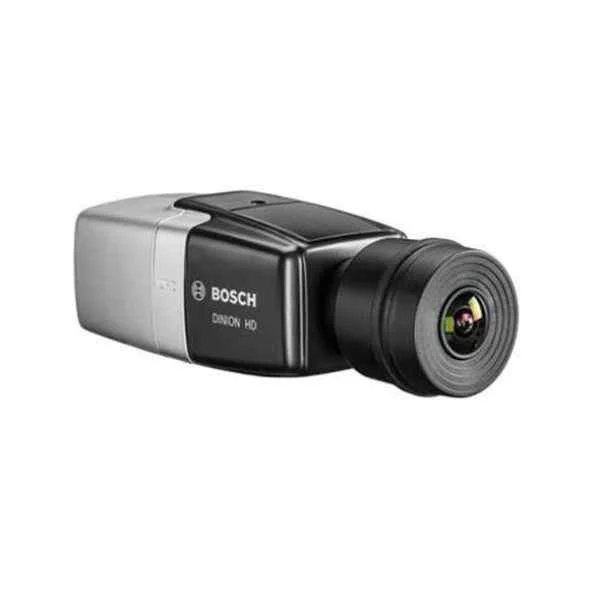
NBN-80122-CA (Bosch NBN-80122-CA 12MP 4K Indoor Box IP Security Camera)
4.8 (5)- Security Camera
- Bosch
- Bullet
- IP Camera
- 4MP
- Varifocal
- Motion Detection
Est Value In stockFirst-Time Buyer Discount – Get up to 2% additional off on your first order
ORM Rewards Earn $50 in Rewards + Free Expedited Delivery – Join Now!
Use eCoupon ORMSAVE10
eCoupon limited to 5 units
- BEST SELLING
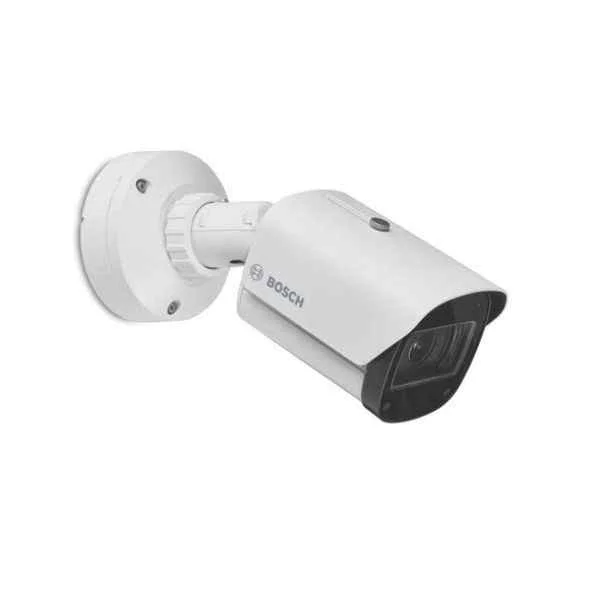
NBE-7702-ALX (Bosch NBE-7702-ALX 2MP Outdoor IR Bullet IP Security Camera with HDR X 4.7-10mm Lens, White )
5 (5)- Security Camera
- Bosch
- Bullet
- IP Camera
- 4K
- Motorized
- Motion Detection / ANPR
Est Value In stockFirst-Time Buyer Discount – Get up to 2% additional off on your first order
ORM Rewards Earn $50 in Rewards + Free Expedited Delivery – Join Now!
Use eCoupon ORMSAVE10
eCoupon limited to 5 units
- BEST SELLING
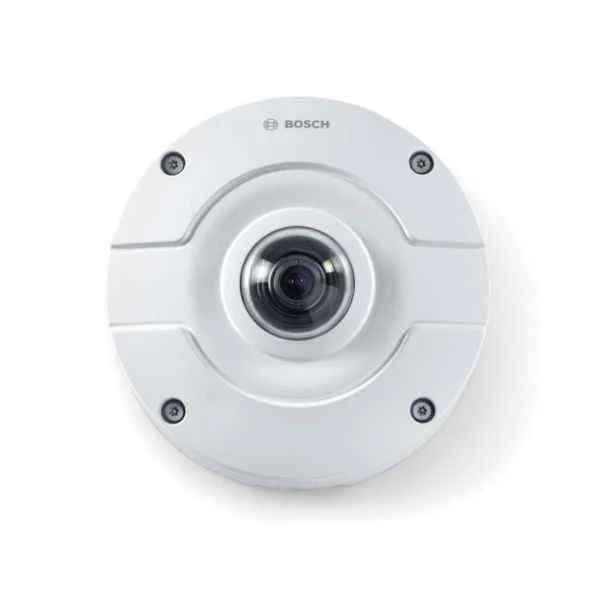
NDS-6004-F360E (Bosch NDS-6004-F360E 12MP 4K Outdoor 360 Degree Panoramic IP Security Camera)
4.6 (5)- Security Camera
- Bosch
- Fisheye
- IP Camera
- 4MP
- Fixed
- Motion Detection
Est Value In stockFirst-Time Buyer Discount – Get up to 2% additional off on your first order
ORM Rewards Earn $50 in Rewards + Free Expedited Delivery – Join Now!
Use eCoupon ORMSAVE10
eCoupon limited to 5 units
- BEST SELLING
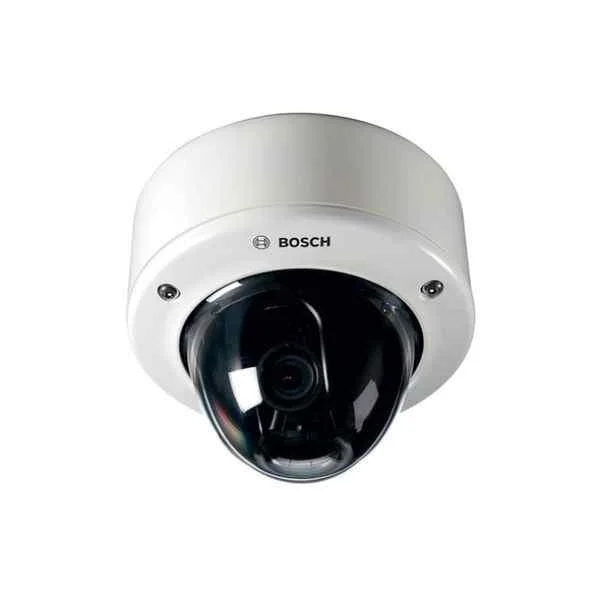
NIN-73013-A3AS (Bosch NIN-73013-A3AS 1MP Outdoor Dome IP Security Camera with 3-9mm Motorized Lens)
4.6 (8)- Security Camera
- Bosch
- Bullet
- IP Camera
- 4MP
- Motorized
- ANPR
Est Value In stockFirst-Time Buyer Discount – Get up to 2% additional off on your first order
ORM Rewards Earn $50 in Rewards + Free Expedited Delivery – Join Now!
Use eCoupon ORMSAVE10
eCoupon limited to 5 units
- BEST SELLING
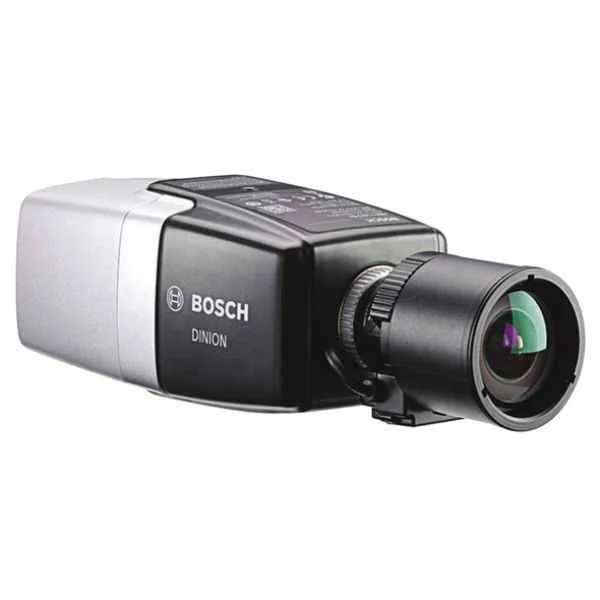
NBN-65023-B (Bosch NBN-65023-B 2MP Indoor Box Hybrid IP/Analog Security Camera with HDR, 24V)
4.9 (8)- Security Camera
- Bosch
- Bullet
- IP Camera
- 4MP
- Varifocal
- Motion Detection / ANPR
Est Value In stockFirst-Time Buyer Discount – Get up to 2% additional off on your first order
ORM Rewards Earn $50 in Rewards + Free Expedited Delivery – Join Now!
Use eCoupon ORMSAVE10
eCoupon limited to 5 units
- FEARURED
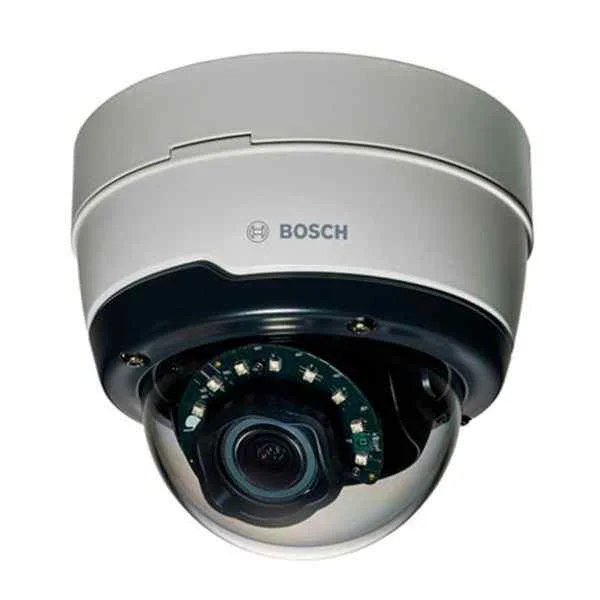
NDE-4502-AL (Bosch NDE-4502-AL 2MP IR H.265 Outdoor Dome IP Security Camera)
4.7 (6)- Security Camera
- Bosch
- Bullet
- IP Camera
- 4MP
- Varifocal
- ANPR
Est Value In stockFirst-Time Buyer Discount – Get up to 2% additional off on your first order
ORM Rewards Earn $50 in Rewards + Free Expedited Delivery – Join Now!
Use eCoupon ORMSAVE10
eCoupon limited to 5 units
- FEARURED
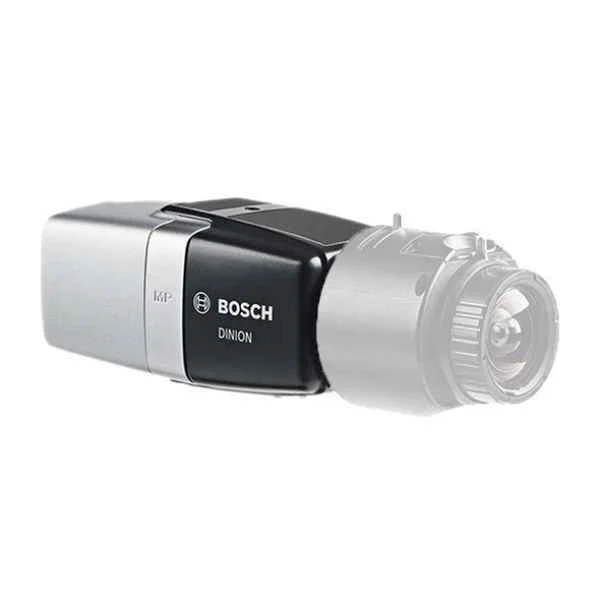
NBN-80052-BA (Bosch NBN-80052-BA 5MP Indoor Box IP Security Camera, Lens Options available)
4.4 (5)- Security Camera
- Bosch
- Bullet
- IP Camera
- 4K
- Motorized
- ANPR
Est Value In stockFirst-Time Buyer Discount – Get up to 2% additional off on your first order
ORM Rewards Earn $50 in Rewards + Free Expedited Delivery – Join Now!
Use eCoupon ORMSAVE10
eCoupon limited to 5 units
- FEARURED
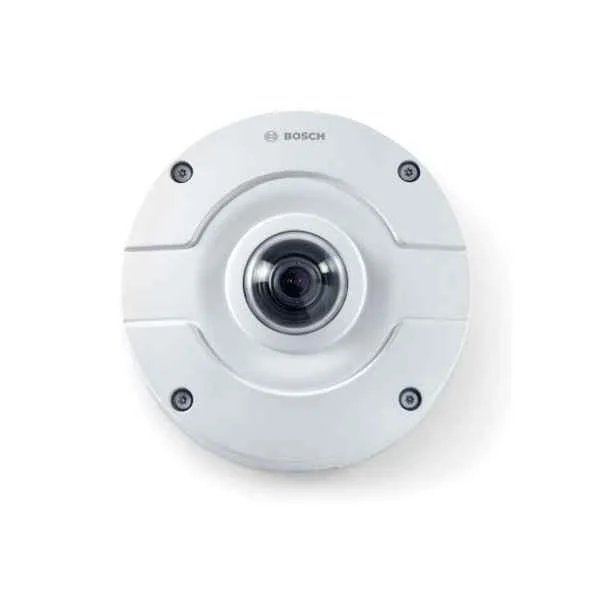
NDS-7004-F180E (Bosch NDS-7004-F180E 12MP 180-degree Panoramic Outdoor Fisheye IP Security Camera)
4.6 (5)- Security Camera
- Bosch
- Bullet
- IP Camera
- 4MP
- Fixed
Est Value In stockFirst-Time Buyer Discount – Get up to 2% additional off on your first order
ORM Rewards Earn $50 in Rewards + Free Expedited Delivery – Join Now!
Use eCoupon ORMSAVE10
eCoupon limited to 5 units
- FEARURED
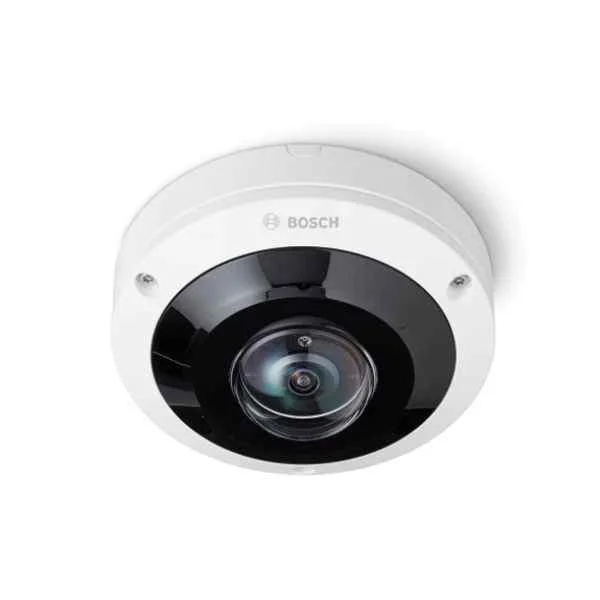
NDS-5704-F360LE (Bosch NDS-5704-F360LE 12MP Night Vision Outdoor Fisheye IP Security Camera with Built-in Mic)
4.4 (5)- Security Camera
- Bosch
- Turret
- IP Camera
- 4MP
- Varifocal
Est Value In stockFirst-Time Buyer Discount – Get up to 2% additional off on your first order
ORM Rewards Earn $50 in Rewards + Free Expedited Delivery – Join Now!
Use eCoupon ORMSAVE10
eCoupon limited to 5 units
- FEARURED
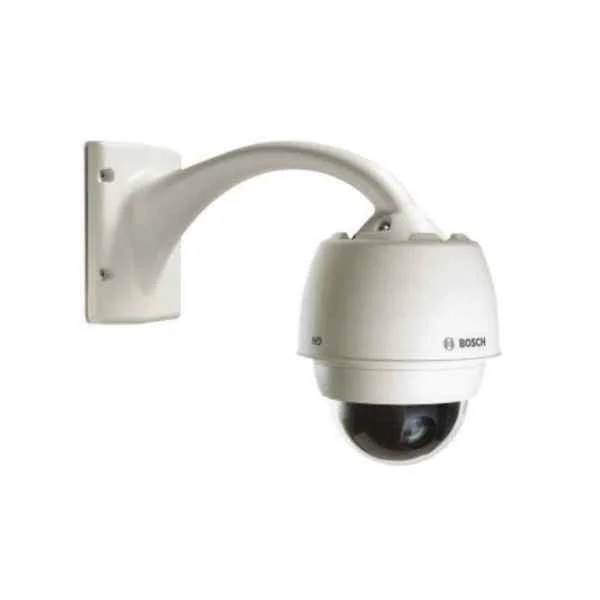
NDP-7512-Z30K (Bosch NDP-7512-Z30K 2MP H.265 Outdoor PTZ IP Security Camera with IK10)
4.6 (5)- Security Camera
- Bosch
- Turret
- IP Camera
- 4MP
- Motorized
- Motion Detection
Est Value In stockFirst-Time Buyer Discount – Get up to 2% additional off on your first order
ORM Rewards Earn $50 in Rewards + Free Expedited Delivery – Join Now!
Use eCoupon ORMSAVE10
eCoupon limited to 5 units
- FEARURED
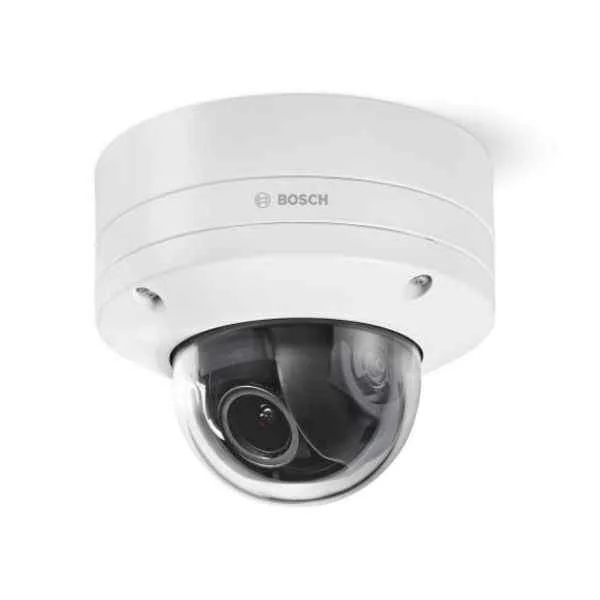
NDE-8503-RXT (Bosch NDE-8503-RXT 4MP Outdoor Dome PTRZ IP Security Camera with 12-40mm Motorized Lens, Wireless Commissioning)
4.6 (5)- Security Camera
- Bosch
- Turret
- IP Camera
- 1080p
- Varifocal
- Motion Detection
Est Value In stockFirst-Time Buyer Discount – Get up to 2% additional off on your first order
ORM Rewards Earn $50 in Rewards + Free Expedited Delivery – Join Now!
Use eCoupon ORMSAVE10
eCoupon limited to 5 units
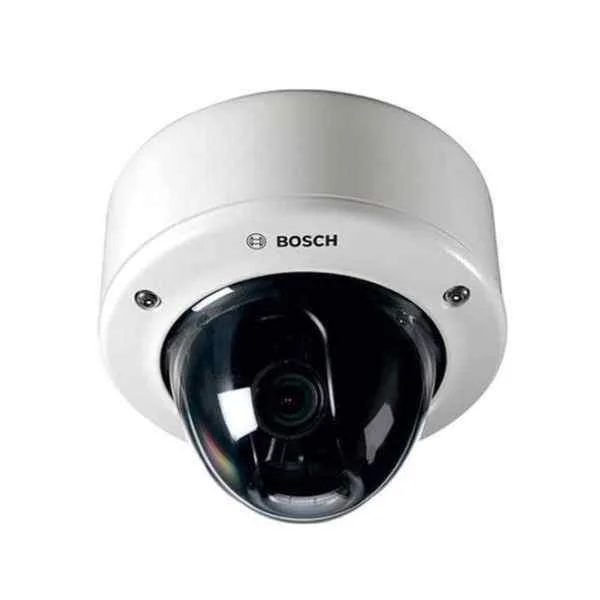
NIN-63023-A3S (Bosch NIN-63023-A3S FLEXIDOME IP starlight 6000 VR 2MP Indoor/Outdoor Dome IP Security Camera)
4.7 (6)- Security Camera
- Bosch
- Bullet
- IP Camera
- 4MP
- Varifocal
- ANPR
Est Value In stockFirst-Time Buyer Discount – Get up to 2% additional off on your first order
ORM Rewards Earn $50 in Rewards + Free Expedited Delivery – Join Now!
Use eCoupon ORMSAVE10
eCoupon limited to 5 units
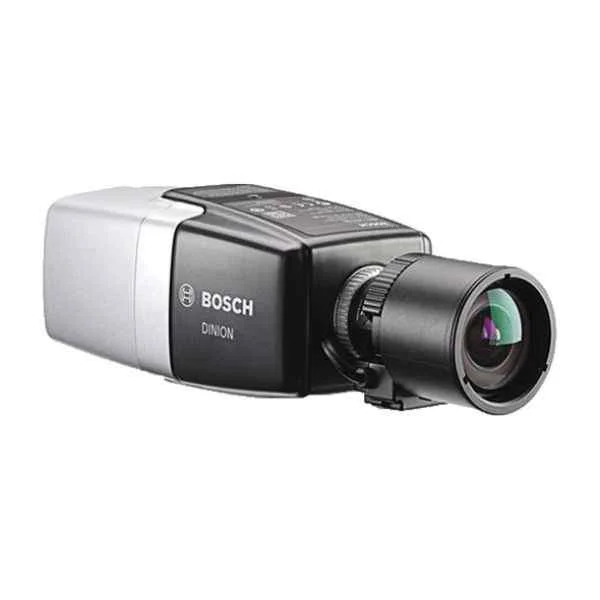
NBN-63023-B (Bosch NBN-63023-B 2MP Indoor Box Hybrid IP/CCTV Security Camera - No Lens)
4.4 (5)- Security Camera
- Bosch
- Bullet
- IP Camera
- 4K
- Fixed
- Motion Detection
Est Value In stockFirst-Time Buyer Discount – Get up to 2% additional off on your first order
ORM Rewards Earn $50 in Rewards + Free Expedited Delivery – Join Now!
Use eCoupon ORMSAVE10
eCoupon limited to 5 units
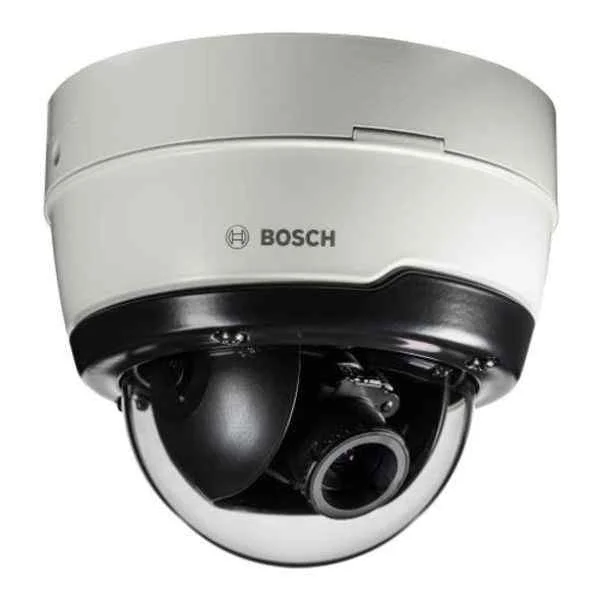
NDE-4512-A (Bosch NDE-4512-A 2MP Outdoor Dome IP Security Camera, HDR, 3-9mm Motorized Lens, Vandal)
4.4 (5)- Security Camera
- Bosch
- Turret
- IP Camera
- 4K
- Fixed
- Motion Detection
Est Value In stockFirst-Time Buyer Discount – Get up to 2% additional off on your first order
ORM Rewards Earn $50 in Rewards + Free Expedited Delivery – Join Now!
Use eCoupon ORMSAVE10
eCoupon limited to 5 units
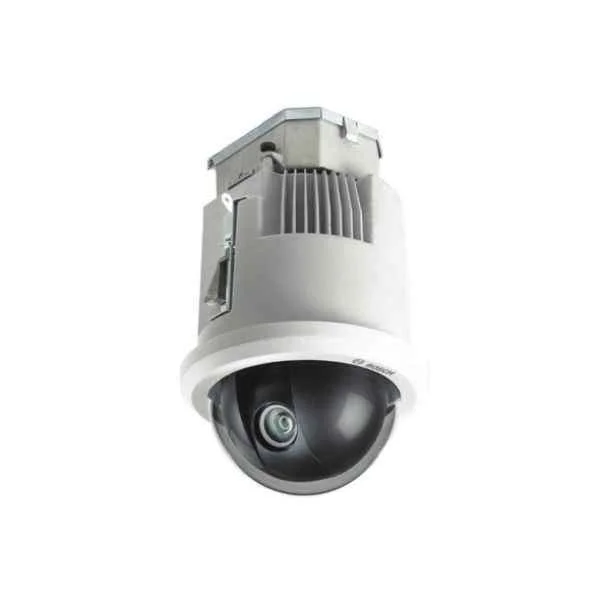
NDP-7512-Z30CT (Bosch NDP-7512-Z30CT 2MP H.265 Indoor PTZ IP Security Camera with Tinted Bubble)
4.2 (5)- Security Camera
- Bosch
- Turret
- IP Camera
- 12MP
- Motorized
- Motion Detection
Est Value In stockFirst-Time Buyer Discount – Get up to 2% additional off on your first order
ORM Rewards Earn $50 in Rewards + Free Expedited Delivery – Join Now!
Use eCoupon ORMSAVE10
eCoupon limited to 5 units
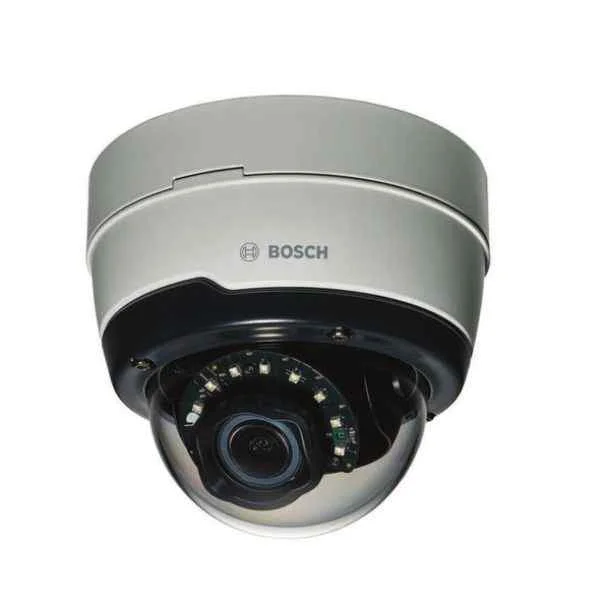
NDE-4512-AL (Bosch NDE-4512-AL 2MP Outdoor Night Vision Dome IP Security Camera)
4.2 (5)- Security Camera
- Bosch
- Bullet
- IP Camera
- 4MP
- Fixed
- Motion Detection
Est Value In stockFirst-Time Buyer Discount – Get up to 2% additional off on your first order
ORM Rewards Earn $50 in Rewards + Free Expedited Delivery – Join Now!
Use eCoupon ORMSAVE10
eCoupon limited to 5 units
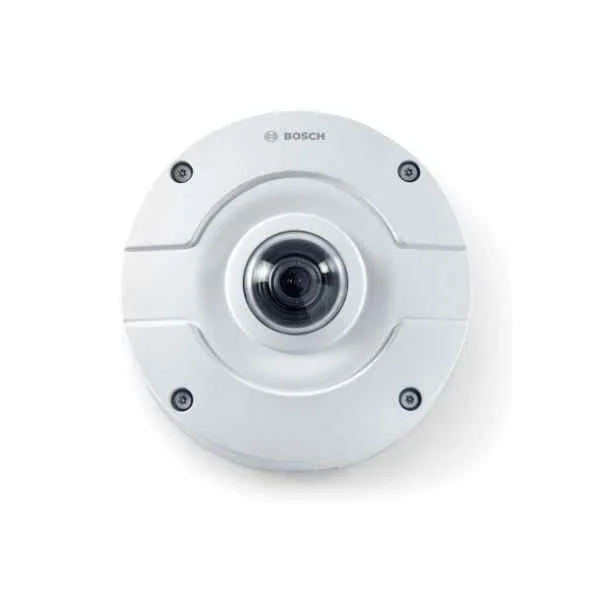
NDS-7004-F360E (Bosch NDS-7004-F360E 12MP 360-degree Panoramic Outdoor Fisheye IP Security Camera)
4.6 (5)- Security Camera
- Bosch
- Turret
- IP Camera
- 4MP
- Motorized
- Motion Detection / Intrusion Detection / ANPR
Est Value In stockFirst-Time Buyer Discount – Get up to 2% additional off on your first order
ORM Rewards Earn $50 in Rewards + Free Expedited Delivery – Join Now!
Use eCoupon ORMSAVE10
eCoupon limited to 5 units
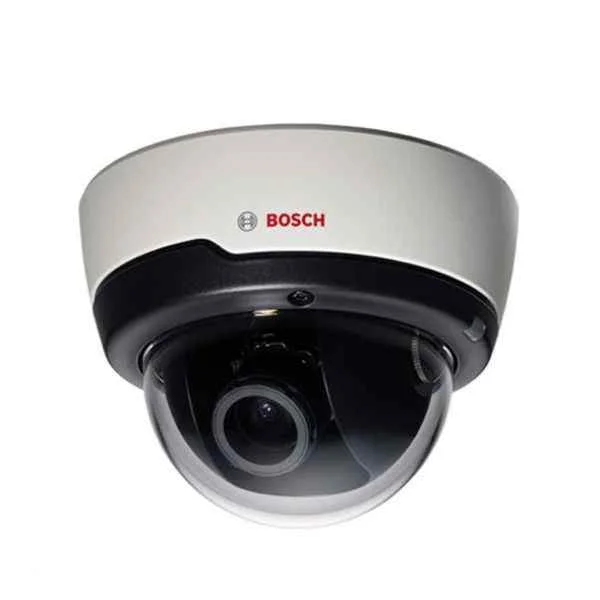
NDI-4502-A (Bosch NDI-4502-A 2MP H.265 Indoor Dome IP Security Camera)
4.8 (5)- Security Camera
- Bosch
- Bullet
- IP Camera
- 4MP
- Varifocal
- Motion Detection
Est Value In stockFirst-Time Buyer Discount – Get up to 2% additional off on your first order
ORM Rewards Earn $50 in Rewards + Free Expedited Delivery – Join Now!
Use eCoupon ORMSAVE10
eCoupon limited to 5 units
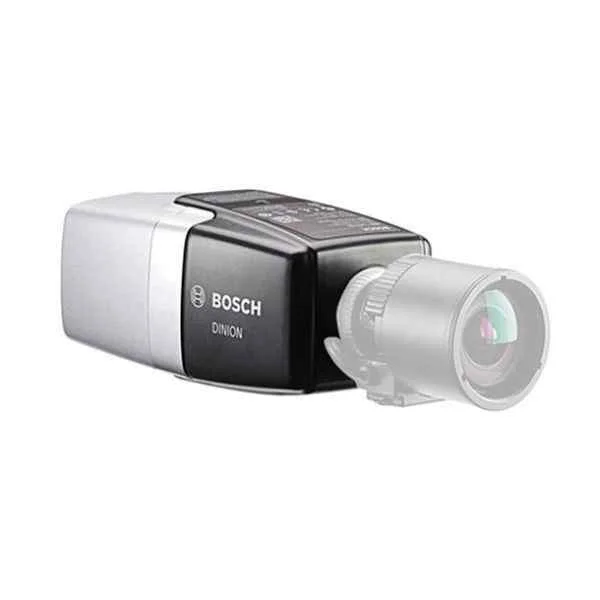
NBN-63013-B (Bosch NBN-63013-B DINION IP starlight 6000 1MP Box Hybrid IP Security Camera)
4.6 (5)- Security Camera
- Bosch
- Bullet
- IP Camera
- 4K
- Varifocal
- ANPR
Est Value In stockFirst-Time Buyer Discount – Get up to 2% additional off on your first order
ORM Rewards Earn $50 in Rewards + Free Expedited Delivery – Join Now!
Use eCoupon ORMSAVE10
eCoupon limited to 5 units

ORM Sales Advisors
Buying for your business? Get a personalised quote in under 2 hours. Talk to an expert
LEARNFilters (52) 
Questions & Answers
What are surveillance cameras and how do they enhance security?
Surveillance cameras are electronic devices that record video footage of indoor or outdoor areas in real time, deterring crime, providing evidence, and enabling remote monitoring for enhanced safety.
What types of surveillance cameras are available?
Common types include dome cameras for indoor use, bullet cameras for outdoor coverage, PTZ (pan-tilt-zoom) for flexible viewing, and fisheye cameras for 360° monitoring, each optimized for specific environments.
What resolution should I choose for surveillance cameras?
Choose at least 1080p (Full HD) for clear facial recognition and license plate capture; upgrade to 4K (Ultra HD) if you need maximum detail over large areas or long distances.
How does night vision work in surveillance cameras?
Night vision uses infrared LEDs or low-light image sensors to capture clear black-and-white or color footage in low-light or complete darkness, ensuring 24/7 surveillance coverage.
What is motion detection and how does it benefit surveillance?
Motion detection triggers recording or alerts when objects move within a defined area, reducing storage needs and ensuring you only review meaningful events.
How do I choose between wired and wireless surveillance cameras?
Wired cameras deliver stable power and data over cables, ideal for permanent installations; wireless cameras offer flexible placement, easier setup, and remote connectivity via Wi-Fi or cellular networks.
What storage options exist for surveillance camera footage?
You can store footage locally on NVR/DVR systems or SD cards, or use cloud storage for offsite backup, scalable capacity, and easy access from any device.
Can I access my surveillance camera remotely?
Yes, most modern cameras support remote viewing via mobile apps or web portals, allowing live streaming, playback, and alert management from anywhere with internet.
How do cloud storage and local storage compare for security cameras?
Cloud storage offers secure offsite backup, automatic updates, and easy sharing, while local storage provides cost-effective, high-speed recording without recurring fees.
What factors affect the installation cost of surveillance cameras?
Installation cost depends on camera type, number of units, cabling complexity, mounting requirements, network setup, and any professional labor or permits needed.
Are surveillance cameras legal and what privacy laws apply?
Surveillance is legal when installed on your property without audio recording in most regions; compliance with local privacy laws, signage requirements, and data protection regulations is essential.
How often should I maintain or clean my surveillance cameras?
Inspect and clean lenses, housings, and connections every 3–6 months, check firmware for updates quarterly, and test functionality after severe weather or environmental changes.
What is PoE and how does it improve surveillance camera setup?
Power over Ethernet (PoE) delivers data and power over a single Ethernet cable, simplifying installation, reducing wiring costs, and ensuring uninterrupted operation through UPS integration.
How do surveillance cameras integrate with home security systems?
They connect via network protocols or dedicated hubs to alarm panels, smart locks, and motion sensors, enabling automated responses, unified alerts, and centralized control in security apps.
What features should I look for in a smart surveillance camera?
Prioritize high resolution, night vision, two-way audio, AI motion detection, local/ cloud storage options, strong encryption, and seamless integration with smart home platforms.
How long does the battery last on wireless surveillance cameras?
Battery life varies from 2 weeks to 12 months depending on activity, resolution settings, and power-saving modes; solar panels and rechargeable packs can extend operational time.
How do I secure my surveillance cameras from hacking?
Use strong, unique passwords, enable two-factor authentication, keep firmware updated, segment camera traffic on a dedicated VLAN, and apply end-to-end encryption for all streams.