 United States
Mission Critical Servers Excellence
Engineered for reliability and high performance, Inspur Mission Critical Servers deliver robust enterprise solutions optimized for intensive workloads. Experience efficiency and scalable architecture designed for data center demands.
Talk to an expert
5 Matching results
- BEST SELLING
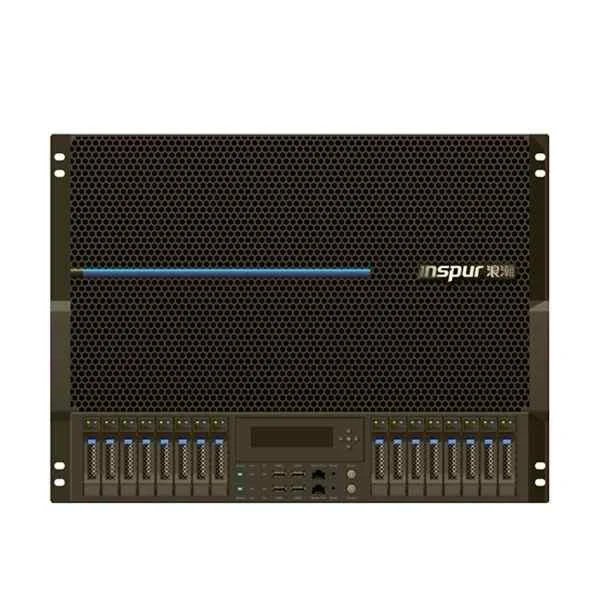
Inspur-TianSuo-TS860G3 (Inspur TianSuo TS860G3, Rack/8U, 8 Intel®Xeon® E7-4800 v3/v4, E7-8800 v3/v4 Processors, supports 192 DIMM memory sticks and expansion to 24TB memory at the maximum, 8 super-platinum power source and can realize N+M/N+N redundancy)
4.6 (5)- Server
- Inspur
- Rackmount
- 2U
- Intel
- Intel Xeon Scalable
- Xeon 3rd Gen
Est Value In stock
First-Time Buyer Discount – Get up to 2% additional off on your first order
ORM Rewards Earn $50 in Rewards + Free Expedited Delivery – Join Now!
Use eCoupon ORMSAVE10
eCoupon limited to 5 units
- BEST SELLING
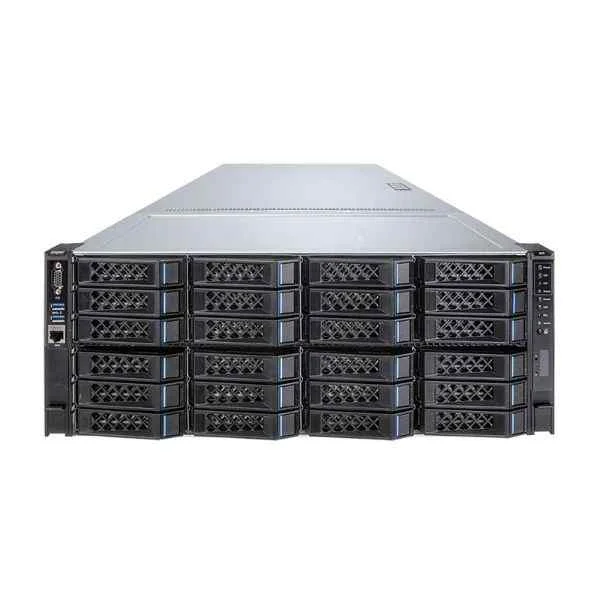
Inspur-TianSuo-TS860M5 (Inspur TianSuo TS860M5, Rack/4U, 8 Intel®Xeon® 6100/8100 series Processors, supports 96 DIMM, supports up to four 800/1300/1600 CRPS standard power supplies, supports platinum / titanium power supplies, supports 2 + 2/3 + 1 redundancy)
5 (5)- Server
- Inspur
- Rackmount
- 2U
- Intel
- Intel Xeon Scalable
- Xeon 3rd Gen
Est Value In stockFirst-Time Buyer Discount – Get up to 2% additional off on your first order
ORM Rewards Earn $50 in Rewards + Free Expedited Delivery – Join Now!
Use eCoupon ORMSAVE10
eCoupon limited to 5 units
- BEST SELLING
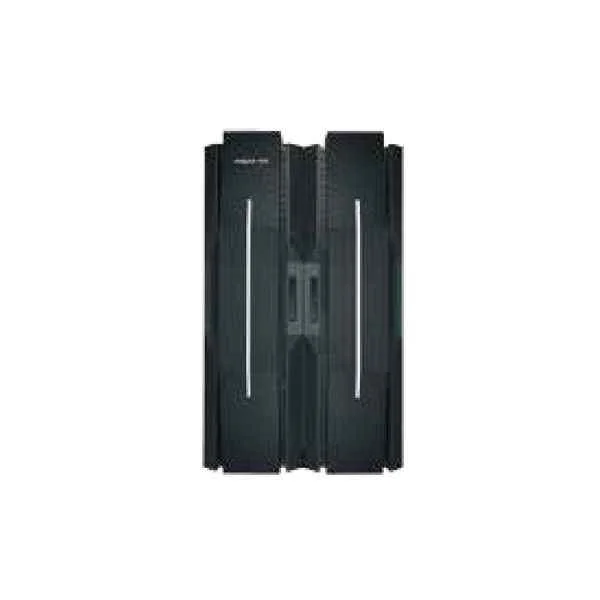
Inspur-TianSuo-M13 (Inspur TianSuo M13, up to 16 Intel® Xeon® series processors, up to 24T DDR4-2400 memory, 8-48 2.5" hard drive slots, 63000W, N+N redundancy power supplies)
4.8 (5)- Server
- Inspur
- Rackmount
- 2U
- Intel
- Intel Xeon Scalable
- Xeon 3rd Gen
Est Value In stockFirst-Time Buyer Discount – Get up to 2% additional off on your first order
ORM Rewards Earn $50 in Rewards + Free Expedited Delivery – Join Now!
Use eCoupon ORMSAVE10
eCoupon limited to 5 units
- BEST SELLING
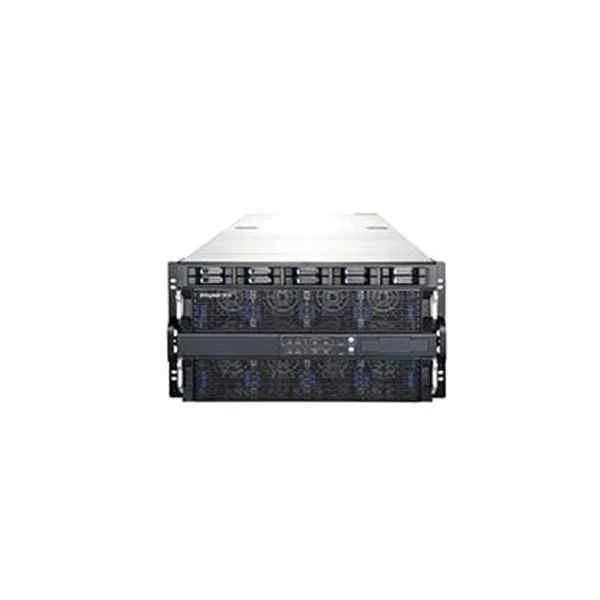
Inspur-TianSuo-K1-910 (Inspur TianSuo K1 910, 8 Intel Itanium 9500 processor modules each with 4/8 kernels, 8 slots, 32MB at the maximum Three-layered (L3) cache, DDR3 ECC with 2TB at the maximum memory)
5 (5)- Server
- Inspur
- Rackmount
- 2U
- Intel
- Intel Xeon Scalable
- Xeon 3rd Gen
Est Value In stockFirst-Time Buyer Discount – Get up to 2% additional off on your first order
ORM Rewards Earn $50 in Rewards + Free Expedited Delivery – Join Now!
Use eCoupon ORMSAVE10
eCoupon limited to 5 units
- BEST SELLING
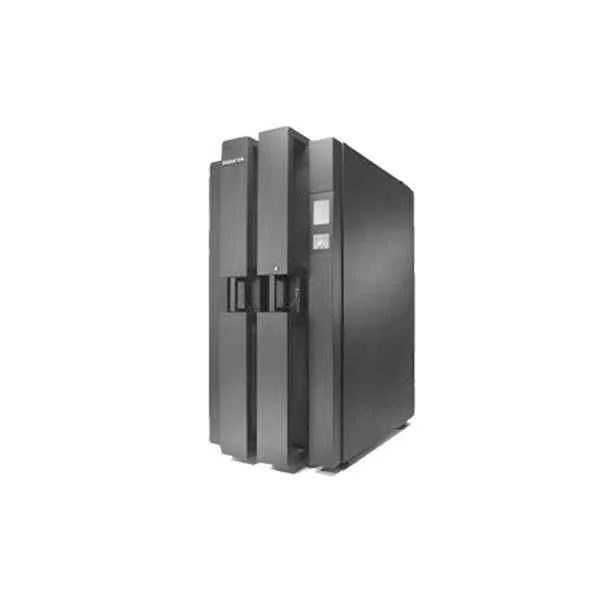
Inspur-TianSuo-K1-950 (Inspur TianSuo K1 950, 4-32 Intel Itanium 9500 processor modules each with 4/8 kernels, 4-32 slots, 32MB at the maximum Three-layered (L3) cache, 512GB-4096GB DDR3 ECC memory)
5 (5)- Server
- Inspur
- Rackmount
- 2U
- Intel
- Intel Xeon Scalable
- Xeon 3rd Gen
Est Value In stockFirst-Time Buyer Discount – Get up to 2% additional off on your first order
ORM Rewards Earn $50 in Rewards + Free Expedited Delivery – Join Now!
Use eCoupon ORMSAVE10
eCoupon limited to 5 units

ORM Sales Advisors
Buying for your business? Get a personalised quote in under 2 hours. Talk to an expert
LEARNFilters (5) 
Questions & Answers
What are Inspur Mission Critical Servers?
Inspur Mission Critical Servers are enterprise-grade systems engineered for uninterrupted operation, delivering high performance, fault tolerance, and advanced management to support mission-critical applications in data centers and IT infrastructures.
What key features define Inspur Mission Critical Servers?
Key features include hot-swappable components, redundant power and cooling, advanced error correction, integrated monitoring, and support for the latest Intel® Xeon® processors to ensure continuous service and rapid failover.
How do Inspur Mission Critical Servers ensure high availability?
They employ multi-node clustering, hot-standby failover, redundant pathways, and proactive health monitoring to detect and remediate faults automatically, minimizing downtime and service interruptions.
How scalable are Inspur Mission Critical Servers?
Inspur Mission Critical Servers offer modular expansion with up to eight CPU sockets, hundreds of DIMM slots, and flexible I/O bays, allowing seamless scaling of compute, memory, and storage resources as business needs grow.
What performance can I expect from Inspur Mission Critical Servers?
These servers deliver top-tier performance with multi-core Intel Xeon CPUs, NVMe SSD support, high-bandwidth interconnects, and low-latency memory, ensuring deterministic response times for critical workloads.
What security features are built into Inspur Mission Critical Servers?
Built-in security includes trusted platform modules (TPM), secure boot, BIOS integrity checks, runtime firmware validation, and role-based access controls to protect data and prevent unauthorized changes.
How energy-efficient are Inspur Mission Critical Servers?
Inspur utilizes high-efficiency power supplies, dynamic voltage scaling, advanced thermal design, and data-center–optimized fans to achieve up to 94% power efficiency and lower total energy costs.
Are Inspur Mission Critical Servers compatible with virtualization platforms?
Yes. They are certified for major hypervisors including VMware vSphere, Microsoft Hyper-V, and KVM, supporting live migration, high availability clusters, and virtualized resource pooling.
What management tools come with Inspur Mission Critical Servers?
Inspur ServerView Manager offers unified remote monitoring, firmware updates, automated alerts, and capacity planning dashboards accessible via web, CLI, or RESTful API for streamlined operations.
What support services does Inspur offer?
Inspur provides 24x7 global technical support, on-site hardware replacement, firmware upgrades, global spare parts logistics, and optional managed services to ensure rapid issue resolution.
Can I customize Inspur Mission Critical Servers for my workload?
Yes. Configurations can be tailored with specific CPU counts, memory sizes, storage types, network adapters, and optional accelerators (GPU/FPGA) to match application requirements.
Which industries benefit most from Inspur Mission Critical Servers?
They serve finance, telecommunications, healthcare, manufacturing, cloud service providers, and government sectors where high availability, performance, and data integrity are critical.
What compliance certifications do Inspur Mission Critical Servers hold?
They are certified for ISO 9001, ISO 27001, CE, FCC, RoHS, and meet industry regulations such as HIPAA, GDPR, and PCI DSS when configured according to guidelines.
How do Inspur Mission Critical Servers deliver a strong ROI?
By reducing unplanned downtime, optimizing energy use, consolidating virtualization, and simplifying management, they lower operational expenses and accelerate time to value.
What deployment options are available for Inspur Mission Critical Servers?
You can deploy on-premises in rack or blade form factors, integrate into private/public clouds via certified partners, or adopt Inspur’s managed hosting services for turnkey solutions.
How does Inspur guarantee server reliability?
Inspur employs rigorous system validation, real-world stress testing, proactive predictive analytics, and strict quality control in manufacturing to deliver industry-leading reliability metrics.