Worldwide


Types of Cloud Migration Strategies Explained
Simplify your cloud migration with tailored strategies that leverage advanced technologies to enhance scalability and operational efficiency across various cloud migration approaches.

Simplify your cloud migration with tailored strategies that leverage advanced technologies to enhance scalability and operational efficiency across various cloud migration approaches.

Migrate existing applications to the cloud without architectural changes, simplifying the proce...
Update and optimize your applications during migration to make them cloud-ready. Replatforming...
Redesign applications for cloud-native environments to fully leverage the cloud’s capabilities....
Switch from traditional software to cloud-based Software-as-a-Service (SaaS) solutions. This mi...
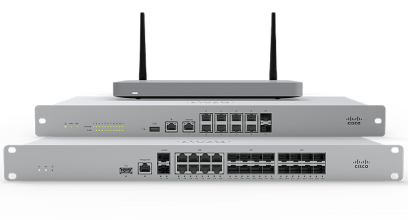
High-performance routers built for secure, scalable, enterprise network connectivity
Shop Routers
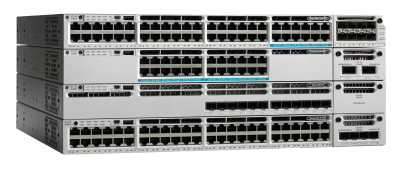
Advanced network switches enabling ultra-fast, reliable, high-capacity data transfer
Shop Switches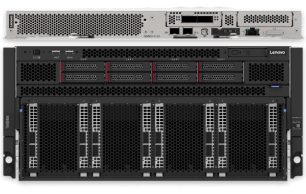
Enterprise servers designed for performance, virtualization, scalability, and demanding workloads
Shop ServersReasons to Consider Cloud Migration
Cloud migration unlocks a powerful path to business growth by enhancing scalability and performance. As demand increases, cloud infrastructure adapts instantly—eliminating the need for costly hardware investments. Businesses benefit from faster deployments, global accessibility, and optimized operations that keep pace with rapid innovation.
Beyond efficiency, the cloud offers enhanced security, built-in resilience, and greater flexibility to experiment, innovate, and evolve. Whether modernizing legacy systems or launching new services, cloud migration empowers organizations with future-ready capabilities that support long-term agility, reduce overhead, and position them ahead in a digital-first world.

Cloud Migration Timeline and Duration
The duration of a cloud migration varies based on factors like system complexity, data volume, and the chosen migration strategy. Simpler migrations may take a few weeks, while larger, more intricate projects can extend over several months due to planning, testing, and validation requirements.
A phased approach, combined with automation and detailed assessment, can streamline timelines and reduce risks. Understanding dependencies, aligning stakeholders, and preparing a clear roadmap are essential for keeping the migration on track—ensuring a smooth, timely transition without compromising performance, security, or business continuity.

Ensuring Data Security During Cloud Migration
Ensure data security during cloud migration by encrypting data in transit and at rest. This safeguards sensitive information from unauthorized access, maintaining confidentiality and integrity across cloud environments and ensuring compliance with security standards throughout the migration process and ongoing operations.
Implement secure access controls like multi-factor authentication and role-based permissions to limit exposure. Choosing a cloud provider with proven compliance certifications and robust security protocols ensures your infrastructure meets regulatory standards—giving you confidence that your data remains protected throughout the migration process and beyond.


Enhanced Scalability

Cost Efficiency

Increased Agility

Improved Performance
Should I Migrate to a Public, Private, or Hybrid Cloud?
Choose a cloud model that aligns with your business goals. Public cloud delivers scalability and cost savings, while private cloud offers greater security and control, which is ideal for managing sensitive data, regulatory compliance, and workloads requiring consistent performance and tight governance.
For many organizations, a hybrid cloud strikes the perfect balance, it combines public cloud agility with private cloud protection. This flexible approach allows businesses to move workloads strategically, optimize resources, and respond quickly to changing demands without compromising on performance or governance.