Worldwide


Foundation of Distributed CCAP (D-CCAP) Technology
D-CCAP decentralizes traditional CCAP functions by relocating processing tasks closer to subscribers, enhancing broadband delivery, scalability, and network efficiency.

D-CCAP decentralizes traditional CCAP functions by relocating processing tasks closer to subscribers, enhancing broadband delivery, scalability, and network efficiency.

D-CCAP separates MAC and PHY layers, distributing them to remote locations, minimizing headend...
By moving processing closer to the user, D-CCAP reduces latency, improves bandwidth utilization...
D-CCAP supports seamless scaling to DOCSIS 3.1 and 4.0, enabling multi-gigabit broadband across...
D-CCAP minimizes backhaul congestion, streamlines upgrade processes, and reduces power consumpt...
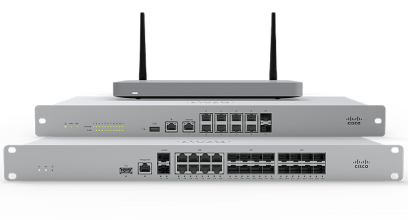
High-performance routers built for secure, scalable, enterprise network connectivity
Shop Routers
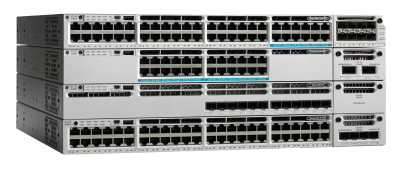
Advanced network switches enabling ultra-fast, reliable, high-capacity data transfer
Shop Switches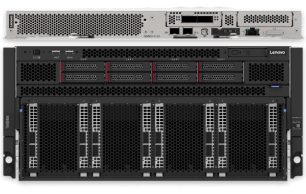
Enterprise servers designed for performance, virtualization, scalability, and demanding workloads
Shop ServersSupporting DOCSIS 3.1 and 4.0
D-CCAP (Distributed Converged Cable Access Platform) decentralizes MAC and PHY functions, moving processing closer to the edge. This architecture simplifies network upgrades, reduces latency, and improves scalability—making it ideal for operators aiming to support high-bandwidth services and future-ready DOCSIS 3.1 and 4.0 rollouts.
By distributing processing, D-CCAP significantly reduces backhaul demand and enhances network performance in high-traffic areas. It streamlines broadband service delivery, maximizes resource efficiency, and facilitates seamless transitions to virtualized, software-defined architectures—empowering operators with greater scalability, flexibility, and readiness for next-generation connectivity and innovation.

Optimizing Fiber-Deep Architectures with D-CCAP
D-CCAP is a game-changer for fiber-deep networks, placing MAC and PHY processing closer to subscribers. This edge-based approach minimizes the distance data travels, resulting in significantly lower latency and more responsive service. It’s a smart move for ISPs looking to future-proof their infrastructure.
By easing the load on centralized systems, D-CCAP also reduces backhaul congestion, improving overall bandwidth efficiency. This architecture is especially effective in high-density areas where user demand is high. For operators, it means delivering faster, more consistent broadband while preparing for DOCSIS 4.0 and beyond.

Enhancing Service Quality with Distributed Architecture
By moving processing to the network edge, D-CCAP reduces latency and jitter, enabling faster, more reliable service. This proximity shortens data paths, enhances responsiveness, and delivers smoother experiences for video, voice, and broadband—meeting the demands of today’s high-performance, low-latency digital applications.
The result is enhanced video streaming, voice clarity, and overall broadband quality—crucial for today’s high-bandwidth applications and digital lifestyles. D-CCAP’s architecture makes networks more resilient and responsive, positioning operators to meet growing user demands with greater efficiency and superior service delivery.


Cable Service Providers

Multi-System Operators (MSOs)
Regional Broadband Operators

International Telecom Providers
Integrating D-CCAP with Existing Legacy Systems
D-CCAP solutions offer flexible integration with legacy CMTS and HFC infrastructures, enabling operators to deploy next-gen capabilities without full system overhauls. This approach reduces costs, preserves existing services, and ensures a smooth, non-disruptive transition to enhanced broadband performance and future-ready network architectures.
With this hybrid approach, service providers can adopt D-CCAP in phases, upgrading segments of the network while preserving stability. It’s an ideal strategy for scaling broadband performance, enhancing efficiency, and preparing for DOCSIS 4.0—without the risks or disruptions of a full infrastructure replacement.