Worldwide


Core Components of a GPON Architecture
A GPON system consists of essential elements that work together to deliver high-speed, scalable fiber-optic connectivity to end users.

A GPON system consists of essential elements that work together to deliver high-speed, scalable fiber-optic connectivity to end users.

The OLT is located at the service provider’s central office and manages signal distribution and...
Installed at the user’s premises, the ONT converts optical signals into usable data for interne...
Splitters divide a single optical signal from the OLT into multiple paths, enabling multiple us...
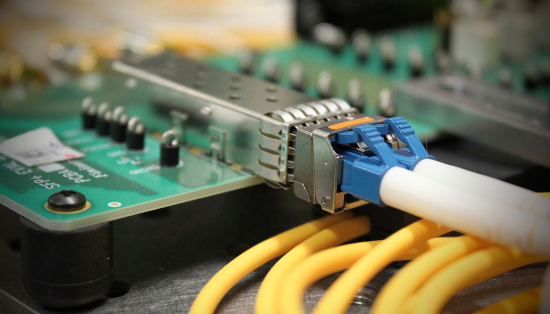
Fiber cabling connects the OLT to ONTs via optical splitters, forming the physical foundation o...
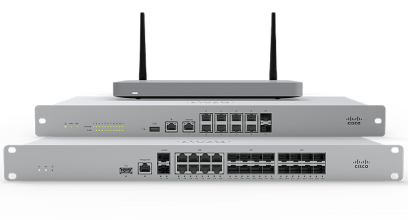
High-performance routers built for secure, scalable, enterprise network connectivity
Shop Routers
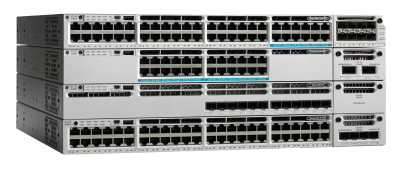
Advanced network switches enabling ultra-fast, reliable, high-capacity data transfer
Shop Switches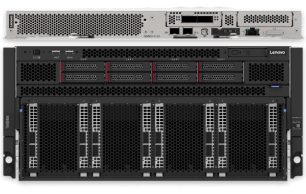
Enterprise servers designed for performance, virtualization, scalability, and demanding workloads
Shop ServersGPON Performance and Speed Capabilities
Gigabit Passive Optical Network (GPON) delivers downstream speeds up to 2.5 Gbps and upstream speeds up to 1.25 Gbps, making it ideal for high-bandwidth applications. It supports seamless connectivity for residential and business users, enabling smooth streaming, cloud access, and efficient data transfer.
With its high capacity, GPON enables smooth streaming, video conferencing, cloud access, and large data transfers without performance issues. Its passive design also reduces power consumption and maintenance costs, offering a scalable and cost-effective solution for delivering fast, reliable connectivity across multiple users simultaneously.

Common Deployment Scenarios for GPON Technology
GPON technology is widely used in Fiber to the Home (FTTH) deployments, delivering high-speed, reliable broadband directly to residences. Its robust bandwidth capabilities make it ideal for supporting multiple users, streaming services, and smart home technologies with minimal latency and consistent performance across the network.
Beyond homes, GPON is embraced by enterprises, hospitality providers, campuses, and smart cities to power next-generation connectivity. It supports seamless data transmission, centralized management, and scalable growth—enabling efficient digital services, improved user experiences, and cost-effective infrastructure for high-density environments that demand reliable, high-speed internet access.

Security and Reliability Features of GPON Networks
GPON technology provides secure, reliable connectivity through encrypted data transmission, safeguarding user information across the network. It ensures consistent performance even under high demand, making it a strong choice for modern digital infrastructures that require dependable, high-speed broadband for seamless operations and enhanced data protection.
With low latency and stable connections, GPON supports seamless streaming, cloud access, and real-time communication. Its dependable performance and robust security features make it a preferred choice for businesses, residential areas, and public services seeking scalable, high-speed internet with enhanced protection and minimal downtime.
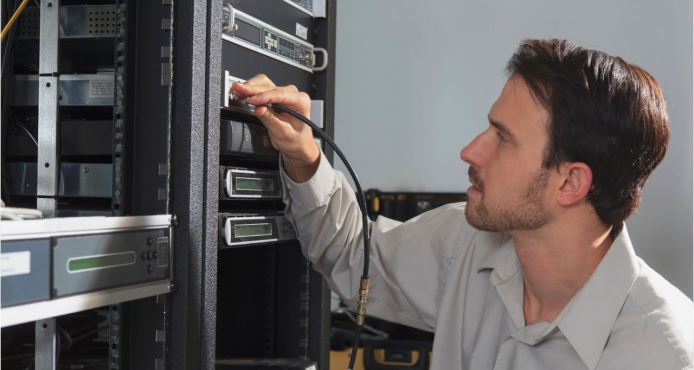

Centralized OLT Installation
Fiber Deployment to Splitters

ONT Setup at Endpoints

Passive Maintenance and Monitoring
Installing and Maintaining a Reliable GPON Network
GPON installation involves connecting Optical Line Terminals (OLTs) at the provider’s end to Optical Network Terminals (ONTs) at the user’s premises. These connections are made through passive optical splitters, which divide the signal efficiently without requiring electrical power—creating a streamlined and energy-efficient network.
The use of passive components reduces maintenance complexity and long-term operational costs. With fewer active elements, the system is easier to monitor and more reliable over time. This architecture makes GPON a scalable, low-maintenance solution perfect for delivering high-speed broadband across large residential, and campus environments.