Worldwide


Industries Benefiting from Industry Cloud Solutions
Industry cloud solutions benefit sectors with specific regulatory, operational, or technological requirements, offering tailored features to optimize performance and efficiency.

Industry cloud solutions benefit sectors with specific regulatory, operational, or technological requirements, offering tailored features to optimize performance and efficiency.

Cloud solutions enable healthcare providers to manage patient data effectively, ensure regulato...
Financial institutions leverage industry cloud solutions to facilitate secure transactions, ens...
Manufacturers utilize cloud solutions to optimize their supply chains, enhance inventory manage...
Cloud solutions enable retailers to deliver personalized experiences, track inventory, gain sal...
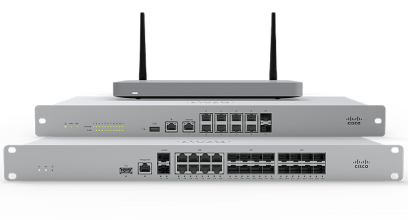
High-performance routers built for secure, scalable, enterprise network connectivity
Shop Routers
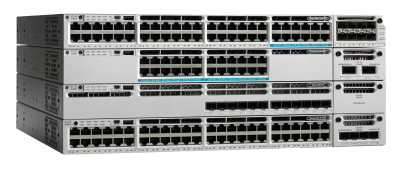
Advanced network switches enabling ultra-fast, reliable, high-capacity data transfer
Shop Switches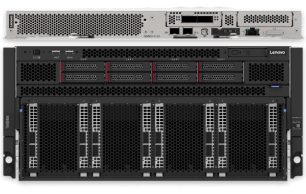
Enterprise servers designed for performance, virtualization, scalability, and demanding workloads
Shop ServersSecurity of Industry Cloud Solutions
Industry cloud solutions offer advanced security with encryption, identity access controls, and compliance measures tailored to specific sectors. These built-in protections ensure sensitive data is securely stored, accessed, and managed, providing reliable defense across cloud environments while meeting strict regulatory and industry-specific requirements.
With real-time monitoring and threat detection, industry clouds proactively identify and mitigate risks before they impact operations. This approach not only safeguards critical information but also helps businesses maintain trust and meet industry-specific standards—making these cloud platforms ideal for sectors like healthcare and manufacturing

Improving Operational Efficiency with Industry Cloud Solutions
Industry cloud solutions revolutionize operations by streamlining processes and automating routine tasks. By integrating sector-specific tools and workflows, these platforms reduce manual effort, eliminate redundancies, and accelerate time-to-value—allowing teams to focus on innovation and higher-impact activities rather than repetitive administration.
In addition, they enhance collaboration through centralized access to shared data and services, enabling teams to work seamlessly across locations. Real-time insights empower faster, smarter decision-making, helping organizations stay agile and competitive. This blend of automation and intelligence drives measurable improvements in business performance.

Long-Term Benefits of Industry Cloud Solutions
Industry cloud solutions reduce operational costs by minimizing infrastructure needs and optimizing resource usage. Their scalable design allows businesses to grow efficiently, adapt quickly to market changes, and avoid large upfront investments—making expansion more flexible, cost-effective, and aligned with evolving business demands.
These solutions also enhance security through built-in compliance and monitoring features while supporting innovation with industry-specific tools and advanced analytics. By aligning technology with business needs, industry clouds drive long-term competitiveness and sustainable success, positioning companies to lead in an increasingly dynamic global market.


Assess Your Business Needs

Consider Security and Compliance

Evaluate Integration Capabilities

Analyze Scalability and Flexibility
Integrating Industry Cloud Solutions with Existing Systems
Industry cloud solutions integrate smoothly with existing legacy systems, preserving past investments while enhancing overall functionality. They bridge the gap between traditional infrastructure and modern applications, allowing businesses to modernize operations without disruptive overhauls—ensuring continuity, stability, and improved performance across all departments.
By streamlining workflows and automating tasks, these solutions boost efficiency and simplify complex processes. They help maintain consistent operations while opening doors to innovation, enabling organizations to evolve. This integration supports digital transformation while respecting the structure of legacy environments still critical to daily operations.