Worldwide


Understanding the Various Types of Networks
Networks vary by scale and purpose, including LAN, WAN, WLAN, and SDN, each tailored for specific connectivity requirements.

Networks vary by scale and purpose, including LAN, WAN, WLAN, and SDN, each tailored for specific connectivity requirements.

A LAN connects devices within a limited area, such as an office or home, enabling fast and secu...
WANs span large geographic areas, linking multiple LANs together, typically using leased teleco...
WLAN uses wireless communication, allowing mobile devices to connect to the network without phy...
SDN separates network management from hardware, enabling dynamic and programmable network confi...
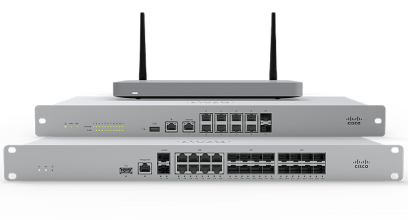
High-performance routers built for secure, scalable, enterprise network connectivity
Shop Routers
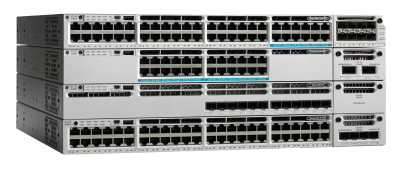
Advanced network switches enabling ultra-fast, reliable, high-capacity data transfer
Shop Switches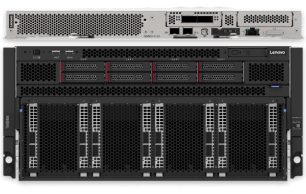
Enterprise servers designed for performance, virtualization, scalability, and demanding workloads
Shop ServersThe Importance of Networking for Businesses
Networking is the backbone of modern business, enabling secure communication, seamless data sharing, and efficient resource access across teams and locations. It supports collaboration, real-time decision-making, and streamlined workflows, making it essential for day-to-day operations and maintaining a competitive edge in fast-paced industries.
Beyond daily tasks, strong networking infrastructure enhances efficiency and supports scalability as businesses grow. It ensures continuity by maintaining connectivity during disruptions and empowers organizations to adopt emerging technologies confidently—creating a foundation for sustained innovation, and long-term digital success in an increasingly connected world.

Role of IP Addresses in Networking
An IP address uniquely identifies each device on a network, enabling it to send and receive data accurately. It ensures proper communication and routing across connected systems, playing a vital role in seamless data exchange within local networks and across the broader internet.
By enabling proper routing, IP addresses ensure that data reaches the correct destination. They are essential for accessing websites, connecting to servers, and supporting internet-based applications. Without IP addresses, devices couldn’t interact on local or global networks—making them a fundamental component of digital communication.

How Wireless Networks Function
Wireless networks use radio waves to transmit data between devices, eliminating the need for physical cables. This technology enables users to connect laptops, smartphones, and other devices seamlessly, promoting mobility and flexibility across offices, homes, and public spaces with minimal setup or restrictions.
By supporting cable-free connectivity, wireless networks enhance collaboration, productivity, and convenience. They allow employees to work from anywhere within a coverage area, streamline device management, and reduce infrastructure costs—making them an essential component of modern digital environments that demand speed, scalability, and reliable communication.


Scalability Issues

Security Threats

Downtime and Reliability

Complex Configuration Management
Expanding Network Infrastructure to Support Business Growth
Businesses can efficiently scale their networks by using modular hardware, allowing for easy upgrades and expansions without replacing infrastructure. This flexible approach ensures the network can adapt to growing business demands while maintaining stability, consistent performance, and long-term investment value in a changing digital landscape.
Cloud networking and automation further enhance scalability by simplifying management and optimizing resource allocation. These technologies enable rapid deployment and seamless integration across locations. Together, they provide businesses with a future-ready networking approach—one that supports growth, efficiency, and adapts easily to changing technological needs.