Worldwide


Understanding Passive Optical LAN (POL) Technology
Passive Optical LAN (POL) is a fiber-based networking solution that simplifies infrastructure while delivering secure, high-speed, scalable connectivity.

Passive Optical LAN (POL) is a fiber-based networking solution that simplifies infrastructure while delivering secure, high-speed, scalable connectivity.

POL uses fiber instead of copper cabling, allowing extended transmission distances and deliveri...
POL uses centralized OLTs and splitters, eliminating intermediate switches and simplifying netw...
POL supports thousands of endpoints through a single infrastructure, providing voice, video, an...
Fewer active components mean lower power consumption, reduced cooling needs, and long-term savi...
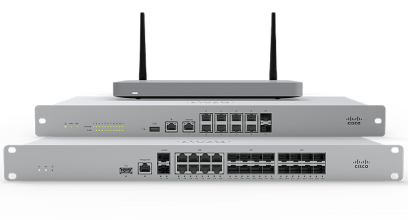
High-performance routers built for secure, scalable, enterprise network connectivity
Shop Routers
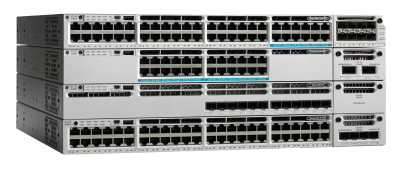
Advanced network switches enabling ultra-fast, reliable, high-capacity data transfer
Shop Switches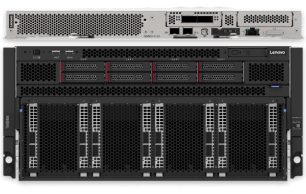
Enterprise servers designed for performance, virtualization, scalability, and demanding workloads
Shop ServersPOL for Various Organizational Environments
Passive Optical LAN (POL) is an ideal solution for enterprises, campuses, hospitality, and healthcare environments seeking high-performance, future-ready connectivity. By replacing traditional copper-based infrastructure with fiber optics, POL delivers scalable bandwidth, reduced energy consumption, and simplified architecture—all while improving speed and long-term cost efficiency.
Its centralized management and minimal cabling make POL easier to deploy and maintain across large or complex sites. With high reliability, enhanced security, and support for multiple services over a single fiber, POL is perfectly suited to meet the evolving demands of modern, connected environments.

Typical Deployment Structure of Passive Optical LAN
Passive Optical LAN (POL) simplifies network infrastructure by deploying fiber optic cables from a central Optical Line Terminal (OLT) to strategically placed optical splitters. This design eliminates the need for multiple intermediate switches and reduces cabling, creating a cleaner, more efficient network architecture.
From the splitters, fiber extends to Optical Network Terminals at user endpoints, delivering high-speed connectivity directly to devices. This setup not only boosts performance and reliability but also lowers maintenance and energy costs—making POL an attractive, scalable solution for modern enterprises seeking long-term efficiency.

Maintenance Requirements for POL Systems
Passive Optical LAN (POL) offers significant maintenance advantages thanks to its use of passive components like splitters and fiber cabling. With no active electronics between the central OLT and endpoints, the system experiences fewer failures, reducing operational complexity and minimizing the risk of unexpected downtime.
This design also consumes less power and generates less heat, lowering energy costs and the need for active cooling systems. As a result, POL requires less long-term support—making it a highly efficient, cost-effective solution for organizations prioritizing sustainability, and reliability in their network infrastructure.


Simplified Infrastructure

Energy Efficiency

High Bandwidth Support

Long-Term Cost Savings
Standard Deployment Architecture for Passive Optical LAN Systems
Passive Optical LAN (POL) is deployed by linking centralized Optical Line Terminals (OLTs) to optical splitters that distribute the signal efficiently across the network. This architecture eliminates the need for multiple active devices, streamlining the infrastructure and reducing installation and maintenance complexity.
From the splitters, fiber optic cables are extended to Optical Network Terminals (ONTs) located at user endpoints, delivering high-speed connectivity directly to devices. This setup ensures consistent performance and simplified management—making POL an ideal choice for large, high-demand environments like enterprises, and healthcare facilities.