 United States
Switches Cisco Catalyst 6500
Cisco Catalyst 6500 switches redefine core network performance through high throughput, robust security, and flexible expansion. Ideal for building resilient enterprise infrastructures with reliable, long-term scalability and superior traffic management.
Talk to an expert
20 Matching results
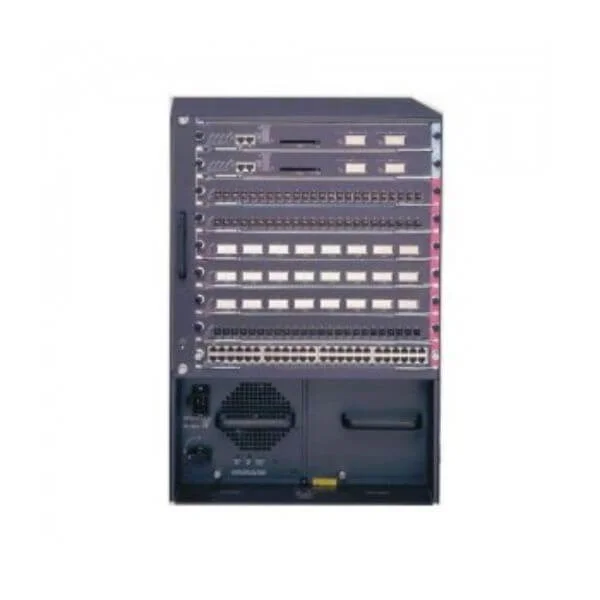
WS-C6509-E (Catalyst 6500 Enhanced 9-slot chassis, 15RU, no PS, no Fan Tray)
4.6 (5)- Switch
- Cisco
- Redundant Power Supply
- Layer 2 / Layer 3
- Chassis
- Over 48 Ports
Est Value $9,611.00
$152.25
98.4% offIn stockNewRefurbishedFirst-Time Buyer Discount – Get up to 2% additional off on your first order
ORM Rewards Earn $50 in Rewards + Free Expedited Delivery – Join Now!
Use eCoupon ORMSAVE10
eCoupon limited to 5 units
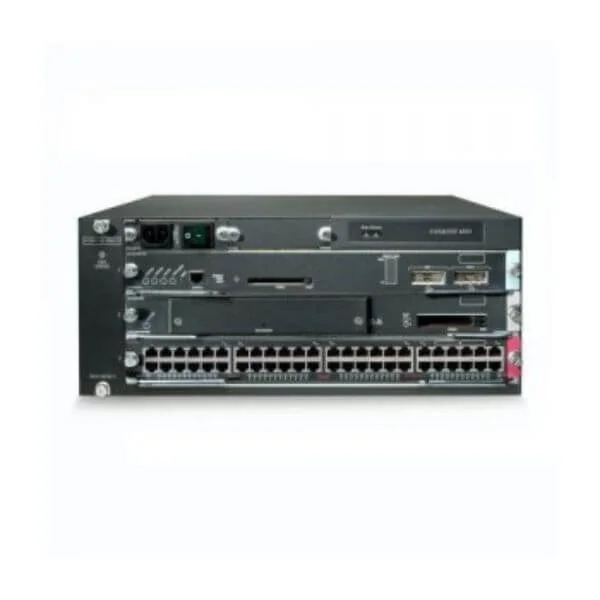
WS-C6503E-CSM (CSM, 6503, Sup720 Bundle)
4.6 (5)- Switch
- Cisco
- Redundant Power Supply / AC Power Supply
- Layer 2 / Layer 3
- Chassis
Est Value $7,209.00$1,081.50
85% offIn stockRefurbishedFirst-Time Buyer Discount – Get up to 2% additional off on your first order
ORM Rewards Earn $50 in Rewards + Free Expedited Delivery – Join Now!
Use eCoupon ORMSAVE10
eCoupon limited to 5 units
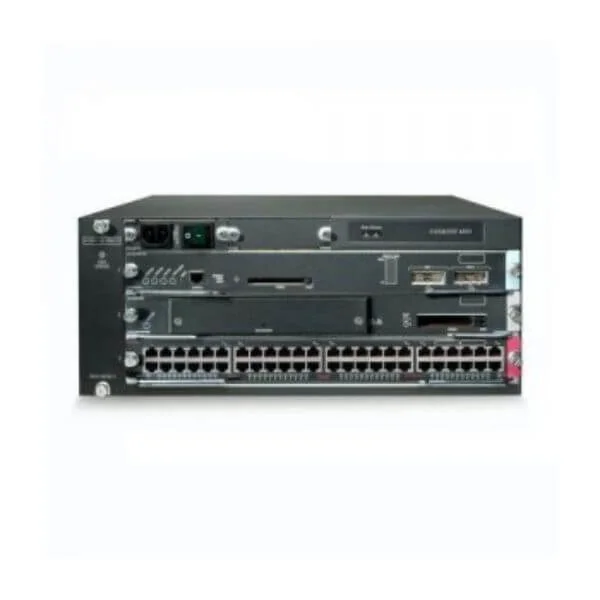
WS-C6503-E (Catalyst 6500 Enhanced 3-slot chassis, 4RU, no PS, no Fan Tray)
4.6 (5)- Switch
- Cisco
- Redundant Power Supply / AC Power Supply
- Layer 2 / Layer 3
- Chassis
- 24–48 Ports
Est Value $5,311.00$3,321.15
37.5% offIn stockNewRefurbishedFirst-Time Buyer Discount – Get up to 2% additional off on your first order
ORM Rewards Earn $50 in Rewards + Free Expedited Delivery – Join Now!
Use eCoupon ORMSAVE10
eCoupon limited to 5 units
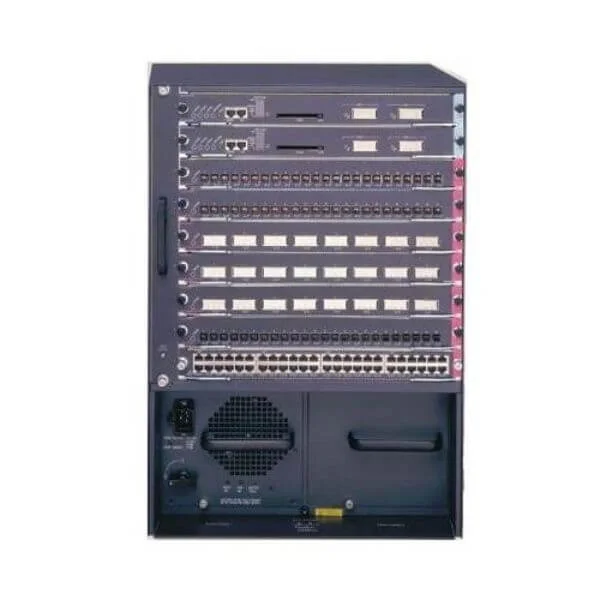
VS-C6506E-S720-10G (CATALYST CHASSIS+FAN TRAY+SUP720-10G IP BASE ONLY INCL)
4.6 (5)- Switch
- Cisco
- Redundant Power Supply / AC Power Supply
- Layer 2 / Layer 3
- Chassis
- 350W
- Over 48 Ports
Est Value $50,392.65
In stockNewRefurbishedFirst-Time Buyer Discount – Get up to 2% additional off on your first order
ORM Rewards Earn $50 in Rewards + Free Expedited Delivery – Join Now!
Use eCoupon ORMSAVE10
eCoupon limited to 5 units
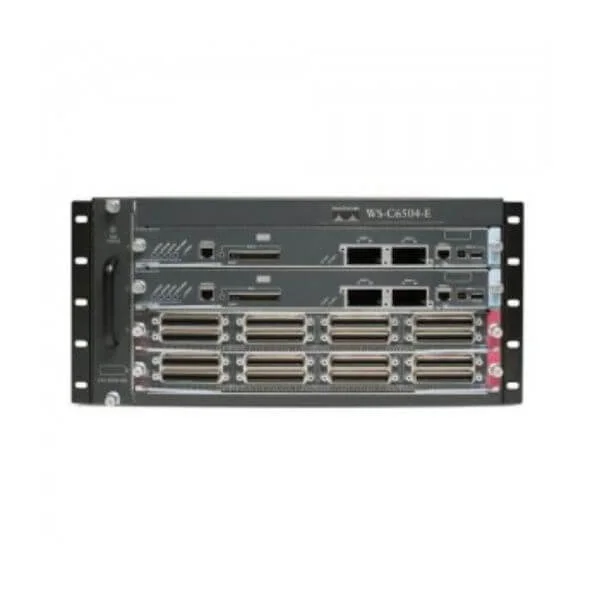
WS-C6504E-S32P-GE (Cat6504E chassis, WS-S32-GE-PISA, Fan Tray (req.P/S))
4.8 (5)- Switch
- Cisco
- Redundant Power Supply / AC Power Supply / N/A
- Layer 2 / Layer 3
- Chassis
- 24–48 Ports
Est Value $1,836.88$1,568.07
14.6% offIn stockRefurbishedFirst-Time Buyer Discount – Get up to 2% additional off on your first order
ORM Rewards Earn $50 in Rewards + Free Expedited Delivery – Join Now!
Use eCoupon ORMSAVE10
eCoupon limited to 5 units
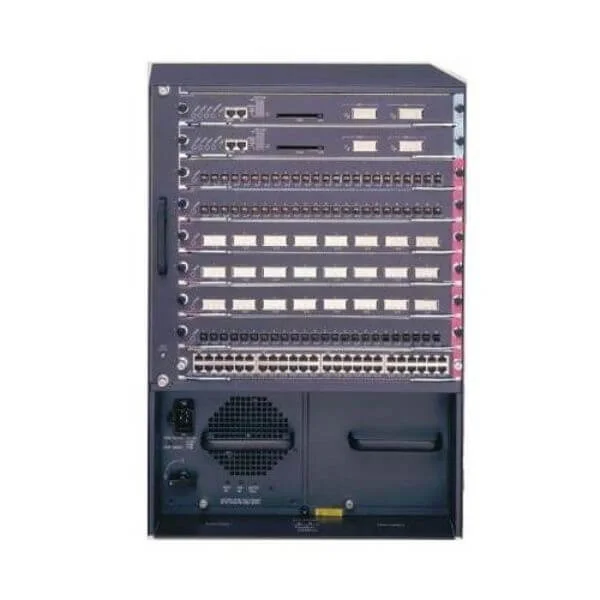
VS-C6509VE-S72010G (CAT 6509-V-E-CHASSIS+FAN TRAY+ SUP720-10G-VSS REQUIRES PWR SUPPLY)
4.8 (5)- Switch
- Cisco
- Redundant Power Supply / AC Power Supply
- Layer 2 / Layer 3
- Chassis
- 24–48 Ports
Est Value $54,624.00$2,125.20
96.1% offIn stockNewRefurbishedFirst-Time Buyer Discount – Get up to 2% additional off on your first order
ORM Rewards Earn $50 in Rewards + Free Expedited Delivery – Join Now!
Use eCoupon ORMSAVE10
eCoupon limited to 5 units
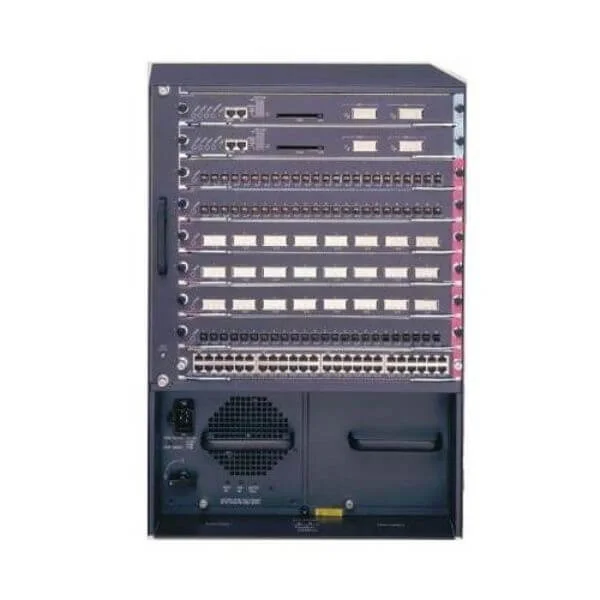
WS-C6509E-S32-10GE (Cat6509E chassis, WS-SUP32-10GE-3B, Fan Tray (req.P/S))
4.4 (5)- Switch
- Cisco
- Redundant Power Supply / AC Power Supply
- Layer 2 / Layer 3
- Chassis
- Over 48 Ports
Est Value $11,591.00$1,738.80
85% offIn stockRefurbishedFirst-Time Buyer Discount – Get up to 2% additional off on your first order
ORM Rewards Earn $50 in Rewards + Free Expedited Delivery – Join Now!
Use eCoupon ORMSAVE10
eCoupon limited to 5 units
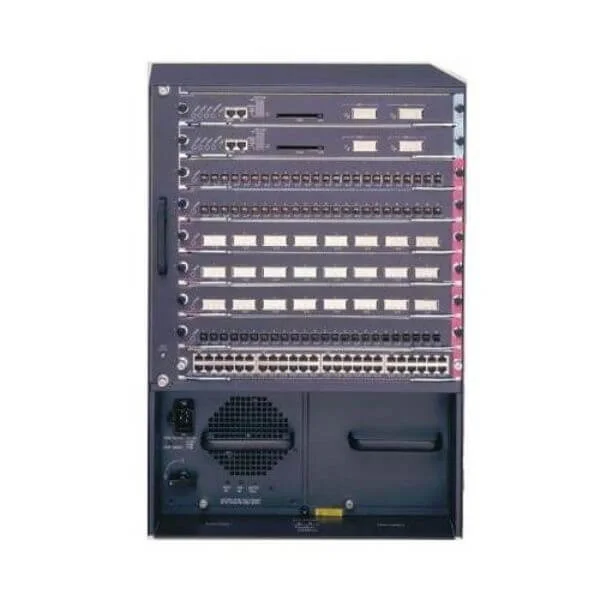
WS-C6509E-S32P-GE (Cat6509E chassis, WS-S32-GE-PISA, Fan Tray (req.P/S))
4.6 (5)- Switch
- Cisco
- Redundant Power Supply
- Layer 2 / Layer 3
- Chassis
- 600 W
- 24–48 Ports
Est Value $14,842.00$2,226.42
85% offIn stockRefurbishedFirst-Time Buyer Discount – Get up to 2% additional off on your first order
ORM Rewards Earn $50 in Rewards + Free Expedited Delivery – Join Now!
Use eCoupon ORMSAVE10
eCoupon limited to 5 units
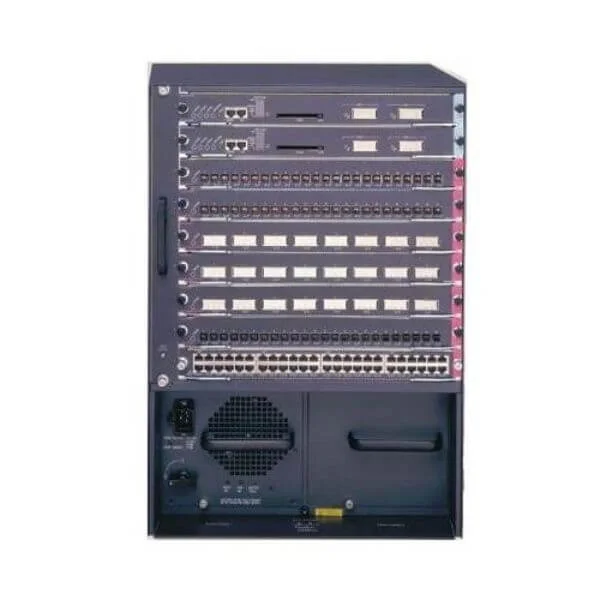
WS-C6509-E-VPN+-K9 (CISCO CATALYST 6509E IPSEC VPN SPA SECURITY SYSTEM)
4.4 (5)- Switch
- Cisco
- Redundant Power Supply / AC Power Supply
- Layer 2 / Layer 3
- Chassis
Est Value $15,462.00$2,319.45
85% offIn stockRefurbishedFirst-Time Buyer Discount – Get up to 2% additional off on your first order
ORM Rewards Earn $50 in Rewards + Free Expedited Delivery – Join Now!
Use eCoupon ORMSAVE10
eCoupon limited to 5 units
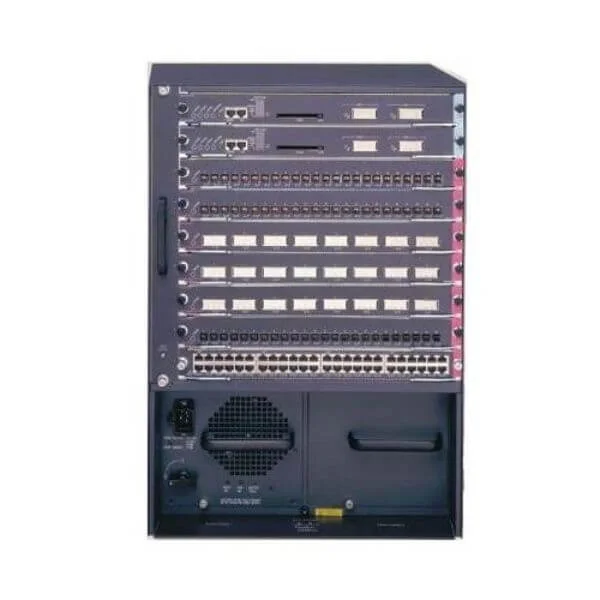
WS-C6509E-S32-GE (Cisco Catalyst switch 6509E, WS-SUP32-GE-3B, Fan Tray (req. P/S))
4.2 (5)- Switch
- Cisco
- Redundant Power Supply / AC Power Supply
- Layer 2 / Layer 3
- Chassis
- 24–48 Ports
Est Value $15,555.00$2,333.26
85% offIn stockRefurbishedFirst-Time Buyer Discount – Get up to 2% additional off on your first order
ORM Rewards Earn $50 in Rewards + Free Expedited Delivery – Join Now!
Use eCoupon ORMSAVE10
eCoupon limited to 5 units
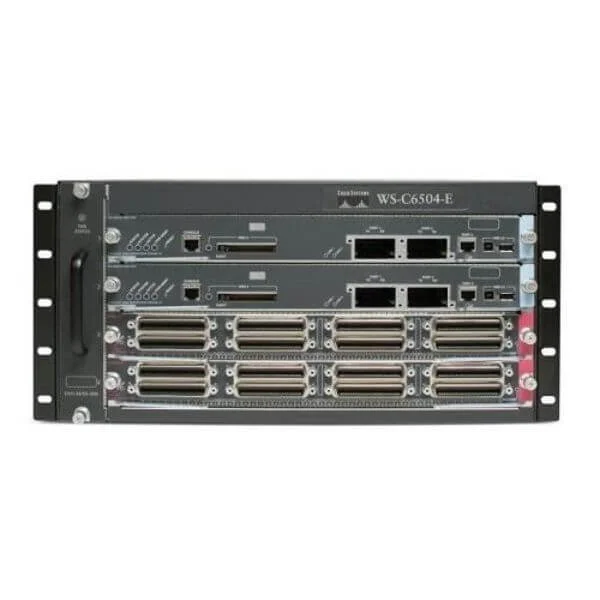
WS-C6504E-S32P10GE (Cat6504E chassis, WS-S32-10GE-PISA, Fan Tray (req.P/S))
4.6 (5)- Switch
- Cisco
- Redundant Power Supply / AC Power Supply
- Layer 2 / Layer 3
- Chassis
- 24–48 Ports
Est Value $20,283.00$3,042.49
85% offIn stockRefurbishedFirst-Time Buyer Discount – Get up to 2% additional off on your first order
ORM Rewards Earn $50 in Rewards + Free Expedited Delivery – Join Now!
Use eCoupon ORMSAVE10
eCoupon limited to 5 units
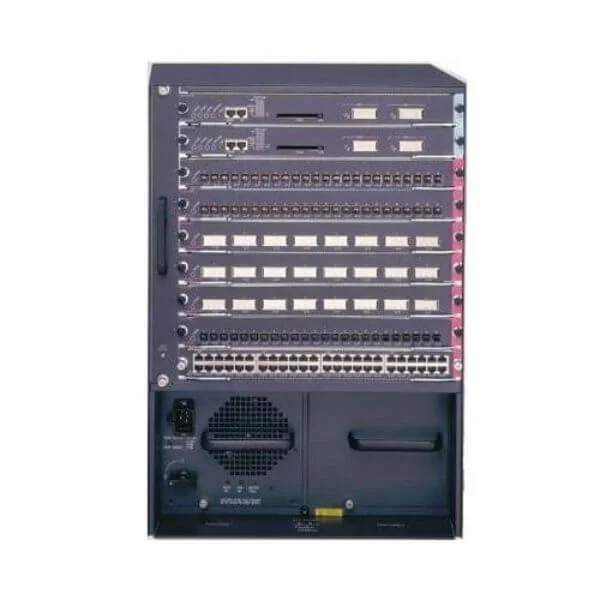
WS-C6509E-S32P10GE (Cat6509E chassis, WS-S32-10GE-PISA, Fan Tray (req.P/S))
4.6 (5)- Switch
- Cisco
- Redundant Power Supply / AC Power Supply
- Layer 2 / Layer 3
- Chassis
- Over 48 Ports
Est Value $22,112.00$3,316.95
85% offIn stockRefurbishedFirst-Time Buyer Discount – Get up to 2% additional off on your first order
ORM Rewards Earn $50 in Rewards + Free Expedited Delivery – Join Now!
Use eCoupon ORMSAVE10
eCoupon limited to 5 units
WS-C6506-E-FWM-K9 (Cisco Catalyst switch 6506E Firewall Security System)
4.6 (5)- Supervisor Module
- Cisco
- Redundant Power Supply
- Layer 2 / Layer 3
- Chassis
- 530 W
- Under 12 Ports
Est Value $23,084.00$3,462.62
85% offIn stockRefurbishedFirst-Time Buyer Discount – Get up to 2% additional off on your first order
ORM Rewards Earn $50 in Rewards + Free Expedited Delivery – Join Now!
Use eCoupon ORMSAVE10
eCoupon limited to 5 units
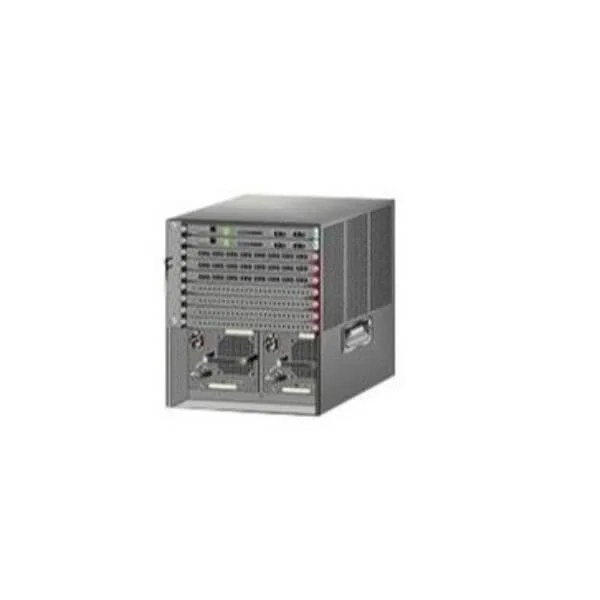
VS-C6509E-S720-10G (CAT 6509-E-CHASSIS+FAN TRAY+ SUP720-10G-VSS REQUIRES PWR SUPPLY)
4.6 (5)- Switch
- Cisco
- Redundant Power Supply / AC Power Supply
- Layer 2 / Layer 3
- Chassis
- Over 48 Ports
Est Value $52,601.00$2,259.36
95.7% offIn stockNewRefurbishedFirst-Time Buyer Discount – Get up to 2% additional off on your first order
ORM Rewards Earn $50 in Rewards + Free Expedited Delivery – Join Now!
Use eCoupon ORMSAVE10
eCoupon limited to 5 units
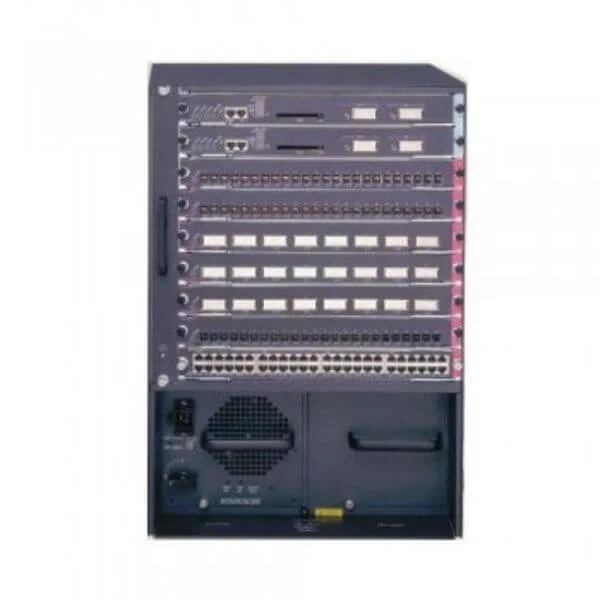
WS-C6509-E-FWM-K9 (Cisco Catalyst switch 6509E Firewall Security System)
4.4 (5)- Switch
- Cisco
- Redundant Power Supply / AC Power Supply
- Layer 2 / Layer 3
- Chassis
- Over 48 Ports
Est Value $27,544.00$4,131.75
85% offIn stockRefurbishedFirst-Time Buyer Discount – Get up to 2% additional off on your first order
ORM Rewards Earn $50 in Rewards + Free Expedited Delivery – Join Now!
Use eCoupon ORMSAVE10
eCoupon limited to 5 units
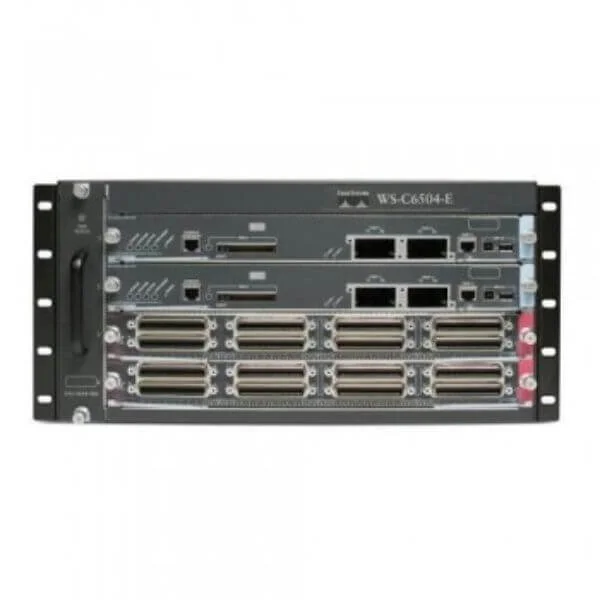
VS-C6504E-S720-10G (CAT 6504-E-CHASSIS+FAN TRAY+ SUP720-10G-VSS REQUIRES PWR SUPPLY)
4.6 (5)- Switch
- Cisco
- Redundant Power Supply / AC Power Supply
- Layer 2 / Layer 3
- Rack-mount
- 24–48 Ports
Est Value $46,030.00$4,848.90
89.5% offIn stockNewRefurbishedFirst-Time Buyer Discount – Get up to 2% additional off on your first order
ORM Rewards Earn $50 in Rewards + Free Expedited Delivery – Join Now!
Use eCoupon ORMSAVE10
eCoupon limited to 5 units
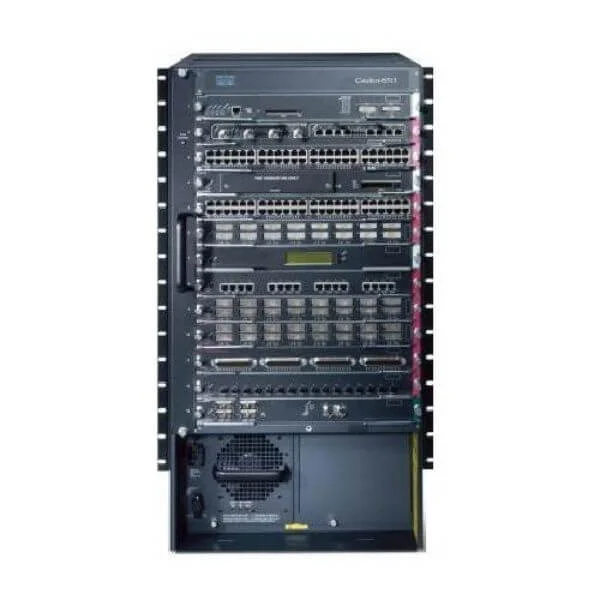
VS-C6513-S720-10G (Cisco Catalyst switch Chassis+Fan Tray+Sup720-10G; IP Base ONLY incl. VSS)
4.6 (5)- Switch
- Cisco
- AC Power Supply
- Layer 2 / Layer 3
- Rack-mount
- 24–48 Ports
Est Value $32,325.00$4,848.90
85% offIn stockRefurbishedFirst-Time Buyer Discount – Get up to 2% additional off on your first order
ORM Rewards Earn $50 in Rewards + Free Expedited Delivery – Join Now!
Use eCoupon ORMSAVE10
eCoupon limited to 5 units
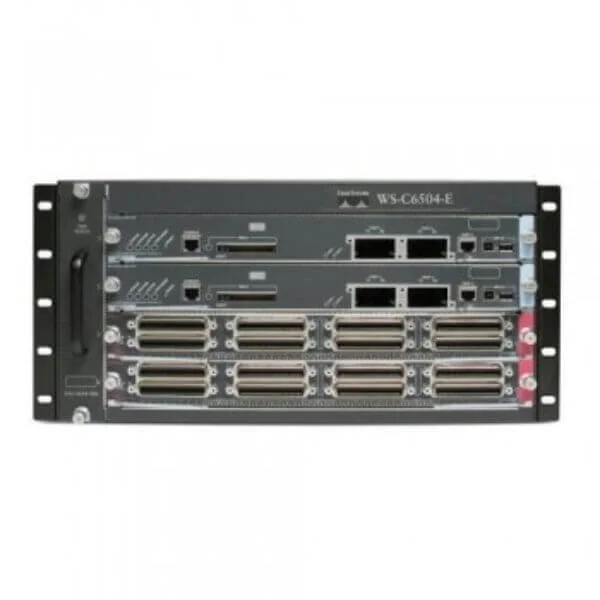
WS-C6504-E-WISM (Cat 6504-E WiSM bundle(SUP720-3B,WiSM, Fan Tray, (2) P/S))
4.4 (5)- Switch
- Cisco
- Redundant Power Supply / AC Power Supply
- Layer 2 / Layer 3
- Chassis
Est Value $50,644.00$7,596.75
85% offIn stockRefurbishedFirst-Time Buyer Discount – Get up to 2% additional off on your first order
ORM Rewards Earn $50 in Rewards + Free Expedited Delivery – Join Now!
Use eCoupon ORMSAVE10
eCoupon limited to 5 units
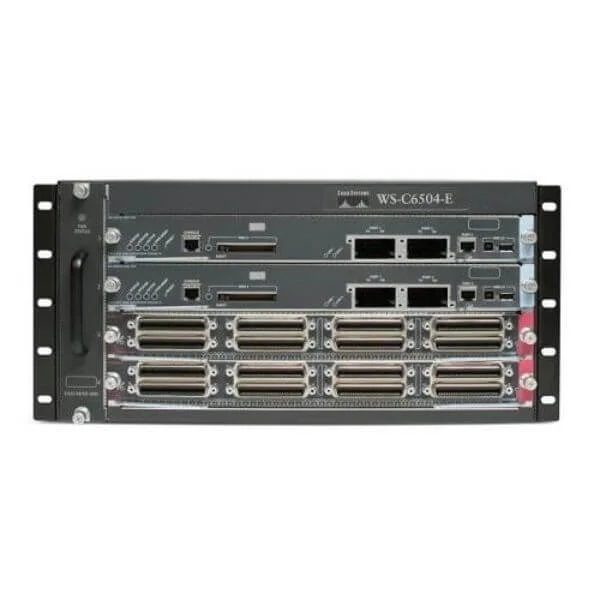
WS-C6504-E (Catalyst 6500 Enhanced 4-slot chassis, 5RU, no PS, no Fan Tray)
4.6 (5)- Switch
- Cisco
- Redundant Power Supply / AC Power Supply
- Layer 2 / Layer 3
- Chassis
- Over 48 Ports
Est Value $795.41
In stockNewRefurbishedFirst-Time Buyer Discount – Get up to 2% additional off on your first order
ORM Rewards Earn $50 in Rewards + Free Expedited Delivery – Join Now!
Use eCoupon ORMSAVE10
eCoupon limited to 5 units
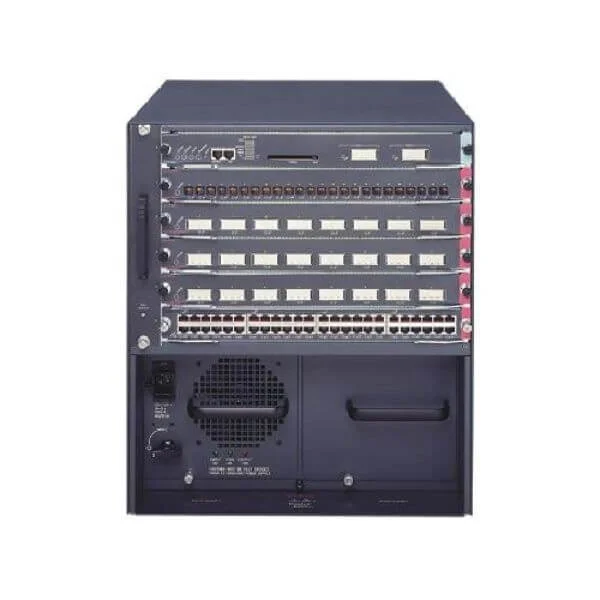
WS-C6506-E (Catalyst 6500 Enhanced 6-slot chassis, 12RU, no PS, no Fan Tray)
4.2 (5)- Switch
- Cisco
- Redundant Power Supply / AC Power Supply
- Layer 2 / Layer 3
- Chassis
- Over 48 Ports
Est Value $860.32
In stockNewRefurbishedFirst-Time Buyer Discount – Get up to 2% additional off on your first order
ORM Rewards Earn $50 in Rewards + Free Expedited Delivery – Join Now!
Use eCoupon ORMSAVE10
eCoupon limited to 5 units

ORM Sales Advisors
Buying for your business? Get a personalised quote in under 2 hours. Talk to an expert
LEARNFilters (20) 
Questions & Answers
What is the Cisco Catalyst 6500 Series Switch?
The Cisco Catalyst 6500 Series is a modular enterprise-class switch platform delivering high performance, scalability, and advanced services for campus and data center networks.
What are the main hardware components of the Catalyst 6500?
Core components include Supervisor Engines for control-plane processing, line cards for port connectivity, fabric modules for backplane bandwidth, redundant power supplies, and hot-swappable fan trays.
What performance and scalability does the Catalyst 6500 deliver?
The Catalyst 6500 supports up to 720 Gbps per slot, a 10-slot chassis architecture, and a total system throughput of up to 2.88 Tbps, enabling high-density, large-scale deployments.
Which Supervisor Engines are supported on the Catalyst 6500?
Supported Supervisor Engines include Supervisor Engine II and II+, Supervisor Engine 650-24A, Supervisor Engine 32-port Form Factor, and the high-performance Supervisor Engine 2T.
How do line cards and modules work in the Catalyst 6500?
Line cards in the Catalyst 6500 chassis deliver flexible port densities and speeds (10 Mbps to 10 Gbps), supporting Ethernet, PoE, and fiber interfaces that can be mixed to match network requirements.
What software platforms and features does the Catalyst 6500 support?
Catalyst 6500 runs Cisco IOS Software with feature sets for advanced routing (IPv4/IPv6), multicast, MPLS, security, QoS, and virtualization to meet diverse enterprise needs.
How does Virtual Switching System (VSS) work on the Catalyst 6500?
VSS logically combines two Catalyst 6500 chassis into a single switch, enabling stateful redundancy, cross-chassis link aggregation, and unified management with zero service interruption.
What high-availability features are available on the Catalyst 6500?
High-availability features include redundant Supervisor Engines, hot-swappable line cards, dual power supplies, Stateful Switchover (SSO), Nonstop Forwarding (NSF), and VSS for continuous uptime.
Which security features does the Catalyst 6500 offer?
Catalyst 6500 includes Cisco TrustSec, 802.1X authentication, Access Control Lists (ACLs), MACsec encryption, Secure Group Tagging (SGT), and integrated threat defense modules.
How does QoS function on the Catalyst 6500?
Catalyst 6500 provides end-to-end QoS with classification, marking, congestion management, shaping, and policing to guarantee performance for voice, video, and critical data.
What power and cooling requirements does the Catalyst 6500 have?
The Catalyst 6500 chassis accepts 100-240 V AC input, supports redundant 900 W or 1400 W power supplies, and uses front-to-back or back-to-front airflow to comply with data center cooling standards.
How can I monitor and manage the Catalyst 6500 Switch?
You can monitor Catalyst 6500 via Cisco Prime Infrastructure, SNMP, NetFlow, Embedded Event Manager (EEM), and the CLI, providing detailed telemetry and automated event responses.
What is the lifecycle and end-of-support status for the Catalyst 6500?
The Catalyst 6500 reached End-of-Sale in 2017 and will reach End-of-Support in July 2025; Cisco continues to offer limited bug fixes and security updates under extended support.
What is the migration path from Catalyst 6500 to modern switches?
Cisco recommends migrating to the Catalyst 9000 Series using feature-parity assessments, application hosting, Cisco Migration Tools, and staged deployments to ensure a seamless transition.
How are licenses managed on the Catalyst 6500?
Licensing is tied to the Supervisor Engine with tiers for LAN Base, IP Services, and Enterprise Services; activation is handled via Cisco Smart Licensing or traditional PAK-based registration.
What are typical use cases for Cisco Catalyst 6500 Switches?
Catalyst 6500 is ideal for campus core and distribution layers, data center aggregation, service provider edge, and large enterprises requiring modular growth and high port density.