 United States
Cisco Nexus 9000 Series Switches
Experience next-generation data center efficiency with Cisco Nexus 9000 Series switches – delivering ACI integration, NX-OS automation, and scalable architecture for high-performance, secure, and cloud-ready enterprise network environments.
Talk to an expert
81 Matching results
- BEST SELLING
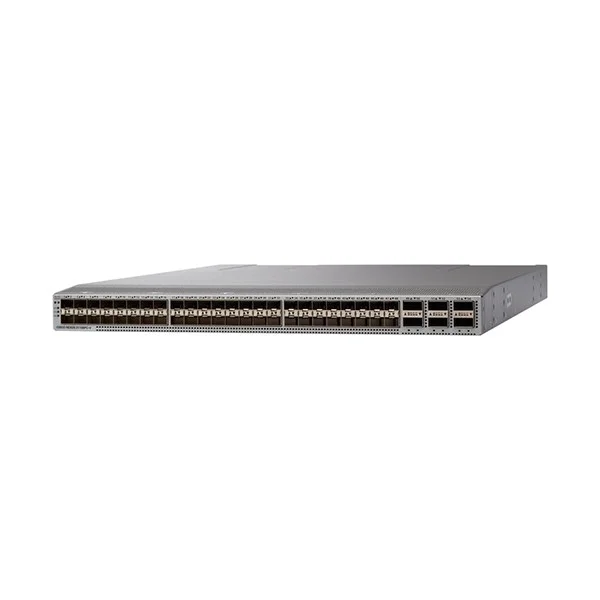
N9K-C93180YC-FX (Cisco N9K-C93180YC-FX Nexus 9300-FX 48-Port 25G Switch, 6x100G Uplinks)
4.8 (6)- N9K-C93180YC-FX
- Cisco
- Nexus 9300-FX
- Data Center
- Managed
- NX-OS
- Layer 2+
Est Value $35,175.00
$1,470.00
95.8% offIn stockNewRefurbishedFirst-Time Buyer Discount – Get up to 2% additional off on your first order
ORM Rewards Earn $50 in Rewards + Free Expedited Delivery – Join Now!
Use eCoupon ORMSAVE10
eCoupon limited to 5 units
- BEST SELLING
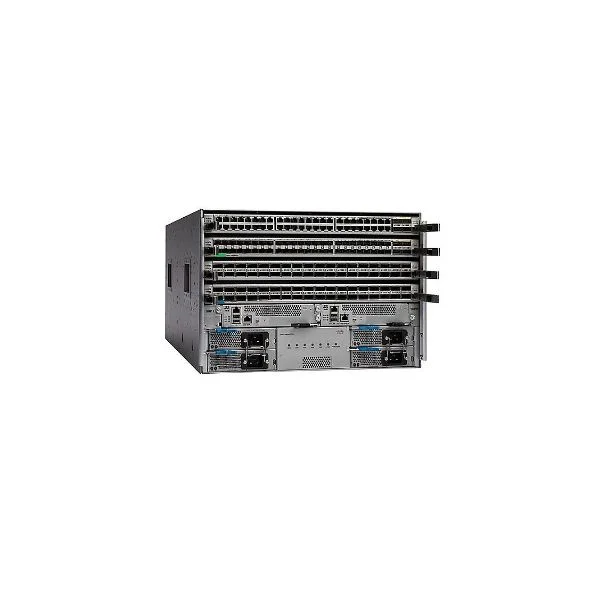
N9K-C9504 (Cisco N9K-C9504 N9500 4-Slot Modular Chassis Switch)
4.6 (5)- N9K-C9504
- Cisco
- N9500
- Data Center
- Managed
- Layer 3
Est Value $792.75
In stockNewRefurbishedFirst-Time Buyer Discount – Get up to 2% additional off on your first order
ORM Rewards Earn $50 in Rewards + Free Expedited Delivery – Join Now!
Use eCoupon ORMSAVE10
eCoupon limited to 5 units
- BEST SELLING
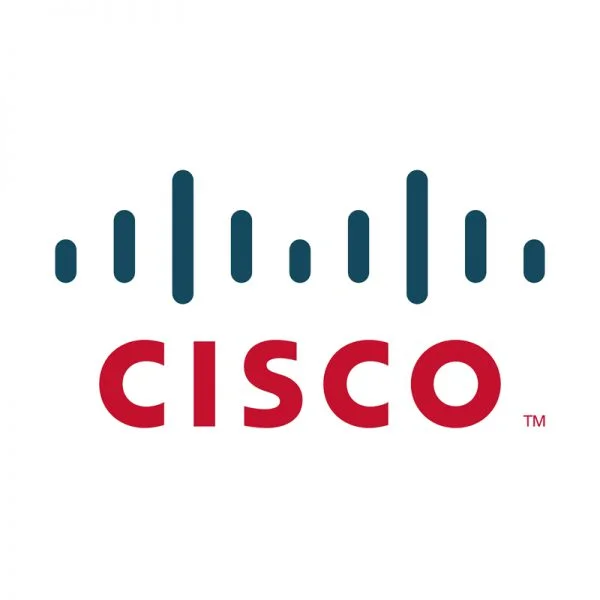
N9K-C92300YC (Cisco N9K-C92300YC N9200 48-Port 25 Gigabit Desktop Switch, 18x100G Uplinks)
4.2 (5)- N9K-C92300YC
- Cisco
- N9200
- Data Center
- Managed
- NX-OS
- Layer 2+
Est Value $25,000.00$2,488.50
90% offIn stockNewRefurbishedFirst-Time Buyer Discount – Get up to 2% additional off on your first order
ORM Rewards Earn $50 in Rewards + Free Expedited Delivery – Join Now!
Use eCoupon ORMSAVE10
eCoupon limited to 5 units
- BEST SELLING
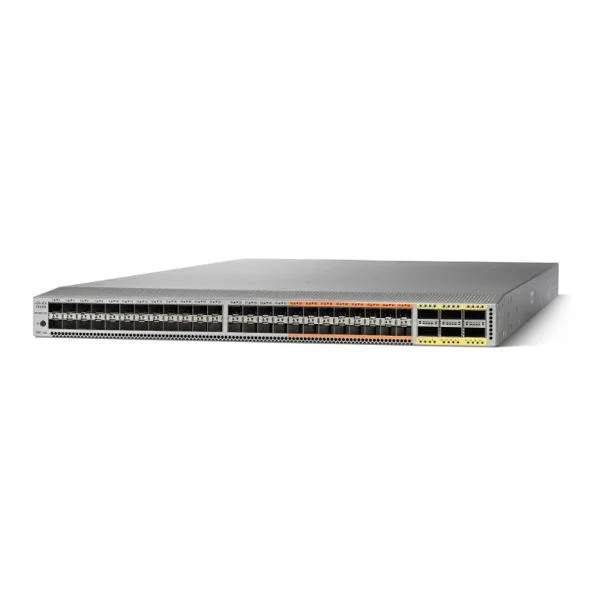
N9K-C9372TX (Cisco N9K-C9372TX N9300 48-Port 10 Gigabit Switch, 6x40G Uplinks)
4.8 (5)- N9K-C9372TX
- Cisco
- N9300
- Data Center
- Managed
- NX-OS
- Layer 2
Est Value $399.00
In stockNewRefurbishedFirst-Time Buyer Discount – Get up to 2% additional off on your first order
ORM Rewards Earn $50 in Rewards + Free Expedited Delivery – Join Now!
Use eCoupon ORMSAVE10
eCoupon limited to 5 units
- BEST SELLING
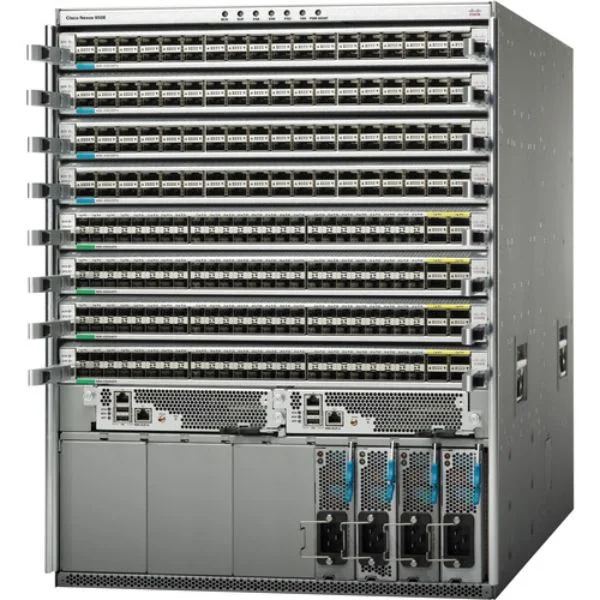
N9K-C9508 (Cisco N9K-C9508 N9500 8-Slot 13RU Data Center Chassis Switch)
4.6 (5)- N9K-C9508
- Cisco
- N9500
- Data Center
- Managed
- NX-OS
- Layer 3
Est Value $4,088.18
In stockNewRefurbishedFirst-Time Buyer Discount – Get up to 2% additional off on your first order
ORM Rewards Earn $50 in Rewards + Free Expedited Delivery – Join Now!
Use eCoupon ORMSAVE10
eCoupon limited to 5 units
- FEARURED
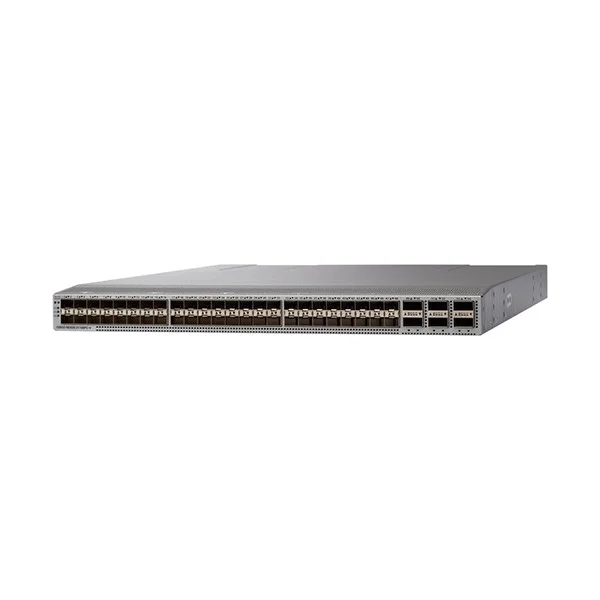
N9K-C93180YC-EX (Cisco N9K-C93180YC-EX N9300-EX 48-Port 25G Data Center Switch, 6x100G Uplinks, NX-OS)
4.4 (5)- N9K-C93180YC-EX
- Cisco
- N9300-EX
- Data Center
- Managed
- NX-OS
- Layer 3
Est Value $32,740.00$745.50
97.7% offIn stockNewRefurbishedFirst-Time Buyer Discount – Get up to 2% additional off on your first order
ORM Rewards Earn $50 in Rewards + Free Expedited Delivery – Join Now!
Use eCoupon ORMSAVE10
eCoupon limited to 5 units
- FEARURED
N9K-C93108TC-EX (Cisco N9K-C93108TC-EX Nexus 9300-EX 48-Port 10 Gigabit Ethernet Switch, 6x100G Uplinks)
4.4 (5)- N9K-C93108TC-EX
- Cisco
- Nexus 9300-EX
- Data Center
- Managed
- NX-OS
- Layer 2+
Est Value $435.75
In stockNewRefurbishedFirst-Time Buyer Discount – Get up to 2% additional off on your first order
ORM Rewards Earn $50 in Rewards + Free Expedited Delivery – Join Now!
Use eCoupon ORMSAVE10
eCoupon limited to 5 units
- FEARURED
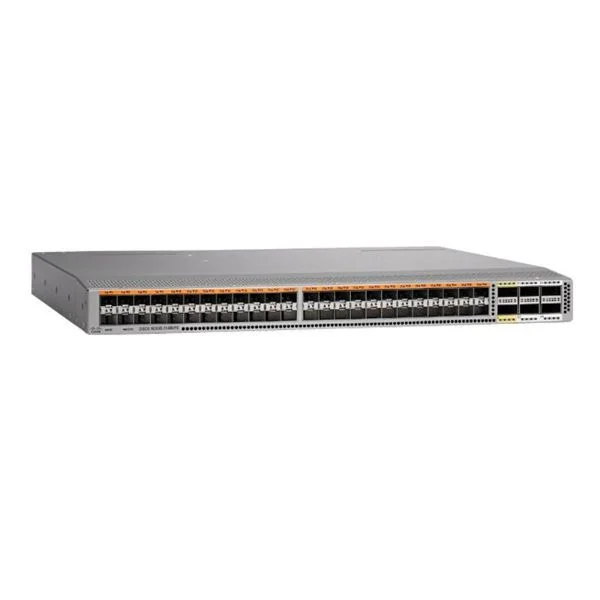
N9K-C9372PX (Cisco N9K-C9372PX Nexus 9300 48-Port 10 Gigabit Ethernet SFP+ Switch, 6x40G Uplinks)
4.4 (5)- N9K-C9372PX
- Cisco
- Nexus 9300
- Data Center
- Managed
- NX-OS
- Layer 2+
Est Value $199.50
In stockNewRefurbishedFirst-Time Buyer Discount – Get up to 2% additional off on your first order
ORM Rewards Earn $50 in Rewards + Free Expedited Delivery – Join Now!
Use eCoupon ORMSAVE10
eCoupon limited to 5 units
- FEARURED
N9K-C93600CD-GX (Cisco N9K-C93600CD-GX N9300-GX 28-Port 100 Gigabit Ethernet Switch, 8x400G Uplinks)
4.6 (5)- N9K-C93600CD-GX
- Cisco
- N9300-GX
- Data Center
- Managed
- NX-OS
- Layer 2+
Est Value $47,622.00$18,469.50
61.2% offIn stockNewRefurbishedFirst-Time Buyer Discount – Get up to 2% additional off on your first order
ORM Rewards Earn $50 in Rewards + Free Expedited Delivery – Join Now!
Use eCoupon ORMSAVE10
eCoupon limited to 5 units
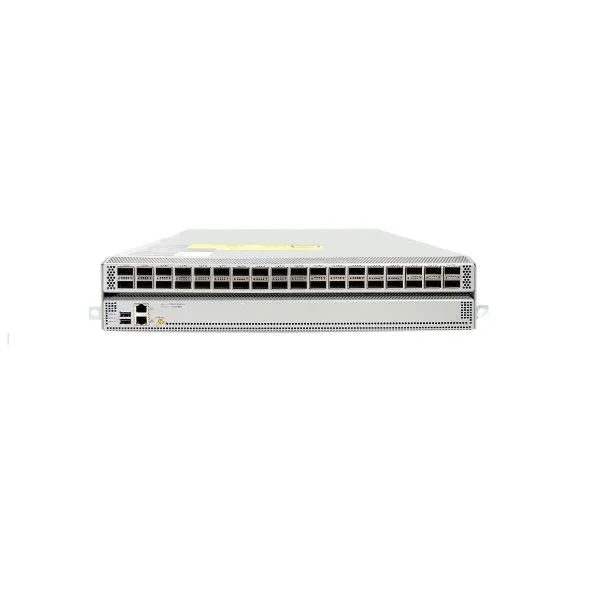
N9K-C9336PQ (Cisco N9K-C9336PQ Nexus 9300 ACI Fixed Spine 36-Port 40 Gigabit Ethernet Switch)
4.4 (5)- N9K-C9336PQ
- Cisco
- Nexus 9300 ACI Fixed Spine
- Data Center
- Managed
Est Value $41,400.00$367.50
99.1% offIn stockNewRefurbishedFirst-Time Buyer Discount – Get up to 2% additional off on your first order
ORM Rewards Earn $50 in Rewards + Free Expedited Delivery – Join Now!
Use eCoupon ORMSAVE10
eCoupon limited to 5 units
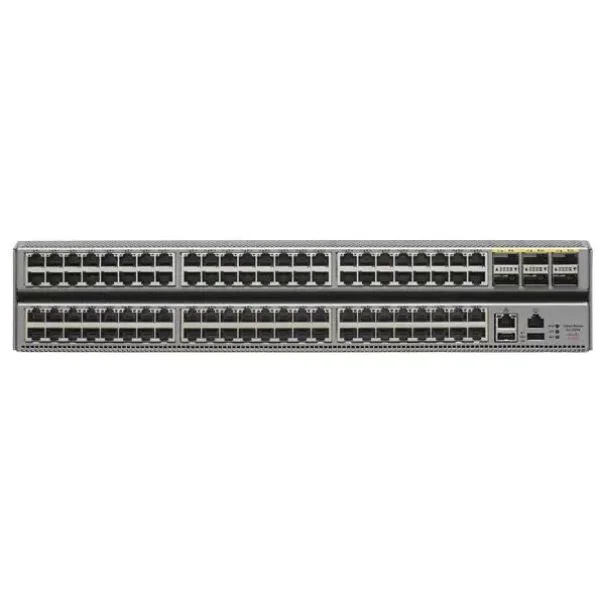
N9K-C93120TX (Cisco N9K-C93120TX N9300 96-Port 10 Gigabit Switch, 6x40G Uplinks)
4.4 (5)- N9K-C93120TX
- Cisco
- N9300
- Data Center
- Managed
- NX-OS
- Layer 2+
Est Value $28,000.00$483.00
98.3% offIn stockNewRefurbishedFirst-Time Buyer Discount – Get up to 2% additional off on your first order
ORM Rewards Earn $50 in Rewards + Free Expedited Delivery – Join Now!
Use eCoupon ORMSAVE10
eCoupon limited to 5 units
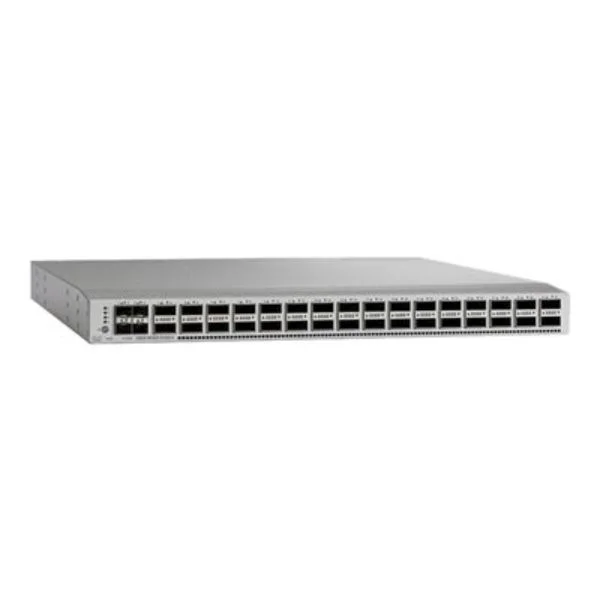
N9K-C9236C (Cisco N9K-C9236C N9200 36-Port 100 Gigabit Ethernet Switch)
4.6 (5)- N9K-C9236C
- Cisco
- N9200
- Data Center
- Managed
- NX-OS
- Layer 2+
Est Value $40,250.00$1,128.75
97.2% offIn stockNewRefurbishedFirst-Time Buyer Discount – Get up to 2% additional off on your first order
ORM Rewards Earn $50 in Rewards + Free Expedited Delivery – Join Now!
Use eCoupon ORMSAVE10
eCoupon limited to 5 units
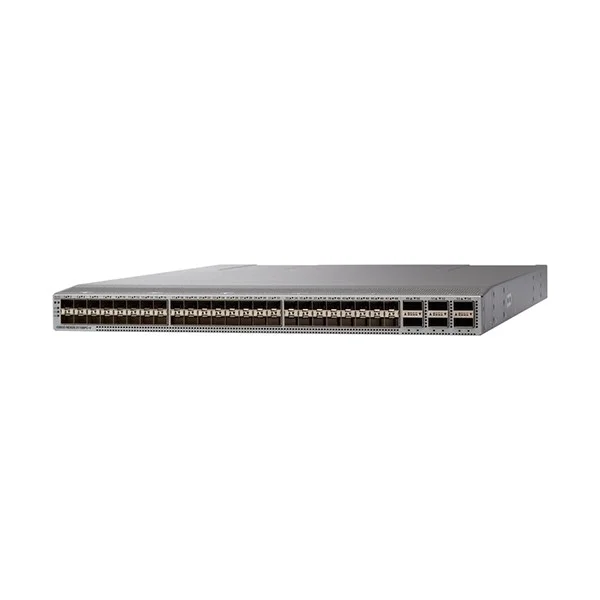
N9K-C9364C (Cisco N9K-C9364C Nexus 9300 64-Port 100 Gigabit Ethernet Switch, 2x10G SFP+ Ports)
4.4 (5)- N9K-C9364C
- Cisco
- Nexus 9300
- Data Center
- Managed
- NX-OS
- Layer 2+
Est Value $88,410.00$1,837.50
97.9% offIn stockNewRefurbishedFirst-Time Buyer Discount – Get up to 2% additional off on your first order
ORM Rewards Earn $50 in Rewards + Free Expedited Delivery – Join Now!
Use eCoupon ORMSAVE10
eCoupon limited to 5 units
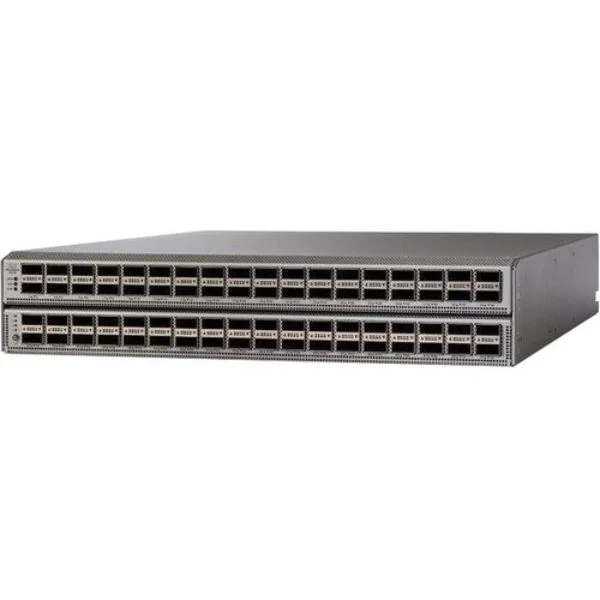
N9K-C92160YC-X (Cisco N9K-C92160YC-X N9200 48-Port 25 Gigabit Switch, 4x40G and 2x100G Uplinks)
4.6 (5)- N9K-C92160YC-X
- Cisco
- N9200
- Data Center
- Managed
- NX-OS
- Layer 2+
Est Value $432.18
In stockNewRefurbishedFirst-Time Buyer Discount – Get up to 2% additional off on your first order
ORM Rewards Earn $50 in Rewards + Free Expedited Delivery – Join Now!
Use eCoupon ORMSAVE10
eCoupon limited to 5 units
N9K-C9272Q (Cisco N9K-C9272Q N9200 72-Port 40 Gigabit Ethernet Switch)
4.6 (5)- N9K-C9272Q
- Cisco
- N9200
- Data Center
- Managed
- NX-OS
- Layer 2+
Est Value $976.50
In stockNewRefurbishedFirst-Time Buyer Discount – Get up to 2% additional off on your first order
ORM Rewards Earn $50 in Rewards + Free Expedited Delivery – Join Now!
Use eCoupon ORMSAVE10
eCoupon limited to 5 units
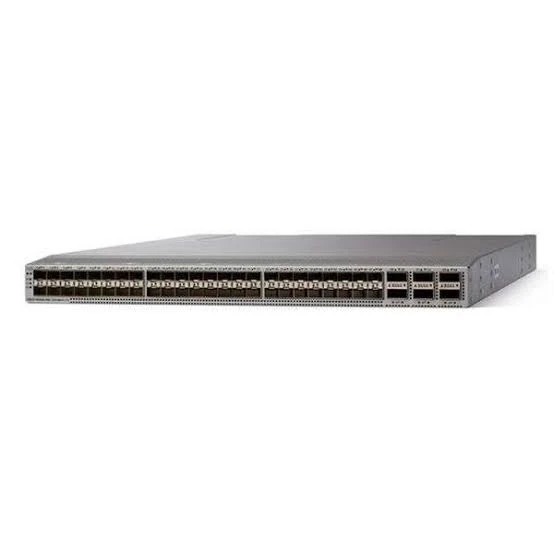
N9K-C93180YC-FX3 (Cisco N9K-C93180YC-FX3 Nexus 9300-FX3 48-Port 25 Gigabit Switch, 6x100G Uplinks)
4.7 (7)- N9K-C93180YC-FX3
- Cisco
- Nexus 9300-FX3
- Data Center
- Managed
- NX-OS
- Layer 3
Est Value $10,260.00$6,084.75
40.7% offIn stockNewRefurbishedFirst-Time Buyer Discount – Get up to 2% additional off on your first order
ORM Rewards Earn $50 in Rewards + Free Expedited Delivery – Join Now!
Use eCoupon ORMSAVE10
eCoupon limited to 5 units
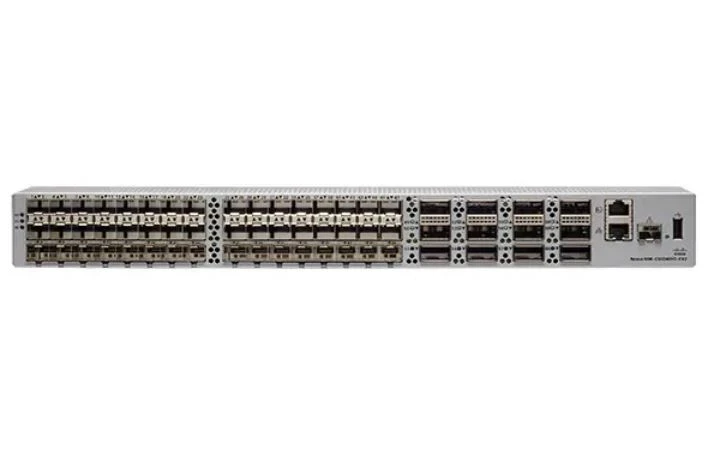
N9K-C93240YC-FX2 (Cisco N9K-C93240YC-FX2 N9300-FX2 48-Port 25 Gigabit Chassis Switch, 12x100G Uplinks)
4.7 (7)- N9K-C93240YC-FX2
- Cisco
- N9300-FX2
- Data Center
- Managed
- NX-OS
- Layer 2+
Est Value $39,336.00$2,351.98
94% offIn stockNewRefurbishedFirst-Time Buyer Discount – Get up to 2% additional off on your first order
ORM Rewards Earn $50 in Rewards + Free Expedited Delivery – Join Now!
Use eCoupon ORMSAVE10
eCoupon limited to 5 units
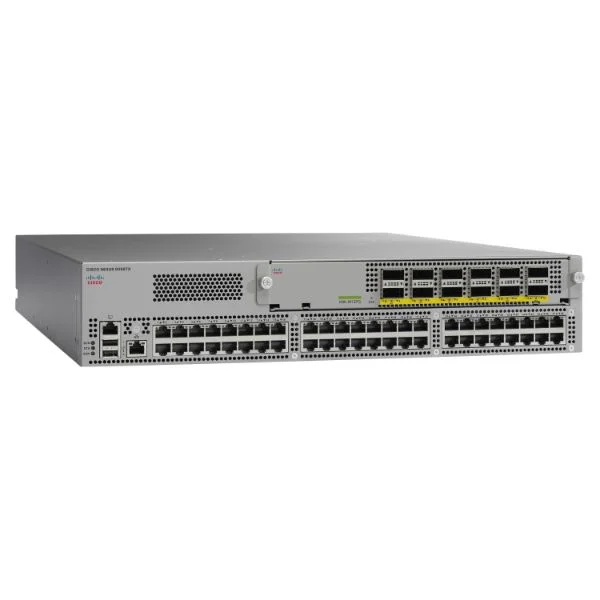
N9K-C9396TX (Cisco N9K-C9396TX N9300 48-Port 10 Gigabit Ethernet Switch, Modular 40G/100G Uplinks)
4.6 (5)- N9K-C9396TX
- Cisco
- N9300
- Data Center
- Managed
- NX-OS
- Layer 2
Est Value $201.58
In stockNewRefurbishedFirst-Time Buyer Discount – Get up to 2% additional off on your first order
ORM Rewards Earn $50 in Rewards + Free Expedited Delivery – Join Now!
Use eCoupon ORMSAVE10
eCoupon limited to 5 units
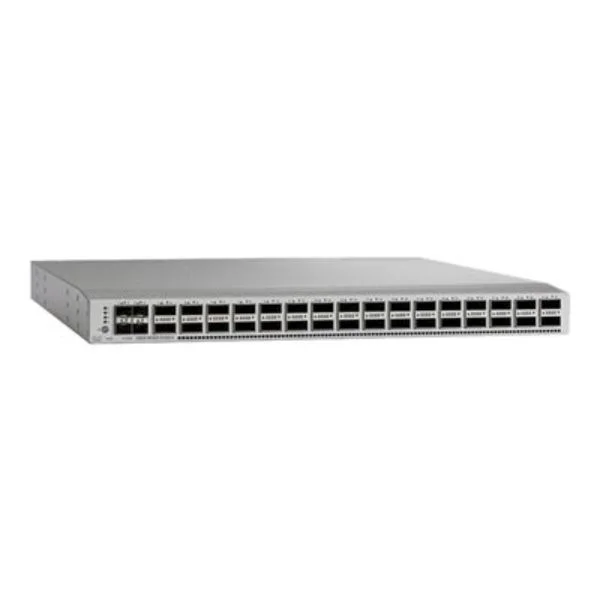
N9K-C9332C (Cisco N9K-C9332C Nexus 9300 32-Port 100 Gigabit Desktop Switch, 2x10G SFP+ Ports)
4.6 (5)- N9K-C9332C
- Cisco
- Nexus 9300
- Data Center
- Managed
- NX-OS
- Layer 2+
Est Value $51,394.00$2,619.75
94.9% offIn stockNewRefurbishedFirst-Time Buyer Discount – Get up to 2% additional off on your first order
ORM Rewards Earn $50 in Rewards + Free Expedited Delivery – Join Now!
Use eCoupon ORMSAVE10
eCoupon limited to 5 units
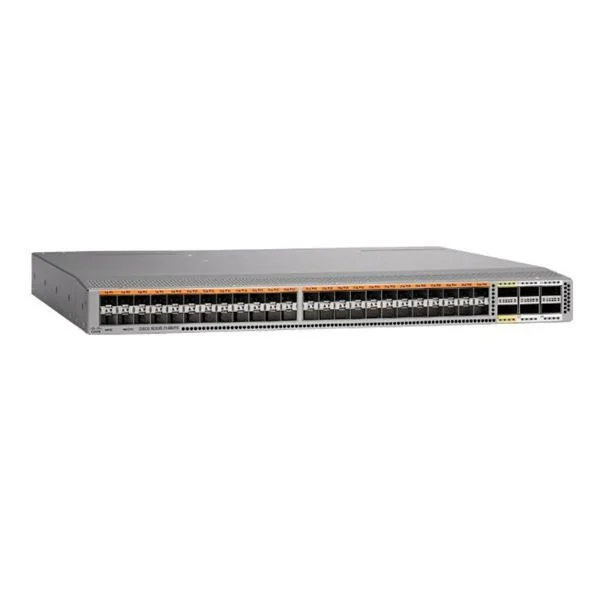
N9K-C9372PX-E (Cisco N9K-C9372PX-E Nexus 9300 48-Port 10 Gigabit Switch, 6x40G Uplinks)
4.2 (5)- N9K-C9372PX-E
- Cisco
- Nexus 9300
- Data Center
- Managed
- NX-OS
- Layer 2+
Est Value $231.00
In stockNewRefurbishedFirst-Time Buyer Discount – Get up to 2% additional off on your first order
ORM Rewards Earn $50 in Rewards + Free Expedited Delivery – Join Now!
Use eCoupon ORMSAVE10
eCoupon limited to 5 units

ORM Sales Advisors
Buying for your business? Get a personalised quote in under 2 hours. Talk to an expert
LEARNFilters (81) 
Questions & Answers
What is the Cisco Nexus 9000 Switch series?
The Cisco Nexus 9000 Series is a high-performance, low-latency data center switch family delivering programmable, scalable connectivity for cloud and enterprise networks in NX-OS or ACI mode.
What deployment modes are available on Nexus 9000?
Nexus 9000 supports standalone NX-OS mode for traditional CLI management and ACI mode for policy-driven, application-centric infrastructure.
What port densities and speeds are supported?
Models offer up to 32×400 GbE, 48×100 GbE or 128×10/25 GbE ports with up to 3.6 Tbps per-slot throughput for line-rate forwarding.
What are the key performance features?
It delivers sub-90 µs latency, 1.2–3.6 Tbps per-slot switching capacity, 14.4 Tbps chassis bandwidth and wire-speed packet forwarding.
How does Nexus 9000 support network automation?
It integrates with Cisco DNA Center, REST APIs, Python and Ansible for intent-based provisioning, lifecycle management and telemetry.
What high availability features are included?
vPC/MLAG, redundant PSUs, modular fans, hitless software upgrades and In Service Software Upgrade (ISSU) ensure continuous operations.
What security capabilities does Nexus 9000 offer?
It provides AES256 encryption, MACsec, TrustSec segmentation, hardware ACLs and role-based access control for end-to-end protection.
How scalable is the Nexus 9000 series?
It scales from 1U fixed switches to modular chassis, supporting up to 576 leaf-spine ports and over 10 million ARP entries in large fabrics.
What licensing options are available?
Licensing tiers include Network Essentials, Advantage and ACI Foundation, adding advanced services, telemetry and application-policy features.
How is power and cooling handled?
Front-to-back airflow, modular fan trays, high-efficiency PSUs and up to 1,200 W per slot optimize thermal design and energy efficiency.
What software upgrades and support are offered?
Cisco TAC with Smart Net Total Care provides NX-OS releases, bug fixes, field notices and 24×7 technical support services.
Can Nexus 9000 integrate with multi-vendor environments?
Yes—open standards like EVPN, BGP, VXLAN, MPLS and RESTful APIs enable seamless integration with heterogeneous network infrastructures.
What differentiates Nexus 9000 from Catalyst switches?
Nexus 9000 is optimized for data centers with ultra-low latency, massive scale and advanced programmability versus Catalyst campus series.
What monitoring and telemetry features are supported?
In-band telemetry, NetFlow, SNMP, streaming telemetry and virtual probe modules deliver real-time visibility and analytics.
How do I migrate to Nexus 9000 from existing switches?
Cisco offers migration tools, configuration guides and professional services with zero-downtime options like vPC insertion and staged NX-OS deployment.
Where can I buy and get support for Nexus 9000 switches?
Purchase through Cisco’s global partner network, online resellers or Cisco.com; access licensing, TAC support and professional services.
What Is the Cisco Nexus 9000 Series?
The Cisco Nexus 9000 Series represents the foundation of next-generation data center networking. Designed for high performance, low latency, and cloud-scale automation, it supports both NX-OS and ACI (Application Centric Infrastructure) operating modes.
Built for modern workloads, the Cisco 9000 Nexus family delivers programmable ASIC architecture, high port density, and flexible deployment — ideal for data centers, service providers, and enterprise environments transitioning toward automation and virtualization.
Each switch in the Cisco Nexus 9000 Series can operate in standalone NX-OS mode for traditional environments or ACI mode for policy-driven automation. This dual flexibility allows organizations to modernize at their own pace while protecting existing investments.
Whether you need spine, leaf, or border leaf configurations, the Cisco Nexus 9000 adapts easily, providing consistent policy control, visibility, and scale for hybrid and multi-cloud networks.
Where the Cisco Nexus 9000 Excels in Modern Data Centers
The Nexus 9000 family is built to handle massive east-west traffic, virtualized workloads, and AI-driven applications. Its design supports leaf-spine architectures, offering predictable performance, scalability, and near-zero packet loss across large environments.
- Ultra-low latency for high-speed trading, analytics, and AI workloads.
- VXLAN and EVPN support for seamless multi-tenant segmentation.
- ACI fabric compatibility for full network automation and policy enforcement.
- Flexible deployment options, from compact 1RU models to modular chassis.
- Integrated telemetry for real-time visibility and proactive operations.
The Cisco Nexus 9000 Series Switches are trusted in data centers, cloud infrastructures, and enterprise cores where reliability, security, and throughput define success.
Cisco Nexus 3000 vs 9000 – Key Architectural Differences
While both the Cisco Nexus 3000 and Nexus 9000 series offer powerful switching, their architectures target different needs. The Nexus 3000 focuses on high-frequency trading, low-latency environments, and fixed-function switching — ideal for smaller or specialized deployments.
In contrast, the Cisco Nexus 9000 introduces a modular, programmable architecture built for cloud-scale, virtualization, and automation-ready infrastructures. It supports ACI integration, programmable APIs, and dynamic telemetry, giving IT teams the agility to manage thousands of endpoints with ease.
In short, while the Nexus 3000 is built for precision, the Nexus 9000 is built for scale, intelligence, and long-term adaptability.
Key Features and Platform Advantages
Programmable and Scalable ASIC Architecture
The Cisco Nexus 9000 Series is powered by a programmable ASIC architecture that delivers unmatched flexibility and scale. It supports both traditional and automated data center operations, offering line-rate performance across 10G, 25G, 40G, and 100G interfaces. This enables enterprises to support growing workloads without compromising on throughput or latency.
Cloud-Scale Performance and Low-Latency Switching
Built for cloud-scale networking, the Nexus 9000 ensures ultra-low latency switching for environments that demand precision and speed. From AI clusters to virtualized workloads, it provides predictable, non-blocking performance that keeps applications responsive under heavy traffic loads.
Cisco NX-OS and ACI-Ready Capabilities
The Cisco Nexus 9000 Series switches can run in both NX-OS mode and ACI mode, giving administrators the flexibility to manage networks traditionally or through policy-based automation. With Cisco ACI integration, IT teams gain centralized visibility, zero-touch provisioning, and simplified policy enforcement across the entire fabric.
Energy Efficiency and Modular Design
The Cisco 9000 Nexus lineup emphasizes efficiency. Its modular, hot-swappable components and intelligent power management reduce operating costs and minimize downtime. Designed for dense deployments, it delivers high performance with a smaller carbon and physical footprint.
Advanced Telemetry and Network Visibility
With real-time telemetry and deep analytics support, the Cisco Nexus 9000 Series provides continuous insight into network behavior. Operators can detect congestion, anomalies, and security threats before they impact performance, ensuring optimal stability and uptime across data center operations.
Cisco Nexus 9000 Models and Datasheet Comparison
Cisco Nexus 9000 Series Overview
The Cisco Nexus 9000 Series includes a versatile range of fixed and modular switches that deliver exceptional throughput, scalability, and automation readiness. Each model supports NX-OS and ACI operating modes, enabling seamless integration into both traditional and software-defined data center environments.
Cisco N9K-C93180YC-EX – Leaf Layer Performance
The Cisco N9K-C93180YC-EX is a top-of-rack (ToR) leaf switch designed for high-density 10/25G server connectivity and 40/100G uplinks. It’s ideal for leaf-spine architectures that require low latency, high bandwidth, and flexible programmability.
Cisco N9K-C9336C-FX2 – Compact 100G Aggregation
The Cisco N9K-C9336C-FX2 delivers 36 x 100G ports in a compact 1RU form factor. It provides exceptional aggregation and spine switching capabilities for medium to large data centers, supporting VXLAN EVPN and advanced telemetry for real-time monitoring.
Cisco N9K-C9364C and N9K-C9508 – Spine Switch Solutions
For high-performance core layers, the Cisco N9K-C9364C and modular Cisco N9K-C9508 offer dense 100G port configurations and ACI-ready architecture. The N9K-C9508 chassis supports multiple line cards, making it ideal for large-scale cloud and enterprise cores.
Cisco Nexus 9000 Architecture Explained
The Cisco Nexus 9000 architecture is based on a leaf-spine topology that enables predictable performance and horizontal scalability. It supports VXLAN overlay networks, EVPN control planes, and ACI policy enforcement, ensuring a consistent experience from access to core layers.
With its modular scalability, advanced telemetry, and programmable ASICs, the Nexus 9000 Series delivers the performance and flexibility that modern data centers demand.
Cisco Nexus 9000 Configuration and Use Cases
Cisco Nexus 9000 AAA Configuration Example
The Cisco Nexus 9000 supports advanced AAA (Authentication, Authorization, and Accounting) mechanisms for secure access control. Administrators can configure local, TACACS+, or RADIUS authentication using simple CLI commands. This flexibility allows seamless integration with enterprise identity systems and ensures granular role-based access control across network devices.
Cisco Nexus 9000 Access List Configuration
Access control lists (ACLs) in the Cisco Nexus 9000 Series help enforce traffic filtering, segmentation, and security policies. Administrators can define Layer 2–4 filtering rules using NX-OS commands, applying them to interfaces or VLANs to restrict unauthorized traffic. This ensures strong perimeter defense and micro-segmentation across data center fabrics.
Cisco Nexus 9000 Access List Example
ip access-list ACL-DATA-CENTER permit tcp 10.10.10.0/24 any eq 443 deny ip any any logThis example allows HTTPS traffic from the 10.10.10.0/24 subnet while denying all other traffic. The same syntax applies for IPv6 ACLs using “ipv6 access-list”.
Data Center Leaf-Spine Design Best Practices
The Cisco Nexus 9000 Series switches are ideal for leaf-spine architectures, which ensure consistent latency and predictable performance. Deploying N9K-C93180YC-EX as leaf and N9K-C9364C or N9K-C9508 as spine switches simplifies scale-out operations, reduces oversubscription, and improves fault tolerance.
VXLAN, EVPN, and ACI Integration Scenarios
With built-in support for VXLAN and EVPN, the Cisco Nexus 9000 Series simplifies network virtualization and tenant isolation. Combined with Cisco ACI, it automates policy provisioning and ensures consistent segmentation across physical and virtual workloads — ideal for hybrid, multi-cloud, and AI-driven environments.
Licensing and Software Overview
Cisco Nexus 9000 Licensing Guide (NX-OS and ACI Modes)
The Cisco Nexus 9000 licensing guide outlines flexible models tailored for both NX-OS and ACI environments. In NX-OS mode, licenses are feature-based, covering essentials such as Layer 3 routing, MPLS, and automation. In ACI mode, licensing is subscription-driven, simplifying lifecycle management through centralized control in Cisco DNA Center and the ACI fabric controller.
Organizations can scale efficiently, activating only the capabilities they need — reducing cost while maintaining operational agility across data center fabrics.
Smart Licensing and Subscription Tiers
The Cisco Nexus 9000 Series supports Smart Licensing, enabling simplified registration and real-time entitlement tracking. Administrators can manage multiple Nexus devices from a unified dashboard, ensuring compliance and smooth renewals. Subscription tiers provide access to advanced automation, security analytics, and ACI integration for policy-driven networks.
NX-OS Software Architecture and Long-Term Support
Running on the modular NX-OS software platform, the Cisco Nexus 9000 switches offer proven stability, programmability, and performance. NX-OS provides APIs for Python and Ansible automation, along with secure multi-tenant capabilities for large-scale virtualization. Long-term Cisco support ensures continuous updates, compliance, and extended operational reliability for enterprise data centers.
Deployment and Management Advantages
Cisco ACI Integration for Automated Fabric Control
The Cisco Nexus 9000 Series integrates seamlessly with Cisco ACI (Application Centric Infrastructure) to deliver a fully automated, policy-based data center fabric. ACI simplifies network provisioning, enforces consistent security policies, and enables real-time scalability — reducing manual configurations while increasing agility across hybrid and multi-cloud environments.
Programmability via APIs, Python, and Ansible
The Nexus 9000 switches support extensive programmability through open APIs, Python scripting, and Ansible automation. Network teams can easily build automated workflows for provisioning, monitoring, and compliance — improving consistency and reducing operational overhead in large deployments.
Real-Time Monitoring with Telemetry and Analytics
With real-time telemetry and advanced analytics, the Cisco Nexus 9000 provides instant visibility into network performance, latency, and traffic anomalies. Integrated with tools like Cisco Nexus Dashboard and ACI Insights, it empowers IT teams to make proactive decisions and maintain near-zero downtime across the fabric.
Comparing Cisco Nexus 9000 with Other Series
Cisco Nexus 3000 vs 9000 – Performance and Scale
The Cisco Nexus 3000 is designed for environments that prioritize ultra-low latency and high-speed trading workloads. In contrast, the Cisco Nexus 9000 Series delivers cloud-scale performance, ACI support, and advanced automation capabilities. The 9000 is ideal for large data centers that require programmability, VXLAN/EVPN support, and scalable multi-tenant designs.
Cisco Catalyst 9500 vs Nexus 9000 – Campus vs Data Center Roles
While the Cisco Catalyst 9500 is optimized for enterprise campus cores and Layer 3 routing, the Cisco Nexus 9000 is built for data center and cloud networks. It provides deeper virtualization, lower latency, and ACI-driven automation, making it the go-to choice for hybrid and cloud-first architectures.
Cisco Nexus 9000 vs Nexus 7000 – Modernization Insights
The legacy Cisco Nexus 7000 series was designed for traditional core networks. The Cisco Nexus 9000 replaces it with programmable ASICs, real-time telemetry, and ACI integration. It offers higher port density, reduced power consumption, and better scalability for modern, intent-based data centers.
Why Choose Cisco Nexus 9000 for Your Data Center
Designed for Cloud, AI, and High-Performance Computing
The Cisco Nexus 9000 Series is purpose-built for cloud-scale workloads, AI-driven applications, and high-performance computing. With its programmable ASICs and low-latency switching fabric, it ensures the speed and reliability needed for intensive data processing and distributed workloads.
Scalable, Secure, and Automation-Ready Infrastructure
Every Nexus 9000 switch supports VXLAN, EVPN, and ACI fabric automation, allowing seamless expansion as your data center grows. Its built-in security and segmentation features ensure consistent policy enforcement and network protection across hybrid environments.
Proven Cisco Support and Ecosystem Reliability
Backed by the global Cisco ecosystem, the Nexus 9000 Series offers long-term stability, continuous software updates, and enterprise-grade hardware assurance. It integrates easily with Cisco’s broader data center solutions, ensuring future-ready performance and trusted lifecycle support.