 United States
Fortinet Others Security Solutions
Explore comprehensive security solutions designed for modern enterprises. Fortinet Others provide robust, innovative technology for proactive network defense, ensuring optimal performance, compliance, and resilient cybersecurity.
Talk to an expert
Fortinet Fortianalyzer 800F
(1)FortiAnalyzer 800F for regional security operations centers, aggregating FortiGate logs through syslog, with redundant storage for audit retention
Fortinet Fortianalyzer Virtual Machines
(7)FortiAnalyzer virtual machines for private cloud security teams, collecting FortiGate telemetry over syslog without onsite rack-mounted appliance footprints
Fortinet Fortianalyzer 1000E
(1)FortiAnalyzer 1000E for headquarters firewall estates, indexing high-volume event logs from FortiGate clusters via syslog and encrypted management links
Fortinet Fortianalyzer 2000E
(1)FortiAnalyzer 2000E for national SOC retention tiers, processing firewall, VPN, and IPS logs with daily scheduled reporting workflows
Fortinet Fortianalyzer 3000F
(1)FortiAnalyzer 3000F for data center security operations, consolidating FortiGate telemetry across 10GbE uplinks and long-retention log archives nightly
Fortinet Fortianalyzer 3700F
(1)FortiAnalyzer 3700F for carrier security logging teams, ingesting multi-tenant FortiGate events over syslog through 10GbE aggregation interfaces for long retention
Fortinet Fortianalyzer 400E
(1)FortiAnalyzer 400E for midmarket firewall administration teams, centralizing FortiGate logs via syslog, with appliance-based reporting and alert review
Fortinet Fortianalyzer 300F
(1)FortiAnalyzer 300F for branch cluster security teams, storing firewall and VPN logs from FortiGate appliances through syslog ingestion
Fortinet Fortianalyzer 200F
(1)FortiAnalyzer 200F for sub-50 user remote sites, retaining FortiGate event logs through syslog with a compact appliance footprint
15 Matching results
- BEST SELLING
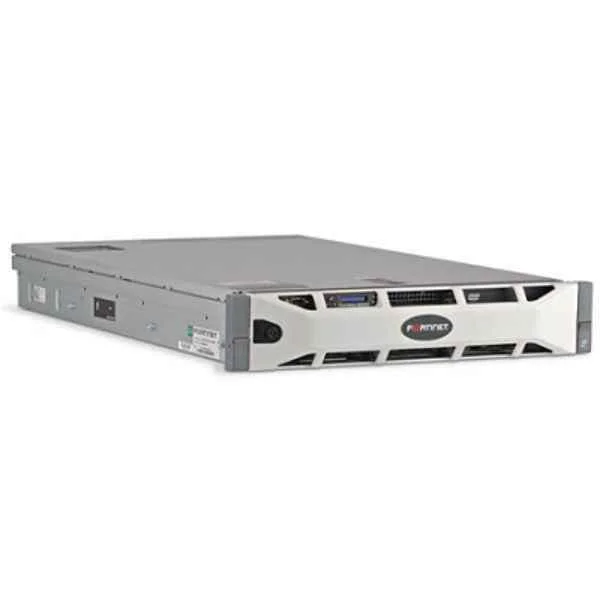
FAZ-VM-GB1 (UPG LICS FOR 1GB/DAY OF LOGS)
4.6 (5)Est Value $935.37
$738.22
21.1% offIn stockNewRefurbishedFirst-Time Buyer Discount – Get up to 2% additional off on your first order
ORM Rewards Earn $50 in Rewards + Free Expedited Delivery – Join Now!
Use eCoupon ORMSAVE10
eCoupon limited to 5 units
- BEST SELLING
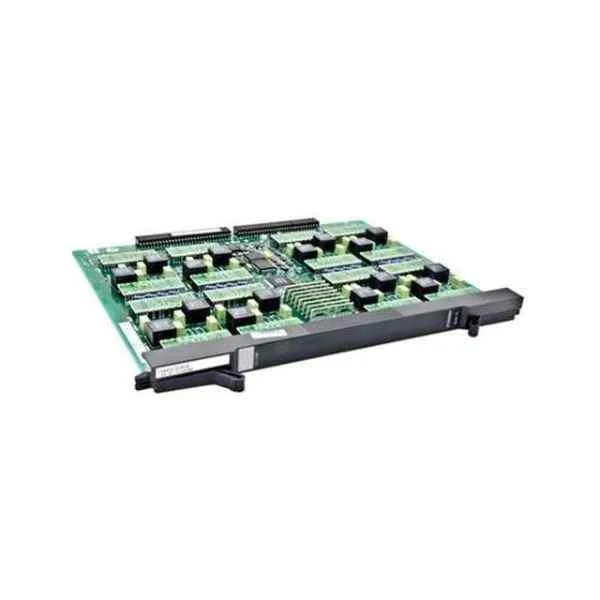
FAZ-VM-GB5 (UPG LICS FOR 5GB/DAY OF LOGS)
4.8 (5)Est Value $2,806.11$2,641.95
5.9% offIn stockNewRefurbishedFirst-Time Buyer Discount – Get up to 2% additional off on your first order
ORM Rewards Earn $50 in Rewards + Free Expedited Delivery – Join Now!
Use eCoupon ORMSAVE10
eCoupon limited to 5 units
- BEST SELLING
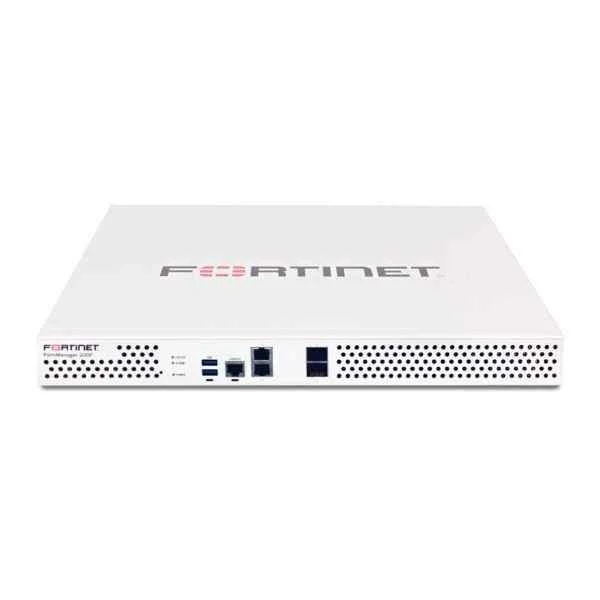
FAZ-200F (Fortinet FAZ-200F. Centralized log and analysis appliance - 2 x GE RJ45, 4TB storage, up to 100GB/Day of logs.)
4.2 (5)Est Value $9,215.94$4,607.97
50% offIn stockRefurbishedFirst-Time Buyer Discount – Get up to 2% additional off on your first order
ORM Rewards Earn $50 in Rewards + Free Expedited Delivery – Join Now!
Use eCoupon ORMSAVE10
eCoupon limited to 5 units
- BEST SELLING
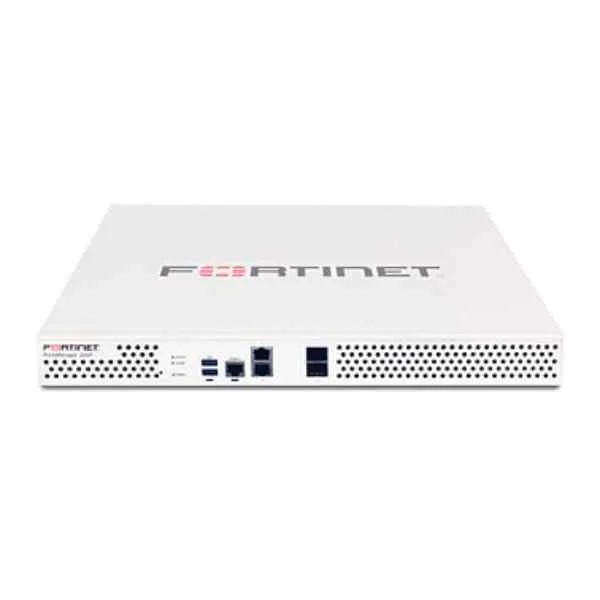
FAZ-VM-GB25 (UPG LICS FOR 25GB/DAY OF LOGS)
4.6 (5)Est Value $10,133.18$6,703.11
33.8% offIn stockNewFirst-Time Buyer Discount – Get up to 2% additional off on your first order
ORM Rewards Earn $50 in Rewards + Free Expedited Delivery – Join Now!
Use eCoupon ORMSAVE10
eCoupon limited to 5 units
- BEST SELLING
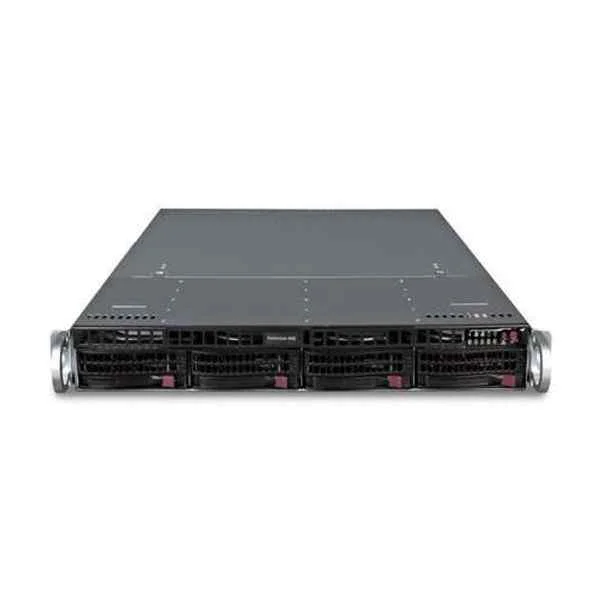
FAZ-400E (Fortinet FAZ-400E Centralized log & analysis appliance - 4 x GE RJ45, 12 TB storage, up to 75 GB/Day of Logs.)
4.2 (5)Est Value $20,707.14$10,353.57
50% offIn stockRefurbishedFirst-Time Buyer Discount – Get up to 2% additional off on your first order
ORM Rewards Earn $50 in Rewards + Free Expedited Delivery – Join Now!
Use eCoupon ORMSAVE10
eCoupon limited to 5 units
- BEST SELLING
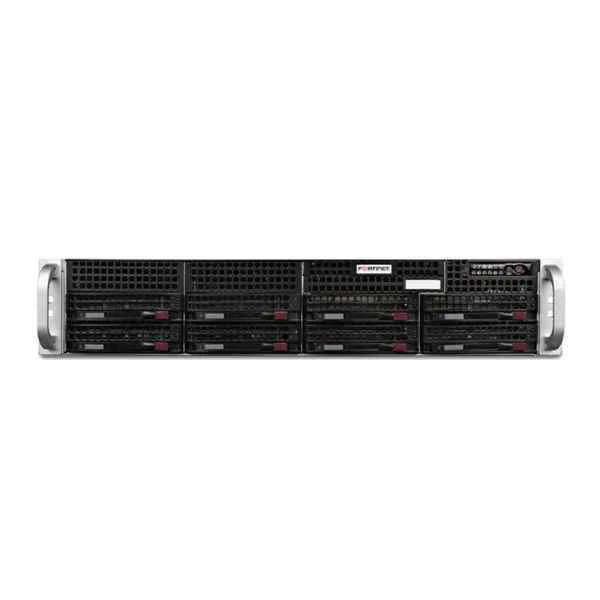
FAZ-1000E (Fortinet FAZ-1000E Centralized log & analysis appliance - 2x GE RJ45, 24TB storage, up to 300 GB/Day of Logs.)
5 (5)Est Value $45,987.78$22,993.89
50% offIn stockRefurbishedFirst-Time Buyer Discount – Get up to 2% additional off on your first order
ORM Rewards Earn $50 in Rewards + Free Expedited Delivery – Join Now!
Use eCoupon ORMSAVE10
eCoupon limited to 5 units
- BEST SELLING
FAZ-VM-GB500 (UPG LICS FOR 500GB/DAY OF LOGS)
4.4 (5)Est Value $38,973.77$25,371.93
34.9% offIn stockNewFirst-Time Buyer Discount – Get up to 2% additional off on your first order
ORM Rewards Earn $50 in Rewards + Free Expedited Delivery – Join Now!
Use eCoupon ORMSAVE10
eCoupon limited to 5 units
- BEST SELLING
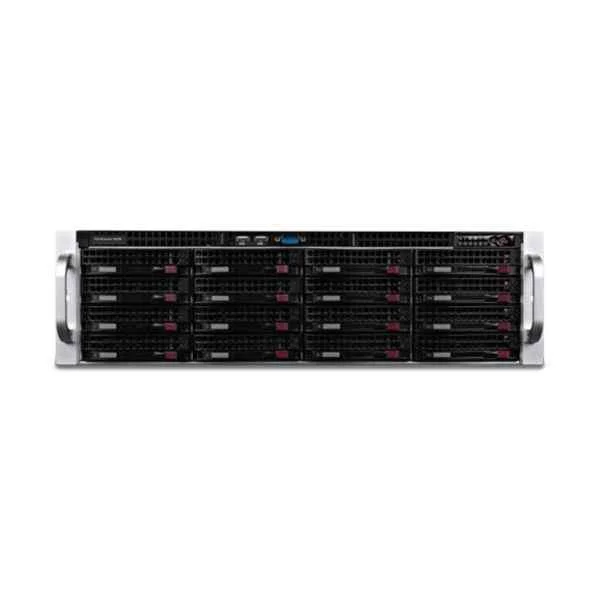
FAZ-3000F (Fortinet FAZ-3000F Centralized log&analysis appliance - 4x GE RJ45, 2x SFP+, 48TB storage, up to 1600 GB/Day of Logs.)
5 (5)Est Value $122,978.82$61,489.41
50% offIn stockRefurbishedFirst-Time Buyer Discount – Get up to 2% additional off on your first order
ORM Rewards Earn $50 in Rewards + Free Expedited Delivery – Join Now!
Use eCoupon ORMSAVE10
eCoupon limited to 5 units
- BEST SELLING
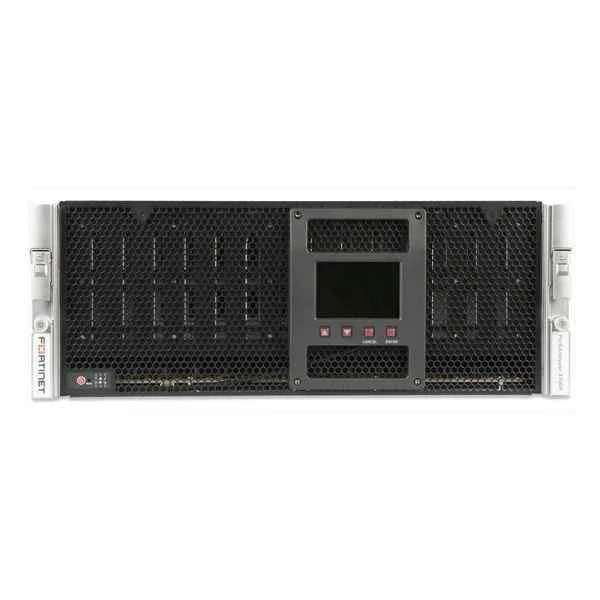
FAZ-3700F (Fortinet FAZ-3700F Centralized log & analysis appliance - 2 x GE RJ45, 2x SFP+ slots, 240 TB storage, up to 7,000 GB/Day of Logs.)
5 (5)Est Value $344,758.98$172,379.49
50% offIn stockRefurbishedFirst-Time Buyer Discount – Get up to 2% additional off on your first order
ORM Rewards Earn $50 in Rewards + Free Expedited Delivery – Join Now!
Use eCoupon ORMSAVE10
eCoupon limited to 5 units
- BEST SELLING
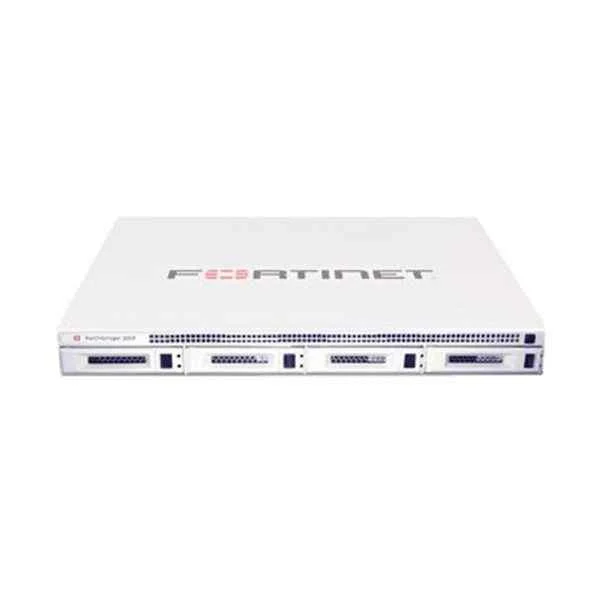
FAZ-800F (FortiAnalyzer-800F Centralized log & analysis appliance - 4x GE RJ45, 2x GE SFP, 16TB storage, up to 400 GB/Day of Logs)
4.2 (5)Est Value In stockFirst-Time Buyer Discount – Get up to 2% additional off on your first order
ORM Rewards Earn $50 in Rewards + Free Expedited Delivery – Join Now!
Use eCoupon ORMSAVE10
eCoupon limited to 5 units
- BEST SELLING
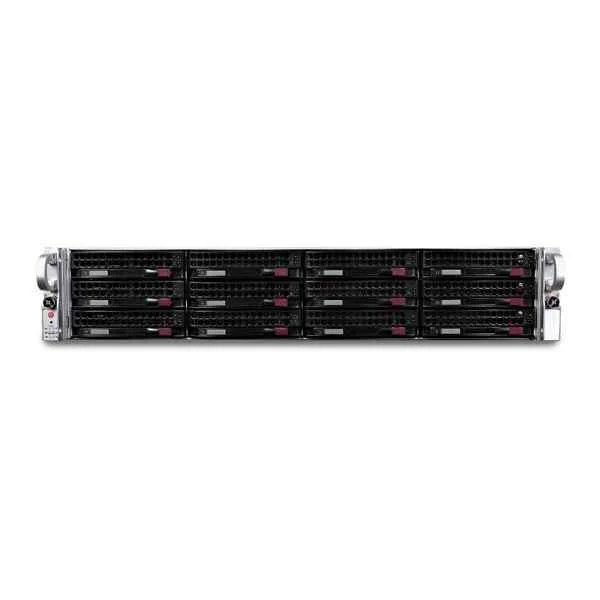
FAZ-2000E (Fortinet FAZ-2000E Centralized log&analysis appliance - 4x GE RJ45, 2x SFP+, 36TB storage, up to 500 GB/Day of Logs.)
4.4 (5)Est Value In stockFirst-Time Buyer Discount – Get up to 2% additional off on your first order
ORM Rewards Earn $50 in Rewards + Free Expedited Delivery – Join Now!
Use eCoupon ORMSAVE10
eCoupon limited to 5 units
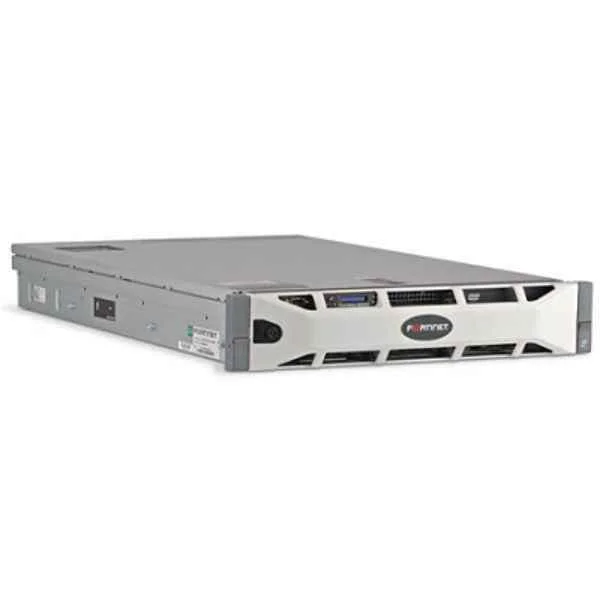
FAZ-VM-BASE (Base license for stackable FortiAnalyzer-VM; 1 GB/Day of Logs and 200 GB storage capacity. Unlimited GB/Day when used in collector mode only. Designed for AWS, VMware vSphere, Xen, KVM and Hyper-V platforms.)
4.2 (5)Est Value $3,013.50$1,506.75
50% offIn stockRefurbishedFirst-Time Buyer Discount – Get up to 2% additional off on your first order
ORM Rewards Earn $50 in Rewards + Free Expedited Delivery – Join Now!
Use eCoupon ORMSAVE10
eCoupon limited to 5 units
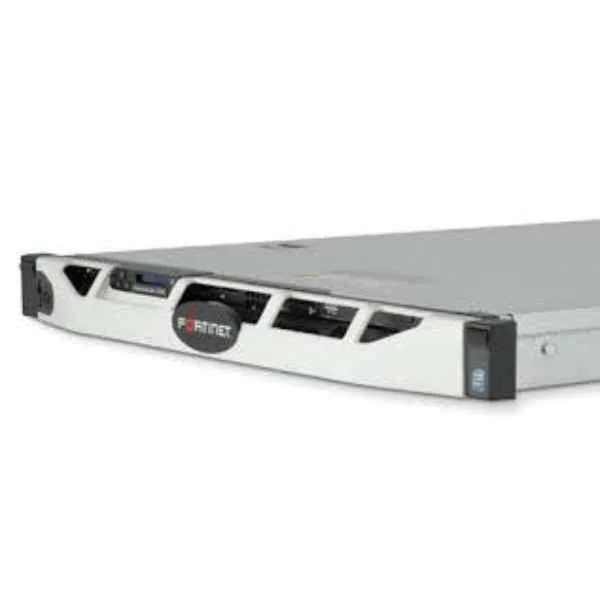
FAZ-VM-GB100 (UPG LICS FOR 100GB/DAY OF LOGS)
4.6 (5)Est Value $27,403.65$25,435.89
7.2% offIn stockNewRefurbishedFirst-Time Buyer Discount – Get up to 2% additional off on your first order
ORM Rewards Earn $50 in Rewards + Free Expedited Delivery – Join Now!
Use eCoupon ORMSAVE10
eCoupon limited to 5 units
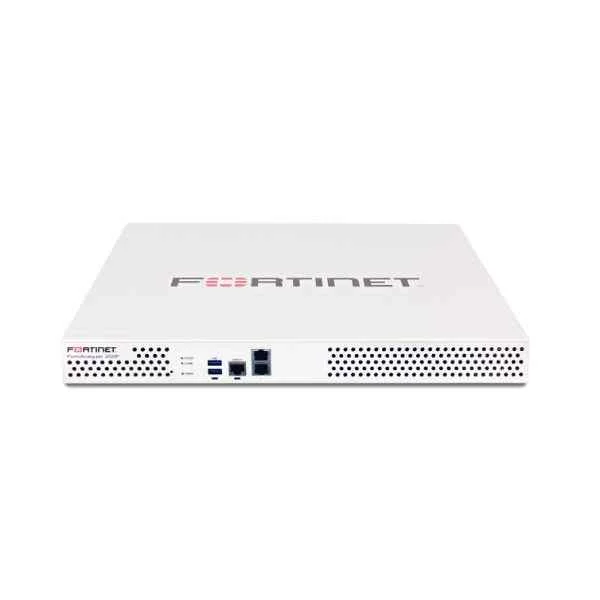
FAZ-VM-GB2000 (UPG LICS FOR 2TB/DAY OF LOGS)
4.2 (5)Est Value $124,716.08$91,193.45
26.9% offIn stockNewRefurbishedFirst-Time Buyer Discount – Get up to 2% additional off on your first order
ORM Rewards Earn $50 in Rewards + Free Expedited Delivery – Join Now!
Use eCoupon ORMSAVE10
eCoupon limited to 5 units
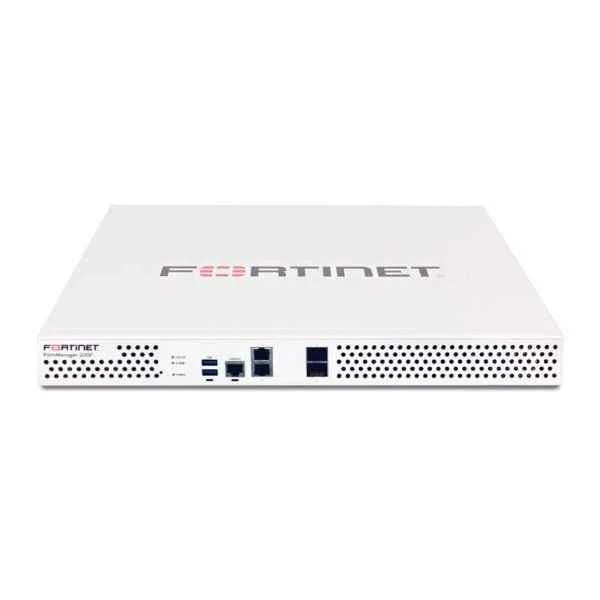
FAZ-300F (Fortinet FAZ-300F Centralized log & analysis appliance - 2x GE RJ45, 2x SFP, 8TB storage, up to 150GB/Day of Logs)
4.6 (5)Est Value In stockFirst-Time Buyer Discount – Get up to 2% additional off on your first order
ORM Rewards Earn $50 in Rewards + Free Expedited Delivery – Join Now!
Use eCoupon ORMSAVE10
eCoupon limited to 5 units

ORM Sales Advisors
Buying for your business? Get a personalised quote in under 2 hours. Talk to an expert
LEARNFilters (15) 
Questions & Answers
What is FortiManager in Fortinet’s Others portfolio?
FortiManager is a centralized network management solution that simplifies configuration, policy administration, firmware updates and compliance reporting across all Fortinet devices from a single console.
What is FortiAnalyzer and how does it support security operations?
FortiAnalyzer provides consolidated logging, real-time analytics and incident scoring to accelerate threat detection, forensic investigations and compliance audits across your Fortinet deployments.
What is FortiClient and what key features does it offer?
FortiClient is an integrated endpoint security agent delivering antivirus, vulnerability scanning, web filtering and SSL-VPN connectivity to protect remote and on-premises workstations.
What is FortiAuthenticator used for?
FortiAuthenticator centralizes identity management, two-factor authentication and single sign-on to strengthen user access control and streamline authentication workflows.
How does FortiToken enhance remote access security?
FortiToken provides time-based one-time passwords (TOTP) and push-based two-factor authentication to secure VPN and web-based remote logins without requiring additional hardware.
What capabilities does FortiNAC deliver?
FortiNAC offers network access control, device profiling and automated response to enforce security policies for IoT, BYOD and traditional endpoints at scale.
What is FortiCASB and why is it important?
FortiCASB is a cloud access security broker that delivers visibility, data protection and threat prevention for sanctioned SaaS, IaaS and PaaS applications.
How does FortiSIEM improve threat monitoring?
FortiSIEM unifies SIEM, network performance monitoring and user entity behavior analytics to provide real-time threat detection, automated remediation and compliance reporting.
What role does FortiSandbox play in advanced threat protection?
FortiSandbox executes suspicious files and URLs in an isolated environment to detect unknown malware, zero-day exploits and targeted attacks before they reach production systems.
What is FortiGate Cloud and how does it support firewall management?
FortiGate Cloud is a SaaS management platform that offers centralized logging, analytics, configuration backups and simplified policy orchestration for FortiGate firewalls.
What services are included in FortiGuard subscription?
FortiGuard provides continuously updated threat intelligence, antivirus, IPS, web filtering, application control and sandboxing to keep your Fortinet security fabric defenses current.
How do I integrate FortiManager with FortiGate devices?
In FortiManager’s GUI, navigate to Device Manager, select 'Add Device,' enter the FortiGate’s management IP and credentials, assign the device to an ADOM, then synchronize configuration and policies.
How do I update firmware on FortiAnalyzer?
Log in to the FortiAnalyzer web interface, go to System Settings > Firmware Management, upload the new firmware image, click 'Install,' and allow the appliance to reboot to apply the update.
How can I deploy FortiClient Enterprise Management Server (EMS)?
Install FortiClient EMS on a Windows or Linux server, configure the database, register endpoints via the EMS web portal, assign security profiles and deploy policies to managed clients.
What steps are required to register a FortiToken?
In FortiGate or FortiAuthenticator GUI, navigate to User & Device > Two-Factor, select 'Create New,' enter the token serial number or activation code, assign it to the target user and apply the settings.
How do I configure FortiAuthenticator for single sign-on (SSO)?
In FortiAuthenticator, enable the LDAP or RADIUS connector for your directory service, configure the SSO agents on endpoints or applications, and map user groups to authentication rules for seamless login.