 United States
Pan-Tilt-Zoom Intelligent Security Systems
Experience unparalleled monitoring precision with our Pan-Tilt-Zoom Intelligent Security Systems. Engineered for dynamic real-time tracking and comprehensive surveillance, these systems ensure superior facility protection and impeccable operational reliability.
Talk to an expert
Hikvision Ptz
(113)Hikvision PTZ cameras support ONVIF video over IP for guarded campus entrances, parking perimeters, and multi-zone surveillance posts
Dahua Ptz
(6)Dahua PTZ cameras support ONVIF IP video and H.265 encoding for municipal monitoring posts, depot entrances, and campus roadways
119 Matching results
- BEST SELLING
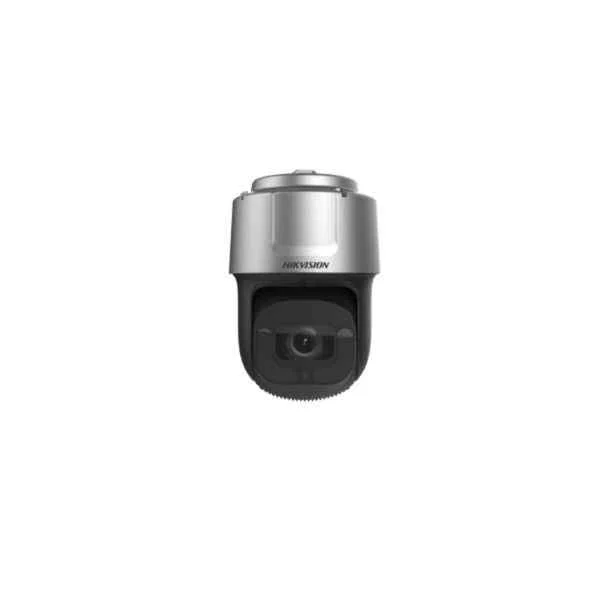
DS-2DF8C442IXS-AEL(T2) (8-inch 4 MP 42X DarkFighter IR Network Speed Dome)
4.8 (5)- Security Camera
- Hikvision
- Turret
- IP Camera
- 4MP
- Motorized
- Motion Detection / ANPR
Est Value In stock
First-Time Buyer Discount – Get up to 2% additional off on your first order
ORM Rewards Earn $50 in Rewards + Free Expedited Delivery – Join Now!
Use eCoupon ORMSAVE10
eCoupon limited to 5 units
- BEST SELLING
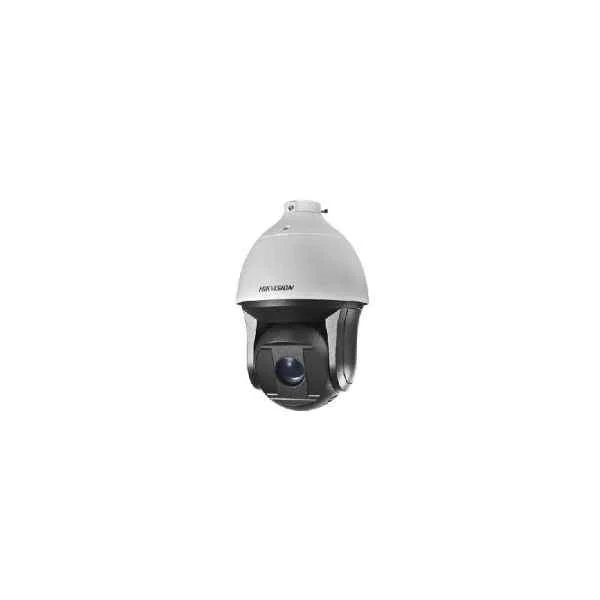
DS-2DF8242IX-AEL(W) (8-inch 2MP 42X DarkFighter IR Network Speed Dome)
4.8 (5)- Security Camera
- Hikvision
- Turret
- IP Camera
- 4MP
- Motorized
- Motion Detection
Est Value In stockFirst-Time Buyer Discount – Get up to 2% additional off on your first order
ORM Rewards Earn $50 in Rewards + Free Expedited Delivery – Join Now!
Use eCoupon ORMSAVE10
eCoupon limited to 5 units
- BEST SELLING
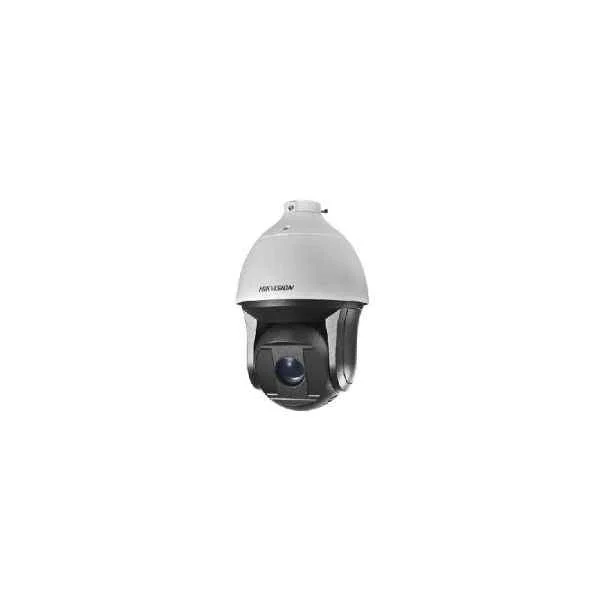
DS-2DF8425IX-AEL(W) (8-inch 4MP 25X DarkFighter IR Network Speed Dome)
4.6 (5)- Security Camera
- Hikvision
- Bullet
- IP Camera
- 4MP
- Motorized
- ANPR
Est Value In stockFirst-Time Buyer Discount – Get up to 2% additional off on your first order
ORM Rewards Earn $50 in Rewards + Free Expedited Delivery – Join Now!
Use eCoupon ORMSAVE10
eCoupon limited to 5 units
- BEST SELLING
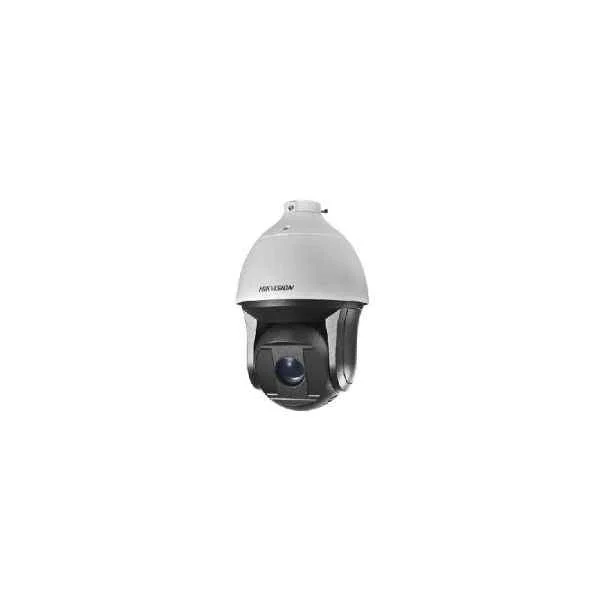
DS-2DF8825IX-AEL(W) (8-inch 4K 25X Powered by DarkFighter IR Network Speed Dome)
4.2 (5)- Security Camera
- Hikvision
- Turret
- IP Camera
- 4MP
- Motorized
- Motion Detection
Est Value In stockFirst-Time Buyer Discount – Get up to 2% additional off on your first order
ORM Rewards Earn $50 in Rewards + Free Expedited Delivery – Join Now!
Use eCoupon ORMSAVE10
eCoupon limited to 5 units
- BEST SELLING
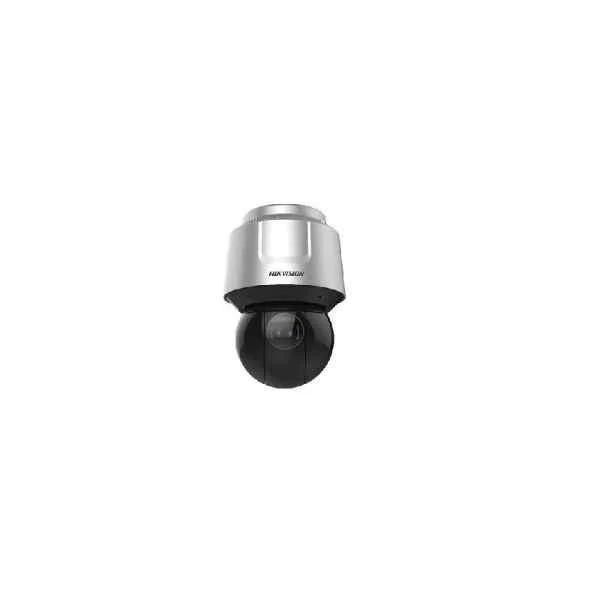
DS-2DF8A436IX-AEL (8-inch 4MP 36X DarkFighter IR Network Speed Dome)
4.2 (5)- Security Camera
- Hikvision
- PTZ
- IP Camera
- 1080p
- Motorized
- ANPR
Est Value In stockFirst-Time Buyer Discount – Get up to 2% additional off on your first order
ORM Rewards Earn $50 in Rewards + Free Expedited Delivery – Join Now!
Use eCoupon ORMSAVE10
eCoupon limited to 5 units
- BEST SELLING
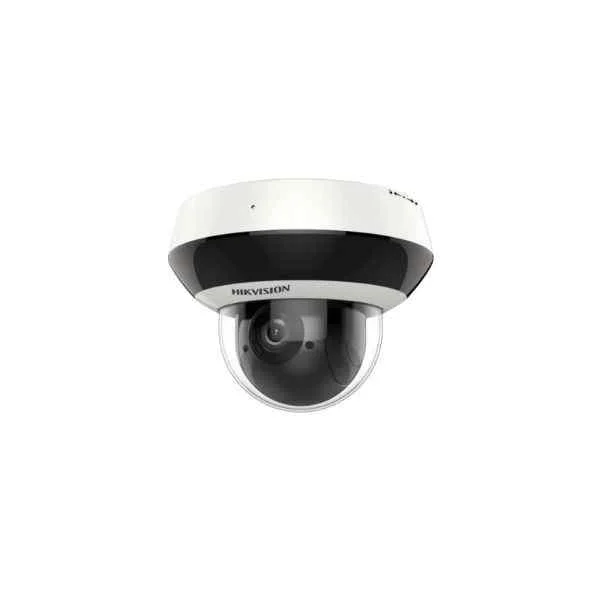
DS-2DE2A404IW-DE3 (2-inch 4MP 4X Powered by DarkFighter IR Network Speed Dome)
4.6 (5)- Security Camera
- Hikvision
- Bullet
- IP Camera
- 4MP
- Varifocal
- Motion Detection
Est Value In stockFirst-Time Buyer Discount – Get up to 2% additional off on your first order
ORM Rewards Earn $50 in Rewards + Free Expedited Delivery – Join Now!
Use eCoupon ORMSAVE10
eCoupon limited to 5 units
- BEST SELLING
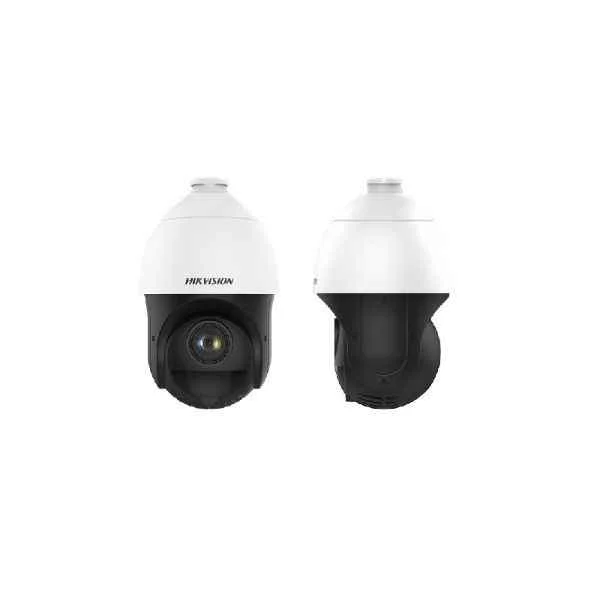
DS-2DE4225IW-DE(S5) (4-inch 2 MP 25X Powered by DarkFighter IR Network Speed Dome)
4.6 (5)- Security Camera
- Hikvision
- PTZ
- IP Camera
- 2MP
- Motorized
Est Value In stockFirst-Time Buyer Discount – Get up to 2% additional off on your first order
ORM Rewards Earn $50 in Rewards + Free Expedited Delivery – Join Now!
Use eCoupon ORMSAVE10
eCoupon limited to 5 units
- BEST SELLING
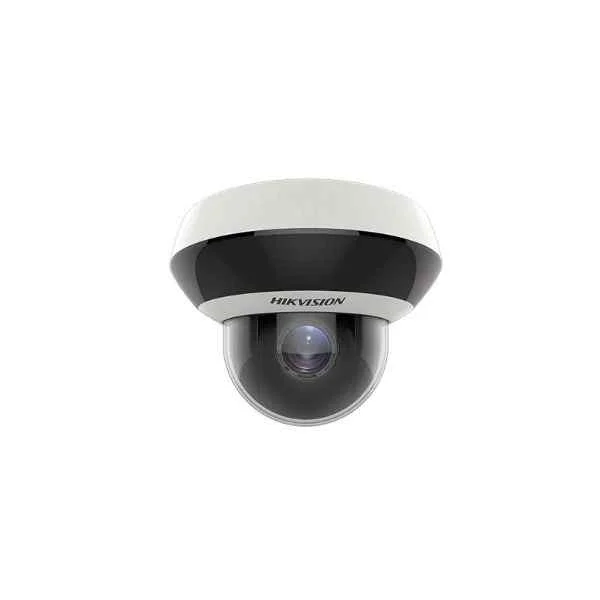
DS-2DE2A204IW-DE3 (2MP Max Resolution, Optical: 4X + Digital: 16X zoom, Pan: 0°-330° + Tilt: 0°-90°, IP66, IK10 Protection, 2.8-12mm lens + F1.6, 120dB WDR, 20m, IR, DC12V & PoE power)
4.6 (5)- Security Camera
- Hikvision
- PTZ
- IP Camera
- 2MP
- Motorized
- Motion Detection
Est Value In stockFirst-Time Buyer Discount – Get up to 2% additional off on your first order
ORM Rewards Earn $50 in Rewards + Free Expedited Delivery – Join Now!
Use eCoupon ORMSAVE10
eCoupon limited to 5 units
- BEST SELLING
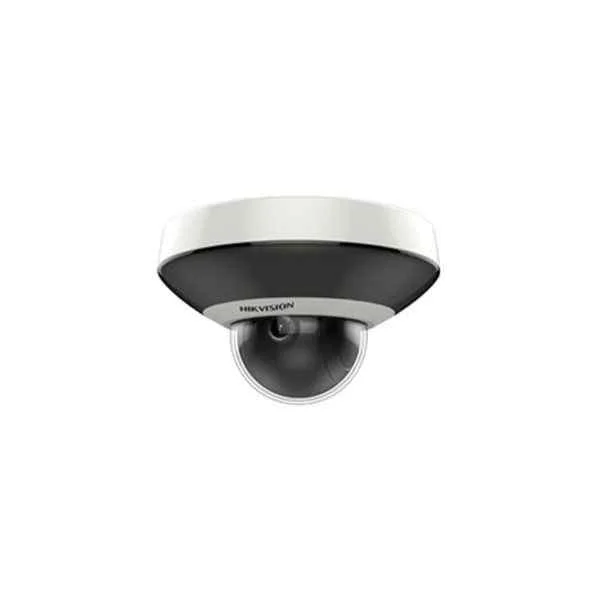
DS-2DE1A200IW-DE3 (2MP Max Resolution, Optical: - + Digital: 16X zoom, Pan: 0°-330° + Tilt: 0°-90°, IP66, IK08 Protection, 2.8/4mm Fixed lens + F1.6, 120dB WDR, 15m, IR, DC12V & PoE power)
5 (5)- Security Camera
- Hikvision
- Turret
- IP Camera
- 2MP
- Fixed
Est Value In stockFirst-Time Buyer Discount – Get up to 2% additional off on your first order
ORM Rewards Earn $50 in Rewards + Free Expedited Delivery – Join Now!
Use eCoupon ORMSAVE10
eCoupon limited to 5 units
- BEST SELLING
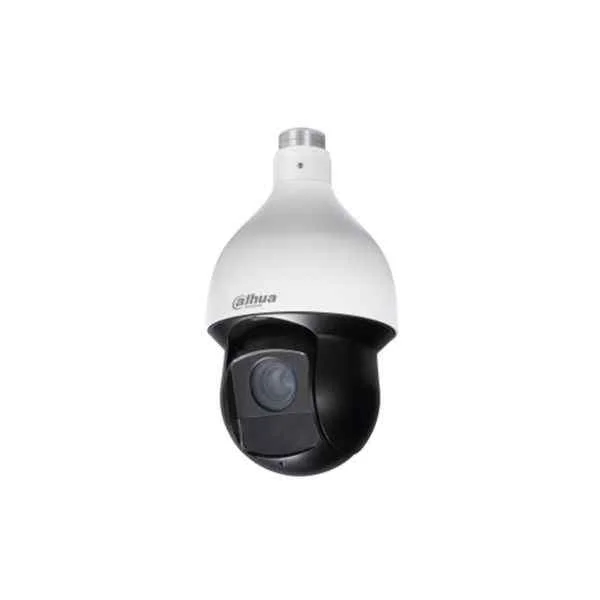
SD49131I-HC-S3 (Dahua 1MP PTZ)
4.8 (6)- Security Camera
- Dahua
- Turret
- IP Camera
- 4MP
- Fixed
Est Value In stockFirst-Time Buyer Discount – Get up to 2% additional off on your first order
ORM Rewards Earn $50 in Rewards + Free Expedited Delivery – Join Now!
Use eCoupon ORMSAVE10
eCoupon limited to 5 units
- BEST SELLING
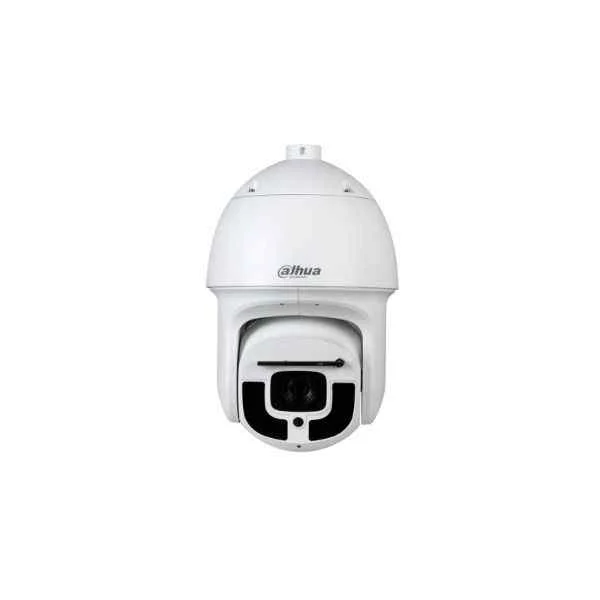
SD10A848WA-HNF (Dahua 4K PTZ)
4.7 (6)- Security Camera
- Dahua
- Bullet
- IP Camera
- 1080p
- Fixed
- Motion Detection
Est Value In stockFirst-Time Buyer Discount – Get up to 2% additional off on your first order
ORM Rewards Earn $50 in Rewards + Free Expedited Delivery – Join Now!
Use eCoupon ORMSAVE10
eCoupon limited to 5 units
- FEARURED
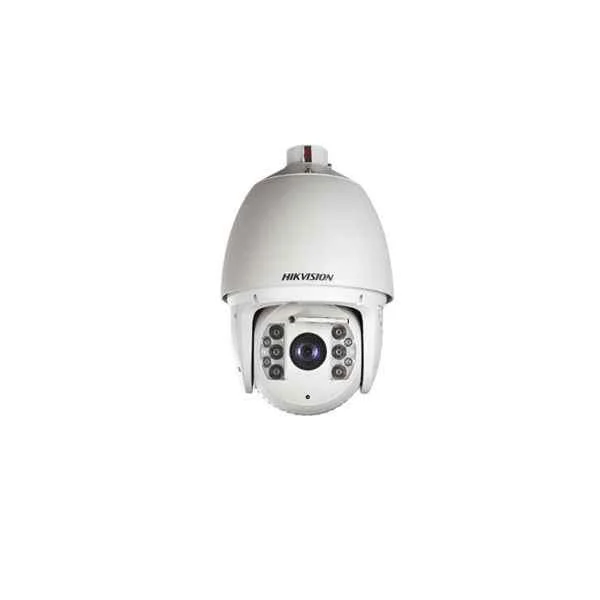
DS-2DF7232IX-AEL (7-inch 2 MP 32X DarkFighter IR Network Speed Dome)
4.2 (5)- Security Camera
- Hikvision
- Turret
- IP Camera
- 4MP
- Motorized
Est Value In stockFirst-Time Buyer Discount – Get up to 2% additional off on your first order
ORM Rewards Earn $50 in Rewards + Free Expedited Delivery – Join Now!
Use eCoupon ORMSAVE10
eCoupon limited to 5 units
- FEARURED
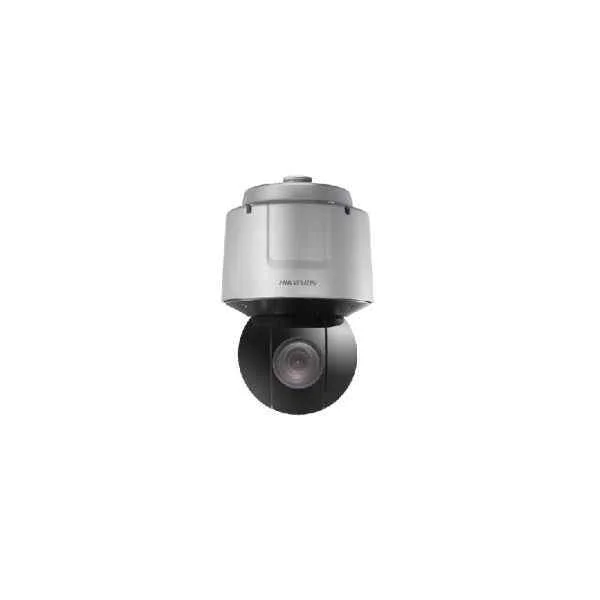
DS-2DF6A236X-AEL (6-inch 2 MP 36X DarkFighter Network Speed Dome)
5 (5)- Security Camera
- Hikvision
- Bullet
- IP Camera
- 2MP
- Motorized
- ANPR
Est Value In stockFirst-Time Buyer Discount – Get up to 2% additional off on your first order
ORM Rewards Earn $50 in Rewards + Free Expedited Delivery – Join Now!
Use eCoupon ORMSAVE10
eCoupon limited to 5 units
- FEARURED
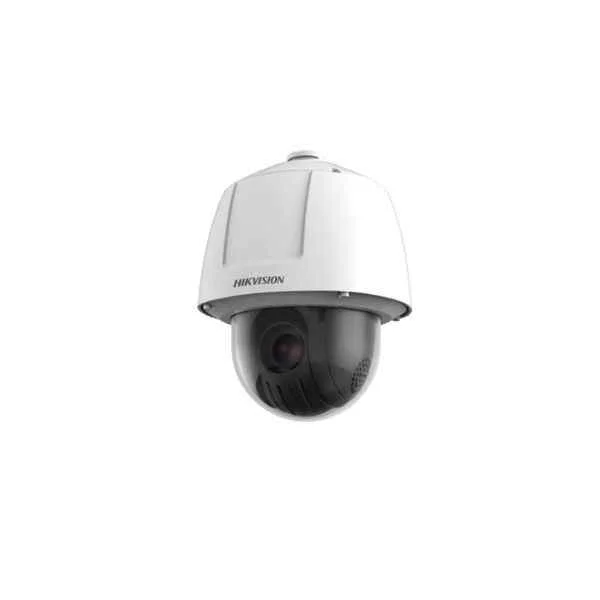
DS-2DF6225X-AELY (6-inch 2 MP 25X DarkFighter Network Speed Dome)
4.4 (5)- Security Camera
- Hikvision
- Bullet
- IP Camera
- 4MP
- Varifocal
- Motion Detection
Est Value In stockFirst-Time Buyer Discount – Get up to 2% additional off on your first order
ORM Rewards Earn $50 in Rewards + Free Expedited Delivery – Join Now!
Use eCoupon ORMSAVE10
eCoupon limited to 5 units
- FEARURED
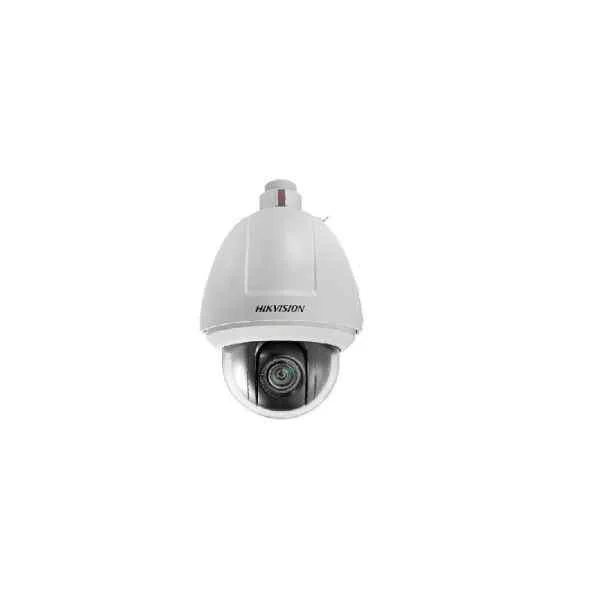
DS-2DF5232X-AEL (5-inch 2 MP 32X DarkFighter Network Speed Dome)
4.6 (5)- Security Camera
- Hikvision
- Bullet
- IP Camera
- 4MP
- Motorized
Est Value In stockFirst-Time Buyer Discount – Get up to 2% additional off on your first order
ORM Rewards Earn $50 in Rewards + Free Expedited Delivery – Join Now!
Use eCoupon ORMSAVE10
eCoupon limited to 5 units
- FEARURED
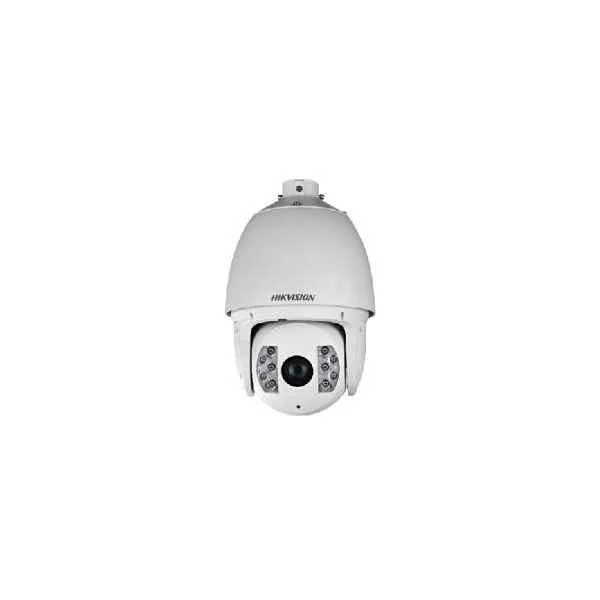
DS-2DF7225IX-AEL (7-inch 2 MP 25X DarkFighter IR Network Speed Dome)
5 (5)- Security Camera
- Hikvision
- Turret
- IP Camera
- 1080p
- Varifocal
- Motion Detection
Est Value In stockFirst-Time Buyer Discount – Get up to 2% additional off on your first order
ORM Rewards Earn $50 in Rewards + Free Expedited Delivery – Join Now!
Use eCoupon ORMSAVE10
eCoupon limited to 5 units
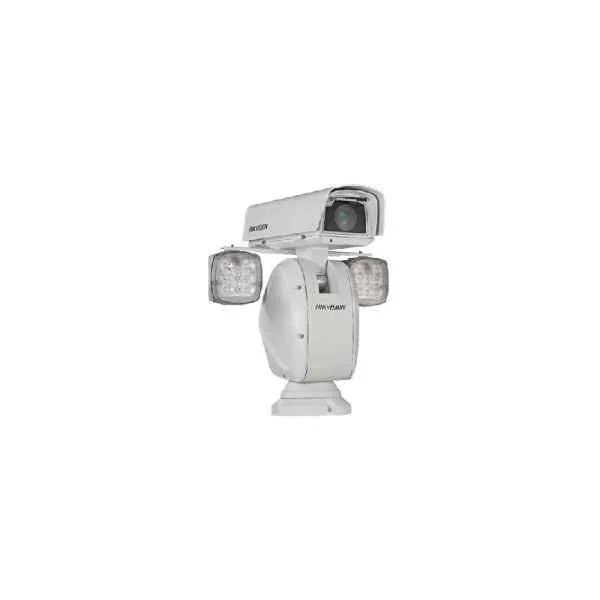
DS-2DY9236IX-A (9-inch 2 MP 36X DarkFighter IR Network Positioning System)
4.2 (5)- Security Camera
- Hikvision
- Bullet
- IP Camera
- 4MP
- Fixed
- Motion Detection
Est Value In stockFirst-Time Buyer Discount – Get up to 2% additional off on your first order
ORM Rewards Earn $50 in Rewards + Free Expedited Delivery – Join Now!
Use eCoupon ORMSAVE10
eCoupon limited to 5 units
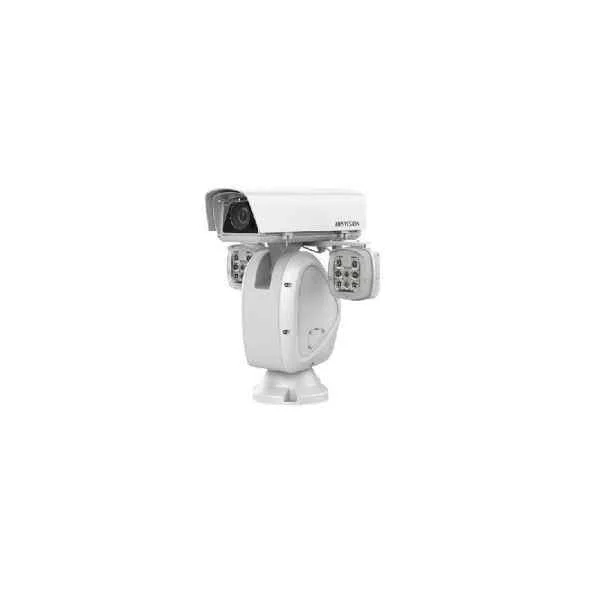
DS-2DY9225IH-A (9-inch 2 MP 25X DarkFighterX IR Network Positioning System)
4.6 (5)- Security Camera
- Hikvision
- Turret
- IP Camera
- 4MP
- Varifocal
- Motion Detection
Est Value In stockFirst-Time Buyer Discount – Get up to 2% additional off on your first order
ORM Rewards Earn $50 in Rewards + Free Expedited Delivery – Join Now!
Use eCoupon ORMSAVE10
eCoupon limited to 5 units
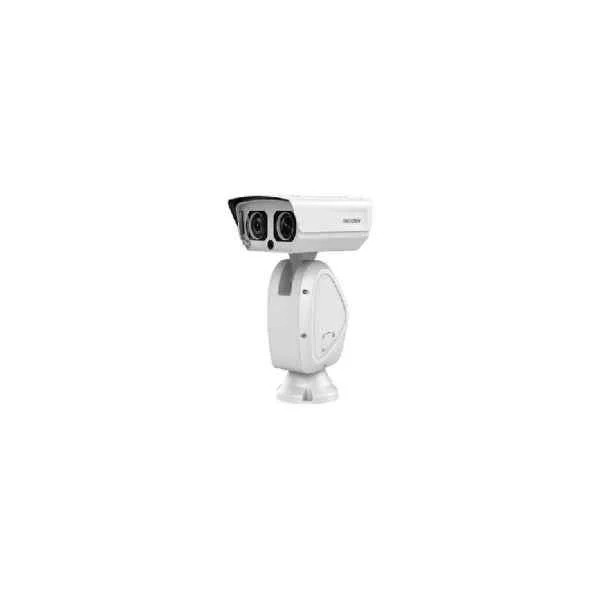
DS-2DY9236I8X-A (9-inch 2 MP 36X DarkFighter Laser Network Positioning System)
4.2 (5)- Security Camera
- Hikvision
- Bullet
- IP Camera
- 4MP
- Varifocal
- Motion Detection / ANPR
Est Value In stockFirst-Time Buyer Discount – Get up to 2% additional off on your first order
ORM Rewards Earn $50 in Rewards + Free Expedited Delivery – Join Now!
Use eCoupon ORMSAVE10
eCoupon limited to 5 units
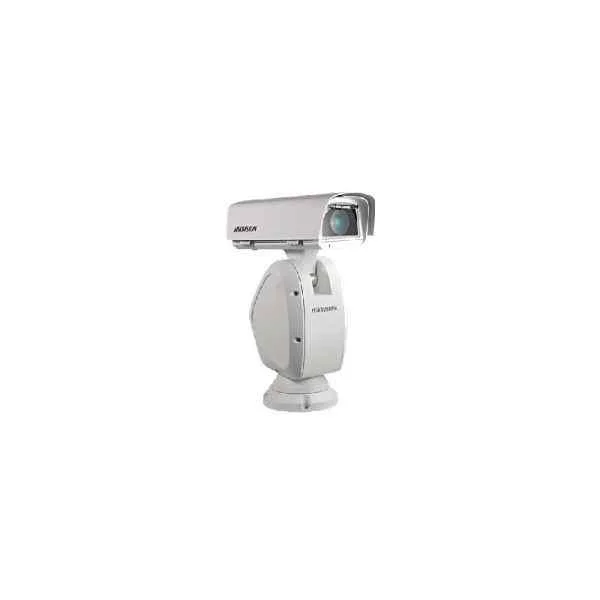
DS-2DY9236X-A (9-inch 2 MP 36X DarkFighter Network Positioning System)
4.8 (5)- Security Camera
- Hikvision
- Bullet
- IP Camera
- 1080p
- Motorized
- ANPR
Est Value In stockFirst-Time Buyer Discount – Get up to 2% additional off on your first order
ORM Rewards Earn $50 in Rewards + Free Expedited Delivery – Join Now!
Use eCoupon ORMSAVE10
eCoupon limited to 5 units

ORM Sales Advisors
Buying for your business? Get a personalised quote in under 2 hours. Talk to an expert
LEARNFilters (119) 
Questions & Answers
What is a Pan-Tilt-Zoom (PTZ) camera?
A PTZ camera is a security or surveillance device with remote-controlled horizontal panning, vertical tilting and optical zoom capabilities for dynamic, wide-area monitoring.
How does a PTZ camera work?
PTZ cameras use motorized mechanisms to rotate on two axes (pan and tilt) and adjust lens focal length (zoom), enabling real-time repositioning and magnification under user or automated control.
What are the main benefits of PTZ cameras?
PTZ cameras provide flexible coverage, active tracking, and high-resolution zooming, reducing camera count while ensuring detailed views of large areas or moving subjects.
How do PTZ cameras differ from fixed cameras?
Unlike fixed cameras, PTZ models offer motorized movement and optical zoom, allowing operators to change viewing angles and magnification on demand without manual repositioning.
How do I choose the right PTZ camera for my needs?
Select a PTZ camera based on coverage area, optical zoom range, frame rate, low-light performance, control interface compatibility and environmental rating for indoor or outdoor use.
Can PTZ cameras operate in low-light conditions?
Yes. Many PTZ cameras feature low-light sensors, infrared illumination or advanced image processing (e.g., WDR and noise reduction) to maintain clarity in dim environments.
What is the typical installation process for a PTZ camera?
Install a PTZ camera by mounting it on a secure surface or pole, connecting power and network feeds, configuring IP settings, then calibrating pan, tilt and zoom limits via the control software.
How do I control PTZ cameras remotely?
You can control PTZ cameras via web-based interfaces, VMS software, mobile apps or hardware joysticks, using on-screen controls or presets to adjust position and zoom in real time.
What security protocols do PTZ cameras support?
Modern PTZ cameras support industry-standard encryption (SSL/TLS), ONVIF compatibility, password protection and secure network protocols (HTTPS, RTSP over TCP) to safeguard video streams and control commands.
What are common use cases for PTZ cameras?
PTZ cameras excel in perimeter surveillance, traffic monitoring, event coverage, retail loss prevention and public safety, where active monitoring and swift area coverage are critical.
How do presets and patrols work in PTZ cameras?
Presets store specific pan, tilt and zoom positions; patrols sequence multiple presets on a schedule, enabling automated tours of designated areas for consistent coverage.
How do I integrate a PTZ camera with my existing security system?
Integrate PTZ cameras via ONVIF-compliant NVRs, VMS platforms or network switches, mapping RTSP streams and control protocols in your security software for unified monitoring and recording.
What factors affect PTZ camera image quality?
Image quality depends on sensor resolution, optical zoom range, lens aperture, image processing (WDR, noise reduction) and environmental conditions like lighting and weather.
How do I maintain and service a PTZ camera?
Maintain PTZ cameras by regularly cleaning lenses, inspecting wiring and mounts, updating firmware, lubricating moving parts if recommended, and testing pan, tilt and zoom functions.
Are PTZ cameras suitable for outdoor environments?
Yes. Outdoor PTZ cameras feature IP66/IP67 weatherproofing, temperature-rated housings and sometimes integrated heaters or fans to ensure reliable operation in harsh conditions.
What network requirements are needed for IP PTZ cameras?
IP PTZ cameras typically require a stable Ethernet connection (10/100/1000 Mbps), PoE support for power over data and sufficient bandwidth to handle high-resolution video streams.
How much does a PTZ camera cost and what should I consider?
PTZ camera prices vary from $200 to over $2,000 based on resolution, zoom range, low-light features, weatherproofing and analytics capabilities—choose based on your coverage and budget requirements.