 United States
Enterprise Routers AR6000 Series
The AR6000 Series Enterprise Routers deliver exceptional performance, reliable security, and expansive scalability designed to empower critical networks, optimize connectivity, and ensure seamless business operations.
Talk to an expert
7 Matching results
- BEST SELLING
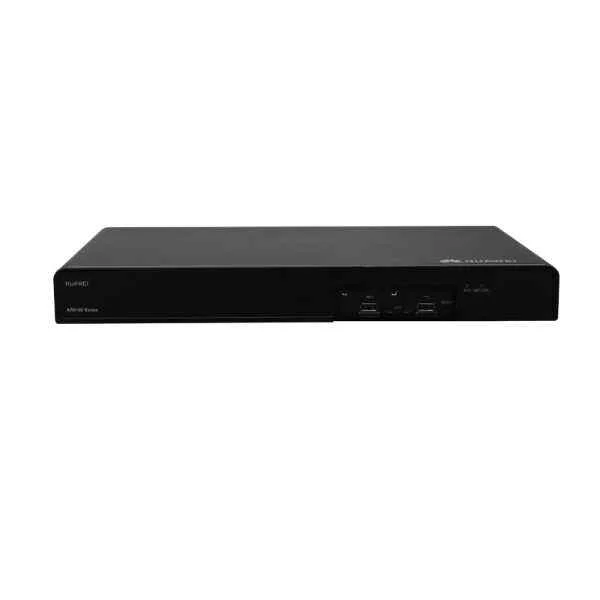
AR6120 (AR6120,1*GE WAN,1*GE combo WAN,1*10GE SFP+,8*GE LAN,2*USB,2*SIC)
4.5 (6)- Enterprise Router
- Huawei
- IPSec / SSL VPN / DMVPN
- AC Power Supply / DC Power Supply / Redundant
- OSPF / BGP / EIGRP / MPLS / RIP / Static Routing
- Fiber Optic
- Modular
Est Value $1,679.33
$476.08
71.7% offIn stockNewFirst-Time Buyer Discount – Get up to 2% additional off on your first order
ORM Rewards Earn $50 in Rewards + Free Expedited Delivery – Join Now!
Use eCoupon ORMSAVE10
eCoupon limited to 5 units
- BEST SELLING
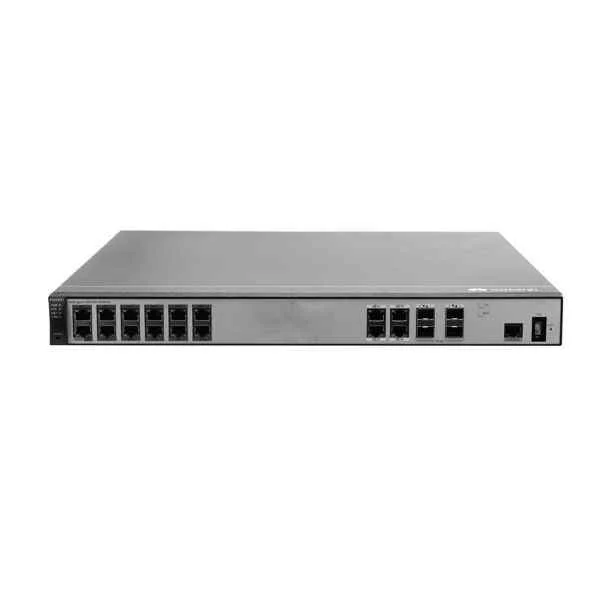
AR6140-16G4XG (AR6140-16G4XG 4*GE 4*10GE SFP+ WAN,12*GE LAN,1*USB 2.0,4*SIC slot,2*WSIC slot,2*POWER slot)
4.7 (6)- Enterprise Router
- Huawei
- IPSec / SSL VPN / GRE / DMVPN / FlexVPN
- AC Power Supply with Redundant DC Option
- OSPF / BGP / EIGRP / RIP / Static Routing
- Fiber Optic / DSL
- Fixed
Est Value $4,215.26$2,107.63
50% offIn stockRefurbishedFirst-Time Buyer Discount – Get up to 2% additional off on your first order
ORM Rewards Earn $50 in Rewards + Free Expedited Delivery – Join Now!
Use eCoupon ORMSAVE10
eCoupon limited to 5 units
- BEST SELLING
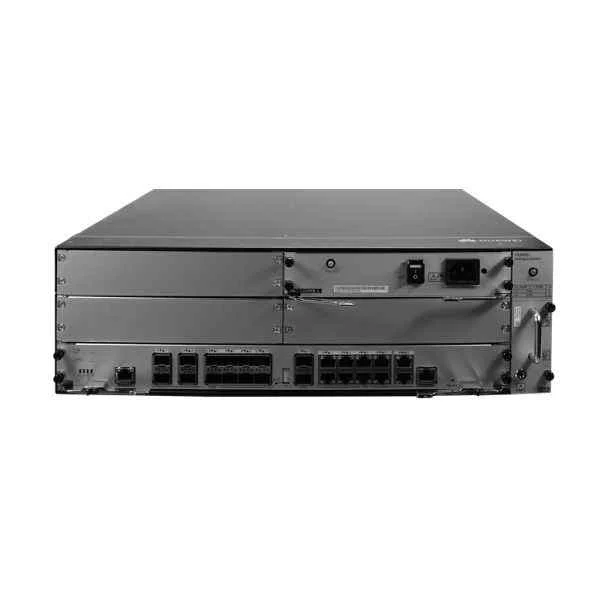
AR6300 (AR6300 integrated chassis,1*SRU slot,4*SIC slot,2*WSIC slot,4*XSIC slot,2*POWER slot)
4.5 (6)- Enterprise Router
- Huawei
- IPSec / SSL VPN / GRE / DMVPN
- AC Power Supply / Redundant
- OSPF / BGP / EIGRP / MPLS / Static Routing
- Fiber Optic / DSL / LTE
- Modular
Est Value $9,071.00$4,497.15
50.4% offIn stockNewFirst-Time Buyer Discount – Get up to 2% additional off on your first order
ORM Rewards Earn $50 in Rewards + Free Expedited Delivery – Join Now!
Use eCoupon ORMSAVE10
eCoupon limited to 5 units
- BEST SELLING
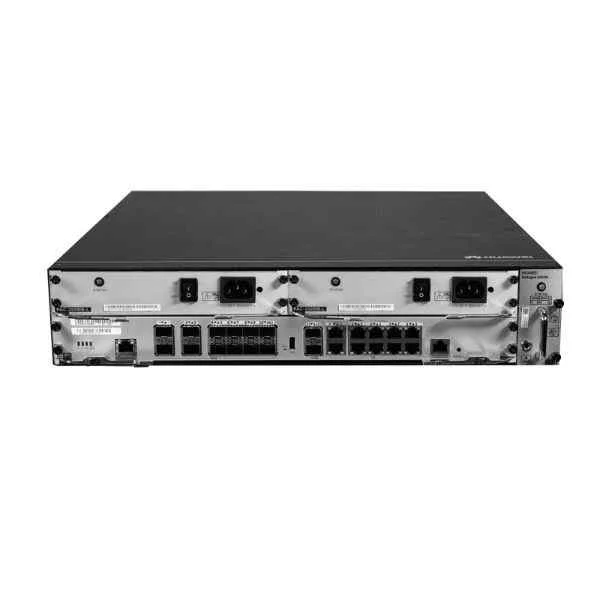
AR6280 (AR6280 integrated chassis,1*SRU slot,4*SIC slot,2*WSIC slot,2*XSIC slot,2*POWER slot)
4.7 (6)- Enterprise Router
- Huawei
- IPSec / SSL VPN / GRE
- AC Power Supply / Redundant
- OSPF / BGP / Static Routing
- Fiber Optic
- Modular
Est Value $6,143.00$4,839.45
21.2% offIn stockNewFirst-Time Buyer Discount – Get up to 2% additional off on your first order
ORM Rewards Earn $50 in Rewards + Free Expedited Delivery – Join Now!
Use eCoupon ORMSAVE10
eCoupon limited to 5 units
- FEARURED
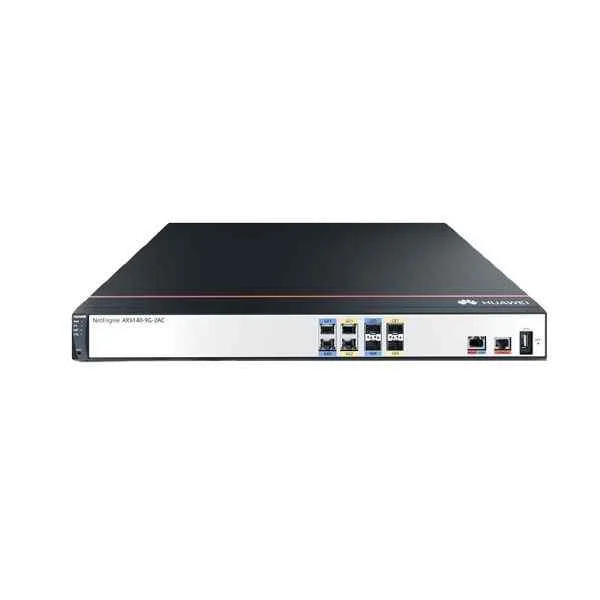
AR6140-9G-2AC (AR6140-9G-2AC AC host, 5*GE RJ45, 4*GE SFP, 1*USB 3.0)
4.7 (6)- Enterprise Router
- Huawei
- IPSec / SSL VPN
- AC Power Supply / Redundant
- OSPF / BGP / EIGRP / RIP / Static Routing
- Fixed
Est Value $2,630.28$635.22
75.8% offIn stockNewFirst-Time Buyer Discount – Get up to 2% additional off on your first order
ORM Rewards Earn $50 in Rewards + Free Expedited Delivery – Join Now!
Use eCoupon ORMSAVE10
eCoupon limited to 5 units
- BEST SELLING
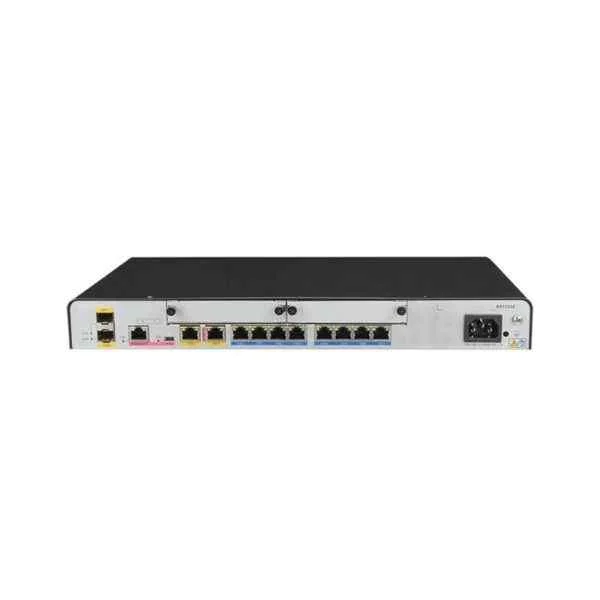
AR6120-S (Huawei AR6120-S 1*GE WAN, 1*GE combo WAN, 1*10GE SFP+, 8*GE LAN, 2*USB, 2*SIC Enterprise Router Replaces AR1220E-S)
4.8 (6)- Enterprise Router
- Huawei
- IPSec / SSL VPN / GRE / DMVPN / FlexVPN
- AC Power Supply / DC Power Supply / Redundant
- OSPF / BGP / EIGRP / MPLS / Static Routing
- Fiber Optic
- Modular
Est Value In stockFirst-Time Buyer Discount – Get up to 2% additional off on your first order
ORM Rewards Earn $50 in Rewards + Free Expedited Delivery – Join Now!
Use eCoupon ORMSAVE10
eCoupon limited to 5 units
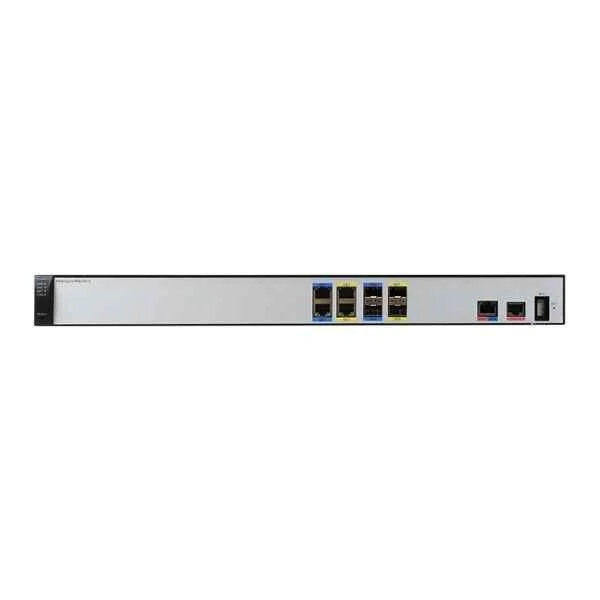
AR6140-S (Huawei AR6140-S 5 Gigabit Power 4 Gigaoptical enterprise router sits instead of AR2220E-S.)
4.5 (6)- Enterprise Router
- Huawei
- IPSec / SSL VPN
- AC Power Supply / Redundant
- OSPF / BGP / EIGRP / RIP / Static Routing
- Fiber Optic
- Modular
Est Value In stockFirst-Time Buyer Discount – Get up to 2% additional off on your first order
ORM Rewards Earn $50 in Rewards + Free Expedited Delivery – Join Now!
Use eCoupon ORMSAVE10
eCoupon limited to 5 units

ORM Sales Advisors
Buying for your business? Get a personalised quote in under 2 hours. Talk to an expert
LEARNFilters (7) 
Questions & Answers
What is the Ar6000 Series Enterprise Router and who is it designed for?
The Ar6000 Series Enterprise Router is a modular, high-performance routing platform designed for large enterprises, data centers, and service providers seeking scalable throughput, advanced security, and carrier-grade reliability.
What performance levels can enterprises expect from Ar6000 Series Routers?
Ar6000 Series Routers deliver up to 160 Gbps of forwarding capacity with wire-speed packet processing, ensuring consistent low latency and high throughput for mission-critical applications.
Which security features are integrated into Ar6000 Series Enterprise Routers?
Built-in next-generation firewall, intrusion prevention (IPS), deep packet inspection, and secure VPN modules protect against evolving threats while maintaining optimal performance.
How does the Ar6000 Series support high availability and redundancy?
The Ar6000 Series offers hot-swappable power supplies, redundant route processors, and in-service software upgrades to eliminate single points of failure and maximize network uptime.
What scalability options do Ar6000 Series Routers offer for growing networks?
With modular interface slots, scalable CPU and memory options, and support for virtual routing instances, the Ar6000 Series adapts to evolving traffic demands and expanding branch or data center deployments.
How does centralized management work with Ar6000 Series Enterprise Routers?
Ar6000 Series integrates with centralized network management platforms via standard APIs and SNMP, enabling automated provisioning, real-time monitoring, and unified policy enforcement across multiple sites.
What interface types and modular expansion slots are available on the Ar6000 Series?
The Ar6000 Series supports Gigabit Ethernet, 10 GbE, 25 GbE, and 100 GbE modules, plus WAN interfaces such as T1/E1, T3/E3, and optical DWDM, all in hot-swappable chassis slots.
What VPN and MPLS capabilities are supported by Ar6000 Series Enterprise Routers?
Ar6000 Series provides site-to-site and remote access VPN, IPsec acceleration, MPLS L3VPN and L2VPN, and segment routing for secure, scalable connectivity across hybrid network topologies.
How does the Ar6000 Series optimize quality of service (QoS) for critical applications?
With hierarchical QoS, traffic shaping, and policy-based routing, the Ar6000 Series prioritizes voice, video, and business-critical data to ensure predictable performance under peak loads.
What deployment scenarios are best suited for Ar6000 Series Enterprise Routers?
Ideal for large campus cores, data center aggregation, service provider edge, and distributed enterprise branches, the Ar6000 Series scales to diverse topologies while maintaining centralized control.
What advanced routing protocols does the Ar6000 Series support?
Ar6000 Series supports OSPF, BGP, IS-IS, RIP, and multicast (PIM-SM/DM) with fast convergence and full IPv6 forwarding to meet dynamic routing requirements.
How energy-efficient are the Ar6000 Series Enterprise Routers?
Featuring intelligent power management, variable-speed fans, and energy-optimized ASICs, the Ar6000 Series reduces operating costs and meets green data center standards.
What licensing model applies to Ar6000 Series Enterprise Routers?
The Ar6000 Series uses a modular, feature-based licensing approach where you activate only the routing, security, or VPN features you need, simplifying budgeting and scaling.
How can I integrate Ar6000 Series Routers with existing network infrastructure?
Ar6000 Series supports open standards (NETCONF/YANG, SNMP, RESTful APIs), ensuring seamless integration with multi-vendor switches, firewalls, and orchestration tools.
What are the maintenance and support options for Ar6000 Series Enterprise Routers?
Comprehensive support includes 24×7 technical assistance, software updates, spare parts, and optional on-site response for rapid issue resolution and lifecycle management.
How does the Ar6000 Series ensure future-proof network investments?
With field-upgradeable hardware, modular architecture, and support for emerging protocols like segment routing and EVPN, the Ar6000 Series adapts to evolving network demands without forklift upgrades.