 United States
Managed Switches Cisco 350 Series
Experience robust network performance with Cisco 350 Series Managed Switches. Engineered for secure, scalable connectivity, these switches optimize data traffic and ensure advanced management, reliability, and enterprise-grade efficiency.
Talk to an expert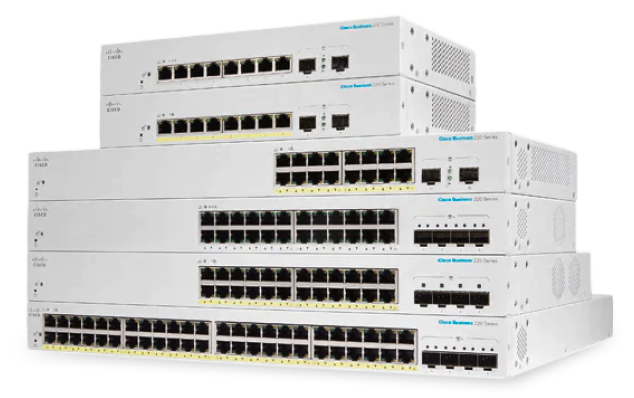
33 Matching results
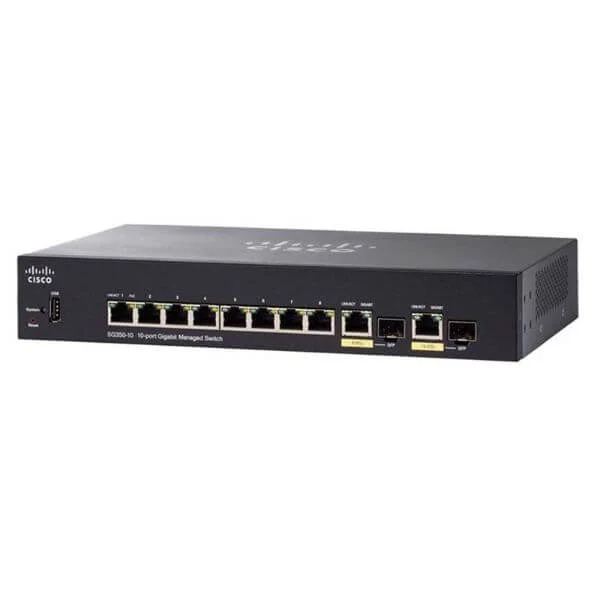
SG350-10 (Cisco SG350-10 350 8-Port Gigabit Desktop Switch, 2x1G Combo Uplinks)
4.2 (5)- SG350-10
- Cisco
- 350
- SMB
- Managed
- Layer 2+
Est Value $542.34
$271.17
50% offIn stockRefurbishedFirst-Time Buyer Discount – Get up to 2% additional off on your first order
ORM Rewards Earn $50 in Rewards + Free Expedited Delivery – Join Now!
Use eCoupon ORMSAVE10
eCoupon limited to 5 units
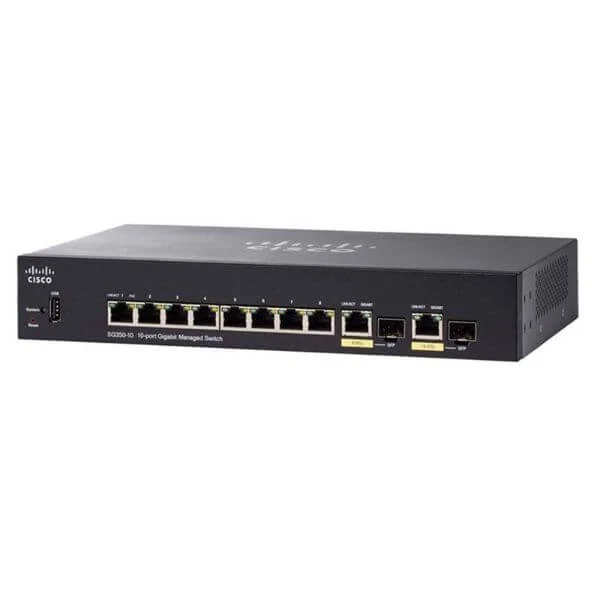
SG350-10P (Cisco SG350-10P 350 8-Port Gigabit PoE+ Desktop Switch, 2x1G Combo Uplinks)
4.8 (5)- SG350-10P
- Cisco
- 350
- SMB
- Managed
- Layer 2+
Est Value $560.70$280.35
50% offIn stockRefurbishedFirst-Time Buyer Discount – Get up to 2% additional off on your first order
ORM Rewards Earn $50 in Rewards + Free Expedited Delivery – Join Now!
Use eCoupon ORMSAVE10
eCoupon limited to 5 units
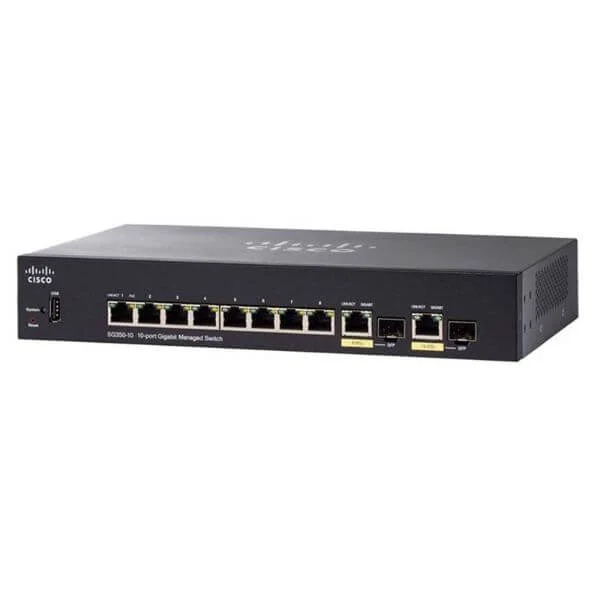
SG350-10MP (Cisco SG350-10MP 350 8-Port Gigabit PoE+ Desktop Switch, 2x1G Combo Uplinks)
5 (5)- SG350-10MP
- Cisco
- 350
- SMB
- Managed
- Layer 2+
Est Value $813.54$406.77
50% offIn stockRefurbishedFirst-Time Buyer Discount – Get up to 2% additional off on your first order
ORM Rewards Earn $50 in Rewards + Free Expedited Delivery – Join Now!
Use eCoupon ORMSAVE10
eCoupon limited to 5 units
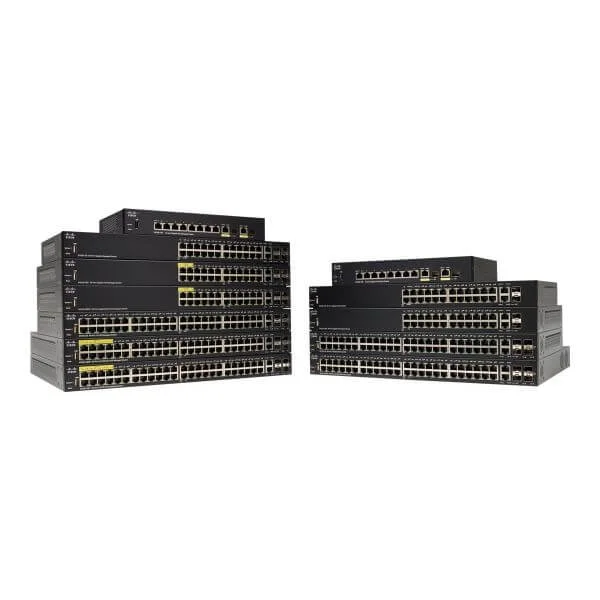
SG350-20 (Cisco SG350-20 350 16-Port Gigabit Switch, 4x1G Uplinks Including 2 Combo Ports)
4.6 (5)- SG350-20
- Cisco
- 350
- SMB
- Managed
- Layer 2+
Est Value $484.81$477.74
1.5% offIn stockRefurbishedFirst-Time Buyer Discount – Get up to 2% additional off on your first order
ORM Rewards Earn $50 in Rewards + Free Expedited Delivery – Join Now!
Use eCoupon ORMSAVE10
eCoupon limited to 5 units
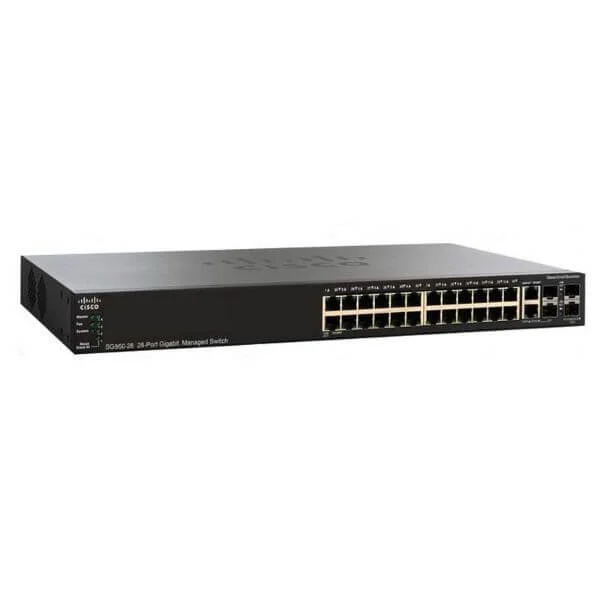
SG350-28-K9-EU (8 SFP Gigabit slots, 2 Gigabit copper/SFP combo)
4.8 (5)- Switch
- Cisco
- AC Power Supply
- Layer 2 / Layer 3
- Desktop / Rack-mount
- 35W
- 24–48 Ports
Est Value $1,402.80$701.40
50% offIn stockRefurbishedFirst-Time Buyer Discount – Get up to 2% additional off on your first order
ORM Rewards Earn $50 in Rewards + Free Expedited Delivery – Join Now!
Use eCoupon ORMSAVE10
eCoupon limited to 5 units
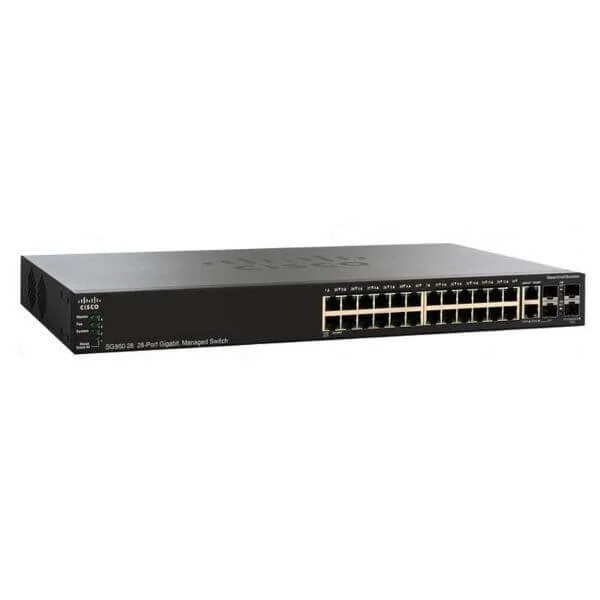
SG350-28P (Cisco SG350-28P 350 24-Port Gigabit PoE+ Switch, 4x1G Uplinks)
4.8 (5)- SG350-28P
- Cisco
- 350
- SMB
- Managed
- Layer 2+
Est Value $1,806.00$271.01
85% offIn stockNewRefurbishedFirst-Time Buyer Discount – Get up to 2% additional off on your first order
ORM Rewards Earn $50 in Rewards + Free Expedited Delivery – Join Now!
Use eCoupon ORMSAVE10
eCoupon limited to 5 units
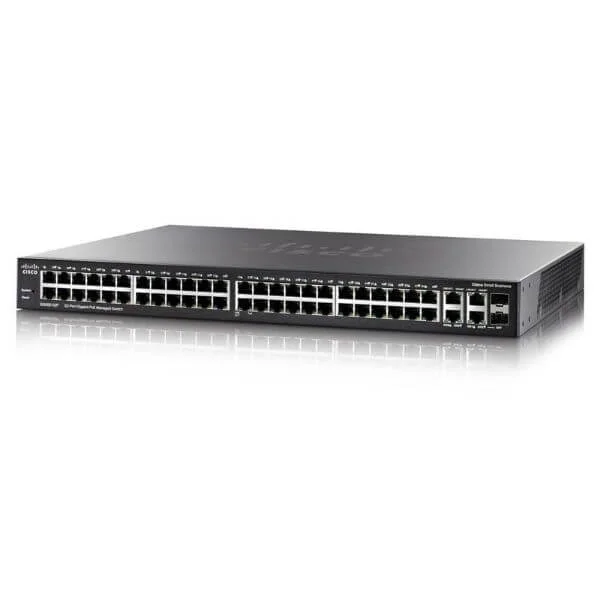
SG350-52 (Cisco SG350-52 350 48-Port Gigabit Switch, 4x1G Uplinks)
4.2 (5)- SG350-52
- Cisco
- 350
- SMB
- Managed
- Layer 2+
Est Value $1,104.23$942.64
14.6% offIn stockRefurbishedFirst-Time Buyer Discount – Get up to 2% additional off on your first order
ORM Rewards Earn $50 in Rewards + Free Expedited Delivery – Join Now!
Use eCoupon ORMSAVE10
eCoupon limited to 5 units
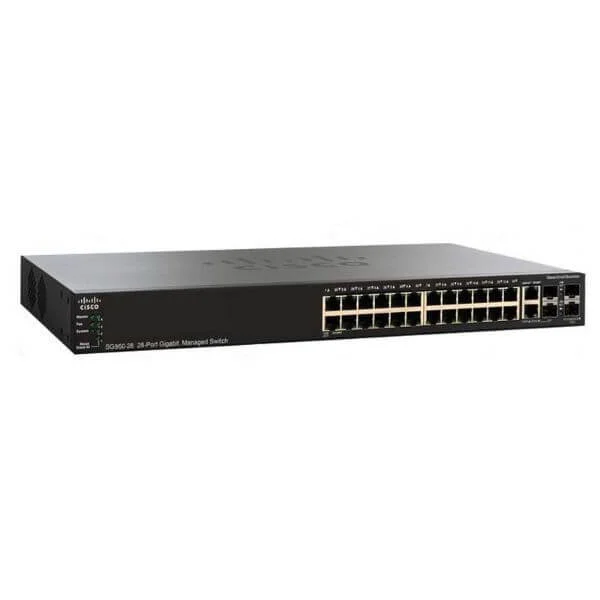
SG350-28MP (Cisco SG350-28MP 350 24-Port Gigabit PoE+ Switch, 2x1G SFP Uplinks, 2x1G Combo Uplinks)
4.8 (5)- SG350-28MP
- Cisco
- 350
- SMB
- Managed
- Layer 2+
Est Value $2,138.70$994.91
53.5% offIn stockRefurbishedFirst-Time Buyer Discount – Get up to 2% additional off on your first order
ORM Rewards Earn $50 in Rewards + Free Expedited Delivery – Join Now!
Use eCoupon ORMSAVE10
eCoupon limited to 5 units
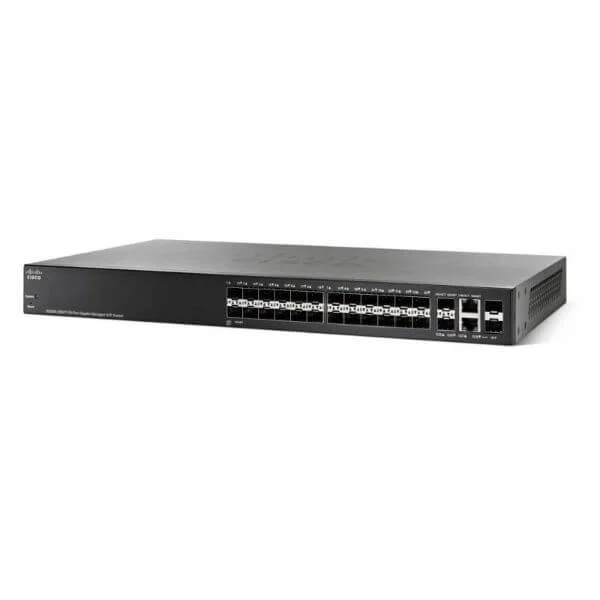
SG350-28SFP (Cisco SG350-28SFP 350 24-Port Gigabit SFP Switch, 4x1G Uplinks)
5 (5)- SG350-28SFP
- Cisco
- 350
- SMB
- Managed
- Layer 2+
Est Value $2,507.40$1,253.70
50% offIn stockRefurbishedFirst-Time Buyer Discount – Get up to 2% additional off on your first order
ORM Rewards Earn $50 in Rewards + Free Expedited Delivery – Join Now!
Use eCoupon ORMSAVE10
eCoupon limited to 5 units
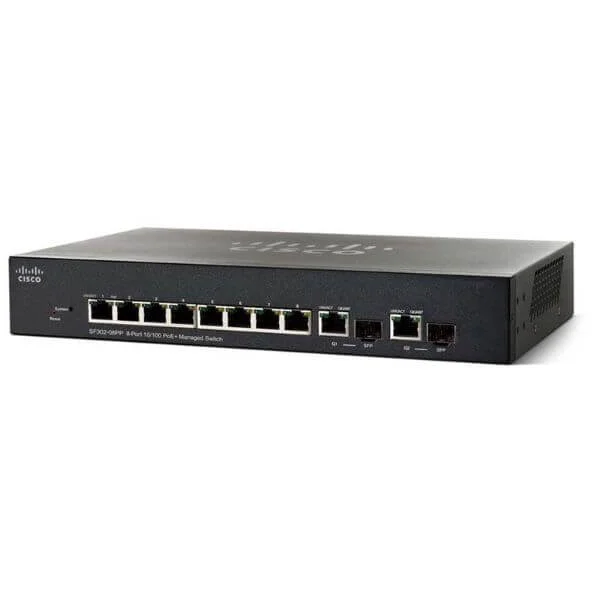
SG350-8PD (Cisco SG350-8PD 350 8-Port Multigigabit PoE+ Desktop Switch, 2x10G Combo Uplinks)
4.8 (5)- SG350-8PD
- Cisco
- 350
- SMB
- Managed
- Layer 2+
- Static / PBR
Est Value $2,906.20$1,453.10
50% offIn stockRefurbishedFirst-Time Buyer Discount – Get up to 2% additional off on your first order
ORM Rewards Earn $50 in Rewards + Free Expedited Delivery – Join Now!
Use eCoupon ORMSAVE10
eCoupon limited to 5 units
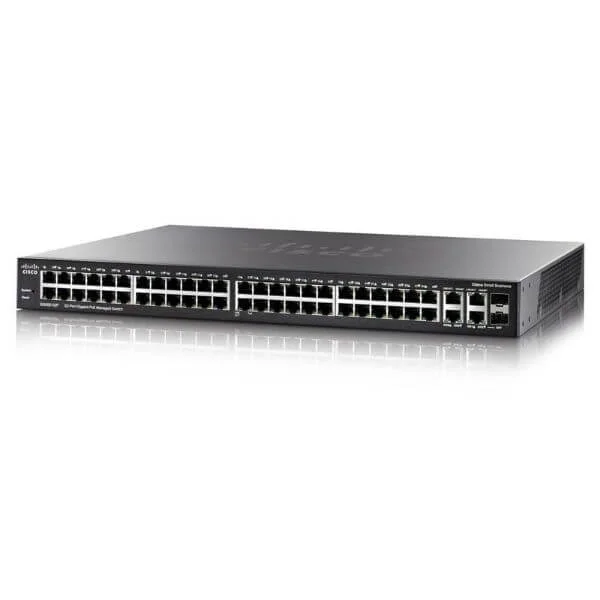
SG350-52P (Cisco SG350-52P 350 48-Port Gigabit PoE+ Switch, 2x1G Combo Uplinks, 2x1G SFP Uplinks)
5 (5)- SG350-52P
- Cisco
- 350
- SMB
- Managed
- Layer 2+
Est Value $1,766.77$1,508.22
14.6% offIn stockRefurbishedFirst-Time Buyer Discount – Get up to 2% additional off on your first order
ORM Rewards Earn $50 in Rewards + Free Expedited Delivery – Join Now!
Use eCoupon ORMSAVE10
eCoupon limited to 5 units
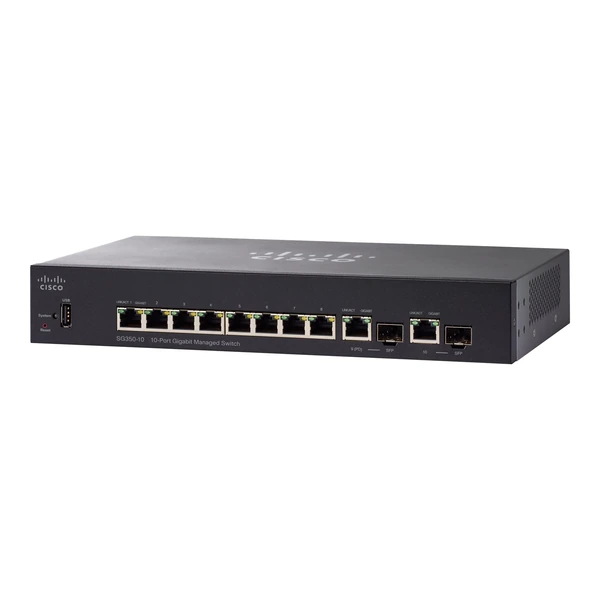
SG350-10-K9 (Cisco SG350-10-K9 350 8-Port Gigabit Desktop Switch, 2x1G Combo Uplinks)
0 (0)- SG350-10-K9
- Cisco
- 350
- SMB
- Managed
- Layer 2+
Est Value $1,466.18$733.09
50% offIn stockNewRefurbishedFirst-Time Buyer Discount – Get up to 2% additional off on your first order
ORM Rewards Earn $50 in Rewards + Free Expedited Delivery – Join Now!
Use eCoupon ORMSAVE10
eCoupon limited to 5 units
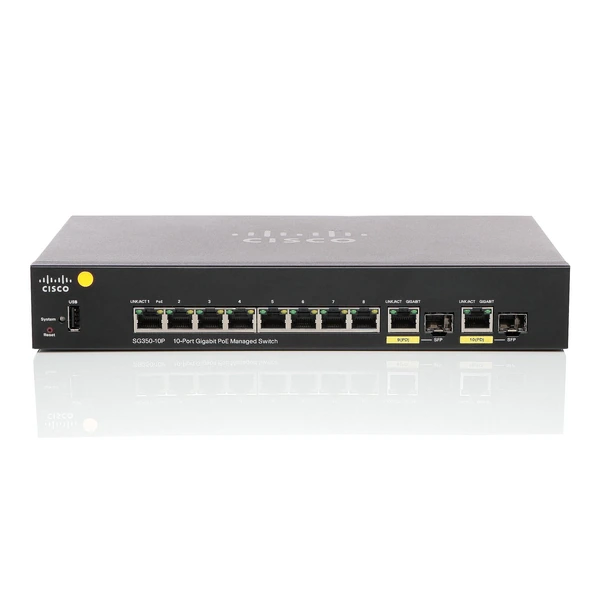
SG350-10P-K9 (Cisco SG350-10P-K9 350 8-Port Gigabit PoE+ Desktop Switch, 2x1G Combo Uplinks)
0 (0)- SG350-10P-K9
- Cisco
- 350
- SMB
- Managed
- Layer 2+
Est Value $580.44$451.50
22.2% offIn stockNewRefurbishedFirst-Time Buyer Discount – Get up to 2% additional off on your first order
ORM Rewards Earn $50 in Rewards + Free Expedited Delivery – Join Now!
Use eCoupon ORMSAVE10
eCoupon limited to 5 units
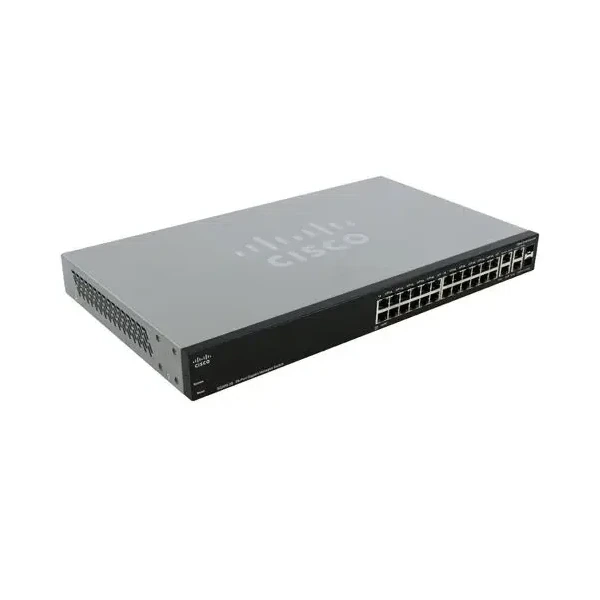
SG350-28-K9 (Cisco SG350-28-K9 350 24-Port Gigabit Switch, 4x1G Uplinks)
0 (0)- SG350-28-K9
- Cisco
- 350
- SMB
- Managed
- Layer 2+
Est Value $839.00$126.00
85% offIn stockNewRefurbishedFirst-Time Buyer Discount – Get up to 2% additional off on your first order
ORM Rewards Earn $50 in Rewards + Free Expedited Delivery – Join Now!
Use eCoupon ORMSAVE10
eCoupon limited to 5 units
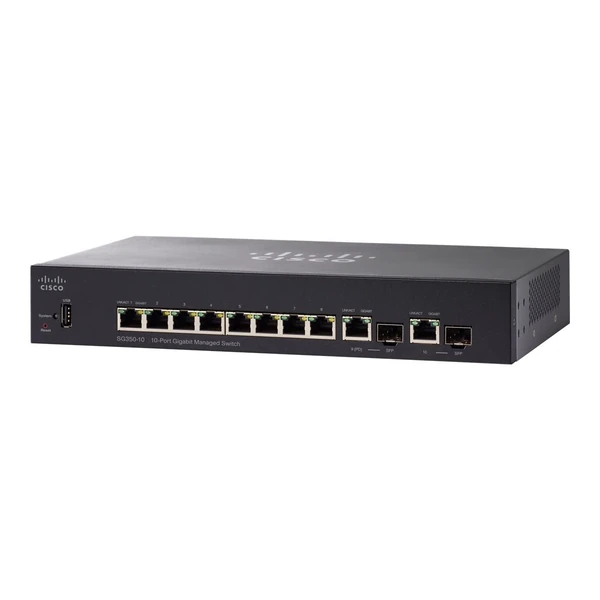
SG350-10-K9-UK (Cisco SG350-10-K9-UK 350 8-Port Gigabit Desktop Switch, 2x1G Combo Uplinks)
0 (0)- SG350-10-K9-UK
- Cisco
- 350
- SMB
- Managed
- Layer 2+
Est Value $1,204.36$602.18
50% offIn stockRefurbishedFirst-Time Buyer Discount – Get up to 2% additional off on your first order
ORM Rewards Earn $50 in Rewards + Free Expedited Delivery – Join Now!
Use eCoupon ORMSAVE10
eCoupon limited to 5 units
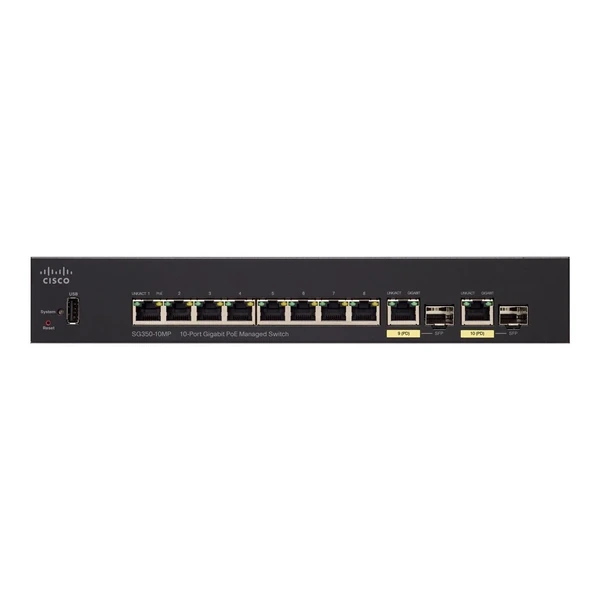
SG350-10MP-K9-EU (Cisco SG350-10MP-K9-EU 350 8-Port Gigabit PoE+ Desktop Switch, 2x1G Combo Uplinks)
0 (0)- SG350-10MP-K9-EU
- Cisco
- 350
- SMB
- Managed
- Layer 2+
Est Value $1,282.92$641.46
50% offIn stockRefurbishedFirst-Time Buyer Discount – Get up to 2% additional off on your first order
ORM Rewards Earn $50 in Rewards + Free Expedited Delivery – Join Now!
Use eCoupon ORMSAVE10
eCoupon limited to 5 units
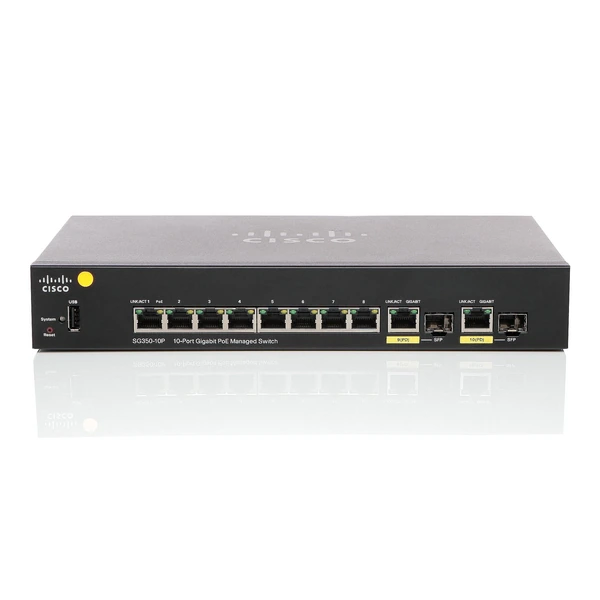
SG350-10P-K9-UK (Cisco SG350-10P-K9-UK 350 8-Port Gigabit PoE+ Desktop Switch, 2x1G Combo Uplinks)
0 (0)- SG350-10P-K9-UK
- Cisco
- 350
- SMB
- Managed
- Layer 2+
Est Value $1,335.28$667.64
50% offIn stockRefurbishedFirst-Time Buyer Discount – Get up to 2% additional off on your first order
ORM Rewards Earn $50 in Rewards + Free Expedited Delivery – Join Now!
Use eCoupon ORMSAVE10
eCoupon limited to 5 units
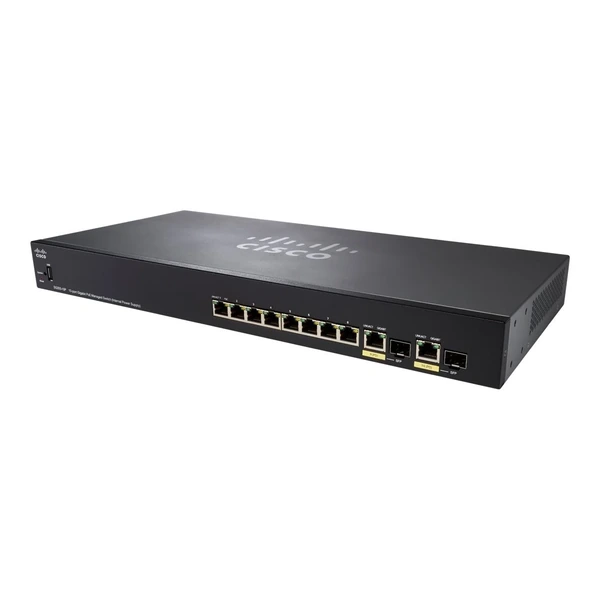
SG355-10P-K9-UK (Cisco SG355-10P-K9-UK 350 8-Port Gigabit PoE+ Switch, 2x1G Combo Uplinks)
0 (0)- SG355-10P-K9-UK
- Cisco
- 350
- SMB
- Managed
- Layer 2+
Est Value $1,698.90$849.45
50% offIn stockRefurbishedFirst-Time Buyer Discount – Get up to 2% additional off on your first order
ORM Rewards Earn $50 in Rewards + Free Expedited Delivery – Join Now!
Use eCoupon ORMSAVE10
eCoupon limited to 5 units

SG350-28MP-K9 (Cisco SG350-28MP-K9 350 24-Port Gigabit PoE+ Switch, 2x1G SFP Uplinks, 2x1G Combo Uplinks)
0 (0)- SG350-28MP-K9
- Cisco
- 350
- SMB
- Managed
- Layer 2+
Est Value $1,706.26$853.13
50% offIn stockRefurbishedFirst-Time Buyer Discount – Get up to 2% additional off on your first order
ORM Rewards Earn $50 in Rewards + Free Expedited Delivery – Join Now!
Use eCoupon ORMSAVE10
eCoupon limited to 5 units
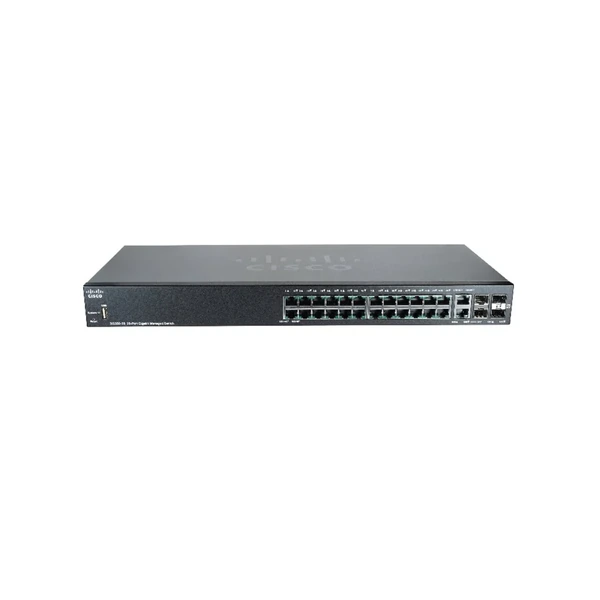
SG350-52P-K9 (Cisco SG350-52P-K9 350 48-Port Gigabit PoE+ Switch, 2x1G SFP and 2x1G Combo Uplinks)
0 (0)- SG350-52P-K9
- Cisco
- 350
- SMB
- Managed
- Layer 2+
Est Value $1,724.00$334.95
80.6% offIn stockNewRefurbishedFirst-Time Buyer Discount – Get up to 2% additional off on your first order
ORM Rewards Earn $50 in Rewards + Free Expedited Delivery – Join Now!
Use eCoupon ORMSAVE10
eCoupon limited to 5 units

ORM Sales Advisors
Buying for your business? Get a personalised quote in under 2 hours. Talk to an expert
LEARNFilters (33) 
Questions & Answers
What are the key features of Cisco 350 Series Managed Switches?
The Cisco 350 Series Managed Switches offer gigabit connectivity, Layer 3 Lite routing, PoE+ support, advanced QoS, comprehensive security features, and intuitive web-based management designed for small to midsize networks.
What port configurations are available in the Cisco 350 Series?
Cisco 350 Series switches come in 8-, 16-, 24-, and 48-port models, with optional PoE+ on select ports delivering up to 30 W per port.
How does PoE+ work on Cisco 350 Series switches?
PoE+ on Cisco 350 Series switches provides up to 30 W per port, automatically detecting and powering compatible devices such as IP phones, cameras, and wireless access points.
Does the Cisco 350 Series support Layer 3 routing?
Yes. The Cisco 350 Series supports Layer 3 Lite routing, including static routes, DHCP snooping and helper, as well as IPv6 gateway services for better network segmentation.
What security features are included in Cisco 350 Series Managed Switches?
Cisco 350 Series switches include 802.1X port authentication, dynamic ARP inspection, IP source guard, ACLs, RADIUS/TACACS+ support, and DHCP snooping to protect against unauthorized access.
How do I configure VLANs on a Cisco 350 Series switch?
You can configure up to 32 VLANs via the web-based GUI or CLI by navigating to VLAN Management, assigning VLAN IDs, and tagging or untagging ports to segment network traffic efficiently.
What Quality of Service (QoS) capabilities are available?
Cisco 350 Series switches offer eight hardware queues per port, 802.1p priority tagging, DiffServ (DSCP) remarking, and rate limiting to ensure voice, video, and data receive appropriate bandwidth.
Can Cisco 350 Series switches be stacked?
No. The Cisco 350 Series does not support physical stacking; instead it offers single-device management with options for Link Aggregation Control Protocol (LACP) to bond multiple ports.
How do I manage and monitor Cisco 350 Series switches?
Management options include a web-based GUI, CLI over SSH or console, SNMP v2/v3, RMON, and Cisco FindIT Network Management for centralized monitoring and diagnostics.
What is the power budget for PoE+ models in the Cisco 350 Series?
Power budgets vary by model: the 24-port PoE+ model delivers up to 370 W total budget, while the 48-port PoE+ model offers up to 740 W to support multiple high-draw devices.
Are Cisco 350 Series switches Energy Efficient Ethernet (EEE) compliant?
Yes. Cisco 350 Series switches support IEEE 802.3az Energy Efficient Ethernet to reduce power consumption during low data activity periods.
What warranty and support options are available?
Cisco 350 Series switches include a limited lifetime hardware warranty and 90-day software support, with optional Cisco SMARTnet service for 24/7 global technical assistance and hardware replacement.
How do I update firmware on a Cisco 350 Series switch?
Firmware updates can be applied via the web GUI or CLI by uploading the new .bin image file, then running the software install or copy commands followed by a reload.
What are typical use cases for Cisco 350 Series Managed Switches?
Ideal use cases include small business networks, branch offices, mid-sized enterprise edge deployments, PoE-powered IP telephony, wireless access backbones, and video surveillance networks.
How reliable are Cisco 350 Series Managed Switches?
Built on Cisco’s proven architecture, the 350 Series delivers enterprise-grade reliability with redundant power supply options (select models), robust environmental tolerances, and advanced fault-notification mechanisms.
Can I integrate Cisco 350 Series switches with Cisco DNA Center?
Yes. Cisco 350 Series switches are DNAC compatible for automated provisioning, policy enforcement, inventory management, and real-time telemetry when connected to Cisco DNA Center.
What is the maximum bandwidth per port on Cisco 350 Series switches?
Each Cisco 350 Series port supports up to 1 Gbps full-duplex, with uplink ports offering 10 Gbps SFP+ options on select models for high-throughput aggregation.