 United States
Switches Nexus 7000 Series
The Nexus 7000 Switches deliver unmatched performance, reliability, and scalability for contemporary data center networks. Engineered for seamless integration, they ensure secure, high-speed connectivity and advanced traffic management.
Talk to an expert
17 Matching results
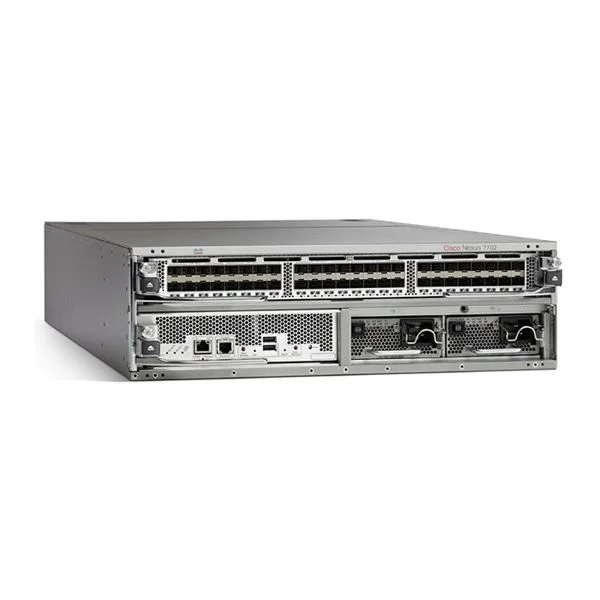
N77-C7702 (Cisco N77-C7702 Nexus 7700 2-Slot Modular Chassis Switch)
4.6 (5)- N77-C7702
- Cisco
- Nexus 7700
- Data Center
- Managed
- NX-OS
- 0
Est Value $9,549.00
$1,206.42
87.4% offIn stockNewRefurbishedFirst-Time Buyer Discount – Get up to 2% additional off on your first order
ORM Rewards Earn $50 in Rewards + Free Expedited Delivery – Join Now!
Use eCoupon ORMSAVE10
eCoupon limited to 5 units
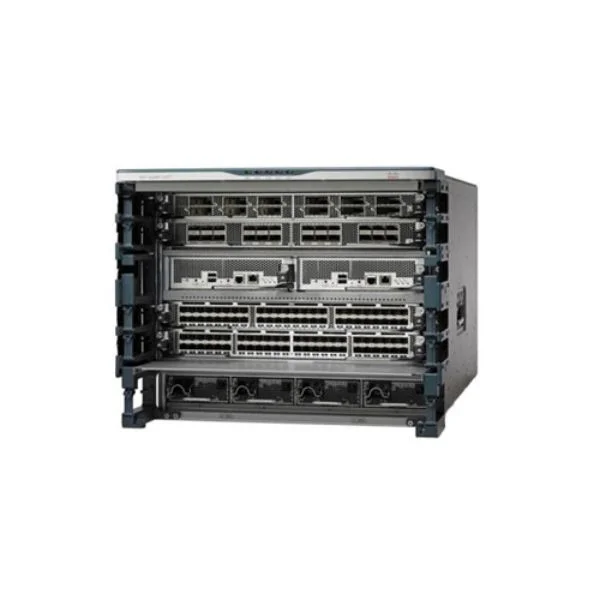
N77-C7706 (Cisco N77-C7706 Nexus 7700 6-Slot Modular Chassis Switch)
4.8 (5)- N77-C7706
- Cisco
- Nexus 7700
- Data Center
- Managed
- 0
Est Value $1,048.95
In stockNewRefurbishedFirst-Time Buyer Discount – Get up to 2% additional off on your first order
ORM Rewards Earn $50 in Rewards + Free Expedited Delivery – Join Now!
Use eCoupon ORMSAVE10
eCoupon limited to 5 units
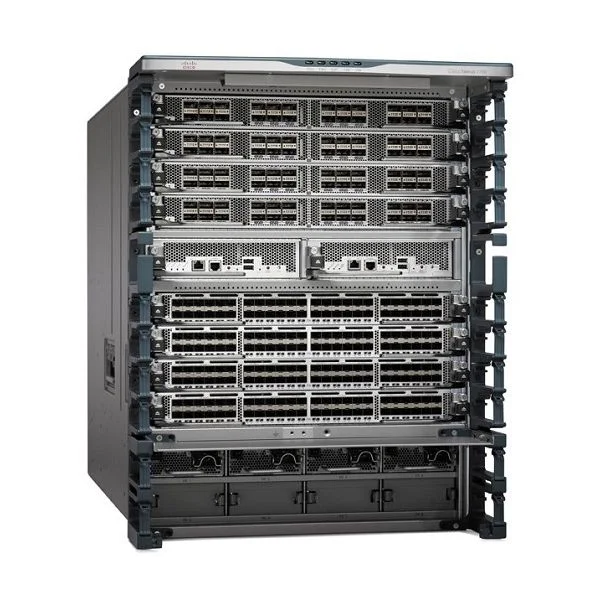
N77-C7710 (Cisco N77-C7710 Nexus 7700 Modular Chassis Switch, 10 Slots)
4.4 (5)- N77-C7710
- Cisco
- Nexus 7700
- Data Center
- Managed
- NX-OS
- 0
Est Value $1,144.50
In stockNewRefurbishedFirst-Time Buyer Discount – Get up to 2% additional off on your first order
ORM Rewards Earn $50 in Rewards + Free Expedited Delivery – Join Now!
Use eCoupon ORMSAVE10
eCoupon limited to 5 units
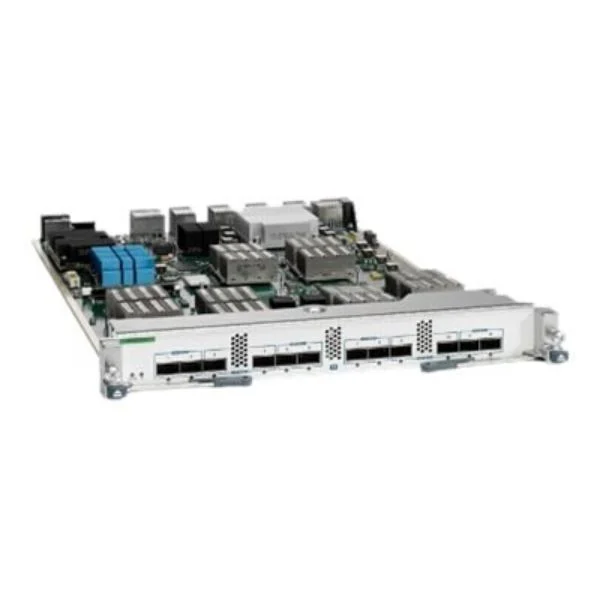
N7K-F312FQ-25 (Nexus 7000 F3-Series 12 Port 40GbE (QSFP))
4.6 (5)- Switch
- Cisco
- Redundant Power Supply / AC Power Supply
- Layer 2 / Layer 3
- Chassis
- 24 Ports
Est Value $514.50
In stockNewRefurbishedFirst-Time Buyer Discount – Get up to 2% additional off on your first order
ORM Rewards Earn $50 in Rewards + Free Expedited Delivery – Join Now!
Use eCoupon ORMSAVE10
eCoupon limited to 5 units
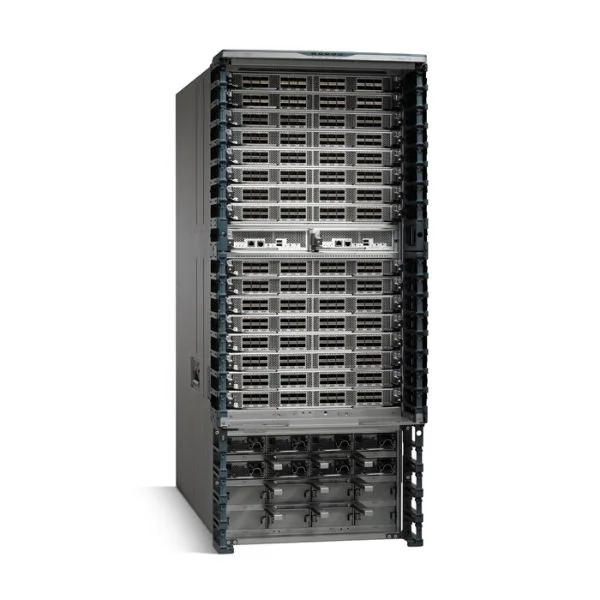
N77-C7718 (Cisco N77-C7718 Nexus 7700 18-Slot Modular Chassis Switch)
4.6 (5)- N77-C7718
- Cisco
- Nexus 7700
- Data Center
- Managed
- NX-OS
- 0
Est Value $65,708.00$31,202.85
52.5% offIn stockNewRefurbishedFirst-Time Buyer Discount – Get up to 2% additional off on your first order
ORM Rewards Earn $50 in Rewards + Free Expedited Delivery – Join Now!
Use eCoupon ORMSAVE10
eCoupon limited to 5 units
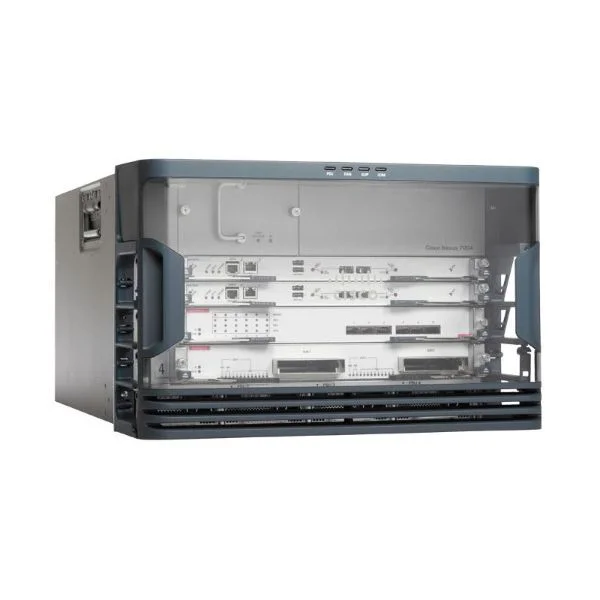
N7K-C7004-S2 (Cisco N7K-C7004-S2 Nexus 7000 Modular Chassis Switch, 4 Slots, 1xN7K-SUP2)
4.6 (5)- N7K-C7004-S2
- Cisco
- Nexus 7000
- Data Center
- Managed
- NX-OS
- 0
Est Value $117,185.46$58,592.73
50% offIn stockNewFirst-Time Buyer Discount – Get up to 2% additional off on your first order
ORM Rewards Earn $50 in Rewards + Free Expedited Delivery – Join Now!
Use eCoupon ORMSAVE10
eCoupon limited to 5 units
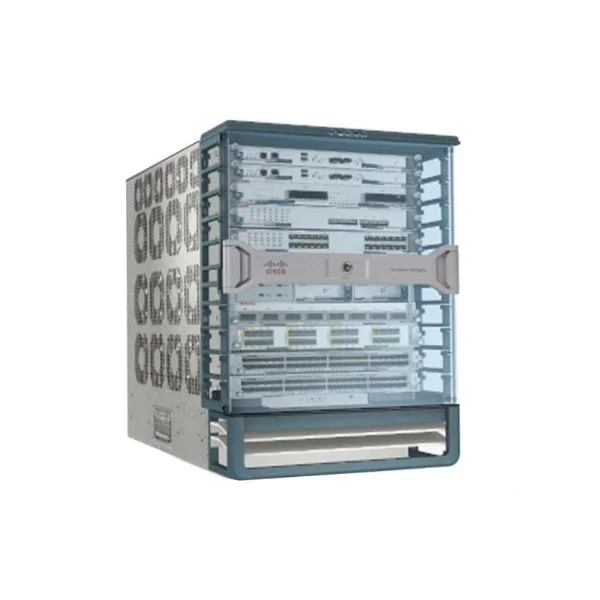
N7K-C7009-B2S2 (Cisco N7K-C7009-B2S2 Nexus 7000 9-Slot Chassis Switch)
5 (5)- N7K-C7009-B2S2
- Cisco
- Nexus 7000
- Data Center
- Managed
- NX-OS
- Layer 2+
Est Value $227,477.68$36,684.50
83.9% offIn stockNewRefurbishedFirst-Time Buyer Discount – Get up to 2% additional off on your first order
ORM Rewards Earn $50 in Rewards + Free Expedited Delivery – Join Now!
Use eCoupon ORMSAVE10
eCoupon limited to 5 units
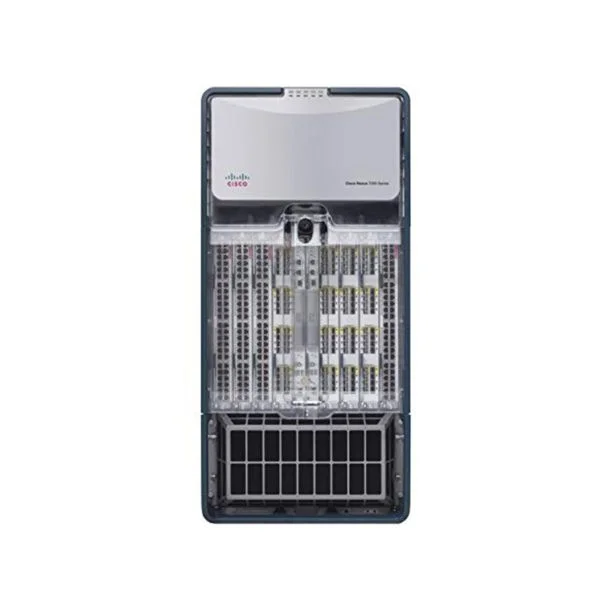
N7K-C7010-B2S2 (Cisco N7K-C7010-B2S2 Nexus 7000 10-Slot Chassis Switch)
4.6 (5)- N7K-C7010-B2S2
- Cisco
- Nexus 7000
- Data Center
- Managed
- NX-OS
- Layer 2+
Est Value $303,303.54$41,619.67
86.3% offIn stockNewRefurbishedFirst-Time Buyer Discount – Get up to 2% additional off on your first order
ORM Rewards Earn $50 in Rewards + Free Expedited Delivery – Join Now!
Use eCoupon ORMSAVE10
eCoupon limited to 5 units
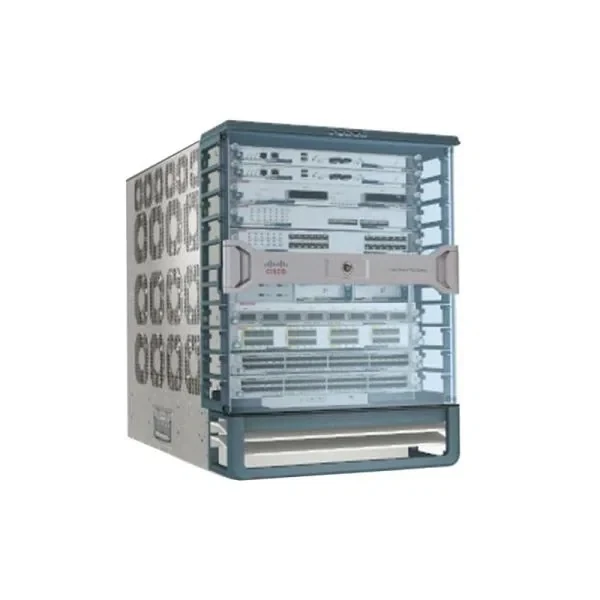
N7K-C7009 (Cisco N7K-C7009 Nexus 7000 9-Slot Chassis Switch)
0 (0)- N7K-C7009
- Cisco
- Nexus 7000
- Data Center
- Managed
- NX-OS
- 0
Est Value $1,939.53$99.75
94.9% offIn stockRefurbishedFirst-Time Buyer Discount – Get up to 2% additional off on your first order
ORM Rewards Earn $50 in Rewards + Free Expedited Delivery – Join Now!
Use eCoupon ORMSAVE10
eCoupon limited to 5 units
N7K-C7010 (Cisco N7K-C7010 Nexus 7000 10-Slot Chassis Switch)
0 (0)- N7K-C7010
- Cisco
- Nexus 7000
- Data Center
- Managed
- NX-OS
- 0
Est Value $1,187.25$246.66
79.2% offIn stockRefurbishedFirst-Time Buyer Discount – Get up to 2% additional off on your first order
ORM Rewards Earn $50 in Rewards + Free Expedited Delivery – Join Now!
Use eCoupon ORMSAVE10
eCoupon limited to 5 units
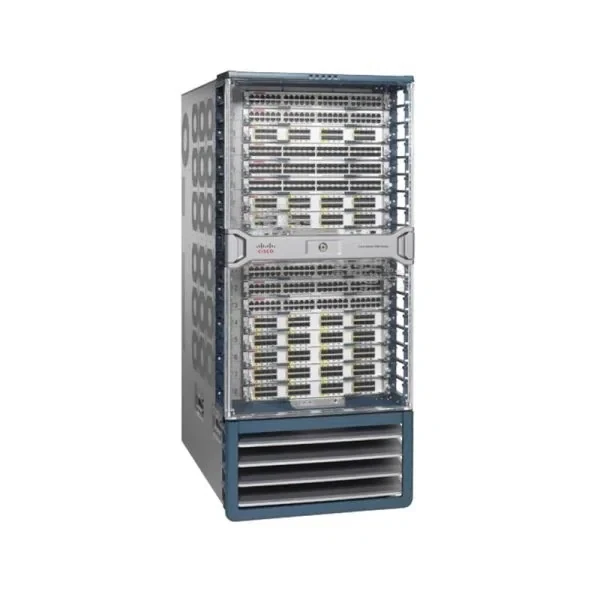
N7K-C7018 (Cisco N7K-C7018 Nexus 7000 18-Slot Chassis Switch)
0 (0)- N7K-C7018
- Cisco
- Nexus 7000
- Data Center
- Managed
- NX-OS
- 0
Est Value $1,033.18$881.98
14.6% offIn stockRefurbishedFirst-Time Buyer Discount – Get up to 2% additional off on your first order
ORM Rewards Earn $50 in Rewards + Free Expedited Delivery – Join Now!
Use eCoupon ORMSAVE10
eCoupon limited to 5 units
N7K-C7010-BUN-R (Cisco N7K-C7010-BUN-R Nexus 7000 Modular Chassis Switch, Dual Supervisors)
0 (0)- N7K-C7010-BUN-R
- Cisco
- Nexus 7000
- Data Center
- Managed
- NX-OS
- Layer 2+
Est Value $4,222.02$1,249.50
70.4% offIn stockRefurbishedFirst-Time Buyer Discount – Get up to 2% additional off on your first order
ORM Rewards Earn $50 in Rewards + Free Expedited Delivery – Join Now!
Use eCoupon ORMSAVE10
eCoupon limited to 5 units
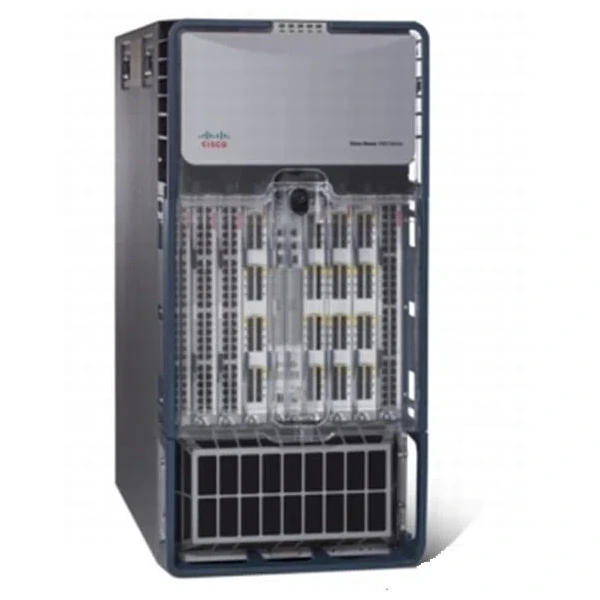
N7K-C7010-BUN (Cisco N7K-C7010-BUN Nexus 7000 Modular Chassis Switch)
0 (0)- N7K-C7010-BUN
- Cisco
- Nexus 7000
- Data Center
- Managed
- NX-OS
- 0
Est Value $5,903.99
In stockRefurbishedFirst-Time Buyer Discount – Get up to 2% additional off on your first order
ORM Rewards Earn $50 in Rewards + Free Expedited Delivery – Join Now!
Use eCoupon ORMSAVE10
eCoupon limited to 5 units
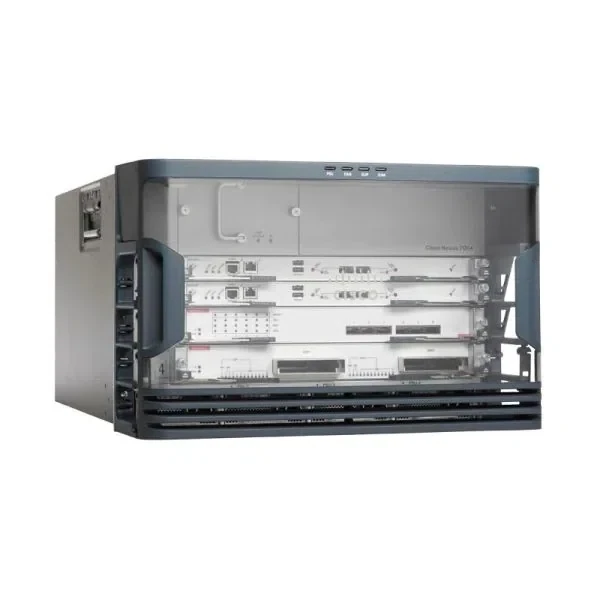
N7K-C7004 (Cisco N7K-C7004 Nexus 7000 Modular Chassis Switch, 4 Slots)
0 (0)- N7K-C7004
- Cisco
- Nexus 7000
- Data Center
- Managed
- NX-OS
- 0
Est Value $534.44
In stockNewRefurbishedFirst-Time Buyer Discount – Get up to 2% additional off on your first order
ORM Rewards Earn $50 in Rewards + Free Expedited Delivery – Join Now!
Use eCoupon ORMSAVE10
eCoupon limited to 5 units
N7K-C7010-B2S2E (Cisco N7K-C7010-B2S2E Nexus 7000 10-Slot Chassis Switch)
0 (0)- N7K-C7010-B2S2E
- Cisco
- Nexus 7000
- Data Center
- Managed
- NX-OS
- Layer 2+
Est Value $153,019.82
In stockNewRefurbishedFirst-Time Buyer Discount – Get up to 2% additional off on your first order
ORM Rewards Earn $50 in Rewards + Free Expedited Delivery – Join Now!
Use eCoupon ORMSAVE10
eCoupon limited to 5 units
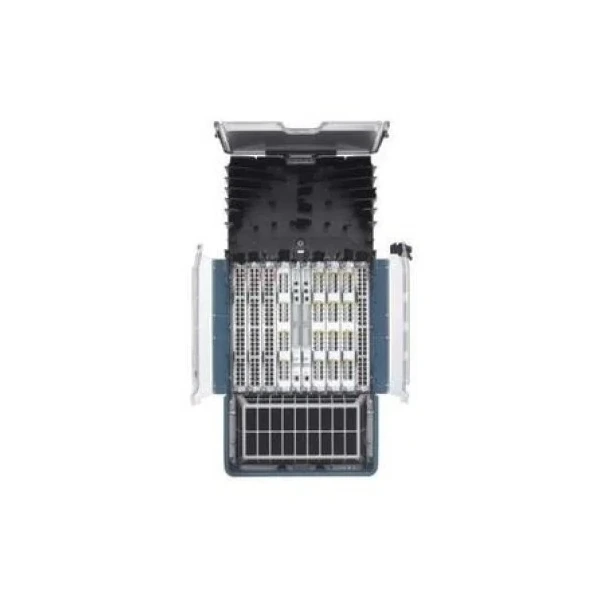
N7K-C7010-BUN2 (Cisco N7K-C7010-BUN2 Nexus 7000 10-Slot Chassis Switch Bundle)
0 (0)- N7K-C7010-BUN2
- Cisco
- Nexus 7000
- Data Center
- Managed
- NX-OS
- Layer 2+
Est Value In stockFirst-Time Buyer Discount – Get up to 2% additional off on your first order
ORM Rewards Earn $50 in Rewards + Free Expedited Delivery – Join Now!
Use eCoupon ORMSAVE10
eCoupon limited to 5 units
N7K-C7010-BUN2-R (Cisco N7K-C7010-BUN2-R Nexus 7000 10-Slot Chassis Switch Bundle)
0 (0)- N7K-C7010-BUN2-R
- Cisco
- Nexus 7000
- Data Center
- Managed
- NX-OS
Est Value In stockFirst-Time Buyer Discount – Get up to 2% additional off on your first order
ORM Rewards Earn $50 in Rewards + Free Expedited Delivery – Join Now!
Use eCoupon ORMSAVE10
eCoupon limited to 5 units

ORM Sales Advisors
Buying for your business? Get a personalised quote in under 2 hours. Talk to an expert
LEARNFilters (17) 
Questions & Answers
What is the Cisco Nexus 7000 Series switch?
The Cisco Nexus 7000 Series is a modular, high-performance data center switch that delivers scalable Layer 2/3 connectivity, high availability, and advanced virtualization features for mission-critical environments.
What core use cases are best suited for Nexus 7000 switches?
Nexus 7000 switches excel as data center core and aggregation devices, supporting large-scale virtualization, converged networking, multi-tenant fabrics, and high-density 10/40/100 GbE deployments.
How does Nexus 7000 ensure high availability?
Nexus 7000 offers redundant supervisors, power supplies, fans and fabric modules, hot-swappable components, and ISSU (In Service Software Upgrade) for zero-downtime maintenance.
How many Virtual Device Contexts (VDCs) can I create?
Each Nexus 7000 chassis supports up to eight VDCs, enabling secure, isolated logical switches within a single physical platform.
What is the maximum switching capacity of Nexus 7000?
A fully populated Nexus 7000 chassis delivers up to 55 Tbps of non-blocking switching capacity and up to 16 Bpps forwarding performance.
Which line cards and supervisor modules are compatible?
Nexus 7000 supports multiple line cards (1/10/40/100 GbE) and Supervisor modules (Sup1, Sup2, Sup2T, Sup2E) for flexible performance and feature upgrades.
What power and cooling options are available?
The Nexus 7000 offers AC, DC and mixed-mode power supplies, N+1 redundant fans, and variable-speed airflow controls to optimize power efficiency and thermal management.
How does Nexus 7000 support Layer 2 and Layer 3 services?
Nexus 7000 delivers comprehensive Layer 2 features (VLAN, STP, VPC) and Layer 3 routing protocols (OSPF, BGP, EIGRP, VRF) for flexible network architectures.
What multicast capabilities are provided?
Nexus 7000 supports PIM-SM, PIM-DM, IGMP v2/v3, MSDP, and BSR for scalable, reliable IP multicast in enterprise and service provider networks.
How do I perform a software upgrade on Nexus 7000?
Use the resident hot-patch or ISSU process: stage the new NX-OS image in flash, validate compatibility, and upgrade supervisors sequentially to maintain traffic continuity.
What security features are built into Nexus 7000?
Nexus 7000 includes Control Plane Policing, ACLs, port security, MACsec encryption, TACACS+ and RADIUS authentication, and secure boot with image signing.
What licensing options exist for Nexus 7000?
Licensing tiers include LAN Enterprise, SAN Enterprise, and Feature On Demand (FOD) for advanced services such as OTV, VXLAN, and telemetry.
How is Quality of Service (QoS) implemented?
Nexus 7000 provides hierarchical QoS with shaping, policing, classification, and priority queuing to guarantee SLAs for critical applications.
How does Nexus 7000 integrate with Cisco ACI?
Nexus 7000 supports ACI Border Leaf roles, enabling policy-based automation, multi-pod fabrics, and seamless integration into ACI domains via the APIC controller.
What management interfaces are available?
Management options include CLI, NX-API/REST, SNMP, NetConf/YANG, SPAN, and out-of-band Ethernet or serial console access.
What monitoring and telemetry capabilities are included?
Nexus 7000 offers model-driven telemetry, sFlow, ERSPAN, NetFlow, and built-in performance counters for real-time visibility and analytics.