 United States
Networking Huawei S5300 Series Switches
Elevate your network infrastructure with Huawei S5300 Series Switches. Engineered for enterprise-grade performance, these switches offer superior scalability, robust security, low latency connectivity, and efficient management.
Talk to an expert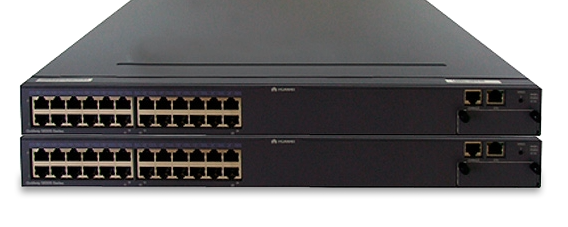
74 Matching results
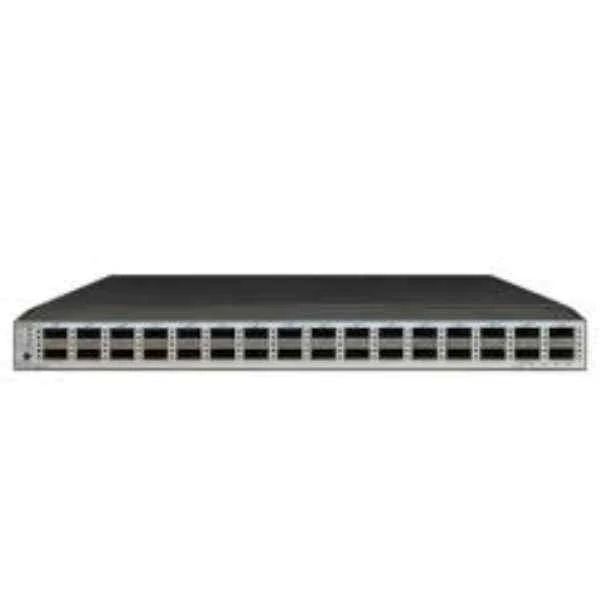
LS-S5348TP-SI-AC (S5348TP-SI-AC Mainframe(48 10/100/1000Base-T,4 100/1000Base-X Combo,AC 110/220V))
4.8 (6)- Switch
- Huawei
- AC Power Supply
- Layer 2
- Rack-mount
- 24–48 Ports
Est Value $540.84
$270.42
50% offIn stockRefurbishedFirst-Time Buyer Discount – Get up to 2% additional off on your first order
ORM Rewards Earn $50 in Rewards + Free Expedited Delivery – Join Now!
Use eCoupon ORMSAVE10
eCoupon limited to 5 units
LS-S5328C-SI (S5328C-SI Mainframe(24 10/100/1000Base-T,4 100/1000Base-X Combo,Chassis,Dual Slots of power,Without Flexible Card and Power Module))
4.7 (6)- Switch
- Huawei
- Redundant Power Supply / AC Power Supply
- Layer 2 / Layer 3
- Rack-mount
- 24–48 Ports
Est Value $3,517.30$664.77
81.1% offIn stockNewFirst-Time Buyer Discount – Get up to 2% additional off on your first order
ORM Rewards Earn $50 in Rewards + Free Expedited Delivery – Join Now!
Use eCoupon ORMSAVE10
eCoupon limited to 5 units
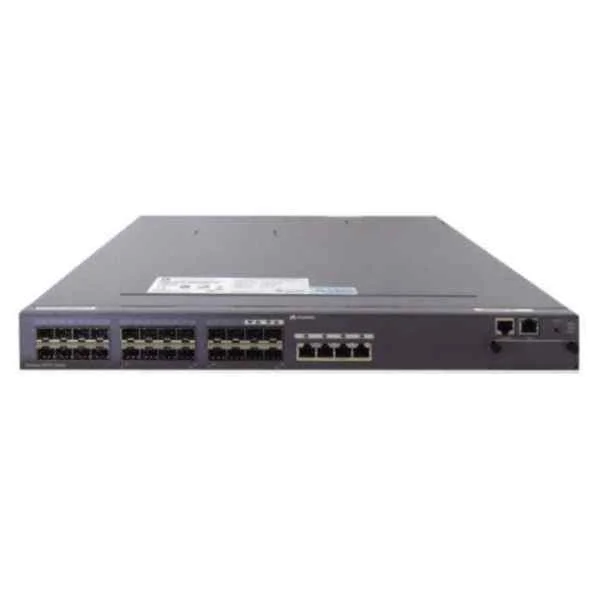
LS-S5328C-EI-24S (S5328C-EI-24S Mainframe(24 100/1000Base-X,4 Combo GE(10/100/1000 BASE-T),Chassis,Dual Slots of power,Without Flexible Card and Power Module))
4.7 (6)- Switch
- Huawei
- Redundant Power Supply
- Layer 2 / Layer 3
- Rack-mount
- 45 W
- 12–24 Ports
Est Value $4,864.00$729.63
85% offIn stockNewFirst-Time Buyer Discount – Get up to 2% additional off on your first order
ORM Rewards Earn $50 in Rewards + Free Expedited Delivery – Join Now!
Use eCoupon ORMSAVE10
eCoupon limited to 5 units
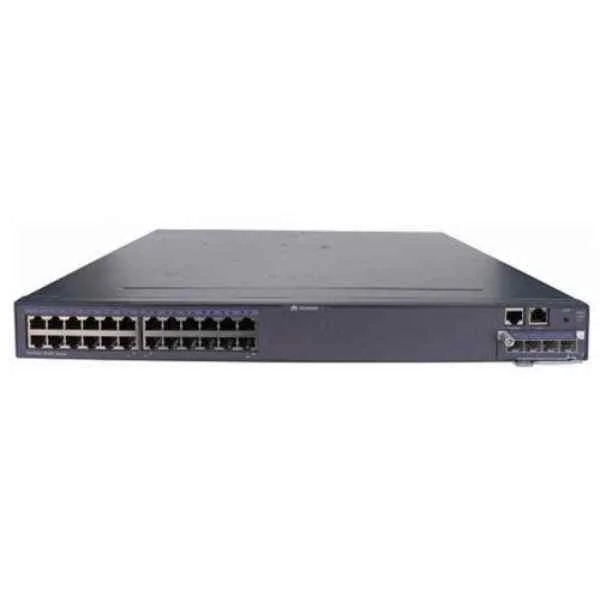
LS-S5328C-EI (S5328C-EI Mainframe(24 10/100/1000Base-T,Chassis,Dual Slots of power,Without Flexible Card and Power Module))
4.8 (6)- Switch
- Huawei
- Redundant Power Supply / AC Power Supply
- Layer 3
- Rack-mount
- 24–48 Ports
Est Value $4,491.72$801.78
82.1% offIn stockNewFirst-Time Buyer Discount – Get up to 2% additional off on your first order
ORM Rewards Earn $50 in Rewards + Free Expedited Delivery – Join Now!
Use eCoupon ORMSAVE10
eCoupon limited to 5 units
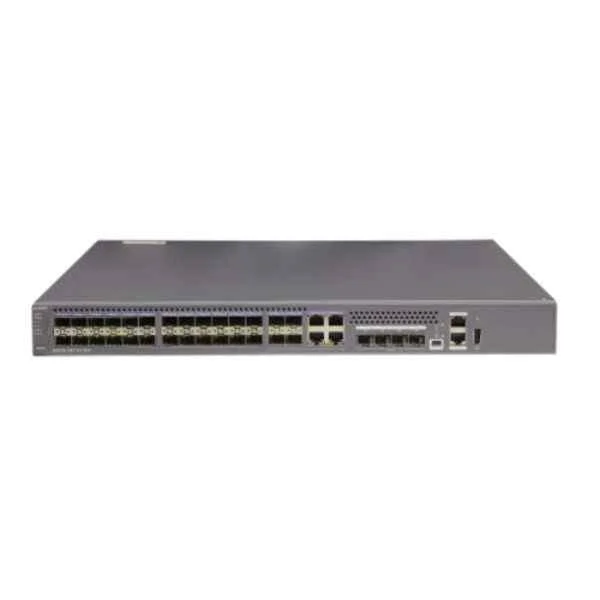
S5320-36C-EI-28S-AC (S5320-36C-EI-28S-AC(28 Gig SFP,4 of which are dual-purpose 10/100/1000 or SFP,4 10 Gig SFP+,with 1 interface slot,with 150W AC power supply))
4.7 (6)- Switch
- Huawei
- AC Power Supply
- Layer 2 / Layer 3
- Rack-mount
- 24–48 Ports
Est Value $5,644.00$846.72
85% offIn stockNewFirst-Time Buyer Discount – Get up to 2% additional off on your first order
ORM Rewards Earn $50 in Rewards + Free Expedited Delivery – Join Now!
Use eCoupon ORMSAVE10
eCoupon limited to 5 units
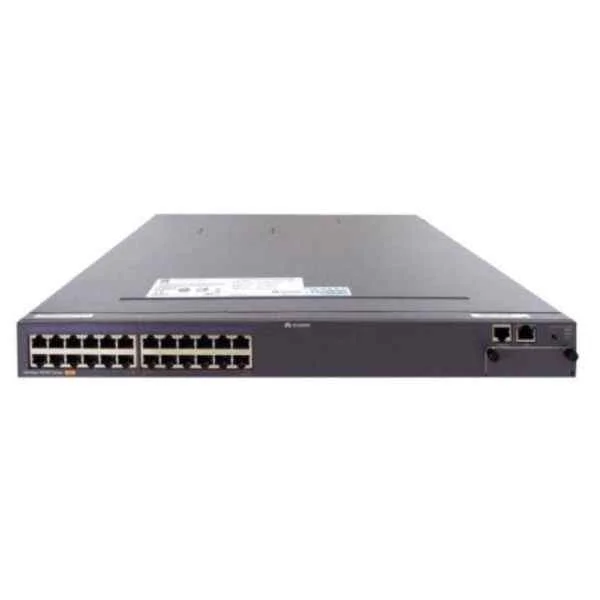
LS-S5328C-PWR-EI (S5328C-PWR-EI Mainframe(24 10/100/1000Base-T,PoE,Chassis,Dual Slots of power,Without Flexible Card and Power Module))
4.8 (6)- Switch
- Huawei
- Redundant Power Supply / AC Power Supply
- Layer 2
- Rack-mount
- 75 W
- 24–48 Ports
Est Value $5,318.85$1,172.80
78% offIn stockNewFirst-Time Buyer Discount – Get up to 2% additional off on your first order
ORM Rewards Earn $50 in Rewards + Free Expedited Delivery – Join Now!
Use eCoupon ORMSAVE10
eCoupon limited to 5 units
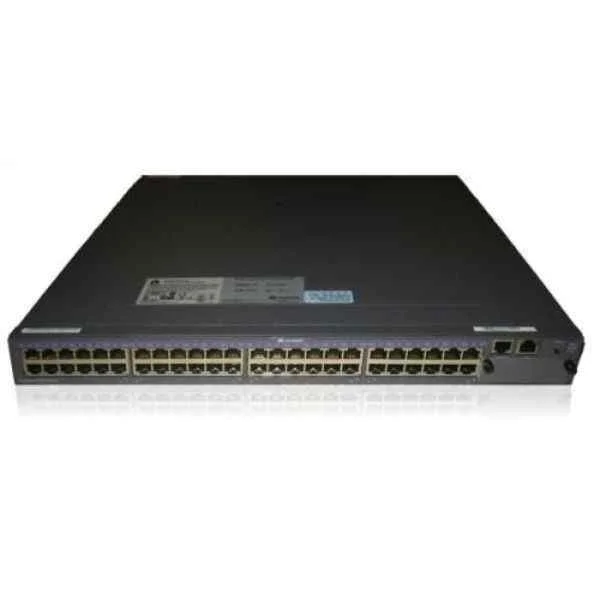
LS-S5352C-EI (S5352C-EI Mainframe(48 10/100/1000Base-T,Chassis,Dual Slots of power,Without Flexible Card and Power Module))
4.7 (6)- Switch
- Huawei
- Redundant Power Supply / AC Power Supply
- Layer 2 / Layer 3
- Rack-mount
- 48 W
- 24–48 Ports
Est Value $9,162.14$1,827.84
80.1% offIn stockNewFirst-Time Buyer Discount – Get up to 2% additional off on your first order
ORM Rewards Earn $50 in Rewards + Free Expedited Delivery – Join Now!
Use eCoupon ORMSAVE10
eCoupon limited to 5 units
- BEST SELLING
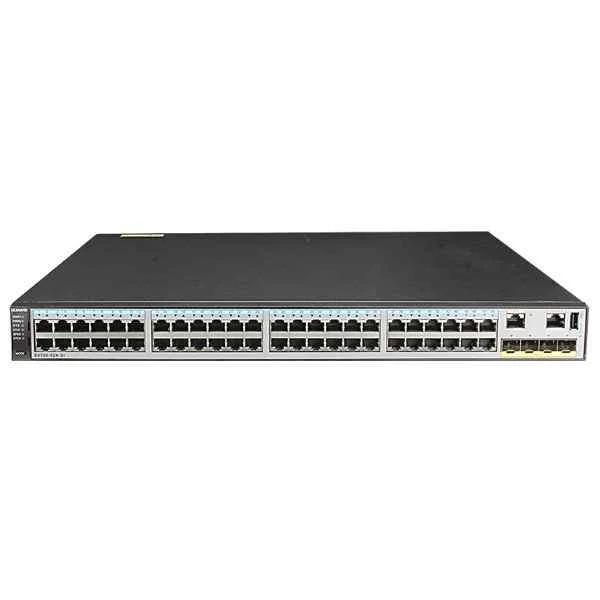
S5320-52X-SI (S5320-52X-SI (48 Ethernet 10/100/1000 ports,4 10 Gig SFP+,without power module))
4.5 (6)- Switch
- Huawei
- Redundant Power Supply / AC Power Supply
- Layer 2 / Layer 3
- Rack-mount
- Over 48 Ports
Est Value In stockFirst-Time Buyer Discount – Get up to 2% additional off on your first order
ORM Rewards Earn $50 in Rewards + Free Expedited Delivery – Join Now!
Use eCoupon ORMSAVE10
eCoupon limited to 5 units
- BEST SELLING
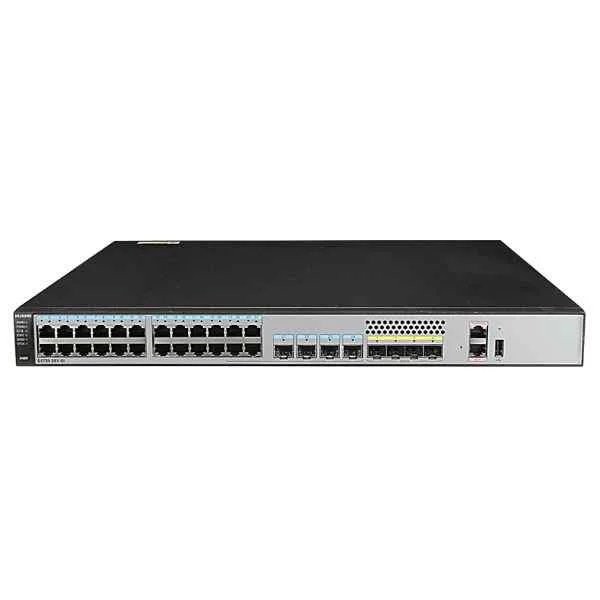
S5320-28X-SI (S5320-28X-SI (24 Ethernet 10/100/1000 ports,4 of which are dual-purpose 10/100/1000 or SFP,4 10 Gig SFP+,without power module))
4.8 (6)- Switch
- Huawei
- AC Power Supply
- Layer 2 / Layer 3
- Rack-mount
- 40 W
- 24–48 Ports
Est Value In stockFirst-Time Buyer Discount – Get up to 2% additional off on your first order
ORM Rewards Earn $50 in Rewards + Free Expedited Delivery – Join Now!
Use eCoupon ORMSAVE10
eCoupon limited to 5 units
- BEST SELLING
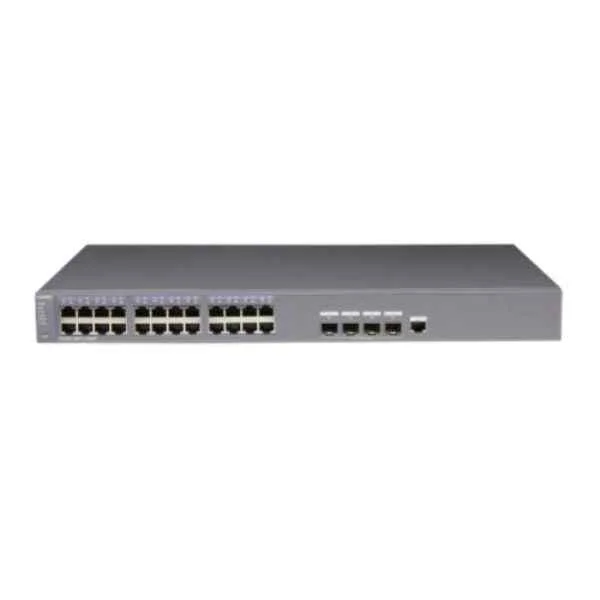
S5300-28P-LI-4AH (S5300-28P-LI-4AH(24 Gigabit Ethernet 10/100/1000 ports,4 Gig SFP,with 1 battery of 4AH,AC 110/220V))
4.8 (6)- Switch
- Huawei
- AC Power Supply
- Layer 2
- Rack-mount
- 65 W
- 24–48 Ports
Est Value In stockFirst-Time Buyer Discount – Get up to 2% additional off on your first order
ORM Rewards Earn $50 in Rewards + Free Expedited Delivery – Join Now!
Use eCoupon ORMSAVE10
eCoupon limited to 5 units
- BEST SELLING
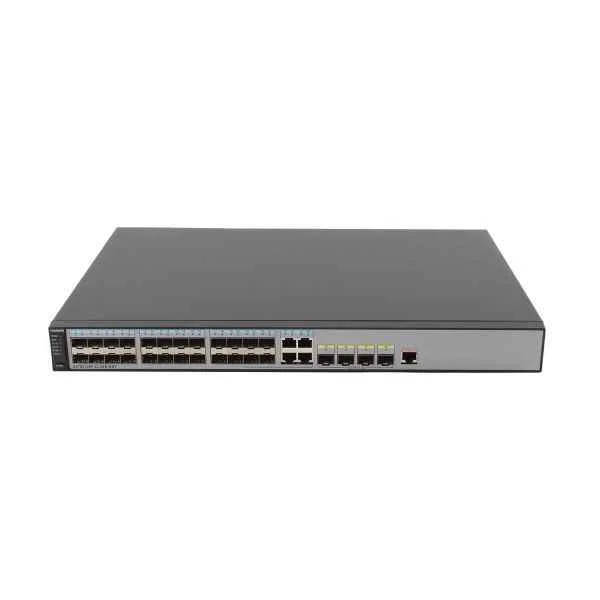
S5300-28P-LI-24S-BAT (S5300-28P-LI-24S-BAT(28 Gig SFP,4 of which are dual-purpose 10/100/1000 or SFP,1 battery slot,AC 110/220V))
4.7 (6)- Switch
- Huawei
- AC Power Supply with Battery Backup
- Layer 2 / Layer 3
- Rack-mount
- 24–48 Ports
Est Value In stockFirst-Time Buyer Discount – Get up to 2% additional off on your first order
ORM Rewards Earn $50 in Rewards + Free Expedited Delivery – Join Now!
Use eCoupon ORMSAVE10
eCoupon limited to 5 units
- BEST SELLING
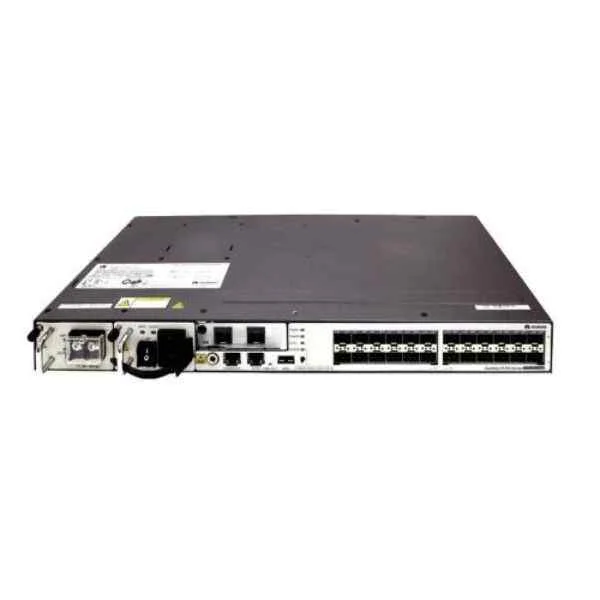
S5300-28P-LI-24S-4AH (S5300-28P-LI-24S-4AH(28 Gig SFP,4 of which are dual-purpose 10/100/1000 or SFP,with 1 battery of 4AH,AC 110/220V))
4.8 (6)- Switch
- Huawei
- AC Power Supply
- Layer 2 / Layer 3
- Rack-mount
- 150 W
- 24–48 Ports
Est Value In stockFirst-Time Buyer Discount – Get up to 2% additional off on your first order
ORM Rewards Earn $50 in Rewards + Free Expedited Delivery – Join Now!
Use eCoupon ORMSAVE10
eCoupon limited to 5 units
- FEARURED
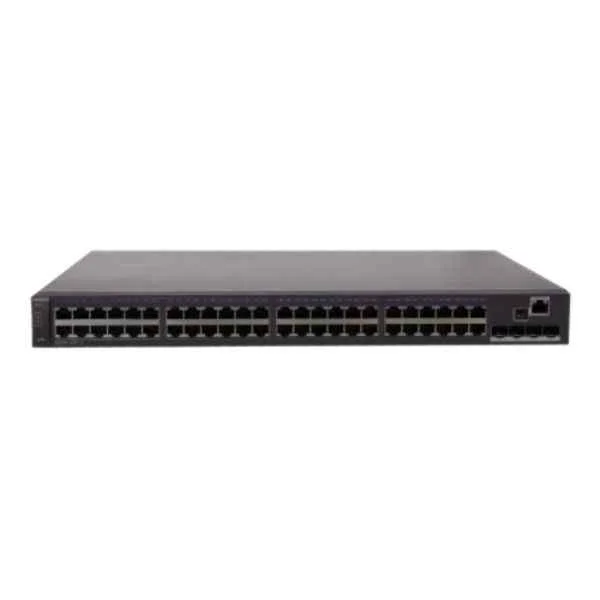
S5300-52P-LI-AC (S5300-52P-LI-AC Mainframe(48 GE RJ45,4 GE SFP,AC 110/220V))
4.8 (6)- Switch
- Huawei
- AC Power Supply
- Layer 3
- Rack-mount
- 75 W
- Over 48 Ports
Est Value In stockFirst-Time Buyer Discount – Get up to 2% additional off on your first order
ORM Rewards Earn $50 in Rewards + Free Expedited Delivery – Join Now!
Use eCoupon ORMSAVE10
eCoupon limited to 5 units
- FEARURED
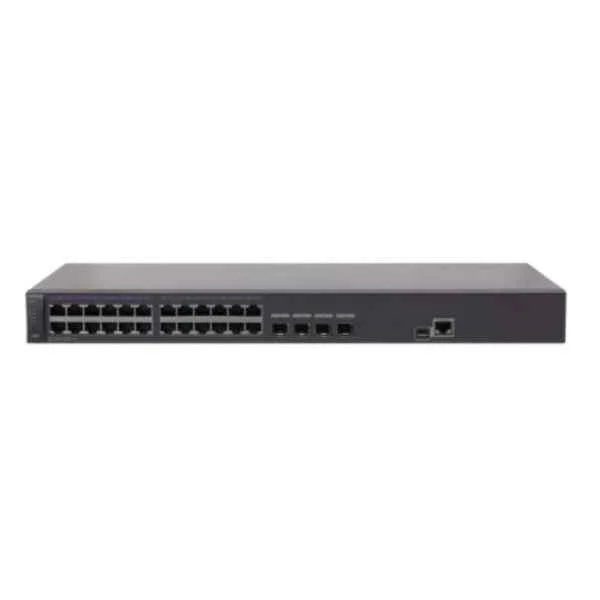
S5300-28P-LI-DC (S5300-28P-LI-DC Mainframe(24 GE RJ45,4 GE SFP,DC -48V))
4.8 (6)- Switch
- Huawei
- DC Power Supply
- Layer 2
- Rack-mount
- 150W
- 24–48 Ports
Est Value In stockFirst-Time Buyer Discount – Get up to 2% additional off on your first order
ORM Rewards Earn $50 in Rewards + Free Expedited Delivery – Join Now!
Use eCoupon ORMSAVE10
eCoupon limited to 5 units
- FEARURED
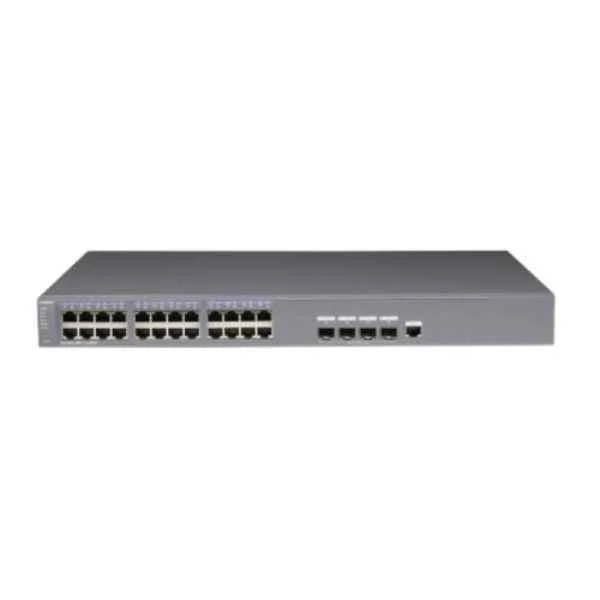
S5300-28P-LI-BAT (S5300-28P-LI-BAT(24 Ethernet 10/100/1000 ports,4 Gig SFP,1 slot with battery,AC 110/220V))
4.7 (6)- Switch
- Huawei
- AC Power Supply
- Layer 2
- Rack-mount
- 150 W
- 24–48 Ports
Est Value In stockFirst-Time Buyer Discount – Get up to 2% additional off on your first order
ORM Rewards Earn $50 in Rewards + Free Expedited Delivery – Join Now!
Use eCoupon ORMSAVE10
eCoupon limited to 5 units
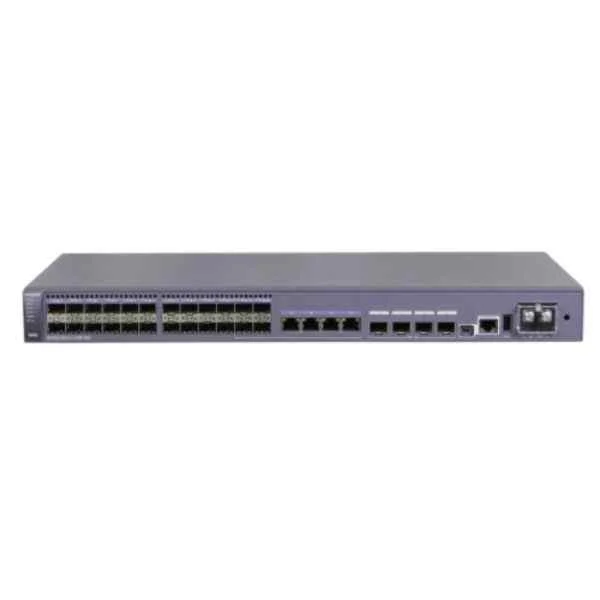
S5300-28X-LI-24S-DC (S5300-28X-LI-24S-DC(24 Gig SFP,4 of which are dual-purpose 10/100/1000 or SFP,4 10 Gig SFP+,DC -48V,front access))
4.8 (6)- Switch
- Huawei
- DC Power Supply
- Layer 2
- Rack-mount
- 150W
- 24–48 Ports
Est Value In stockFirst-Time Buyer Discount – Get up to 2% additional off on your first order
ORM Rewards Earn $50 in Rewards + Free Expedited Delivery – Join Now!
Use eCoupon ORMSAVE10
eCoupon limited to 5 units
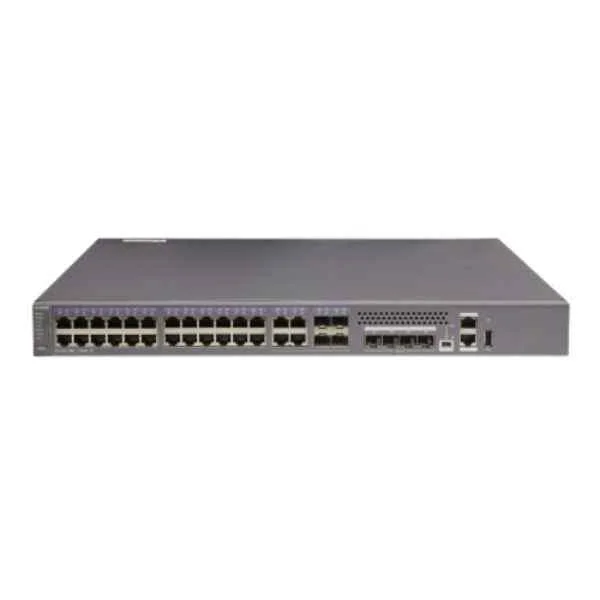
S5320-36C-PWR-EI-AC (S5320-36C-PWR-EI-AC(28 Ethernet 10/100/1000 PoE+ ports,4 of which are dual-purpose 10/100/1000 or SFP,4 10 Gig SFP,with 500W AC power))
4.5 (6)- Switch
- Huawei
- AC Power Supply
- Layer 2 / Layer 3
- Rack-mount
- 24–48 Ports
Est Value In stockFirst-Time Buyer Discount – Get up to 2% additional off on your first order
ORM Rewards Earn $50 in Rewards + Free Expedited Delivery – Join Now!
Use eCoupon ORMSAVE10
eCoupon limited to 5 units
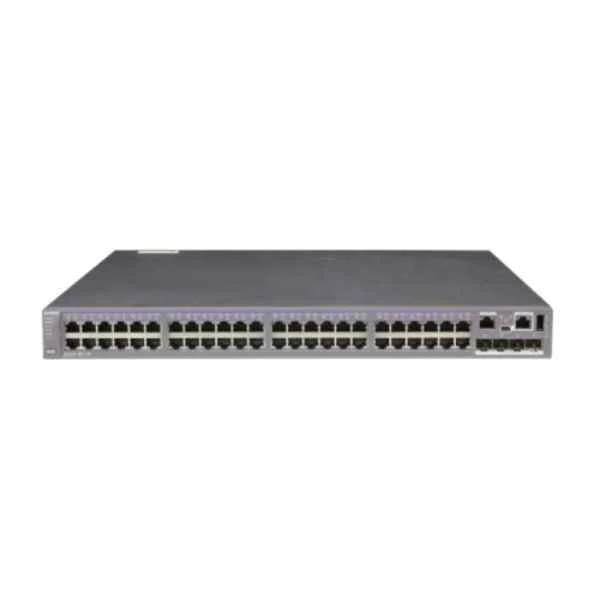
S5320-56PC-EI-DC (S5320-56PC-EI-DC(48 Ethernet 10/100/1000 ports,4 Gig SFP,with 1 interface slot,with 150W DC power supply))
4.8 (6)- Switch
- Huawei
- DC Power Supply
- Layer 2 / Layer 3
- Rack-mount
- 85 W
- Over 48 Ports
Est Value In stockFirst-Time Buyer Discount – Get up to 2% additional off on your first order
ORM Rewards Earn $50 in Rewards + Free Expedited Delivery – Join Now!
Use eCoupon ORMSAVE10
eCoupon limited to 5 units
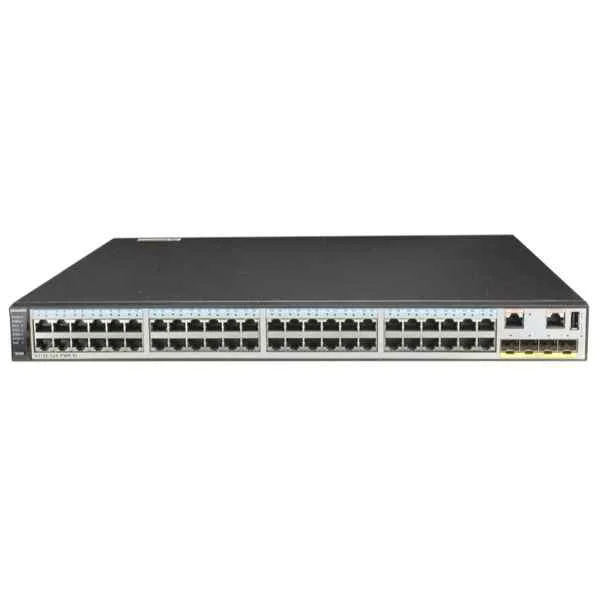
S5320-52X-PWR-SI-ACF (S5320-52X-PWR-SI-ACF (48 Ethernet 10/100/1000 PoE+ ports,4 10 Gig SFP+,with 1150W AC power supply))
4.7 (6)- Switch
- Huawei
- AC Power Supply
- Layer 2 / Layer 3
- Rack-mount
- Over 48 Ports
Est Value In stockFirst-Time Buyer Discount – Get up to 2% additional off on your first order
ORM Rewards Earn $50 in Rewards + Free Expedited Delivery – Join Now!
Use eCoupon ORMSAVE10
eCoupon limited to 5 units
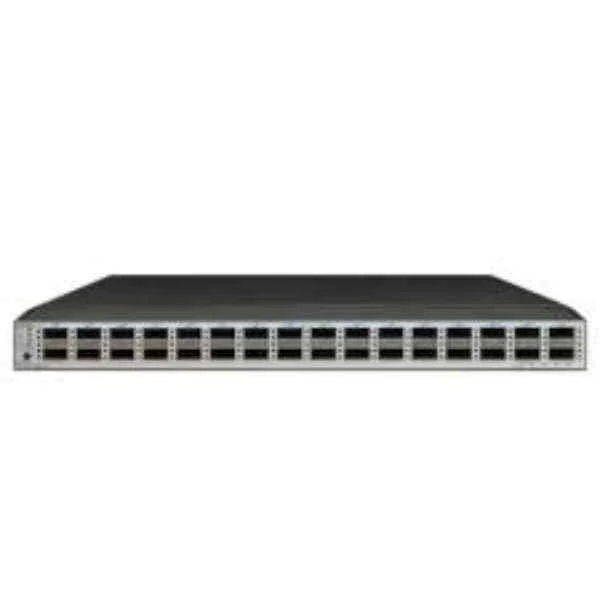
S5320-36C-PWR-EI-DC (S5320-36C-PWR-EI-DC(28 Ethernet 10/100/1000 PoE+ ports,4 of which are dual-purpose 10/100/1000 or SFP,4 10 Gig SFP,with 650W DC power))
4.7 (6)- Switch
- Huawei
- Layer 2 / Layer 3
- Rack-mount
- 24–48 Ports
Est Value In stockFirst-Time Buyer Discount – Get up to 2% additional off on your first order
ORM Rewards Earn $50 in Rewards + Free Expedited Delivery – Join Now!
Use eCoupon ORMSAVE10
eCoupon limited to 5 units

ORM Sales Advisors
Buying for your business? Get a personalised quote in under 2 hours. Talk to an expert
LEARNFilters (74) 
Questions & Answers
What are the key features of Huawei S5300 Series Switches?
Huawei S5300 Series Switches deliver high-performance Layer 2/3 switching, full Gigabit and 10GE uplinks, advanced QoS, robust security, IPv6 readiness, and energy-efficient design for enterprise campus and SMB networks.
Which deployment scenarios suit the Huawei S5300 Series?
The S5300 Series is ideal for enterprise access and aggregation, campus distribution, SMB core switching, and converged wired–wireless networks requiring secure, high-throughput connectivity.
How does Huawei S5300 ensure security and access control?
S5300 switches support 802.1X authentication, MAC binding, DHCP snooping, IP source guard, port security, and ACLs to prevent unauthorized access and mitigate network attacks.
What is the maximum switching capacity of S5300 Series Switches?
Models in the S5300 Series offer up to 336 Gbps switching capacity and up to 251.66 Mpps packet forwarding rate to handle demanding traffic loads.
Do Huawei S5300 switches support PoE/PoE+?
Yes, selected S5300 models provide IEEE 802.3af/at PoE and PoE+ with up to 30 W per port and a total PoE budget up to 370 W, powering IP phones, cameras, and access points.
Can Huawei S5300 Series Switches be stacked?
Yes, the S5300 Series supports IRF stacking technology, allowing up to 4 units to form a single virtual switch for simplified management and non-blocking bandwidth.
How is energy efficiency implemented in the S5300 Series?
S5300 switches feature Huawei’s smart energy-saving technologies, including adaptive PoE, port power shutoff, deep-sleep for unused ports, and low-power ASIC design.
What management options are available for the S5300 Series?
Administrators can use CLI, web GUI, SNMP, eSight NMS, and OpenFlow for centralized monitoring, automation, and SDN integration.
Does the Huawei S5300 support IPv6?
Yes, S5300 Switches offer comprehensive IPv6 functionality including IPv6 routing, MLD snooping, DHCPv6, and neighbor discovery to future-proof network deployments.
What QoS features do Huawei S5300 switches provide?
They deliver hierarchical QoS with classification, policing, shaping, queuing, and scheduling to guarantee bandwidth and prioritize mission-critical applications.
How reliable are Huawei S5300 Series Switches?
Built with redundant fans and power supplies, non-blocking backplane, and hot-swappable modules, S5300 ensures high availability and minimal downtime.
What VLAN capabilities exist on the S5300 Series?
S5300 supports up to 4K VLANs, QinQ stacking, guest VLAN, voice VLAN, and port-based or protocol-based VLAN assignment for flexible network segmentation.
What warranty and support does Huawei offer for S5300?
Huawei provides a lifetime warranty on the hardware platform and three-year software support with options for extended service contracts and on-site response.
How do I upgrade the firmware on a Huawei S5300 switch?
Use the CLI or web GUI to upload the firmware image via FTP/TFTP/SFTP, verify its integrity, and execute the 'upgrade' command to apply the new OS.
Can Huawei S5300 integrate with third-party network solutions?
Yes, S5300 Switches support industry-standard protocols (SNMP, LLDP, OSPF, BGP) and open APIs for seamless integration with multi-vendor environments and SDN controllers.