 United States
Network Security Fortigate Entry-Level Series
Experience unparalleled threat protection and optimized network performance with Fortigate NGFW Entry-Level Series. Designed for cost-effective, scalable security, this solution meets stringent compliance standards while safeguarding your digital perimeter.
Talk to an expert
239 Matching results
- BEST SELLING
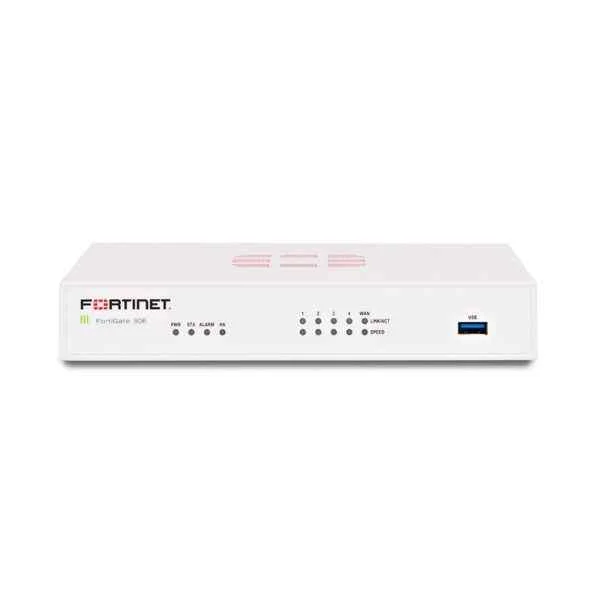
FG-30E (Fortinet FG-30E, 5 x GE RJ45 ports (Including 1 x WAN port, 4 x Switch ports), Max managed FortiAPs (Total / Tunnel) 2 / 2)
4.6 (5)- Firewall Appliance
- Fortinet
- Rack-mount
- SMB / Enterprise / Branch Office / Cloud
- VPN / Secure Access / Segmentation / UTM
- Layer 7
- AC Power Supply
Est Value $353.13
$254.10
28% offIn stockRefurbishedFirst-Time Buyer Discount – Get up to 2% additional off on your first order
ORM Rewards Earn $50 in Rewards + Free Expedited Delivery – Join Now!
Use eCoupon ORMSAVE10
eCoupon limited to 5 units
- BEST SELLING
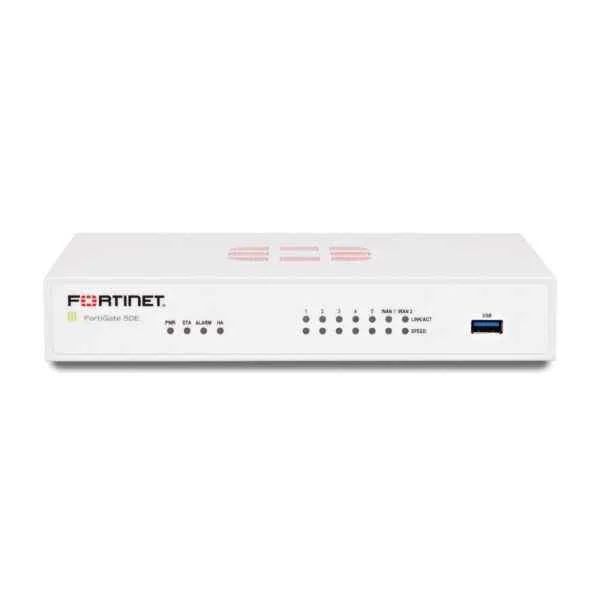
FG-50E (Fortinet FG-50E, 7 x GE RJ45 ports (Including 2 x WAN port, 5 x Switch ports), Max managed FortiAPs (Total / Tunnel) 10 / 5)
4.2 (5)- Firewall Appliance
- Fortinet
- Desktop
- Small Business / Branch Office
- VPN / Secure Access / UTM
- Layer 3 / Layer 4 / Layer 7
- AC Power Supply
Est Value $1,217.70$1,039.50
14.6% offIn stockNewRefurbishedFirst-Time Buyer Discount – Get up to 2% additional off on your first order
ORM Rewards Earn $50 in Rewards + Free Expedited Delivery – Join Now!
Use eCoupon ORMSAVE10
eCoupon limited to 5 units
- BEST SELLING
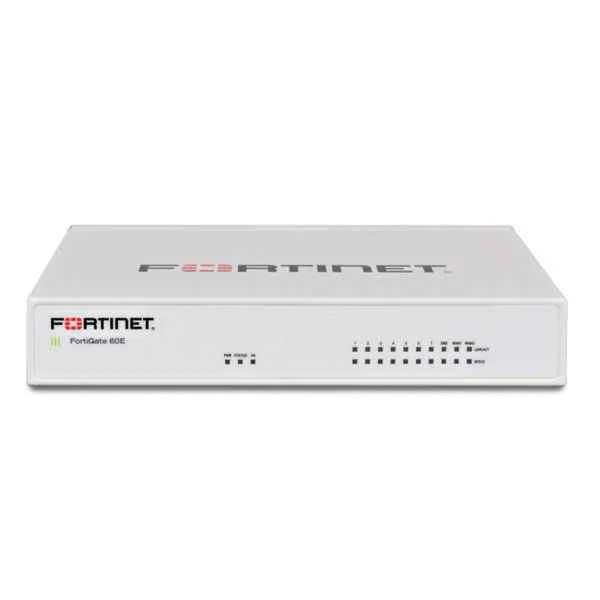
FG-60E (Fortinet FG-60E, 10 x GE RJ45 ports (including 7 x Internal Ports, 2 x WAN Ports, 1 x DMZ Port). Max managed FortiAPs (Total / Tunnel) 30 / 10)
4.4 (5)- Firewall Appliance
- Fortinet
- Desktop
- Small Business / Branch Office
- VPN / UTM
- Layer 7
- AC Power Supply
Est Value $795.66$309.54
61.1% offIn stockNewRefurbishedFirst-Time Buyer Discount – Get up to 2% additional off on your first order
ORM Rewards Earn $50 in Rewards + Free Expedited Delivery – Join Now!
Use eCoupon ORMSAVE10
eCoupon limited to 5 units
- BEST SELLING
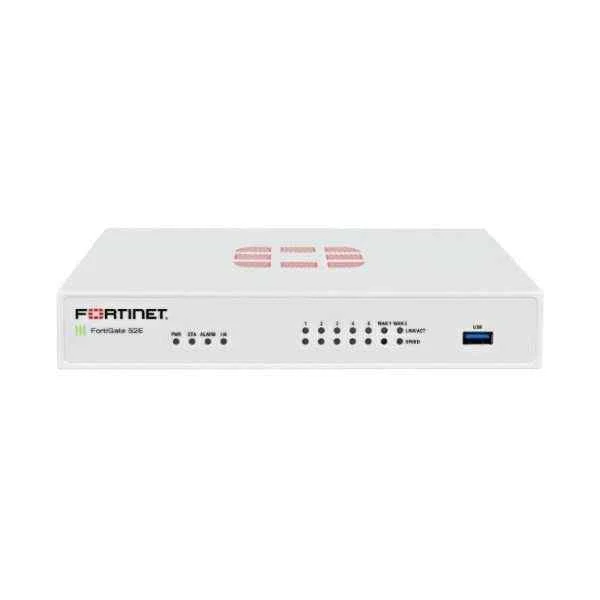
FG-52E (Fortinet FG-52E 7 x GE RJ45 ports (Including 2 x WAN port, 5 x Switch ports) with 2x 32GB SSD onboard storage. Max managed FortiAPs (Total / Tunnel) 10 / 5)
4.6 (5)- Firewall Appliance
- Fortinet
- Rack-mount
- Branch Office
- UTM
- Layer 7
- AC Power Supply
Est Value $1,196.56$884.22
26.1% offIn stockNewRefurbishedFirst-Time Buyer Discount – Get up to 2% additional off on your first order
ORM Rewards Earn $50 in Rewards + Free Expedited Delivery – Join Now!
Use eCoupon ORMSAVE10
eCoupon limited to 5 units
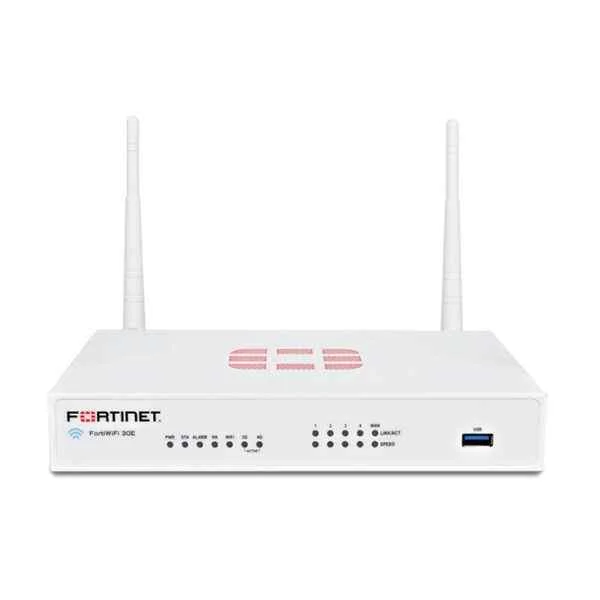
FWF-30E (Fortinet FWF-30E 5 x GE RJ45 ports (Including 1 x WAN port, 4 x Switch ports), Wireless (802.11a/b/g/n),Max managed FortiAPs (Total / Tunnel) 2 / 2)
4.6 (5)- Firewall Appliance
- Fortinet
- Rack-mount
- Enterprise / Branch Office
- VPN / Secure Access / Segmentation / UTM
- Layer 3 / Layer 4 / Layer 7
- AC Power Supply
Est Value $703.86$146.48
79.2% offIn stockNewRefurbishedFirst-Time Buyer Discount – Get up to 2% additional off on your first order
ORM Rewards Earn $50 in Rewards + Free Expedited Delivery – Join Now!
Use eCoupon ORMSAVE10
eCoupon limited to 5 units
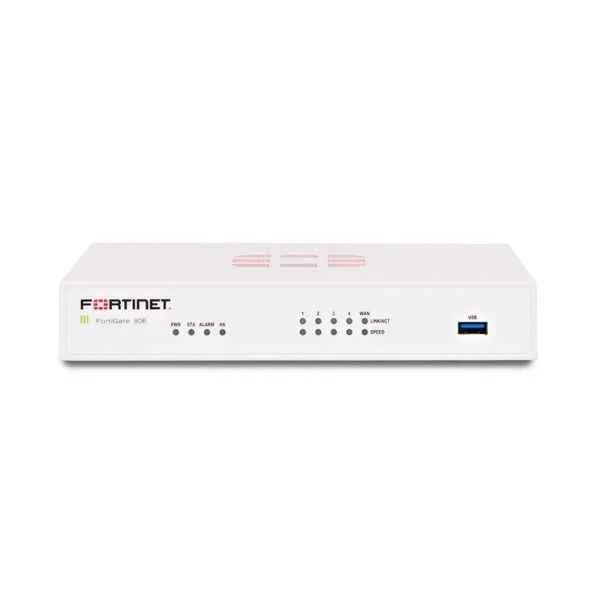
FG-30E-BDL-950-12 (FG-30E Hardware plus 1 Year 24*7 FortiCare and FortiGuard Unified (UTM) Protection (FG-30E & FC-10-0030E-950-02-12))
4.6 (5)- Firewall Appliance
- Fortinet
- Rack-mount
- Business / Enterprise / Branch Office
- VPN / UTM
- Layer 7
- AC Power Supply
Est Value $984.38
In stockNewRefurbishedFirst-Time Buyer Discount – Get up to 2% additional off on your first order
ORM Rewards Earn $50 in Rewards + Free Expedited Delivery – Join Now!
Use eCoupon ORMSAVE10
eCoupon limited to 5 units
FWF-50E (Fortinet FWF-50E 7 x GE RJ45 ports (Including 2 x WAN port, 5 x Switch ports), Wireless (802.11a/b/g/n),Max managed FortiAPs (Total / Tunnel) 10 / 5)
4.6 (5)- Firewall Appliance
- Fortinet
- Rack-mount
- Enterprise / Branch Office / SMB
- VPN / Secure Access / Segmentation / UTM
- Layer 7
- AC Power Supply
Est Value $844.62$257.04
69.6% offIn stockNewRefurbishedFirst-Time Buyer Discount – Get up to 2% additional off on your first order
ORM Rewards Earn $50 in Rewards + Free Expedited Delivery – Join Now!
Use eCoupon ORMSAVE10
eCoupon limited to 5 units
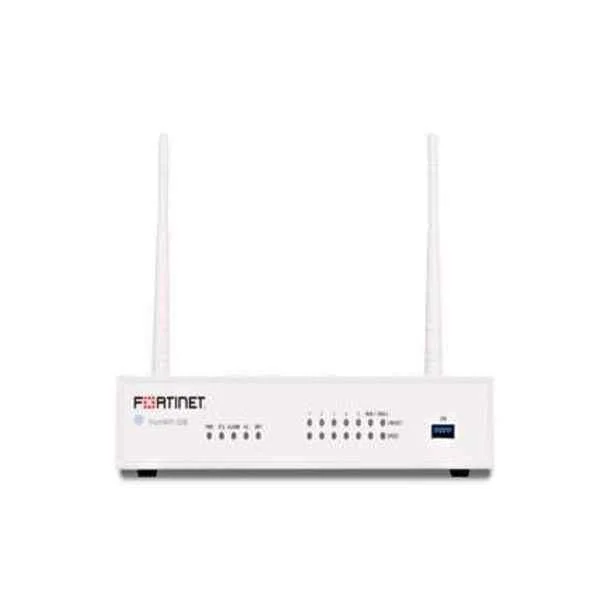
FWF-50E-2R (Fortinet FWF-50E-2R 7 x GE RJ45 ports (Including 2 x WAN port, 5 x Switch ports), dual radio wireless (802.11a/b/g/n/ac), Max managed FortiAPs (Total / Tunnel) 10 / 5)
4.6 (5)- Firewall Appliance
- Fortinet
- Rack-mount
- Enterprise
- VPN / Secure Access / UTM
- Layer 3 / Layer 4 / Layer 7
- AC Power Supply
Est Value $915.02$580.91
36.5% offIn stockNewRefurbishedFirst-Time Buyer Discount – Get up to 2% additional off on your first order
ORM Rewards Earn $50 in Rewards + Free Expedited Delivery – Join Now!
Use eCoupon ORMSAVE10
eCoupon limited to 5 units
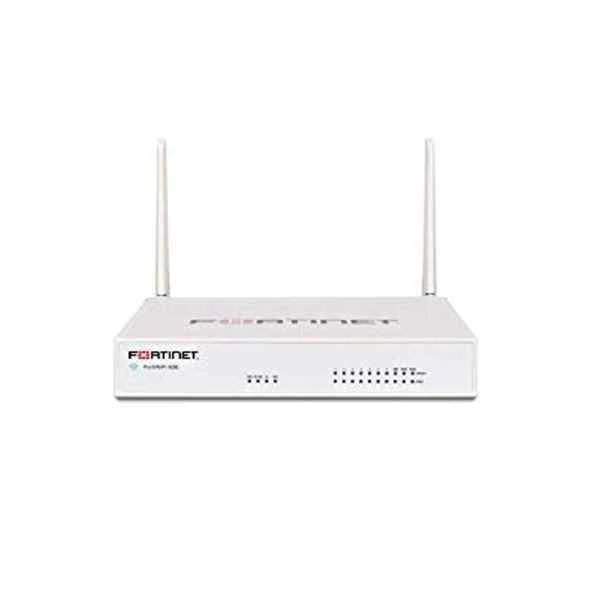
FWF-60E (Fortinet FWF-60E, 10 x GE RJ45 ports (including 2 x WAN Ports, 1 x DMZ Port, 7 x Internal Ports), Wireless (802.11a/b/g/n/ac). Max managed FortiAPs (Total / Tunnel) 10 / 5)
4.6 (5)- Firewall Appliance
- Fortinet
- Rack-mount
- Enterprise / Branch Office / Data Center
- VPN / Secure Access / Segmentation / UTM
- Layer 7
- AC Power Supply / Redundant
Est Value $1,164.40$994.00
14.6% offIn stockNewRefurbishedFirst-Time Buyer Discount – Get up to 2% additional off on your first order
ORM Rewards Earn $50 in Rewards + Free Expedited Delivery – Join Now!
Use eCoupon ORMSAVE10
eCoupon limited to 5 units
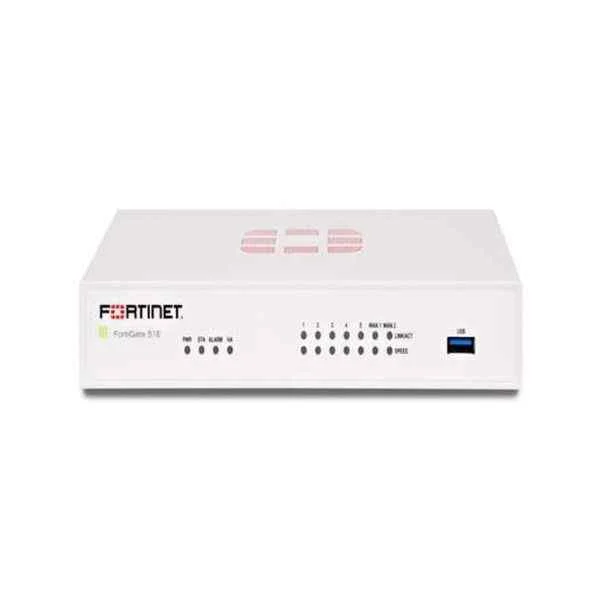
FG-51E (Fortinet FG-51E 7 x GE RJ45 ports (Including 2 x WAN port, 5 x Switch ports), 32GB SSD onboard storage, Max managed FortiAPs (Total / Tunnel) 10 / 5)
4.6 (5)- Firewall Appliance
- Fortinet
- Rack-mount
- Enterprise / Branch Office / SMB / Cloud
- VPN / Secure Access / UTM
- Layer 7
- AC Power Supply with Redundant Option
Est Value $985.40$304.50
69.1% offIn stockNewRefurbishedFirst-Time Buyer Discount – Get up to 2% additional off on your first order
ORM Rewards Earn $50 in Rewards + Free Expedited Delivery – Join Now!
Use eCoupon ORMSAVE10
eCoupon limited to 5 units
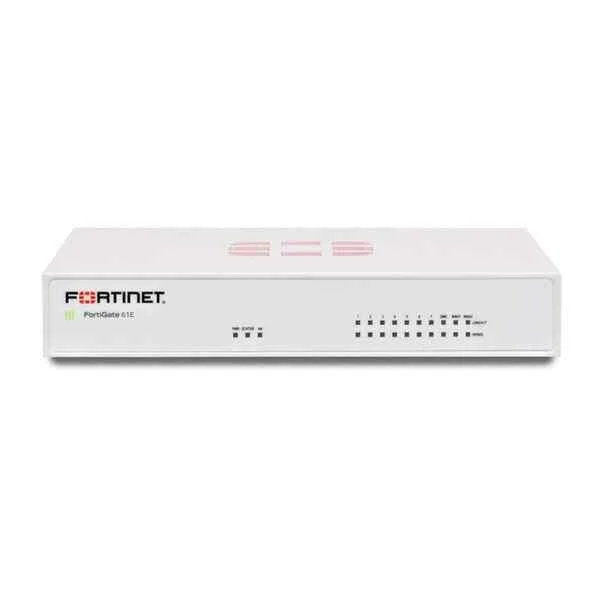
FG-61E (Fortinet FG-61E, 10 x GE RJ45 ports (including 2 x WAN Ports, 1 x DMZ Port, 7 x Internal Ports), 128GB SSD onboard storage. Max managed FortiAPs (Total / Tunnel) 10 / 5)
4.8 (5)- Firewall Appliance
- Fortinet
- Rack-mount
- Small Business / Branch Office
- VPN / Secure Access / Segmentation / UTM
- Layer 3 / Layer 4 / Layer 7
- AC Power Supply
Est Value $1,126.17$1,097.25
2.6% offIn stockNewRefurbishedFirst-Time Buyer Discount – Get up to 2% additional off on your first order
ORM Rewards Earn $50 in Rewards + Free Expedited Delivery – Join Now!
Use eCoupon ORMSAVE10
eCoupon limited to 5 units
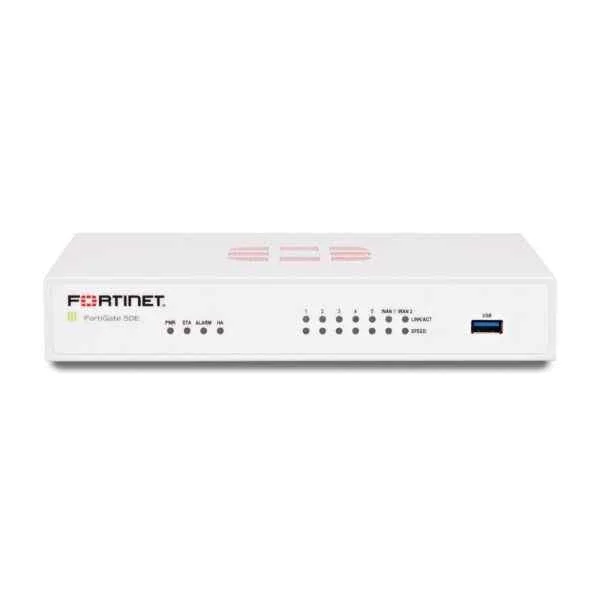
FG-50E-BDL-950-12 (FG-50E Hardware plus 1 Year 24*7 FortiCare and FortiGuard Unified (UTM) Protection (FG-50E & FC-10-0050E-950-02-12))
4.6 (5)- Next-Generation Firewall Appliance
- Fortinet
- Hardware Appliance / Rack-mount
- Branch Office / Enterprise
- UTM / VPN
- Layer 7
- AC Power Supply
Est Value $1,110.87$929.46
16.3% offIn stockNewRefurbishedFirst-Time Buyer Discount – Get up to 2% additional off on your first order
ORM Rewards Earn $50 in Rewards + Free Expedited Delivery – Join Now!
Use eCoupon ORMSAVE10
eCoupon limited to 5 units
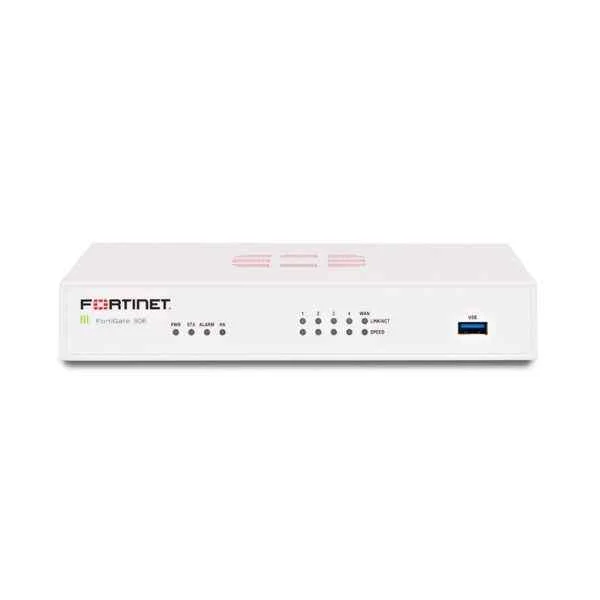
FG-30E-BDL (FG-30E Hardware plus 1 year 8x5 FortiCare and FortiGuard Unified (UTM) Protection)
4.6 (5)- Firewall Appliance
- Fortinet
- Rack-mount
- Enterprise / Branch Office
- VPN / Secure Access / UTM
- Layer 3 / Layer 7
- AC Power Supply
Est Value $1,644.76$361.92
78% offIn stockNewRefurbishedFirst-Time Buyer Discount – Get up to 2% additional off on your first order
ORM Rewards Earn $50 in Rewards + Free Expedited Delivery – Join Now!
Use eCoupon ORMSAVE10
eCoupon limited to 5 units
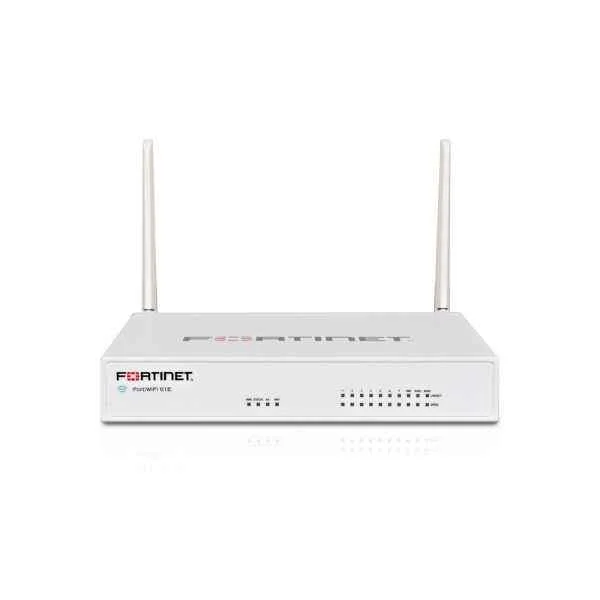
FWF-61E (Fortinet FWF-61E 10 x GE RJ45 ports (including 2 x WAN Ports, 1 x DMZ Port, 7 x Internal Ports), Wireless (802.11a/b/g/n/ac), 128GB SSD onboard storage. Max managed FortiAPs (Total / Tunnel) 10 / 5)
4.8 (5)- Firewall Appliance
- Fortinet
- Rack-mount
- Enterprise / Branch Office
- VPN / Secure Access / Segmentation / UTM
- Layer 7
- AC Power Supply
Est Value $1,266.94$839.95
33.7% offIn stockNewRefurbishedFirst-Time Buyer Discount – Get up to 2% additional off on your first order
ORM Rewards Earn $50 in Rewards + Free Expedited Delivery – Join Now!
Use eCoupon ORMSAVE10
eCoupon limited to 5 units
FG-60E-DSL (FortiGate-60E-DSL, 9 x GE RJ45 ports (including 7 x Internal Ports, 1 x WAN Ports, 1 x DMZ Port), Internal ADSL2/2+ and VDSL2 (Annex A/M) modem, Wireless (802.11ac))
4.6 (5)- Firewall Appliance
- Fortinet
- Rack-mount
- Branch Office
- VPN / Secure Access / UTM
- Layer 3 / Layer 7
- AC Power Supply
Est Value $1,101.68$1,039.61
5.6% offIn stockNewRefurbishedFirst-Time Buyer Discount – Get up to 2% additional off on your first order
ORM Rewards Earn $50 in Rewards + Free Expedited Delivery – Join Now!
Use eCoupon ORMSAVE10
eCoupon limited to 5 units
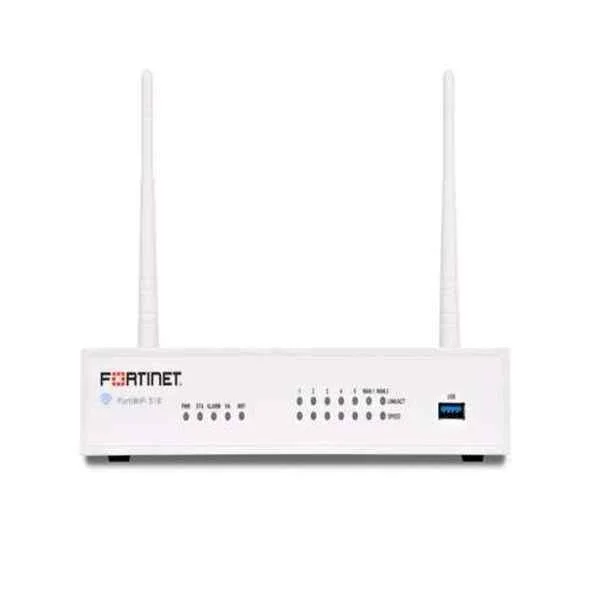
FWF-51E (7x GE RJ45 ports (including 2x WAN ports, 5x Switch ports), Wireless (802.11a/b/g/n), 32 GB SSD onboard storage, maximum managed FortiAPs (Total / Tunnel) 10 / 5)
4.4 (5)- Firewall Appliance
- Fortinet
- Rack-mount
- Enterprise / Branch Office
- VPN / Secure Access / UTM
- Layer 7
- AC Power Supply
Est Value $1,763.60$881.80
50% offIn stockRefurbishedFirst-Time Buyer Discount – Get up to 2% additional off on your first order
ORM Rewards Earn $50 in Rewards + Free Expedited Delivery – Join Now!
Use eCoupon ORMSAVE10
eCoupon limited to 5 units
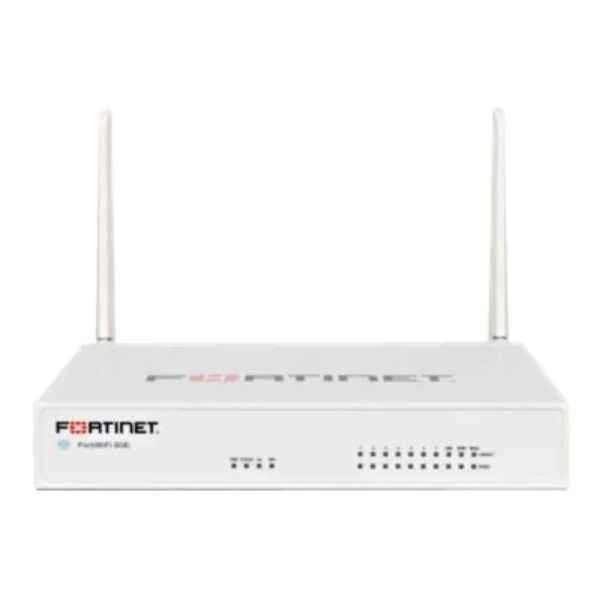
FWF-60E-DSL (FortiWifi-60E-DSL, 9 x GE RJ45 ports (including 7 x Internal Ports, 1 x WAN Ports, 1 x DMZ Port), Internal ADSL2/2+ and VDSL2 (Annex A/M) modem, Wireless (802.11ac))
4.6 (5)- Wireless DSL Router
- Fortinet
- Access Point
- Wi-Fi 6
- 2.4GHz / 5GHz
- 1Gbps
- 150 feet
Est Value $1,774.50$887.25
50% offIn stockRefurbishedFirst-Time Buyer Discount – Get up to 2% additional off on your first order
ORM Rewards Earn $50 in Rewards + Free Expedited Delivery – Join Now!
Use eCoupon ORMSAVE10
eCoupon limited to 5 units
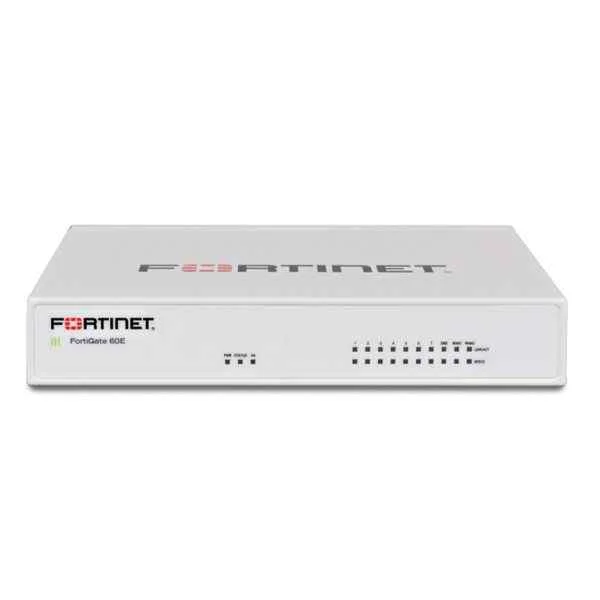
FG-60E-BDL-950-12 (FG-60E Hardware plus 1 Year 24*7 FortiCare and FortiGuard Unified (UTM) Protection (FG-60E & FC-10-0060E-950-02-12))
4.4 (5)- Firewall Appliance
- Fortinet
- Rack-mount
- Enterprise / Branch Office
- VPN / Secure Access / UTM
- Layer 7
- AC Power Supply
Est Value $3,298.92$1,649.46
50% offIn stockNewRefurbishedFirst-Time Buyer Discount – Get up to 2% additional off on your first order
ORM Rewards Earn $50 in Rewards + Free Expedited Delivery – Join Now!
Use eCoupon ORMSAVE10
eCoupon limited to 5 units
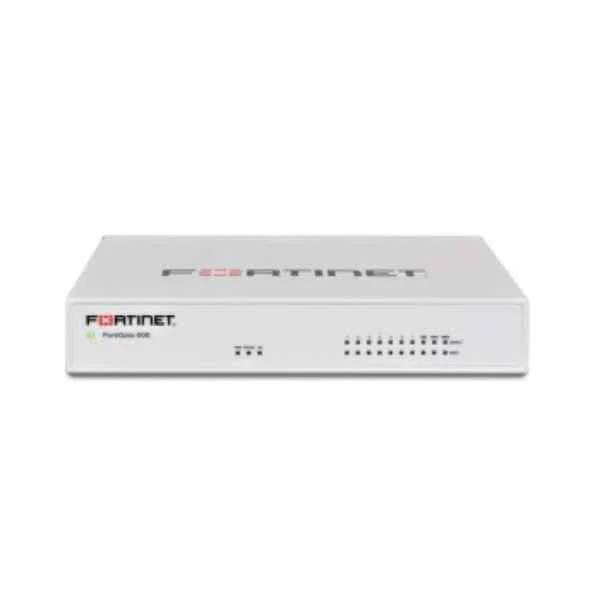
FG-60E-DSLJ (FortiGate-60E-DSLJ, 9 x GE RJ45 ports (including 7 x Internal Ports, 1 x WAN Ports, 1 x DMZ Port) Internal ADSL2/2+ and VDSL2 modem supporting Annex B/J)
4.8 (5)- Firewall Appliance
- Fortinet
- Rack-mount
- Small Business / Branch Office
- VPN / Secure Access / UTM
- Layer 3 / Layer 4 / Layer 7
- AC Power Supply
Est Value $1,810.20$905.10
50% offIn stockRefurbishedFirst-Time Buyer Discount – Get up to 2% additional off on your first order
ORM Rewards Earn $50 in Rewards + Free Expedited Delivery – Join Now!
Use eCoupon ORMSAVE10
eCoupon limited to 5 units
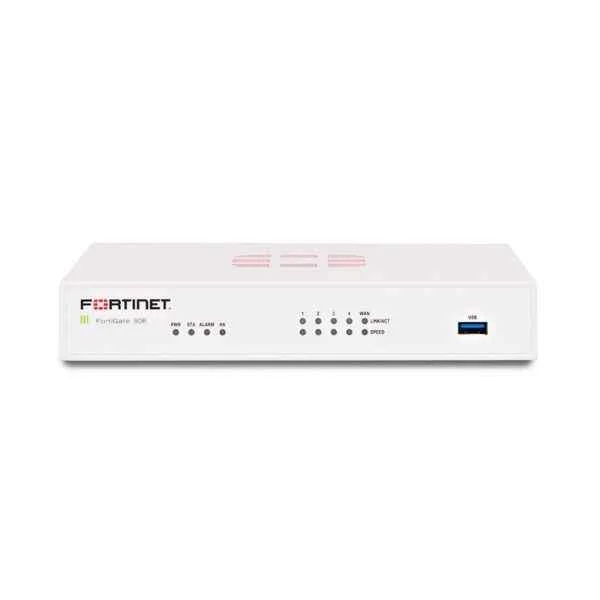
FG-30E-BDL-950-36 (FG-30E Hardware plus 3 Year 24*7 FortiCare and FortiGuard Unified (UTM) Protection (FG-30E & FC-10-0030E-950-02-36))
4.8 (5)- Firewall Appliance
- Fortinet
- Rack-mount
- Enterprise
- VPN / Secure Access / Segmentation / UTM
- Layer 7
- AC Power Supply
Est Value $1,331.70$1,090.66
18.1% offIn stockNewFirst-Time Buyer Discount – Get up to 2% additional off on your first order
ORM Rewards Earn $50 in Rewards + Free Expedited Delivery – Join Now!
Use eCoupon ORMSAVE10
eCoupon limited to 5 units

ORM Sales Advisors
Buying for your business? Get a personalised quote in under 2 hours. Talk to an expert
LEARNFilters (239) 
Questions & Answers
What is the Fortinet FortiGate NGFW Entry-Level Series?
The FortiGate NGFW Entry-Level Series is a family of compact next-generation firewalls designed to deliver enterprise-grade security, integrated threat protection, and high performance for small offices and branch locations.
Which models are included in the FortiGate NGFW Entry-Level Series?
The entry-level series includes the FortiGate 40F, 60F, and 80F models, each offering varying throughput and port densities to match diverse branch and small-business requirements.
What security features are offered by the entry-level FortiGate NGFW?
Key features include ASIC-accelerated firewalling, IPS, SSL inspection, application control, antivirus, web filtering, and integrated sandboxing via FortiSandbox for advanced threat detection.
What are the performance specifications of these FortiGate models?
Performance ranges from up to 5 Gbps firewall throughput on the 40F to 20 Gbps on the 80F, with SSL inspection capabilities up to 700 Mbps and IPS throughput up to 1.5 Gbps, depending on model.
How does FortiGate Entry-Level Series simplify deployment?
Each unit supports zero-touch provisioning and a web-based GUI, while integration with FortiManager and FortiCloud enables centralized configuration and rapid roll-out across multiple sites.
What management options are available for these firewalls?
Administrators can manage devices locally via FortiOS GUI or CLI, centrally through FortiManager, or via the cloud-hosted FortiCloud platform for policy orchestration and analytics.
How is licensing structured for the FortiGate Entry-Level Series?
Licensing is subscription-based, with bundled FortiCare support and FortiGuard security services—customers can choose UTM packages or individual services such as IPS, AV, web filtering, and sandboxing.
What total cost of ownership can customers expect?
The entry-level series delivers a low TCO through integrated hardware and security services, consolidated subscriptions, and reduced operational overhead via automated updates and simplified management.
How does FortiGate integrate with FortiGuard security services?
FortiGate NGFWs use FortiGuard Labs threat intelligence feeds for real-time updates on malware, vulnerabilities, and web threats, ensuring continuous policy enforcement and proactive protection.
Can the entry-level FortiGate run virtual instances?
No, the entry-level series is designed as physical appliances; for virtual deployments, customers should consider the FortiGate VM series tailored for private and public cloud environments.
Is the Entry-Level Series compatible with public cloud environments?
While physical units are not cloud-deployed, they integrate seamlessly with cloud-based management via FortiCloud and can secure hybrid WAN links to AWS, Azure, and other cloud platforms.
How scalable are these entry-level firewalls?
They scale easily for small to mid-sized deployments by clustering multiple units in high-availability or SD-WAN topologies, supporting up to 20 active nodes for branch connectivity.
What high-availability options are supported?
The series supports active-active and active-passive HA modes with session synchronization, automated failover, and FortiLink port redundancy for uninterrupted security services.
What size of business is best suited for FortiGate Entry-Level Series?
These models are ideal for SMBs, retail outlets, satellite offices, and small branches requiring enterprise-grade protection without the complexity or cost of higher-end firewalls.
What support and firmware update options are included?
Each device ships with a FortiCare subscription providing 24x7 technical support, firmware updates, and access to FortiGuard services, ensuring continuous protection and compliance.
How can customers purchase and set up a FortiGate Entry-Level unit?
Customers can order through authorized Fortinet partners or the Fortinet online store, then follow the intuitive quick-start guide for rack or desktop installation and initial configuration via the GUI.