 United States
Juniper Firewall Solutions with Next-Gen Security and SRX Series Protection
Juniper firewalls deliver advanced next-gen security with the SRX Series, combining high performance, AI-driven threat prevention, and simplified management for enterprises, data centers, and hybrid cloud environments.
Talk to an expert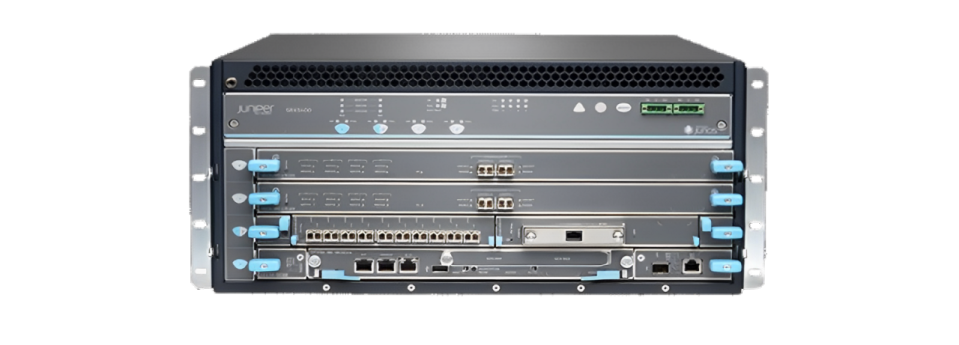
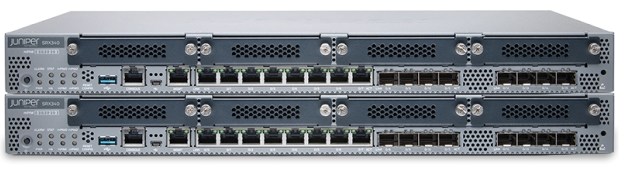
Juniper Srx Series Service Gateways
(95)Juniper SRX Series service gateways fit branch WAN edge routing with AppSecure policies, IPsec VPN, and Ethernet switching options
95 Matching results
- BEST SELLING
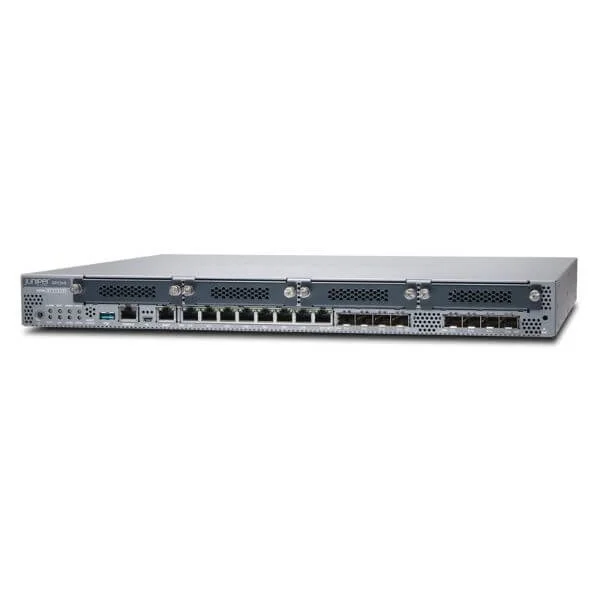
SRX345-SYS-JE (SRX345 Services Gateway includes hardware (16GE, 4x MPIM slots, 4G RAM, 8G Flash, power supply, cable and RMK) and Junos Software Enhanced (Firewall, NAT, IPSec, Routing, MPLS, Switching and Application Security).)
4.8 (5)- Firewall Appliance
- Juniper
- Rack-mount
- Enterprise / Branch Office
- VPN / Secure Access / UTM
- Layer 3 / Layer 4 / Layer 7
- AC Power Supply
Est Value $7,165.00
$3,962.07
44.7% offIn stockNewRefurbishedFirst-Time Buyer Discount – Get up to 2% additional off on your first order
ORM Rewards Earn $50 in Rewards + Free Expedited Delivery – Join Now!
Use eCoupon ORMSAVE10
eCoupon limited to 5 units
- BEST SELLING
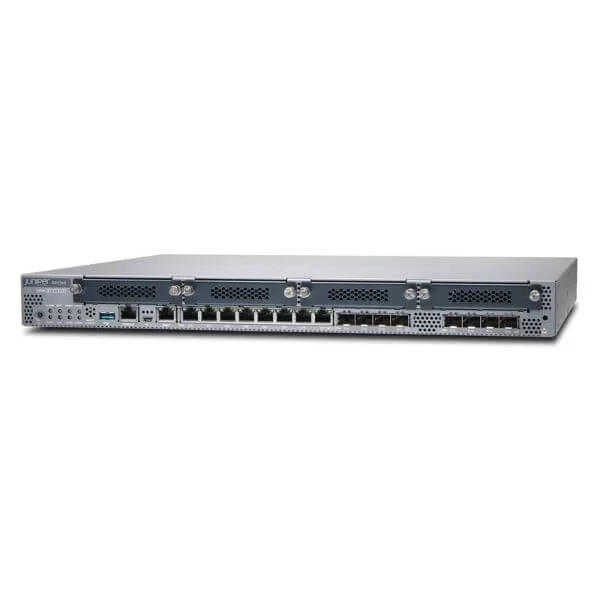
SRX345-SYS-JB (SRX345 Services Gateway includes hardware (16GE, 4x MPIM slots, 4G RAM, 8G Flash, power supply, cable and RMK) and Junos Software Base (Firewall, NAT, IPSec, Routing, MPLS and Switching).)
4.6 (5)- Firewall Appliance
- Juniper
- Rack-mount
- Enterprise / Branch Office
- VPN / Secure Access / UTM
- Layer 3 / Layer 4 / Layer 7
- AC Power Supply / Redundant
Est Value $7,627.50$5,932.50
22.2% offIn stockNewRefurbishedFirst-Time Buyer Discount – Get up to 2% additional off on your first order
ORM Rewards Earn $50 in Rewards + Free Expedited Delivery – Join Now!
Use eCoupon ORMSAVE10
eCoupon limited to 5 units
- BEST SELLING
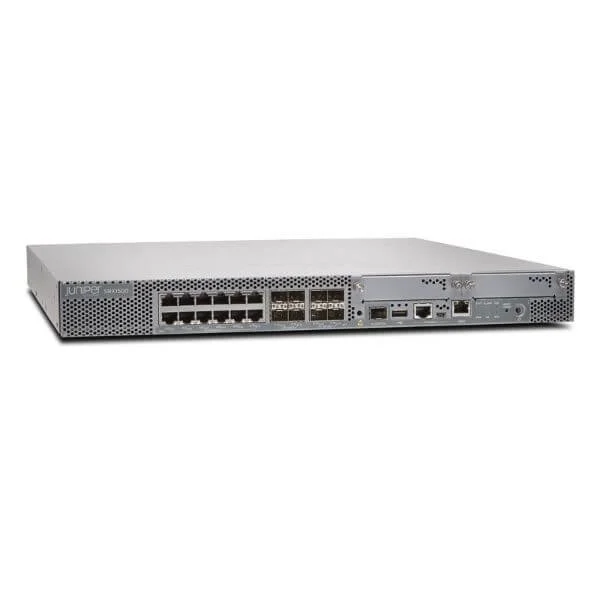
SRX1500-SYS-JB-AC (SRX1500-AC HW & JUNOS BASE (JSB))
4.4 (5)- Firewall Appliance
- Juniper
- Rack-mount
- Enterprise / Branch Office
- VPN / Secure Access / UTM
- Layer 3 / Layer 4 / Layer 7
- AC Power Supply
Est Value $12,109.00$1,816.50
85% offIn stockNewRefurbishedFirst-Time Buyer Discount – Get up to 2% additional off on your first order
ORM Rewards Earn $50 in Rewards + Free Expedited Delivery – Join Now!
Use eCoupon ORMSAVE10
eCoupon limited to 5 units
- BEST SELLING
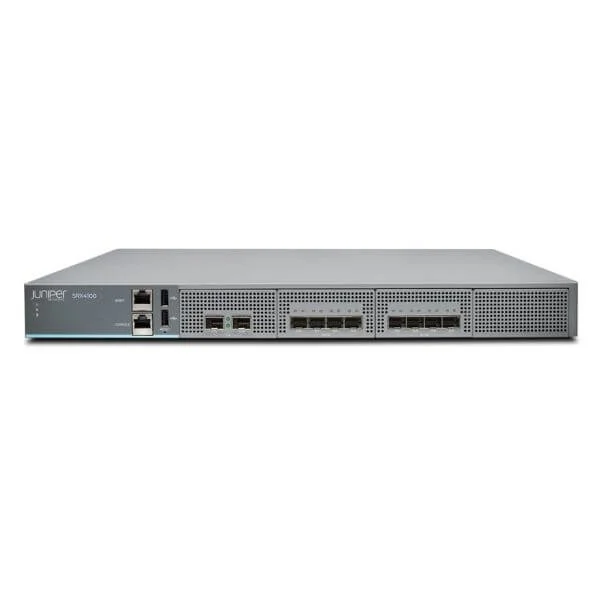
SRX4100-SYS-JB-AC (SRX4100 Services Gateway includes hardware (8x10GE, two AC PSU, four FAN Trays, cables and RMK) and Junos Software Base (Firewall, NAT, IPSec, Routing, MPLS))
4.8 (5)- Firewall Appliance
- Juniper
- Rack-mount
- Enterprise
- VPN
- Layer 7
- AC Power Supply
Est Value $68,176.00$10,226.50
85% offIn stockNewRefurbishedFirst-Time Buyer Discount – Get up to 2% additional off on your first order
ORM Rewards Earn $50 in Rewards + Free Expedited Delivery – Join Now!
Use eCoupon ORMSAVE10
eCoupon limited to 5 units
- BEST SELLING
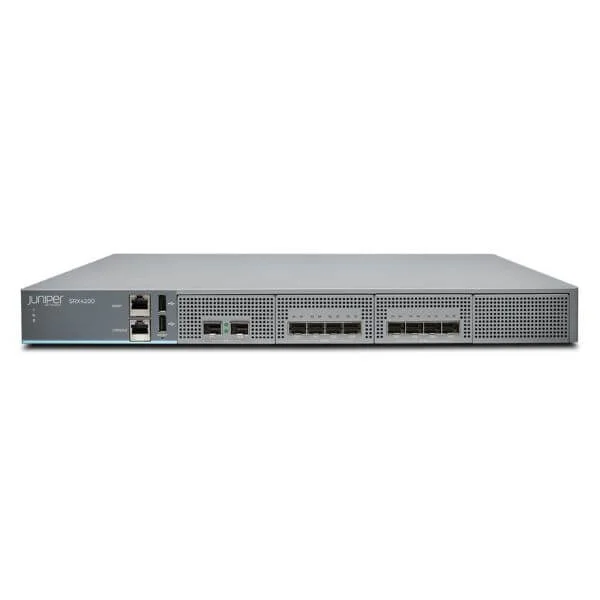
SRX4200-SYS-JB-AC (SRX4200 SVCS GATEWAY INCLUDE HARDWARE 8X10GE 2 AC PSU 4 FAN TRAY)
5 (5)- Firewall Appliance
- Juniper
- Rack-mount
- Enterprise / Branch Office
- VPN / Secure Access / UTM
- Layer 3 / Layer 4 / Layer 7
- AC Power Supply
Est Value $84,699.00$12,704.87
85% offIn stockNewRefurbishedFirst-Time Buyer Discount – Get up to 2% additional off on your first order
ORM Rewards Earn $50 in Rewards + Free Expedited Delivery – Join Now!
Use eCoupon ORMSAVE10
eCoupon limited to 5 units
- FEARURED
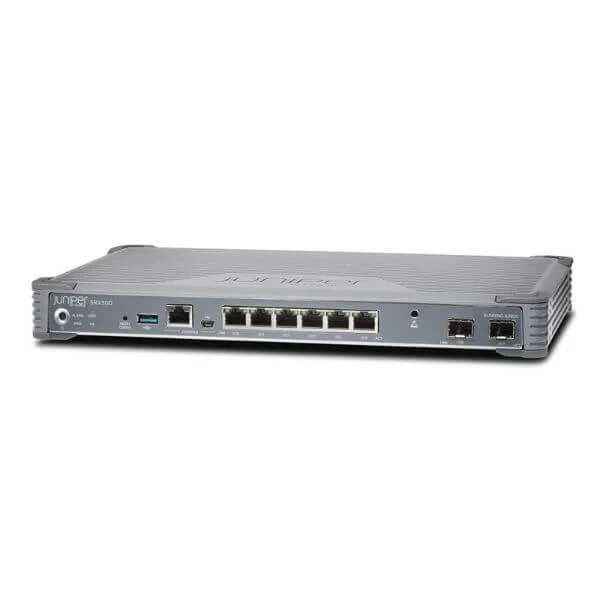
SRX300-SYS-JB (SRX300 Services Gateway includes hardware (8GE, 4G RAM, 8G Flash, power adapter and cable) and Junos Software Base (Firewall, NAT, IPSec, Routing, MPLS and Switching). RMK not included)
4.6 (5)- Firewall Appliance
- Juniper
- Rack-mount
- Branch Office / SMB
- VPN / Secure Access / UTM
- Layer 3 / Layer 4
- AC Power Supply
Est Value $1,248.00$725.38
41.9% offIn stockNewRefurbishedFirst-Time Buyer Discount – Get up to 2% additional off on your first order
ORM Rewards Earn $50 in Rewards + Free Expedited Delivery – Join Now!
Use eCoupon ORMSAVE10
eCoupon limited to 5 units
- FEARURED
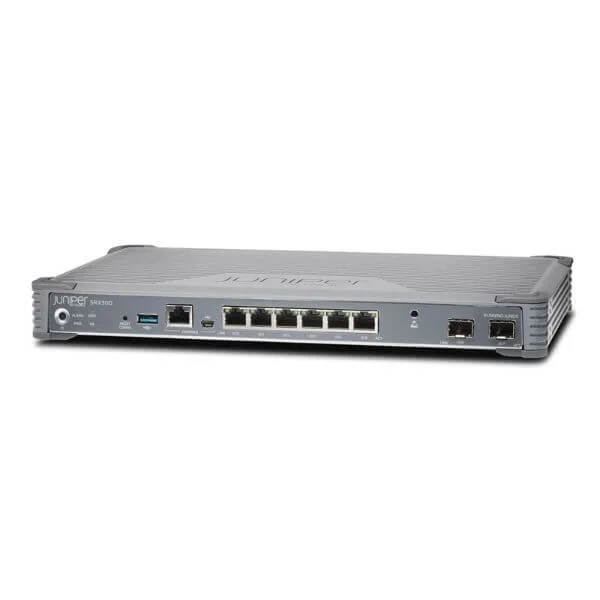
SRX300-SYS-JE (SRX300 Services Gateway includes hardware (8GE, 4G RAM, 8G Flash, power adapter and cable) and Junos Software Enhanced (Firewall, NAT, IPSec, Routing, MPLS, Switching and Application Security). RMK not included)
4.6 (5)- Firewall Appliance
- Juniper
- Rack-mount
- Branch Office / SMB
- VPN / Secure Access / UTM
- Layer 3 / Layer 4 / Layer 7
- AC Power Supply
Est Value $1,965.00$504.00
74.4% offIn stockNewRefurbishedFirst-Time Buyer Discount – Get up to 2% additional off on your first order
ORM Rewards Earn $50 in Rewards + Free Expedited Delivery – Join Now!
Use eCoupon ORMSAVE10
eCoupon limited to 5 units
- FEARURED
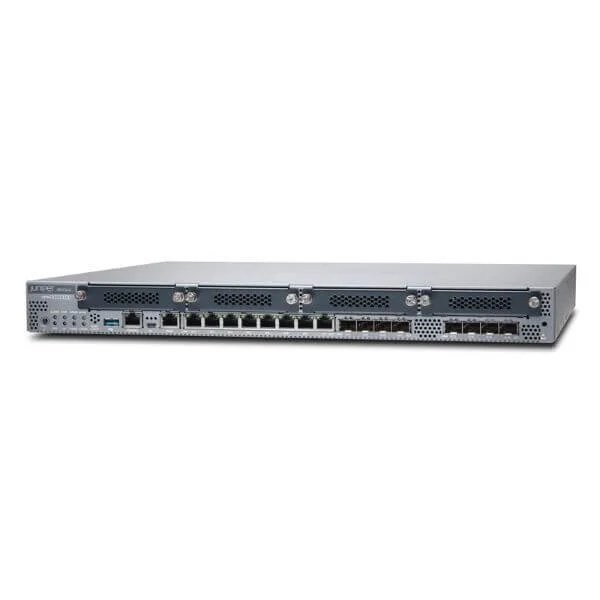
SRX340-SYS-JE (SRX340 Services Gateway includes hardware (16GE, 4x MPIM slots, 4G RAM, 8G Flash, power supply, cable and RMK) and Junos Software Enhanced (Firewall, NAT, IPSec, Routing, MPLS, Switching and Application Security).)
4.6 (5)- Firewall Appliance
- Juniper
- Rack-mount
- Branch Office / Enterprise
- VPN / Secure Access / UTM
- Layer 3 / Layer 4 / Layer 7
- AC Power Supply
Est Value $1,838.00$275.73
85% offIn stockNewRefurbishedFirst-Time Buyer Discount – Get up to 2% additional off on your first order
ORM Rewards Earn $50 in Rewards + Free Expedited Delivery – Join Now!
Use eCoupon ORMSAVE10
eCoupon limited to 5 units
- FEARURED
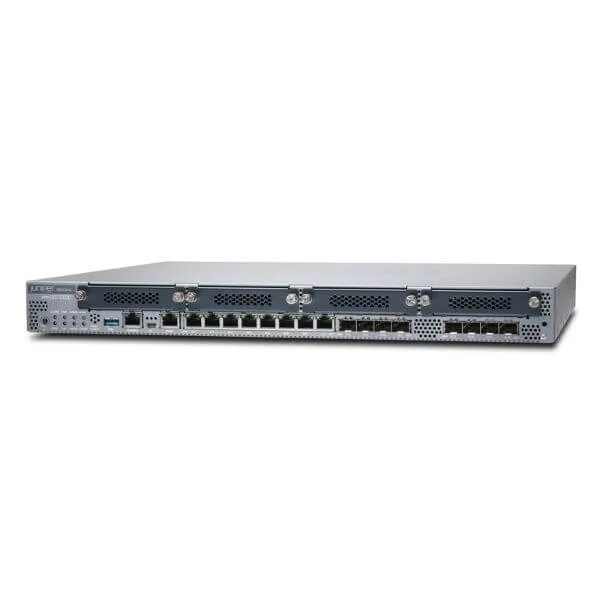
SRX340-SYS-JB (SRX340 Services Gateway includes hardware (16GE, 4x MPIM slots, 4G RAM, 8G Flash, power supply, cable and RMK) and Junos Software Base (Firewall, NAT, IPSec, Routing, MPLS and Switching).)
5 (5)- Firewall Appliance
- Juniper
- Rack-mount
- Branch Office / Enterprise
- VPN / Secure Access / UTM
- Layer 3 / Layer 4 / Layer 7
- AC Power Supply
Est Value $5,764.50$2,064.83
64.2% offIn stockNewRefurbishedFirst-Time Buyer Discount – Get up to 2% additional off on your first order
ORM Rewards Earn $50 in Rewards + Free Expedited Delivery – Join Now!
Use eCoupon ORMSAVE10
eCoupon limited to 5 units
- FEARURED
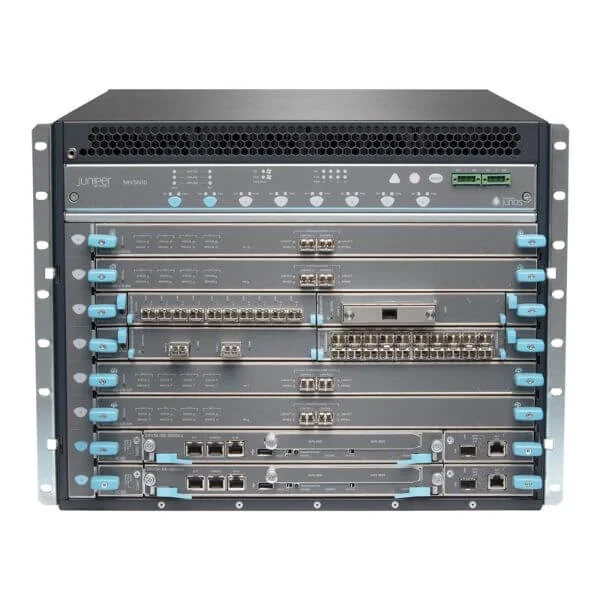
SRX5600E-BASE-AC (SRX5600 base model includes chassis, midplane, SRX5K-RE-1800X4, SRX5K-SCBE, 2xAC HC PEM, HC fan tray, Supported by Junos 12.1X47-D15 onwards)
4.8 (5)- Firewall Appliance
- Juniper
- Rack-mount
- Enterprise / Data Center / Branch Office
- VPN / Secure Access / Segmentation / UTM
- Layer 3 / Layer 4 / Layer 7
- AC Power Supply
Est Value $55,628.00$40,885.95
26.5% offIn stockNewFirst-Time Buyer Discount – Get up to 2% additional off on your first order
ORM Rewards Earn $50 in Rewards + Free Expedited Delivery – Join Now!
Use eCoupon ORMSAVE10
eCoupon limited to 5 units
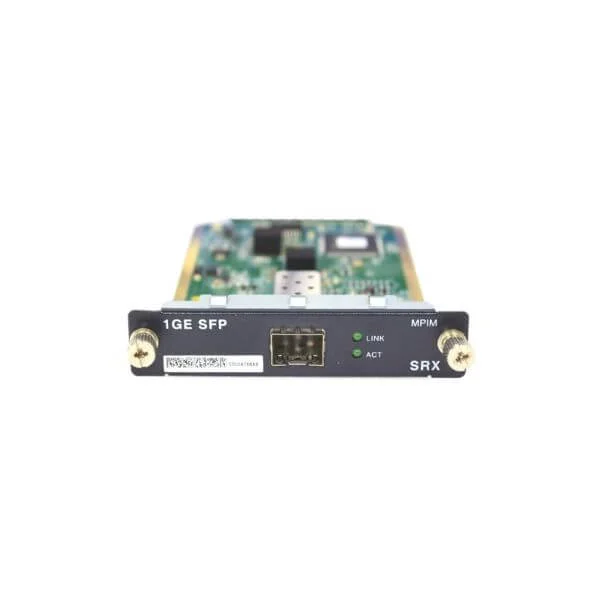
SRX-MP-1SFP-GE (1-Port Gigabit Ethernet small form-factor pluggable (SFP))
4.8 (5)- Firewall Appliance
- Juniper
- Rack-mount
- Enterprise / Branch Office
- VPN / Secure Access / UTM
- Layer 3 / Layer 4 / Layer 7
- AC Power Supply
Est Value $242.56$121.28
50% offIn stockRefurbishedFirst-Time Buyer Discount – Get up to 2% additional off on your first order
ORM Rewards Earn $50 in Rewards + Free Expedited Delivery – Join Now!
Use eCoupon ORMSAVE10
eCoupon limited to 5 units
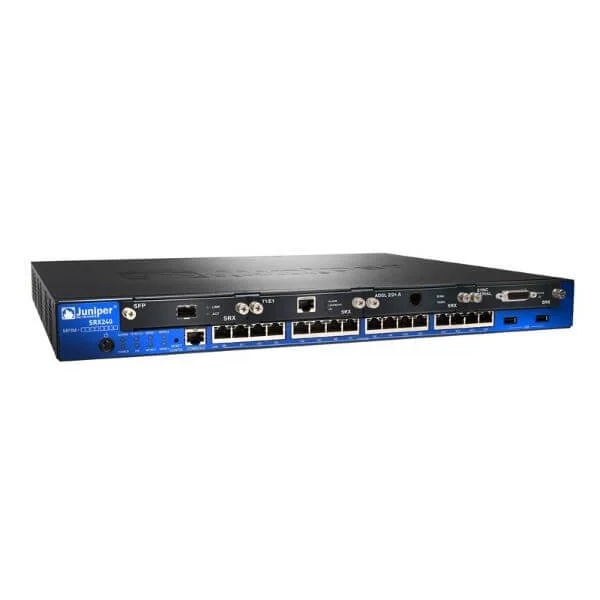
SRX240-RMK (SRX240 Rack mount kit for 19" rack. Holds one unit.)
4.8 (5)- Firewall Appliance
- Juniper
- Rack-mount
- Branch Office
- VPN / Secure Access / UTM
- Layer 3 / Layer 4 / Layer 7
- AC Power Supply
Est Value $332.00$160.98
51.5% offIn stockRefurbishedFirst-Time Buyer Discount – Get up to 2% additional off on your first order
ORM Rewards Earn $50 in Rewards + Free Expedited Delivery – Join Now!
Use eCoupon ORMSAVE10
eCoupon limited to 5 units
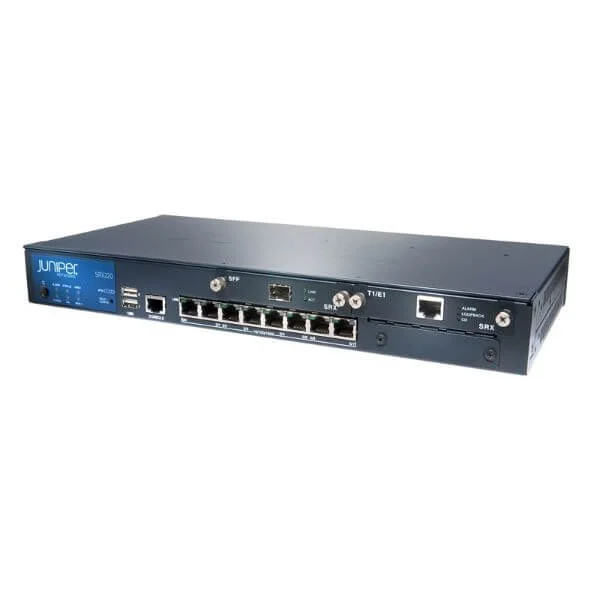
SRX220H2 (SRX220. 2GB DRAM & CF)
5 (5)- Firewall Appliance
- Juniper
- Rack-mount
- Branch Office / SMB
- VPN / Secure Access / UTM
- Layer 3 / Layer 4 / Layer 7
- AC Power Supply
Est Value $348.00$228.38
34.4% offIn stockRefurbishedFirst-Time Buyer Discount – Get up to 2% additional off on your first order
ORM Rewards Earn $50 in Rewards + Free Expedited Delivery – Join Now!
Use eCoupon ORMSAVE10
eCoupon limited to 5 units
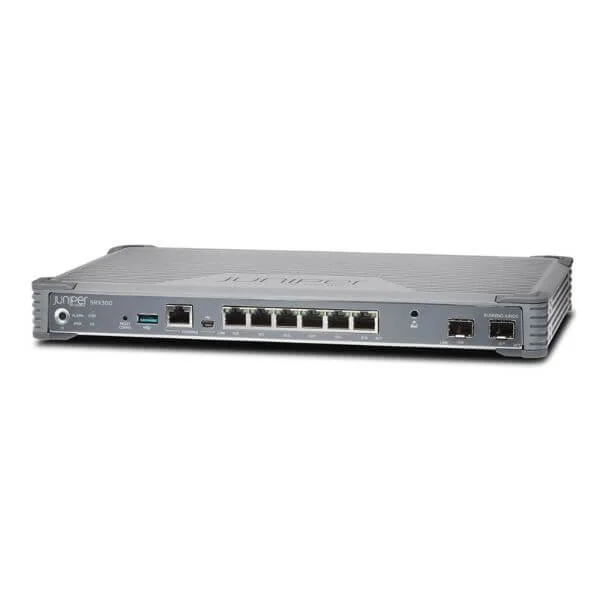
SRX300 (SRX300 (Hardware Only, require SRX300-JSB or SRX300-JSE to complete the System) with 8GE (w 2x SFP), 4G RAM, 8G Flash. Includes external power supply and cable. RMK not included)
4.2 (5)- Firewall Appliance
- Juniper
- Desktop / Rack-mount
- Small Business / Branch Office
- VPN / Secure Access / UTM
- Layer 3 / Layer 7
- AC Power Supply
Est Value $938.25$262.50
72% offIn stockNewRefurbishedFirst-Time Buyer Discount – Get up to 2% additional off on your first order
ORM Rewards Earn $50 in Rewards + Free Expedited Delivery – Join Now!
Use eCoupon ORMSAVE10
eCoupon limited to 5 units
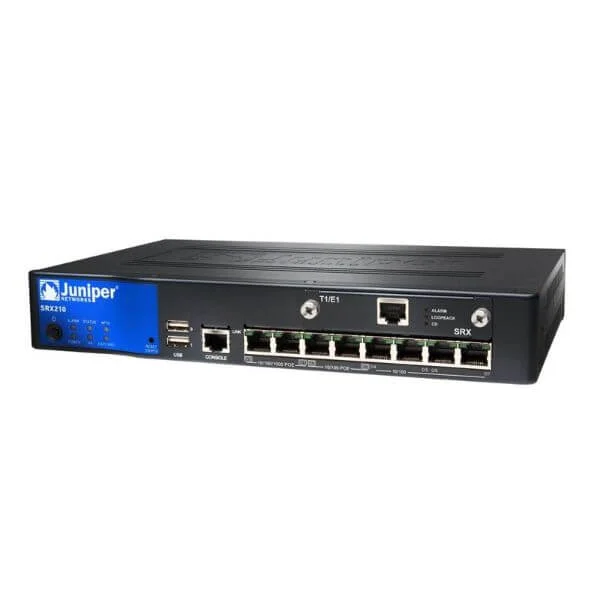
SRX210HE2-POE (SRX210 Services Gateway with 1 Mini-PIM slot, 2 GB DRAM, 2 GB NAND Flash memory, and 4 Power over Ethernet (POE) ports)
4.6 (5)- Firewall Appliance
- Juniper
- Rack-mount
- Branch Office
- VPN / Secure Access
- Layer 3 / Layer 7
- AC Power Supply
Est Value $526.77$449.68
14.6% offIn stockRefurbishedFirst-Time Buyer Discount – Get up to 2% additional off on your first order
ORM Rewards Earn $50 in Rewards + Free Expedited Delivery – Join Now!
Use eCoupon ORMSAVE10
eCoupon limited to 5 units
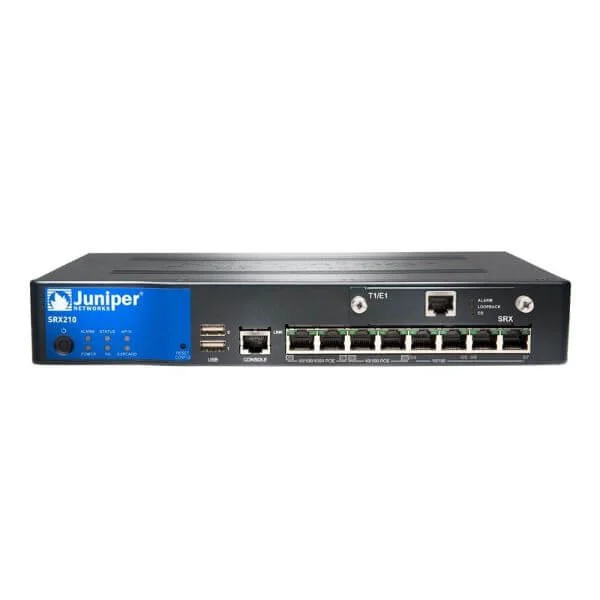
SRX210HE2 (SRX210 Services Gateway with 1 Mini-PIM slot, 2 GB DRAM, and 2 GB NAND Flash memory)
4.4 (5)- Firewall Appliance
- Juniper
- Rack-mount
- Branch Office
- VPN / UTM
- Layer 3 / Layer 4 / Layer 7
- AC Power Supply
Est Value $507.00$234.79
53.7% offIn stockNewRefurbishedFirst-Time Buyer Discount – Get up to 2% additional off on your first order
ORM Rewards Earn $50 in Rewards + Free Expedited Delivery – Join Now!
Use eCoupon ORMSAVE10
eCoupon limited to 5 units
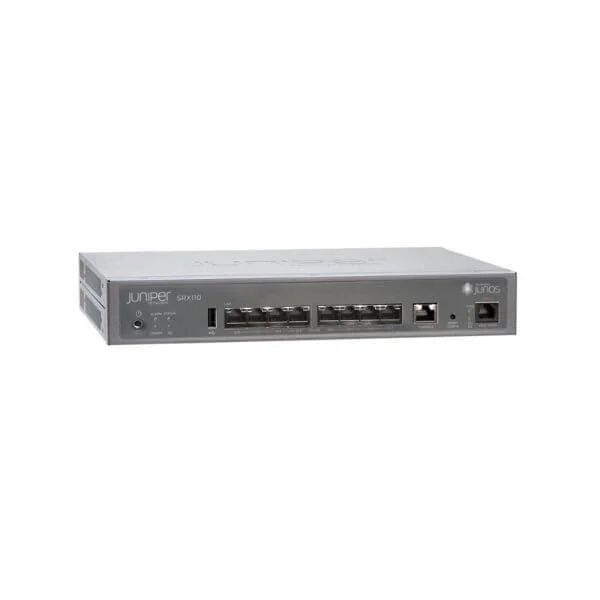
SRX110H2-VA (Juniper SRX110. 2GB DRAM & CF. VDSL2 OVER POTS)
5 (5)- Firewall Appliance
- Juniper
- Virtual
- Enterprise / Branch Office / Cloud
- VPN / Secure Access / UTM
- Layer 3 / Layer 4 / Layer 7
Est Value $855.00$152.25
82.2% offIn stockNewRefurbishedFirst-Time Buyer Discount – Get up to 2% additional off on your first order
ORM Rewards Earn $50 in Rewards + Free Expedited Delivery – Join Now!
Use eCoupon ORMSAVE10
eCoupon limited to 5 units
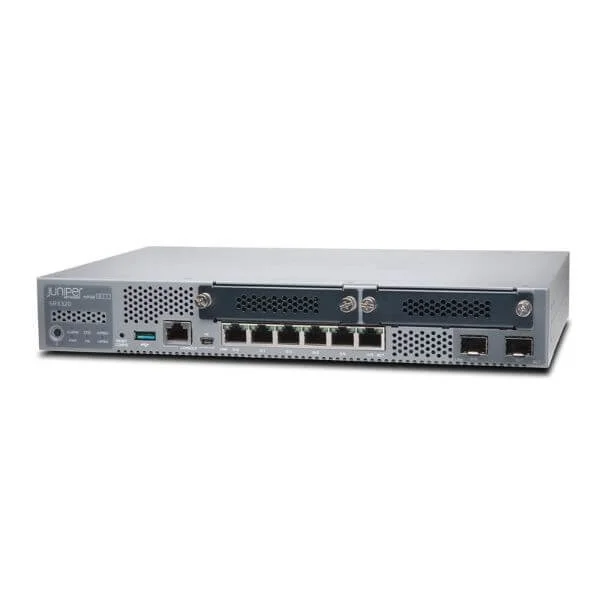
SRX320 (SRX320 (Hardware Only, require SRX320-JSB or SRX320-JSE to complete the System) with 8GE (w 2x SFP), 4G RAM, 8G Flash and 2x MPIM slots. Includes external power supply and cable. RMK not included)
4.8 (5)- Firewall Appliance
- Juniper
- Rack-mount
- Branch Office
- VPN / Secure Access / UTM
- Layer 3 / Layer 4 / Layer 7
- AC Power Supply
Est Value $1,387.00$477.75
65.6% offIn stockNewRefurbishedFirst-Time Buyer Discount – Get up to 2% additional off on your first order
ORM Rewards Earn $50 in Rewards + Free Expedited Delivery – Join Now!
Use eCoupon ORMSAVE10
eCoupon limited to 5 units
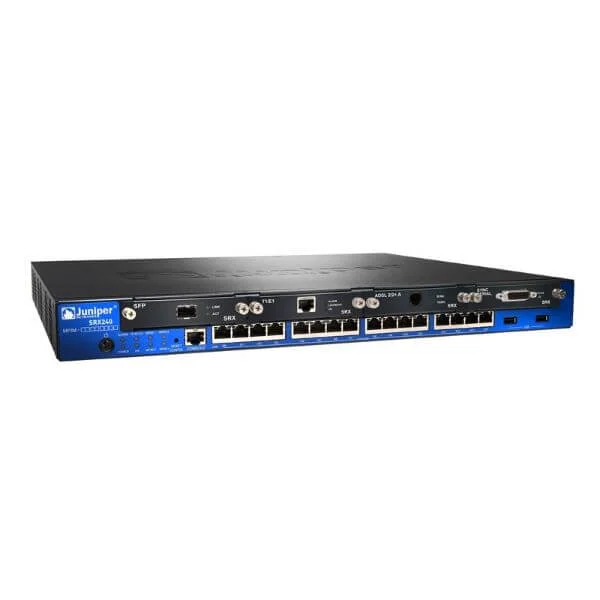
SRX240H-TAA (SRX services gateway 240 with 16 x GE ports, 4xmini-PIM slots, and high memory (1GB RAM, 1GB FLASH). TAA. Integrated power supply with power cord. 19" Rack mount kit included.)
4.4 (5)- Firewall Appliance
- Juniper
- Rack-mount
- Branch Office
- VPN / Secure Access / UTM
- Layer 3 / Layer 4
- AC Power Supply
Est Value $659.00$559.29
15.1% offIn stockRefurbishedFirst-Time Buyer Discount – Get up to 2% additional off on your first order
ORM Rewards Earn $50 in Rewards + Free Expedited Delivery – Join Now!
Use eCoupon ORMSAVE10
eCoupon limited to 5 units
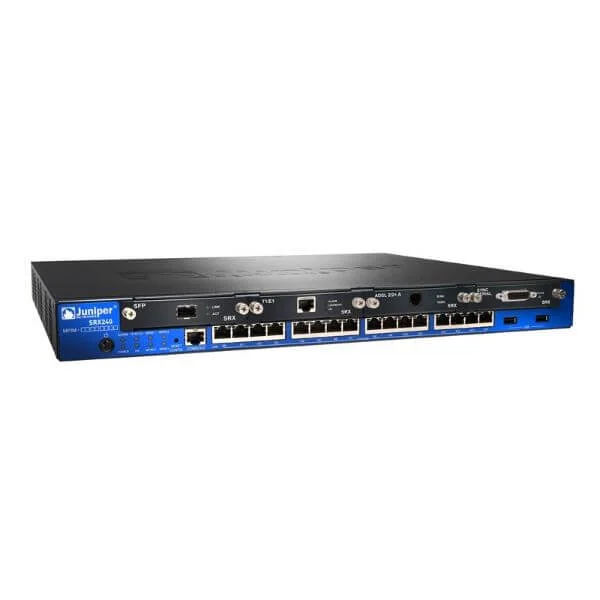
SRX240H2-DC (Juniper Networks SRX240 Services Gateway with 16 x GE ports, 4 x mini-PIM slots, and high memory (2GB RAM, 2GB FLASH), integrated -48V DC power supply)
4.6 (5)- Firewall Appliance
- Juniper
- Rack-mount
- Data Center / Enterprise
- NGFW / VPN / Secure Access
- Layer 3 / Layer 4 / Layer 7
- DC Power Supply
Est Value $826.00$701.76
15% offIn stockRefurbishedFirst-Time Buyer Discount – Get up to 2% additional off on your first order
ORM Rewards Earn $50 in Rewards + Free Expedited Delivery – Join Now!
Use eCoupon ORMSAVE10
eCoupon limited to 5 units

ORM Sales Advisors
Buying for your business? Get a personalised quote in under 2 hours. Talk to an expert
LEARNFilters (95) 
Questions & Answers
What are Juniper Firewalls and how do they protect my network?
Juniper Firewalls are high-performance network security appliances powered by Junos OS that combine stateful packet inspection, intrusion prevention and application-aware policies to detect and block threats in real time, ensuring network integrity and regulatory compliance.
What features are included in the Juniper SRX Series Firewalls?
The SRX Series delivers advanced routing and security in a single platform with high-speed packet processing, integrated threat intelligence, intrusion prevention, SSL inspection and cloud-based sandboxing to protect against known and zero-day attacks.
How does Junos OS enhance the performance and security of Juniper Firewalls?
Junos OS unifies the control plane and security services to optimize packet forwarding, streamline policy management and deliver consistent feature updates, resulting in lower latency, simplified operations and improved threat visibility.
Which deployment models do Juniper Firewalls support?
Juniper Firewalls support on-premises, virtual (vSRX), public cloud (AWS, Azure, GCP), private cloud and containerized deployments, enabling you to enforce consistent security policies across physical and virtual environments.
How do I configure security policies on a Juniper Firewall?
You configure policies in Junos OS by defining security zones, creating policy rules with source, destination and application criteria, then assigning actions (permit or deny) to enforce traffic flows and threat mitigation.
How do Juniper Firewalls enable high availability in enterprise networks?
High availability is achieved through chassis clusters that synchronize stateful sessions and configurations across two SRX devices, providing seamless failover with minimal service disruption in either active/passive or active/active modes.
What management and orchestration tools work with Juniper Firewalls?
Management options include Juniper Network Director for centralized orchestration, Junos Space Security Director for policy management and CLI/REST APIs for automation, ensuring scalable, unified administration and rapid policy deployment.
How can I upgrade and patch Juniper Firewall firmware?
Firmware upgrades are performed via the Junos CLI or GUI by uploading the new release package, validating the install media and executing a controlled reimage or install-and-commit operation to minimize downtime.
What logging, monitoring, and reporting capabilities do Juniper Firewalls offer?
Built-in logging and monitoring leverage Junos Telemetry Interface, syslog export, SNMP traps and Security Director reporting to provide real-time visibility, customizable dashboards and automated alerts for compliance and incident response.
How do Juniper Firewalls integrate with VPN, SD-WAN, and cloud platforms?
Juniper Firewalls integrate native IPsec and SSL VPN, support SD-WAN overlays and interface with public cloud security groups and orchestration APIs to deliver end-to-end secure connectivity across hybrid network architectures.
What licensing options and subscriptions are available for Juniper Firewalls?
Licensing options include perpetual and subscription-based models for threat prevention, AppSecure, SSL inspection and advanced routing, allowing you to scale features on demand via Juniper’s License Utility tool.
How scalable are Juniper Firewalls for data centers and branch offices?
SRX platforms range from compact branch units to carrier-grade systems, support multi-gigabit throughput, thousands of security policies and clusters of up to eight nodes to accommodate growing data center and WAN requirements.
How do I troubleshoot common issues on Juniper Firewalls?
Troubleshooting steps include reviewing logs with 'show log' commands, verifying interface status via 'show interfaces', checking policy hit counts, using packet captures (monitor traffic) and consulting Juniper’s Knowledge Base for known issues.
What advanced security services do Juniper Firewalls provide?
Juniper Firewalls offer Unified Threat Management (UTM), Intrusion Detection and Prevention (IDP), AppSecure for application-level controls and Sky ATP sandboxing to detect and block zero-day and evasive threats.
How do I ensure regulatory compliance and audit readiness with Juniper Firewalls?
Compliance features include customizable audit logs, PCI, HIPAA and GDPR-ready reporting templates in Security Director, along with automated configuration drift checks and role-based access control to enforce audit requirements.
Why Choose Juniper Firewalls?
Enterprises choose Juniper firewalls because they combine robust security with high-performance networking, making them reliable solutions for both traditional and cloud-driven infrastructures. As network security appliances, they deliver consistent protection across branch offices, enterprise campuses, data centers, and multi-cloud environments. With proven scalability, Juniper ensures that organizations can secure everything from small networks to mission-critical workloads without compromising performance.
A key reason to invest in firewall Juniper Networks technology is the company’s commitment to next-generation security features. Integrated capabilities such as intrusion prevention, advanced malware protection, and encrypted traffic inspection help detect and block sophisticated attacks in real time. By leveraging AI-driven intelligence and SecIntel threat feeds, Juniper firewalls stay ahead of evolving cyber threats while reducing the operational burden on IT teams.
Juniper Firewall Models
Juniper firewall models are designed to deliver scalable, high-performance security across enterprise networks, data centers, and cloud environments. The portfolio covers a variety of options, ensuring that businesses can choose a firewall tailored to their workload, compliance, and performance needs. Each model provides robust protection with advanced threat prevention, centralized management, and simplified deployment.
Juniper SRX Firewalls
The Juniper SRX Series is the flagship firewall line, offering next-generation security for enterprises and service providers. Known for their scalability and reliability, SRX firewalls support features like deep packet inspection, VPN, intrusion prevention, and high availability. Models range from branch-level appliances like the SRX300 for small businesses to high-end data center solutions such as the SRX5800, which supports massive throughput and advanced threat defenses.
Juniper Advanced Threat Prevention (ATP) Integrated Firewalls
Juniper firewalls with Advanced Threat Prevention (ATP) combine AI-driven intelligence with real-time analytics. These models detect and block sophisticated threats by leveraging cloud-based security updates, malware sandboxing, and integration with Juniper Threat Labs. They are ideal for organizations that need dynamic defense against evolving cyber threats.
Juniper SecIntel Firewalls
Juniper SecIntel-powered firewalls provide continuously updated threat intelligence for blocking malicious IPs, URLs, and domains at the network edge. These models ensure proactive defense, reducing the attack surface and enhancing overall network hygiene. They are particularly effective for industries with compliance-heavy workloads such as finance and healthcare.
Juniper Security Director Managed Firewalls
Firewalls integrated with Juniper Security Director provide centralized, simplified control of firewall policies across multiple environments. These models are best for organizations with hybrid infrastructures, enabling consistent security across physical, virtual, and cloud deployments.
Juniper Next Gen Firewall Features
Juniper next generation firewalls (NGFWs) are built to provide more than basic packet filtering, delivering advanced security tailored for modern enterprise and cloud-driven infrastructures. At their core, these firewalls combine deep packet inspection, intrusion prevention, and advanced malware protection to detect and mitigate threats in real time. Integrated AI and machine learning help identify zero-day exploits, ransomware, and emerging attack vectors, ensuring a proactive defense posture.
A defining feature of firewall Juniper technology is microsegmentation, which enables enterprises to create secure zones within their networks and apply granular access controls. This zero-trust approach minimizes the lateral movement of threats while maintaining secure workloads across data centers and hybrid cloud applications. In addition, Juniper NGFWs integrate VPN services, SSL inspection, and unified threat management, giving organizations flexibility for secure remote access and compliance-ready operations.
Juniper Firewall Configuration and Management
Juniper firewall configuration is streamlined to support both simple and advanced deployments. Administrators can set up VPNs, NAT rules, and intrusion prevention policies using either the CLI or GUI, making it adaptable for small networks and enterprise environments. For official guides, see the Juniper Firewall Configuration Documentation.
Juniper firewall management is centralized through Juniper Security Director, which provides unified policy control across physical, virtual, and cloud firewalls. With real-time SecIntel updates and automated workflows, it simplifies monitoring and compliance. Learn more at the Juniper Security Director Management Page.
Buy Juniper Firewalls Online at ORM Systems
At ORM Systems, we provide a full range of Juniper firewalls to secure branch offices, enterprises, and cloud environments. Our portfolio includes the latest Juniper next gen firewall models, from branch-level appliances to high-performance data center firewalls, ensuring businesses of all sizes can deploy the right security solution.
When you buy from ORM Systems, you benefit from competitive pricing, fast delivery, and extended warranties, along with expert support for configuration and deployment. Whether you need an SRX firewall for enterprise security or a scalable solution for hybrid cloud, ORM Systems makes it easy to source authentic firewall Juniper Networks products backed by reliable service.