 United States
IP Cameras Advanced Security Systems
Experience unparalleled surveillance and advanced monitoring with our cutting-edge IP cameras. Engineered for precision and reliability, ensuring optimal performance and secure, round-the-clock property protection.
Talk to an expert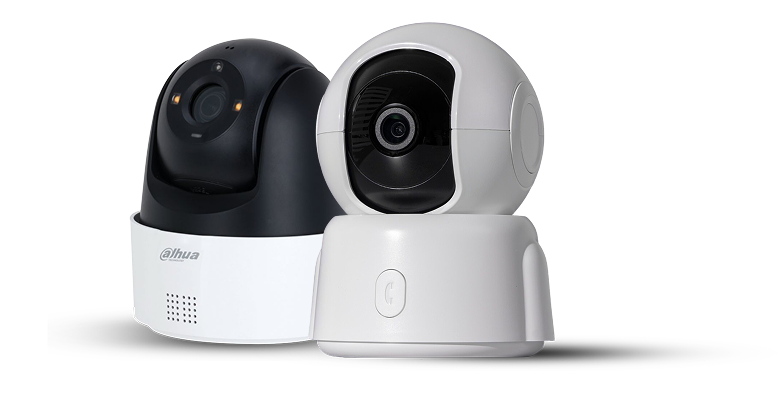
Uniview Ip Cameras
(93)Uniview IP cameras fit multi-entrance retail sites using ONVIF profiles, H.265 video, and PoE cabling for centralized NVR recording
Hikvision Ip Cameras
(25)Hikvision IP cameras support campus security rooms with ONVIF, H.265 video, and PoE Ethernet connections across building zones
Huawei Ip Cameras
(65)Huawei IP cameras suit transportation depots with H.265 streams, ONVIF interoperability, and PoE-ready Ethernet surveillance networks for bay monitoring
Dahua Ip Cameras
(22)Dahua IP cameras fit manufacturing plants with ONVIF integration, H.265 encoding, and PoE Ethernet paths to central NVRs
205 Matching results
- BEST SELLING
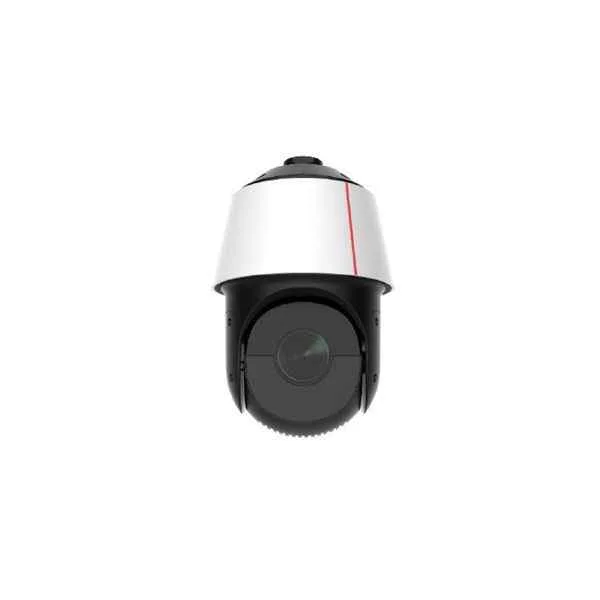
IPC6224-VRZ (2MP Network IR Bullet Camera(f=2.8-12mm,FE,DC/POE,IR 30m,IP66))
4.7 (6)- IP Camera
- Huawei
- Bullet
- Wall
- Black
- Indoor Surveillance / Outdoor Monitoring / Office / Retail / Industrial / Traffic / Perimeter Security
- 4MP
Est Value $1,080.00
$162.14
85% offIn stockNewFirst-Time Buyer Discount – Get up to 2% additional off on your first order
ORM Rewards Earn $50 in Rewards + Free Expedited Delivery – Join Now!
Use eCoupon ORMSAVE10
eCoupon limited to 5 units
- BEST SELLING
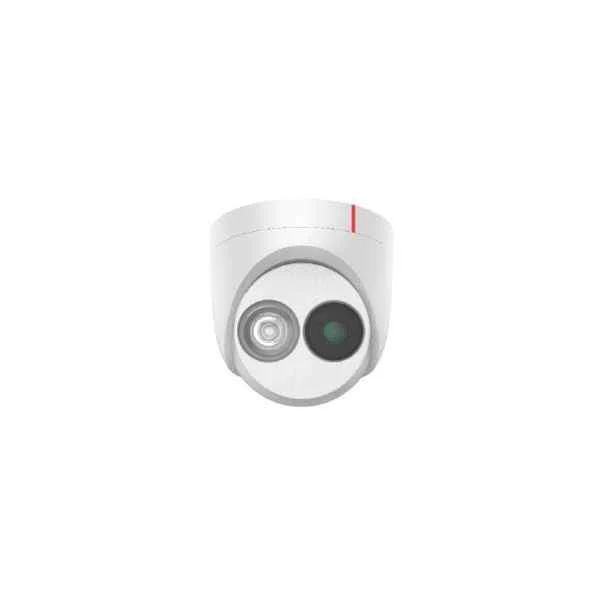
IPC6225-VRZ (2MP Network IR Bullet Camera(60fps,2.8-12mm,FE,IR 50m))
4.7 (6)- IP Camera
- Huawei
- Dome
- Ceiling
- Black
- Office / Retail
- 4K
Est Value $920.60$193.33
79% offIn stockNewFirst-Time Buyer Discount – Get up to 2% additional off on your first order
ORM Rewards Earn $50 in Rewards + Free Expedited Delivery – Join Now!
Use eCoupon ORMSAVE10
eCoupon limited to 5 units
- BEST SELLING
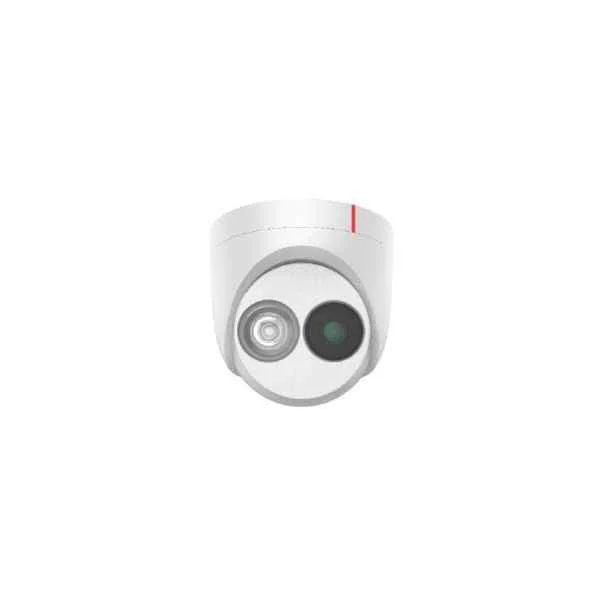
IPC6225-VRZ-SP (2MP Network IR Bullet Camera(60fps,2.8-12mm,FE,IR 30m,Invisible infrared))
4.8 (6)- IP Camera
- Huawei
- Dome
- Ceiling
- Black
- Office
- 4MP
Est Value $2,171.51$342.01
84.3% offIn stockNewFirst-Time Buyer Discount – Get up to 2% additional off on your first order
ORM Rewards Earn $50 in Rewards + Free Expedited Delivery – Join Now!
Use eCoupon ORMSAVE10
eCoupon limited to 5 units
- BEST SELLING
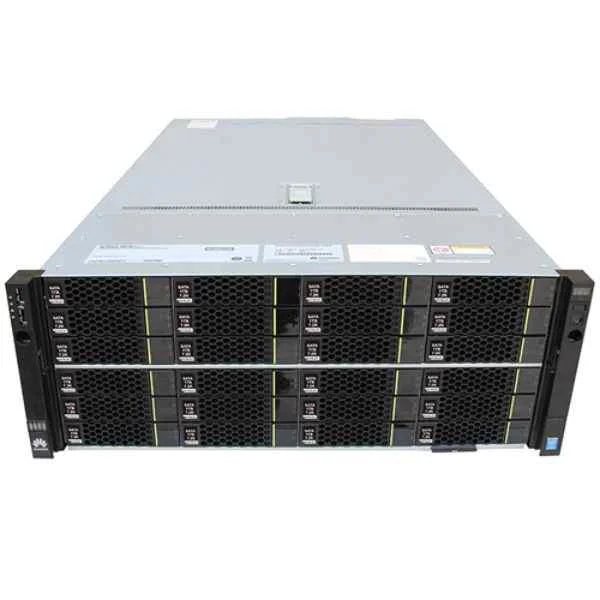
IPC6285-VRZ (4K UHD STARSHOT Intelligent Network All-in-One Camera (Equipped with Camera, Lens, IR LEDs, Fan, Heater, Wiper and housing))
4.2 (6)- IP Camera
- Huawei
- Dome
- Ceiling
- White
- Indoor Surveillance / Outdoor Monitoring / Office / Retail / Industrial / Traffic / Perimeter Security
- 4K
Est Value $9,940.66$1,983.17
80% offIn stockNewFirst-Time Buyer Discount – Get up to 2% additional off on your first order
ORM Rewards Earn $50 in Rewards + Free Expedited Delivery – Join Now!
Use eCoupon ORMSAVE10
eCoupon limited to 5 units
- FEARURED
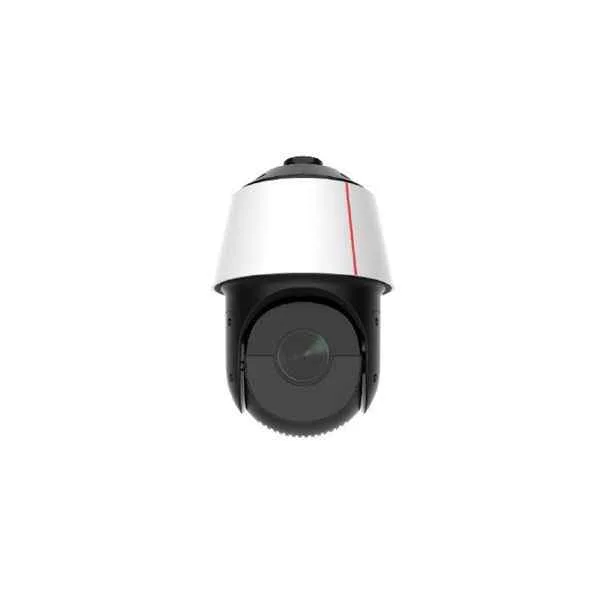
IPC6385-VRZ (4K Network IR Dome Camera(f=4.1-12.8mm,FE,DC/POE/AC24,IR 30m,IP66))
4.3 (6)- IP Camera
- Huawei
- Turret
- Wall / Ceiling
- Black
- Indoor Surveillance / Outdoor Monitoring / Office / Retail / Parking / Government Buildings / Critical Infrastructure
- 12MP
Est Value $2,573.63$486.42
81.1% offIn stockNewFirst-Time Buyer Discount – Get up to 2% additional off on your first order
ORM Rewards Earn $50 in Rewards + Free Expedited Delivery – Join Now!
Use eCoupon ORMSAVE10
eCoupon limited to 5 units
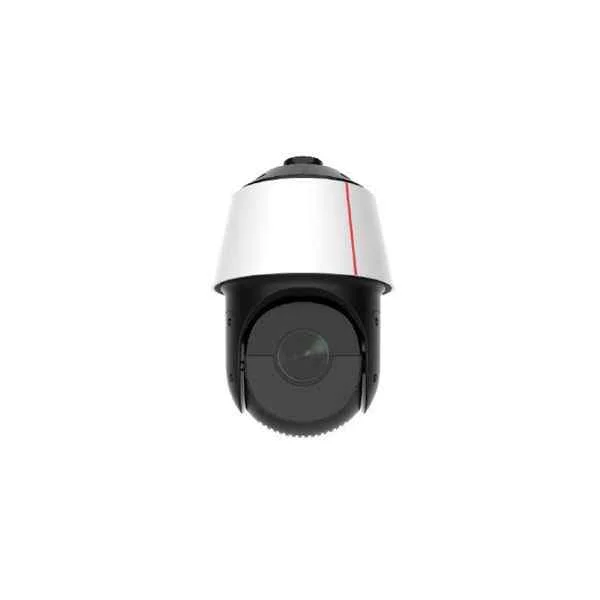
IPC6224-IR 6mm (2MP Network IR Bullet Camera(f=6mm,FE,DC/POE,IP66))
4.5 (6)- IP Camera
- Huawei
- Bullet
- Wall
- Black
- Office / Retail / Perimeter Security
- 4MP
Est Value $908.81$171.76
81.1% offIn stockNewFirst-Time Buyer Discount – Get up to 2% additional off on your first order
ORM Rewards Earn $50 in Rewards + Free Expedited Delivery – Join Now!
Use eCoupon ORMSAVE10
eCoupon limited to 5 units
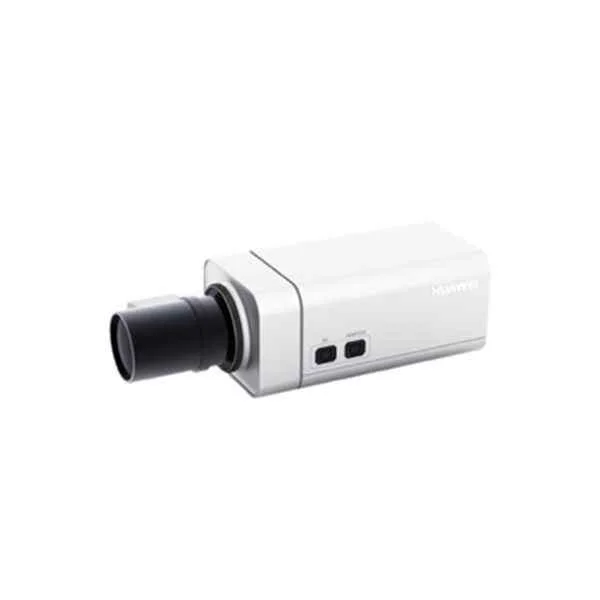
IPC6325-WD-VF (2MP WDR Network Dome Camera(f=2.8-12mm,FE,DC/AC/POE,IP66,IK10))
4.5 (6)- IP Camera
- Huawei
- Dome
- Wall
- White
- Indoor Surveillance / Outdoor Monitoring
- 4MP
Est Value $1,206.39$199.76
83.4% offIn stockNewFirst-Time Buyer Discount – Get up to 2% additional off on your first order
ORM Rewards Earn $50 in Rewards + Free Expedited Delivery – Join Now!
Use eCoupon ORMSAVE10
eCoupon limited to 5 units
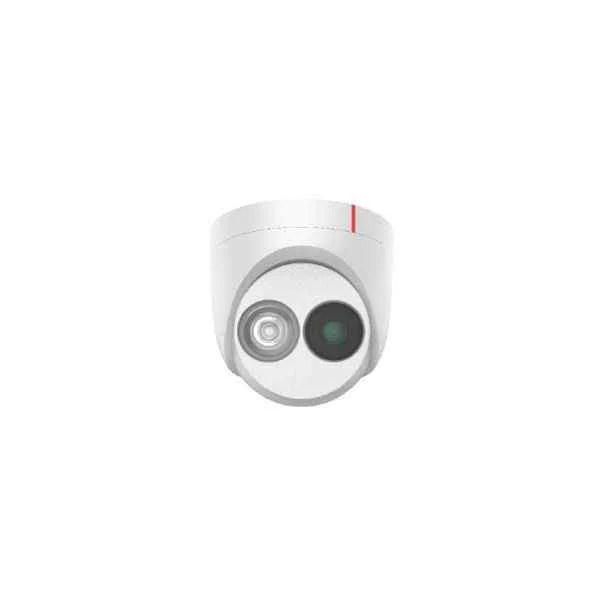
IPC6125-WDL-P (2MP Low-light WDR Network Box Camera(60fps,FE,DC/POE))
4.8 (6)- IP Camera
- Huawei
- Bullet
- Wall / Ceiling
- Black
- Indoor Surveillance / Outdoor Monitoring / Office / Retail / Critical Infrastructure
- 6MP
Est Value $900.77$434.01
51.8% offIn stockNewRefurbishedFirst-Time Buyer Discount – Get up to 2% additional off on your first order
ORM Rewards Earn $50 in Rewards + Free Expedited Delivery – Join Now!
Use eCoupon ORMSAVE10
eCoupon limited to 5 units
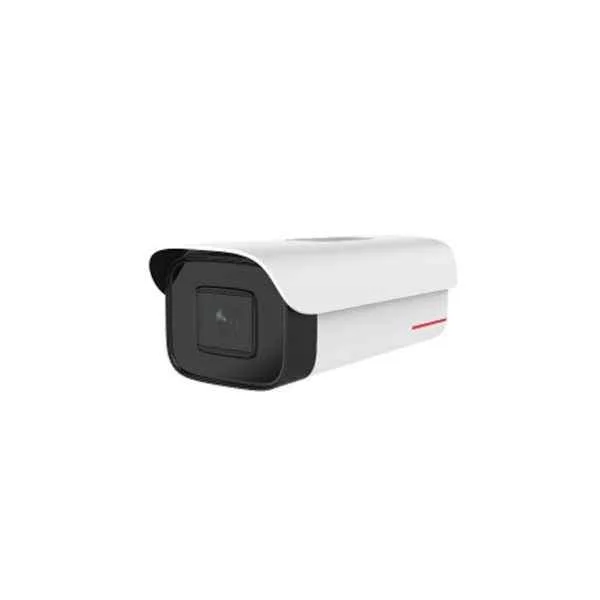
IPC6325-WD-VFZ (2MP WDR Motorized Network Dome Camera(f=2.8-12mm,FE,DC/AC/POE,IP66,IK10))
4.5 (6)- IP Camera
- Huawei
- Dome
- Ceiling
- Black
- Office / Retail
- 4K
Est Value $1,528.09$241.00
84.2% offIn stockNewFirst-Time Buyer Discount – Get up to 2% additional off on your first order
ORM Rewards Earn $50 in Rewards + Free Expedited Delivery – Join Now!
Use eCoupon ORMSAVE10
eCoupon limited to 5 units
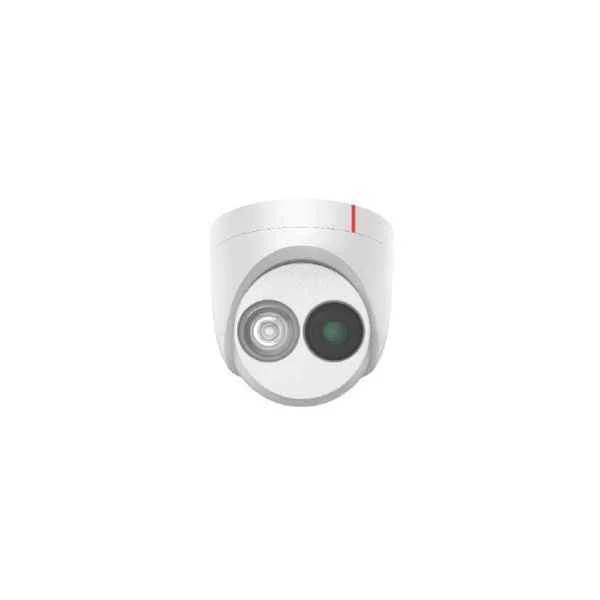
IPC2602 (Huawei eSpace IPC2602 1.3 Megapixel Day/Night Box IPC(30fps,FE))
4.8 (6)- IP Camera
- Huawei
- Dome
- Ceiling
- Black
- Indoor Surveillance / Outdoor Monitoring / Office / Retail / Government
- 4MP
Est Value $578.66$309.88
46.4% offIn stockNewFirst-Time Buyer Discount – Get up to 2% additional off on your first order
ORM Rewards Earn $50 in Rewards + Free Expedited Delivery – Join Now!
Use eCoupon ORMSAVE10
eCoupon limited to 5 units
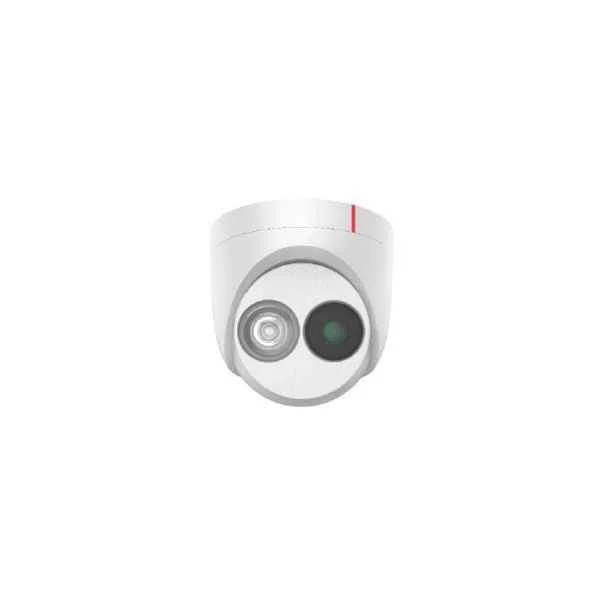
IPC6225-VRZ(7-22mm) (2MP Network IR Bullet Camera(60fps,f=7-22mm,FE,IR 80m))
4.8 (6)- IP Camera
- Huawei
- Dome
- Ceiling
- Black
- Office / Retail
- 4MP
Est Value $1,769.37$315.83
82.2% offIn stockNewFirst-Time Buyer Discount – Get up to 2% additional off on your first order
ORM Rewards Earn $50 in Rewards + Free Expedited Delivery – Join Now!
Use eCoupon ORMSAVE10
eCoupon limited to 5 units
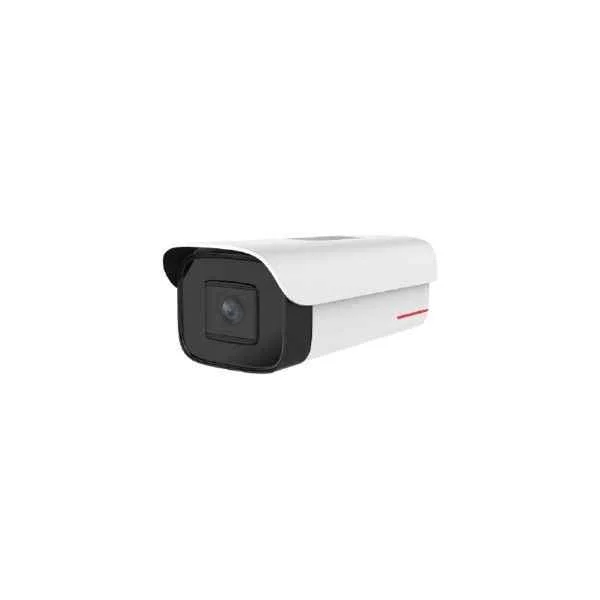
IPC6311-IR(12mm) (Huawei IPC6311-IR(12mm) 1.3MP Network IR Dome Camera(30fps,f=12mm,FE,IR 30m))
4.7 (6)- IP Camera
- Huawei
- Dome
- Ceiling
- Black
- Office / Retail
- 4K
Est Value $407.69$329.62
19.1% offIn stockNewFirst-Time Buyer Discount – Get up to 2% additional off on your first order
ORM Rewards Earn $50 in Rewards + Free Expedited Delivery – Join Now!
Use eCoupon ORMSAVE10
eCoupon limited to 5 units
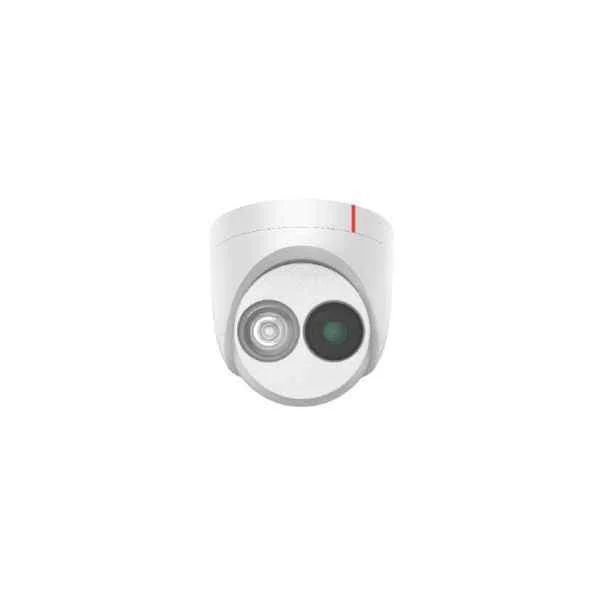
IPC5602 (Huawei eSpace IPC5602 2.0 Megapixel Day/Night Box IPC(30fps,FE))
4.5 (6)- IP Camera
- Huawei
- Bullet
- Wall
- Black
- Outdoor Monitoring
- 4K
Est Value $657.57$352.13
46.4% offIn stockNewFirst-Time Buyer Discount – Get up to 2% additional off on your first order
ORM Rewards Earn $50 in Rewards + Free Expedited Delivery – Join Now!
Use eCoupon ORMSAVE10
eCoupon limited to 5 units
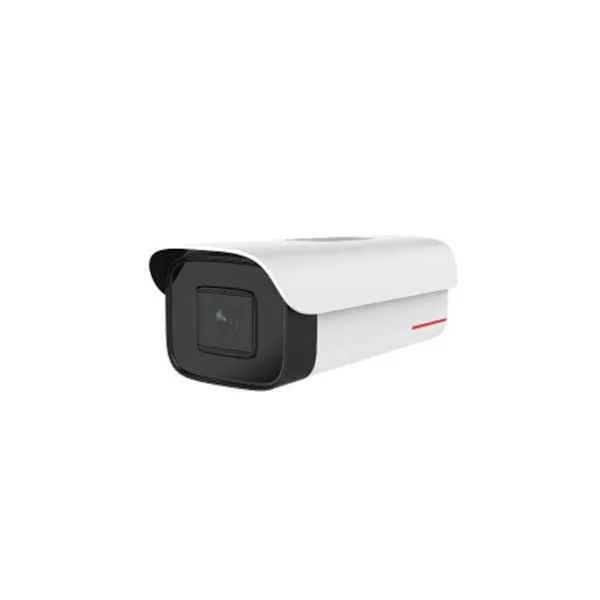
IPC6125-WDL-FA (2MP Low-light WDR Network Box Camera(60fps,OES,ABF))
4.8 (6)- IP Camera
- Huawei
- Bullet
- Wall
- Black
- Outdoor Monitoring
- 6MP
Est Value $1,367.24$372.25
72.8% offIn stockNewFirst-Time Buyer Discount – Get up to 2% additional off on your first order
ORM Rewards Earn $50 in Rewards + Free Expedited Delivery – Join Now!
Use eCoupon ORMSAVE10
eCoupon limited to 5 units
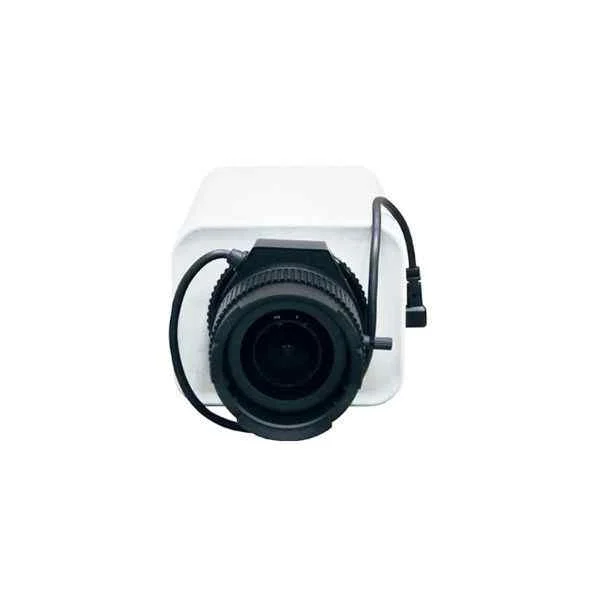
IPC6212-IR(6mm) (Huawei IPC6212-IR(6mm) 1.3MP Network IR Bullet Camera(30fps,f=6mm,FE,IR 20m))
4.8 (6)- IP Camera
- Huawei
- Bullet
- Wall / Ceiling
- Black
- Indoor Surveillance / Outdoor Monitoring
- 2MP
Est Value $562.48$427.49
24% offIn stockNewFirst-Time Buyer Discount – Get up to 2% additional off on your first order
ORM Rewards Earn $50 in Rewards + Free Expedited Delivery – Join Now!
Use eCoupon ORMSAVE10
eCoupon limited to 5 units
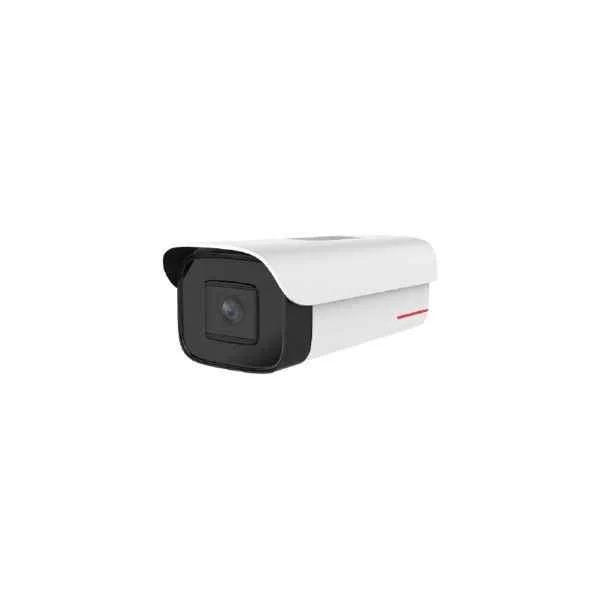
IPC6232-IR(6mm) (Huawei IPC6232-IR(6mm) 3MP Network IR Bullet Camera(20fps,f=6mm,FE,IR 20m))
4.3 (6)- IP Camera
- Huawei
- Bullet
- Wall / Ceiling
- Black
- Outdoor Monitoring / Perimeter Security / Retail
- 4MP
Est Value $575.63$465.40
19.1% offIn stockNewFirst-Time Buyer Discount – Get up to 2% additional off on your first order
ORM Rewards Earn $50 in Rewards + Free Expedited Delivery – Join Now!
Use eCoupon ORMSAVE10
eCoupon limited to 5 units
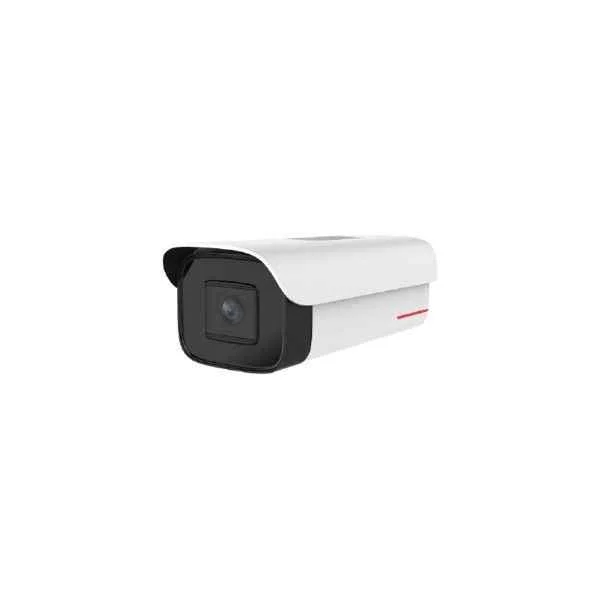
IPC6232-IR(12mm) (Huawei IPC6232-IR(12mm) 3MP Network IR Bullet Camera(20fps,f=12mm,FE,IR 30m))
4.5 (6)- IP Camera
- Huawei
- Bullet
- Wall
- Black
- Outdoor Monitoring
- 12MP
Est Value $575.63$465.40
19.1% offIn stockNewFirst-Time Buyer Discount – Get up to 2% additional off on your first order
ORM Rewards Earn $50 in Rewards + Free Expedited Delivery – Join Now!
Use eCoupon ORMSAVE10
eCoupon limited to 5 units
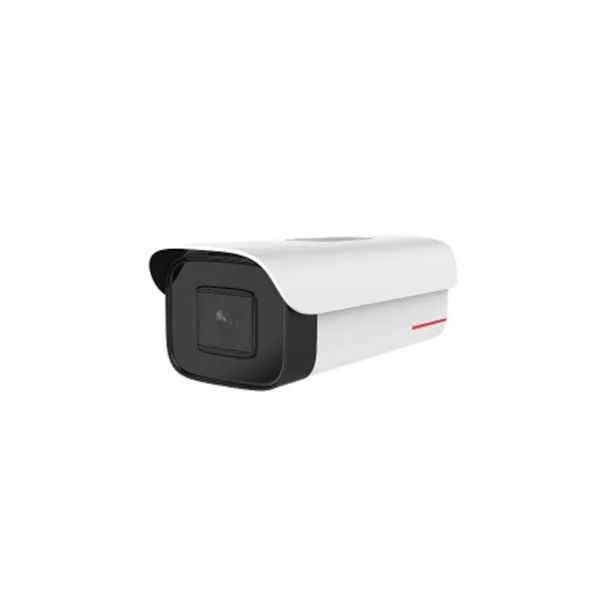
IPC6112-D (Huawei IPC6112-D IPC6000 Series 1.3-Megapixel High-Definition IP Camera)
4.8 (6)- IP Camera
- Huawei
- Bullet
- Wall
- Black
- Indoor Surveillance / Outdoor Monitoring
- 4K
Est Value $575.63$465.40
19.1% offIn stockNewFirst-Time Buyer Discount – Get up to 2% additional off on your first order
ORM Rewards Earn $50 in Rewards + Free Expedited Delivery – Join Now!
Use eCoupon ORMSAVE10
eCoupon limited to 5 units
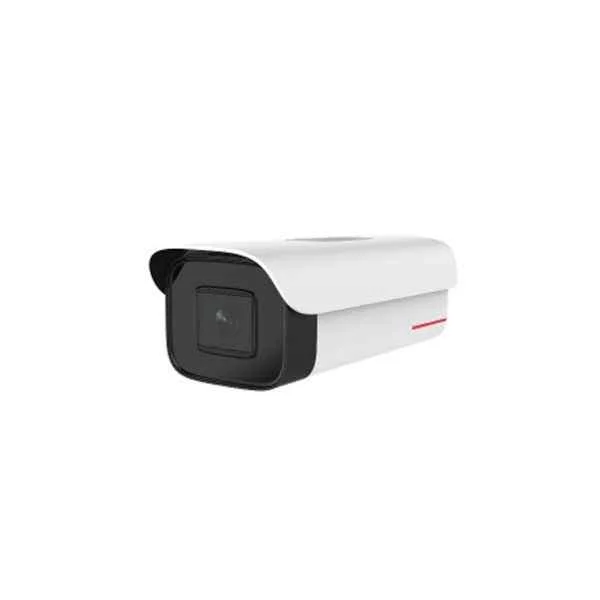
IPC6112-P (Huawei IPC6112-P IPC6000 Series 1.3-Megapixel High-Definition IP Camera)
4.8 (6)- IP Camera
- Huawei
- Bullet
- Wall / Ceiling
- Black
- Indoor Surveillance / Outdoor Monitoring
- 4K
Est Value $586.75$468.23
20.2% offIn stockNewFirst-Time Buyer Discount – Get up to 2% additional off on your first order
ORM Rewards Earn $50 in Rewards + Free Expedited Delivery – Join Now!
Use eCoupon ORMSAVE10
eCoupon limited to 5 units
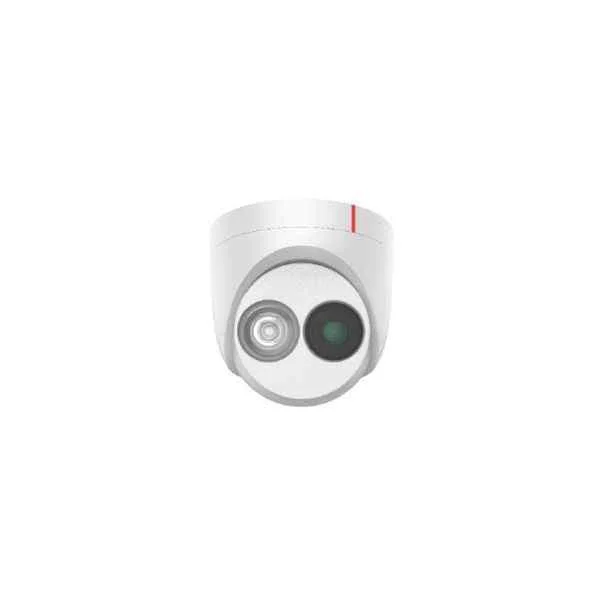
IPC6332-MIR(6mm) (Huawei IPC6332-MIR(6mm) 3MP Network IR Dome Camera(15fps,f=6mm,FE,IR 10m))
4.8 (6)- IP Camera
- Huawei
- Dome
- Ceiling
- Black
- Indoor Surveillance / Outdoor Monitoring / Office / Retail / Industrial / Traffic / Perimeter Security
- 8MP
Est Value $603.96$481.96
20.2% offIn stockNewFirst-Time Buyer Discount – Get up to 2% additional off on your first order
ORM Rewards Earn $50 in Rewards + Free Expedited Delivery – Join Now!
Use eCoupon ORMSAVE10
eCoupon limited to 5 units

ORM Sales Advisors
Buying for your business? Get a personalised quote in under 2 hours. Talk to an expert
LEARNFilters (205) 
Questions & Answers
What is an IP camera?
An IP (Internet Protocol) camera is a digital video device that sends and receives data over a network, allowing remote monitoring, recording, and integration with security systems.
How does an IP camera work?
An IP camera captures video, encodes it into digital packets, and transmits them over Ethernet or Wi-Fi to a network video recorder (NVR) or cloud server for live viewing and playback.
What are the benefits of IP cameras over analog cameras?
IP cameras deliver high-definition video, remote access, Power over Ethernet (PoE) installation, advanced analytics, and scalable network integration compared to analog systems.
Can I view IP camera footage remotely?
Yes, you can access live and recorded footage via a web browser or mobile app by logging into the camera’s IP address or cloud portal from anywhere.
What is Power over Ethernet (PoE) and why is it important for IP cameras?
PoE delivers both power and data over a single Ethernet cable, simplifying installation, reducing wiring complexity, and ensuring reliable operation for IP cameras.
How much bandwidth do IP cameras require?
Bandwidth depends on resolution, frame rate, and compression; for example, a 1080p IP camera at 30fps with H.264 typically uses 2–4 Mbps.
Do IP cameras support wireless connections?
Many IP cameras support Wi-Fi for flexible placement, though wired Ethernet or PoE connections generally provide more stable and secure performance.
What is the best resolution for an IP camera?
A minimum of 1080p (2MP) ensures clear identification of faces and plates, while 4K (8MP) offers ultra-detailed imagery for critical security needs.
How is video stored and managed with IP cameras?
Video can be recorded to a network video recorder (NVR), local SD card, or cloud storage, with management via scheduling, motion detection, and centralized software.
Are IP cameras secure and how can I protect them?
IP cameras use encryption and password protection; enforce strong passwords, enable firmware updates, and use VPN or firewalls to safeguard against unauthorized access.
Can IP cameras record in low light or night conditions?
Most IP cameras feature infrared LEDs or low-light sensors (Starlight technology) to capture clear black-and-white or color images in near-darkness.
How do I install and configure an IP camera?
Mount the camera, connect to a PoE switch or network, assign an IP address via the web interface or app, then adjust the angle, focus, and settings.
Do IP cameras support motion detection and alerts?
Yes, IP cameras use motion detection algorithms to trigger recordings and send instant alerts via email, SMS, or mobile app notifications.
Can IP cameras integrate with other security systems?
IP cameras integrate with video management software (VMS), access control, alarms, and building management via ONVIF or proprietary APIs for unified security.
What factors should I consider when choosing an IP camera?
Consider resolution, lens type, field of view, compression format, network infrastructure (PoE/backhaul), storage options, and weatherproof ratings (IP66/67).
How much does an IP camera system cost?
Costs vary by resolution, features, and scale; individual IP cameras range from $50 to $200, plus NVR or cloud subscription fees and installation expenses.