 United States
Universal Service Routers Netengine 8000
Experience world-class performance with the Netengine 8000 Universal Service Routers, offering robust connectivity, advanced security, and seamless network integration for mission-critical applications, ensuring reliable operations under high-demand environments.
Talk to an expert
8 Matching results
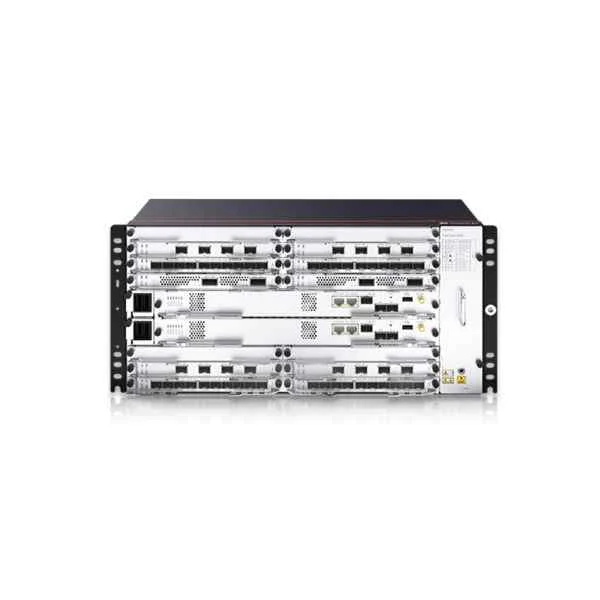
CR8PM8BASAC3 (Huawei NetEngine 8000 M8 Basic Configuration (Includes NetEngine 8000 M8 Chassis,2*IPU-480, 2*AC Power,without Software Charge and Document))
4.8 (6)- Enterprise Router
- Huawei
- IPSec / SSL VPN
- AC Power Supply / Redundant
- OSPF / BGP / EIGRP / Static Routing
- Fiber Optic / DSL
- Modular
Est Value $82,089.00
$25,164.30
69.3% offIn stockNewFirst-Time Buyer Discount – Get up to 2% additional off on your first order
ORM Rewards Earn $50 in Rewards + Free Expedited Delivery – Join Now!
Use eCoupon ORMSAVE10
eCoupon limited to 5 units
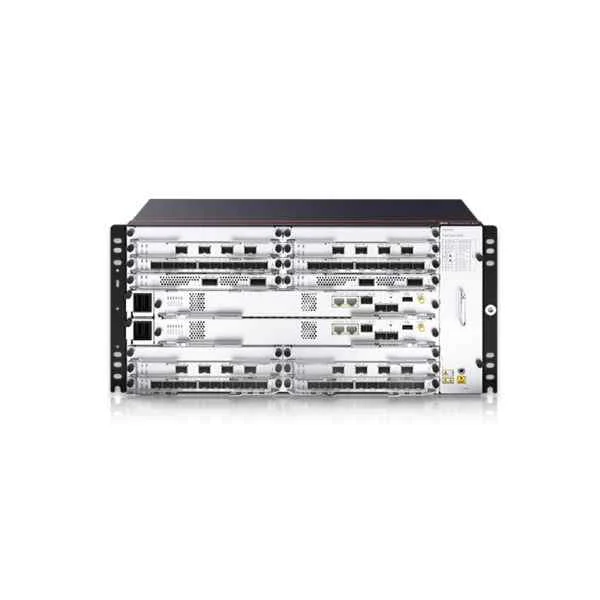
CR8BM8BKPAC1 (Huawei NetEngine 8000 M8 Integrated AC Chassis Components (Including 2*AC Power,Fan Box))
4.5 (6)- Enterprise Router
- Huawei
- IPSec / SSL VPN / GRE
- Redundant AC/DC Power Supply
- OSPF / BGP / Static Routing
- Fiber Optic
- Modular
Est Value $64,795.50$32,397.75
50% offIn stockNewFirst-Time Buyer Discount – Get up to 2% additional off on your first order
ORM Rewards Earn $50 in Rewards + Free Expedited Delivery – Join Now!
Use eCoupon ORMSAVE10
eCoupon limited to 5 units
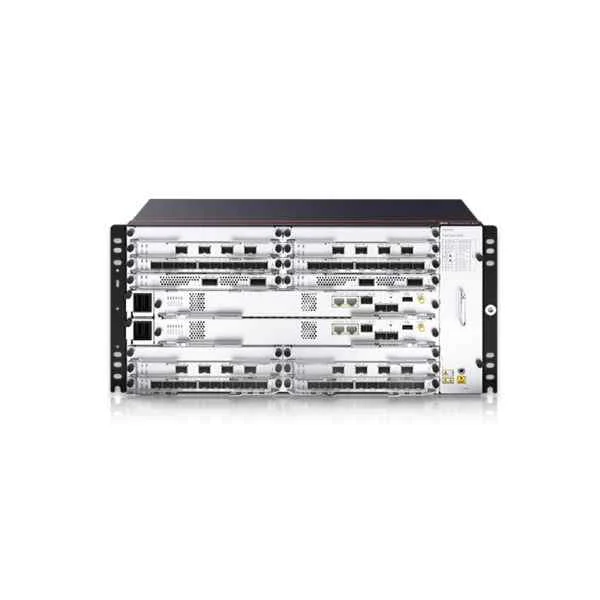
CR8BM8BKPDC1 (Huawei NetEngine 8000 M8 Integrated DC Chassis Components (Including 2*DC Power,Fan Box))
4.7 (6)- Enterprise Router
- Huawei
- IPSec / SSL VPN
- Redundant DC Power Supply
- OSPF / BGP / EIGRP / Static Routing
- Fiber Optic
- Modular
Est Value $86,396.10$43,198.05
50% offIn stockNewFirst-Time Buyer Discount – Get up to 2% additional off on your first order
ORM Rewards Earn $50 in Rewards + Free Expedited Delivery – Join Now!
Use eCoupon ORMSAVE10
eCoupon limited to 5 units
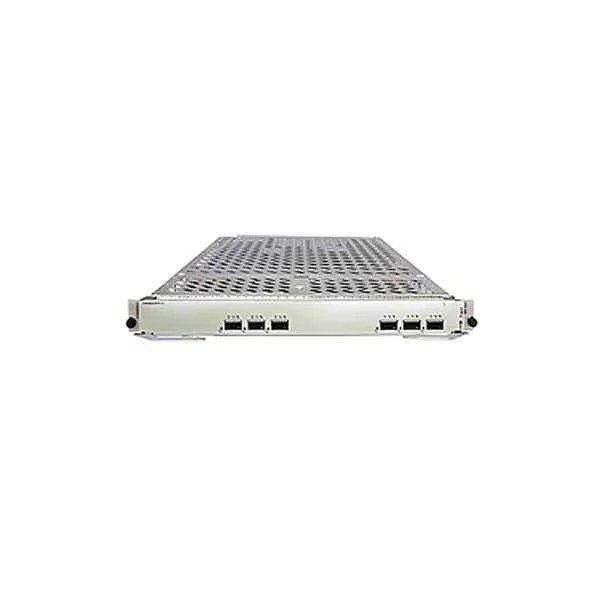
CR8DIPU480C1 (Huawei NetEngine 8000 M8 Integrated Network Processing Unit (IPU-480))
4.7 (6)- Enterprise Router
- Huawei
- IPSec / SSL VPN / GRE / DMVPN / FlexVPN
- AC Power Supply / Redundant
- OSPF / BGP / EIGRP / Static Routing
- Fiber Optic
- Modular
Est Value $92,448.30$46,224.15
50% offIn stockNewFirst-Time Buyer Discount – Get up to 2% additional off on your first order
ORM Rewards Earn $50 in Rewards + Free Expedited Delivery – Join Now!
Use eCoupon ORMSAVE10
eCoupon limited to 5 units
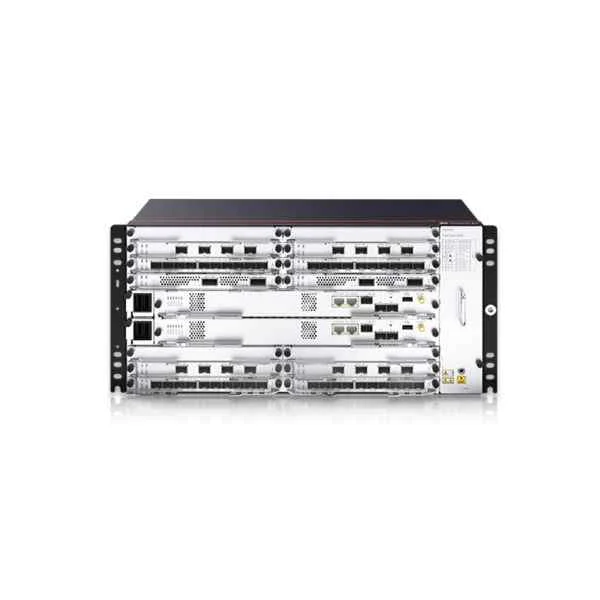
CR8PM8BASDC2 (Huawei NetEngine 8000 M8 Basic Configuration (Includes NetEngine 8000 M8 Chassis,2*IPU-480, 2*DC Power,without Software Charge and Document))
4.8 (6)- Enterprise Router
- Huawei
- IPSec / SSL VPN
- AC Power Supply / Redundant
- OSPF / BGP / Static Routing
- Fiber Optic / DSL
- Modular
Est Value $170,824.50$85,412.25
50% offIn stockNewFirst-Time Buyer Discount – Get up to 2% additional off on your first order
ORM Rewards Earn $50 in Rewards + Free Expedited Delivery – Join Now!
Use eCoupon ORMSAVE10
eCoupon limited to 5 units
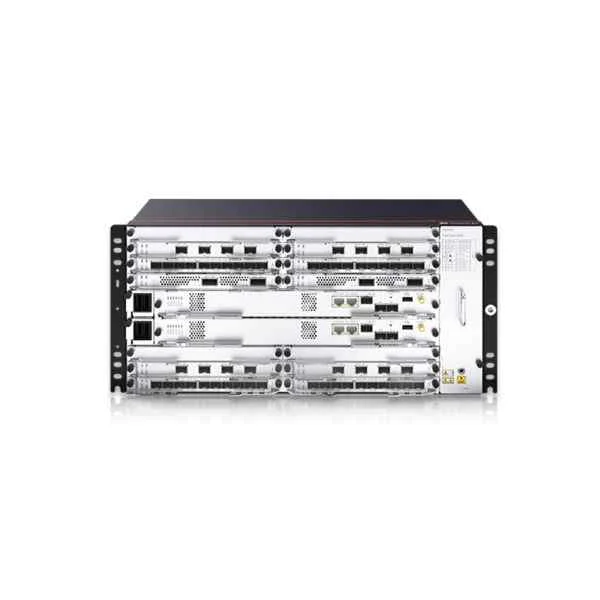
CR8PM8BASDC1 (Huawei NetEngine 8000 M8 Basic Configuration (Includes NetEngine 8000 M8 Chassis,2*IPU-1T2, 2*DC Power,without Software Charge and Document))
4.7 (6)- Enterprise Router
- Huawei
- IPSec / SSL VPN / DMVPN
- AC Power Supply / Redundant
- OSPF / BGP / EIGRP / Static Routing
- Fiber Optic
- Modular
Est Value In stockFirst-Time Buyer Discount – Get up to 2% additional off on your first order
ORM Rewards Earn $50 in Rewards + Free Expedited Delivery – Join Now!
Use eCoupon ORMSAVE10
eCoupon limited to 5 units
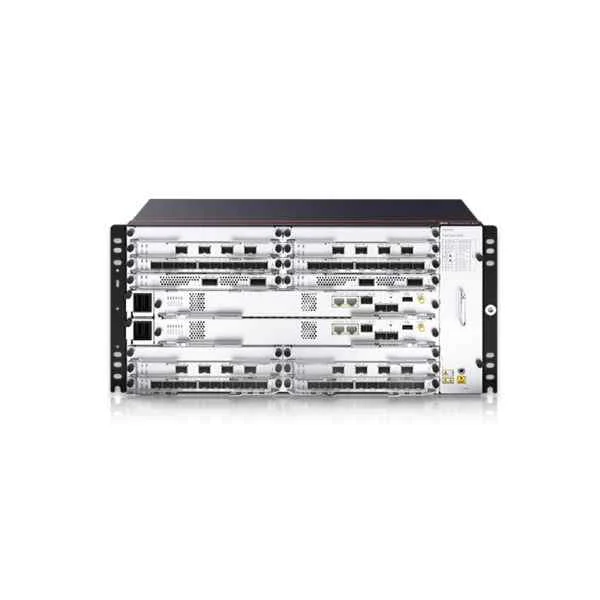
CR8PM8BASAC1 (Huawei NetEngine 8000 M8 Basic Configuration (Includes NetEngine 8000 M8 Chassis,2*IPU-1T2, 2*AC Power,without Software Charge and Document))
4.5 (6)- Enterprise Router
- Huawei
- IPSec / SSL VPN
- AC Power Supply / DC Power Supply / Redundant
- OSPF / BGP / EIGRP / RIP / Static Routing
- Modular
Est Value In stockFirst-Time Buyer Discount – Get up to 2% additional off on your first order
ORM Rewards Earn $50 in Rewards + Free Expedited Delivery – Join Now!
Use eCoupon ORMSAVE10
eCoupon limited to 5 units
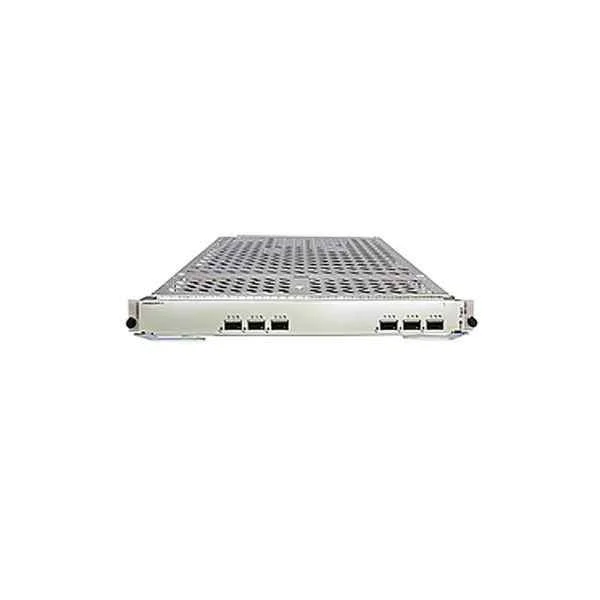
CR8DIPU1T2C1 (Huawei NetEngine 8000 M8 Integrated Network Processing Unit (IPU-1T2))
4.7 (6)- Enterprise Router
- Huawei
- IPSec / SSL VPN
- AC Power Supply / Redundant
- OSPF / BGP / EIGRP
- Fiber Optic
- Modular
Est Value In stockFirst-Time Buyer Discount – Get up to 2% additional off on your first order
ORM Rewards Earn $50 in Rewards + Free Expedited Delivery – Join Now!
Use eCoupon ORMSAVE10
eCoupon limited to 5 units

ORM Sales Advisors
Buying for your business? Get a personalised quote in under 2 hours. Talk to an expert
LEARNFilters (8) 
Questions & Answers
What is the Huawei NetEngine 8000 Universal Service Router?
The NetEngine 8000 is Huawei’s high-performance core router series designed for carrier-grade networks, delivering up to 144 Tbps of throughput, modular scalability, and distributed architecture for superior reliability.
Which key features define the NetEngine 8000 series?
Key features include line-rate 400G ports, out-of-band service processing (OOBSP), distributed control plane, in-service software upgrades, and built-in AI-driven O&M for real-time analytics and zero-touch operations.
How does the NetEngine 8000 support network scalability?
With a modular chassis design, hot-swappable route engines, and flexible port cards, the NetEngine 8000 scales seamlessly from metro to core networks, supporting incremental capacity growth without service interruption.
What throughput levels can the NetEngine 8000 achieve?
The NetEngine 8000 supports up to 144 Tbps per chassis, with individual line cards capable of delivering 1.6 Tbps to 6.4 Tbps, making it ideal for high-density, high-bandwidth environments.
How does the NetEngine 8000 ensure high availability?
High availability is achieved through redundant route processors, power supplies, fabric modules, and support for in-service software upgrades (ISSU), ensuring zero packet loss during maintenance.
What security capabilities are built into the NetEngine 8000?
The router offers line-rate IPsec, MACsec, control-plane protection, DHCP snooping, and BGP Flowspec, delivering multi-layer network defense and automated threat mitigation.
Can the NetEngine 8000 integrate with cloud and virtualization platforms?
Yes, it supports SR-EVPN for data center interconnect, NFV integration via SR-v6, and unified management with Huawei CloudEngine for seamless cloud on-ramp and virtualized service deployment.
What O&M automation features are available on the NetEngine 8000?
It features AI-driven SmartCare, Telemetry, anomaly detection, predictive troubleshooting, and intent-based networking, reducing operational costs and accelerating fault resolution.
Which routing protocols are supported by the NetEngine 8000?
It supports industry-standard protocols including OSPF, IS-IS, BGP, MPLS (TE, LDP), Segment Routing, EVPN, RSVP-TE, and PCEP for advanced traffic engineering.
How is energy efficiency addressed in the NetEngine 8000?
The platform uses energy-optimized hardware, adaptive cooling, and power scaling per line card, reducing overall power consumption by up to 30% compared to legacy routers.
What management tools are available for the NetEngine 8000?
Management is provided via eSight NMS, NetCloud, CLI, NetEngine NCE, and open APIs (RESTCONF/NETCONF), enabling unified configuration, monitoring, and automated workflows.
Which deployment scenarios suit the NetEngine 8000?
Ideal for carrier core, edge data centers, IP/MPLS backbones, 5G transport, and large-scale enterprise campuses requiring ultra-high throughput and carrier-grade reliability.
How does Huawei support the NetEngine 8000 after deployment?
Huawei offers global one-stop support including hardware maintenance, software updates, SmartCare proactive diagnostics, network design consulting, and training services.
What distinguishes the NetEngine 8000 from competing core routers?
Its distributed architecture, OOBSP offload, AI-driven O&M, unmatched 144 Tbps scalability, and flexible service slicing differentiate it in performance, reliability, and operational simplicity.
Can the NetEngine 8000 perform live upgrades without traffic disruption?
Yes, with in-service software upgrades (ISSU) and redundant control modules, software and line-card upgrades occur seamlessly without impacting live traffic.
How does the NetEngine 8000 support 5G backhaul requirements?
It provides ultra-low latency, high bandwidth aggregation, network slicing, and carrier-grade synchronization (PTP, SyncE) to meet stringent 5G backhaul SLAs.