 United States
Hikvision Thermography Thermal Cameras
Leverage advanced thermal imaging technology in Hikvision thermography thermal cameras, designed for precision detection and robust surveillance. Ideal for enhancing security protocols and operational efficiency.
Talk to an expert
13 Matching results
- BEST SELLING
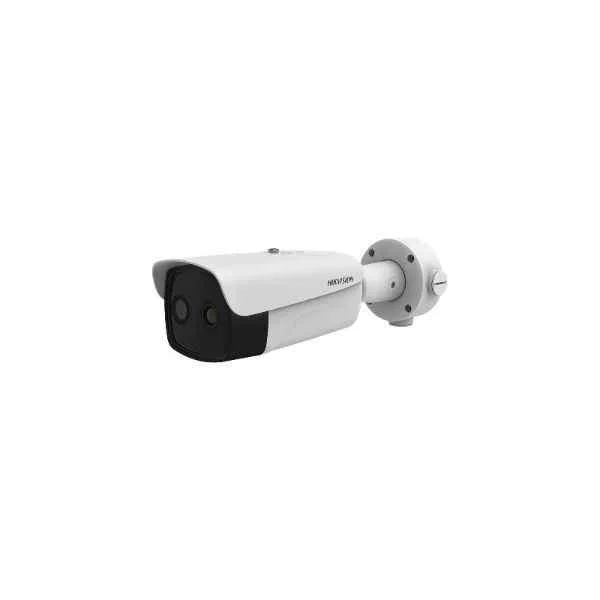
DS-2TD2637B-10/P (DS-2TD2637B-10/P, Temperature Screening Thermographic Bullet Camera )
4.4 (5)- Security Camera
- Hikvision
- Bullet
- IP Camera
- 2MP
- Fixed
- Motion Detection
Est Value In stock
First-Time Buyer Discount – Get up to 2% additional off on your first order
ORM Rewards Earn $50 in Rewards + Free Expedited Delivery – Join Now!
Use eCoupon ORMSAVE10
eCoupon limited to 5 units
- BEST SELLING
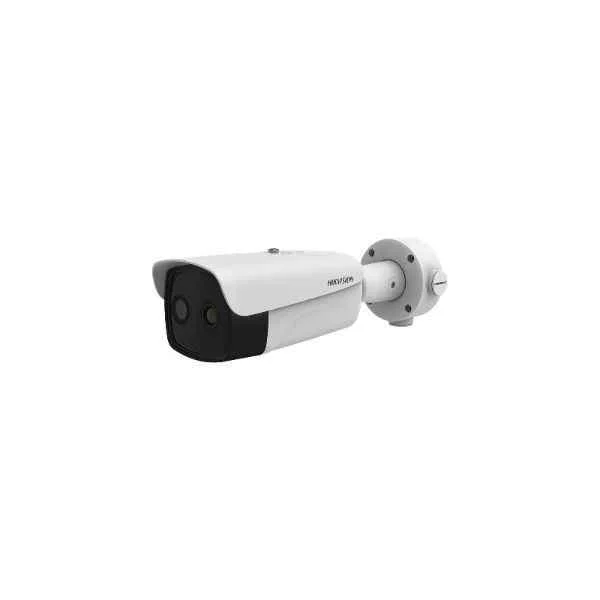
DS-2TD2636B-13/P (Temperature Screening Thermographic Camera)
4.2 (5)- Security Camera
- Hikvision
- Thermal
- IP Camera
- Fixed
- Motion Detection
Est Value In stockFirst-Time Buyer Discount – Get up to 2% additional off on your first order
ORM Rewards Earn $50 in Rewards + Free Expedited Delivery – Join Now!
Use eCoupon ORMSAVE10
eCoupon limited to 5 units
- BEST SELLING
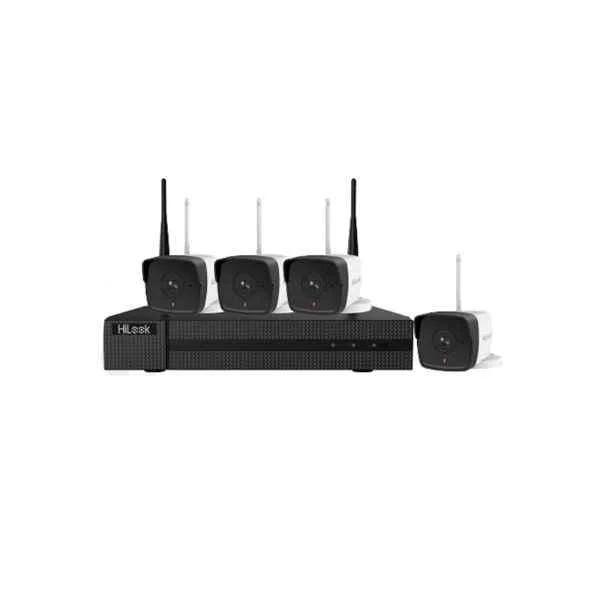
DS-2TP21B-6AVF/W (Temperature Screening Thermographic Handheld Camera)
4.6 (5)- Security Camera
- Hikvision
- Bullet
- IP Camera
- 2MP
- Fixed
Est Value In stockFirst-Time Buyer Discount – Get up to 2% additional off on your first order
ORM Rewards Earn $50 in Rewards + Free Expedited Delivery – Join Now!
Use eCoupon ORMSAVE10
eCoupon limited to 5 units
- BEST SELLING
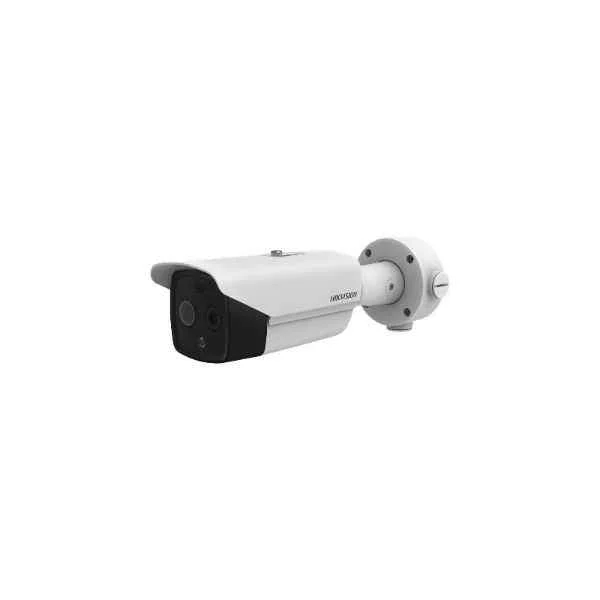
DS-2TD2617B-6/PA (Temperature Screening Thermographic Bullet Camera)
4.6 (5)- Security Camera
- Hikvision
- Thermal
- IP Camera
- Fixed
- Motion Detection
Est Value In stockFirst-Time Buyer Discount – Get up to 2% additional off on your first order
ORM Rewards Earn $50 in Rewards + Free Expedited Delivery – Join Now!
Use eCoupon ORMSAVE10
eCoupon limited to 5 units
- BEST SELLING
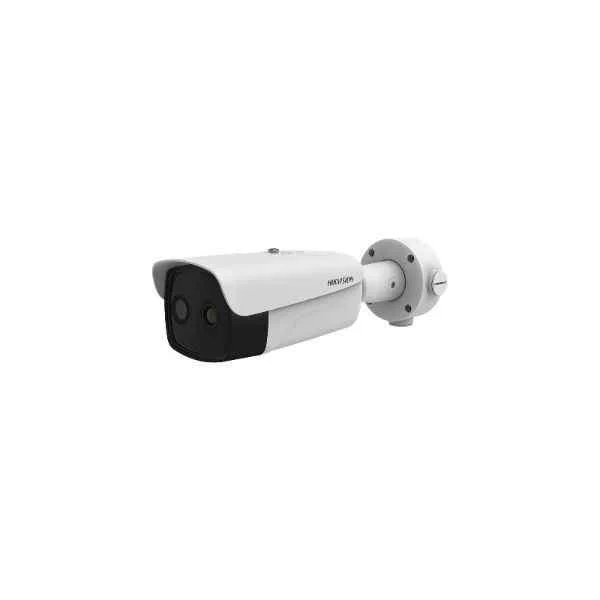
DS-2TD2636B-15/P (DS-2TD2636B-15/P, Temperature Screening Thermographic Bullet Camera)
4.6 (5)- Security Camera
- Hikvision
- Bullet
- IP Camera
- 2MP
- Fixed
- ANPR
Est Value In stockFirst-Time Buyer Discount – Get up to 2% additional off on your first order
ORM Rewards Earn $50 in Rewards + Free Expedited Delivery – Join Now!
Use eCoupon ORMSAVE10
eCoupon limited to 5 units
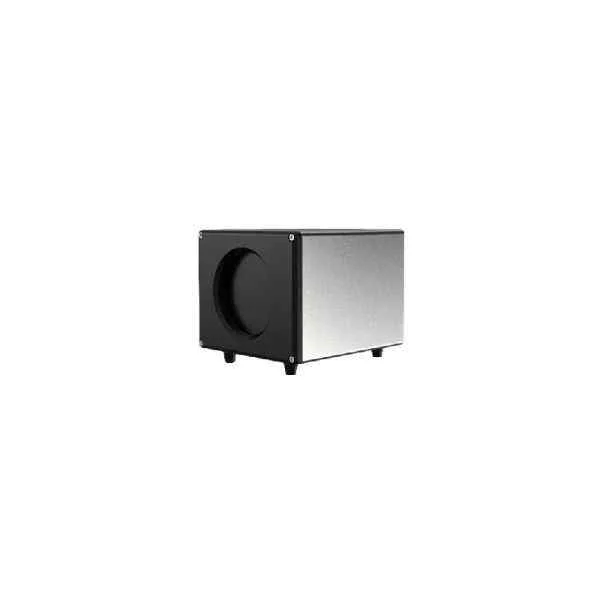
DS-2TE127-G4A (Black Body Calibrator)
4.6 (5)- Security Camera
- Hikvision
- Bullet
- IP Camera
- 4MP
- Fixed
Est Value In stockFirst-Time Buyer Discount – Get up to 2% additional off on your first order
ORM Rewards Earn $50 in Rewards + Free Expedited Delivery – Join Now!
Use eCoupon ORMSAVE10
eCoupon limited to 5 units
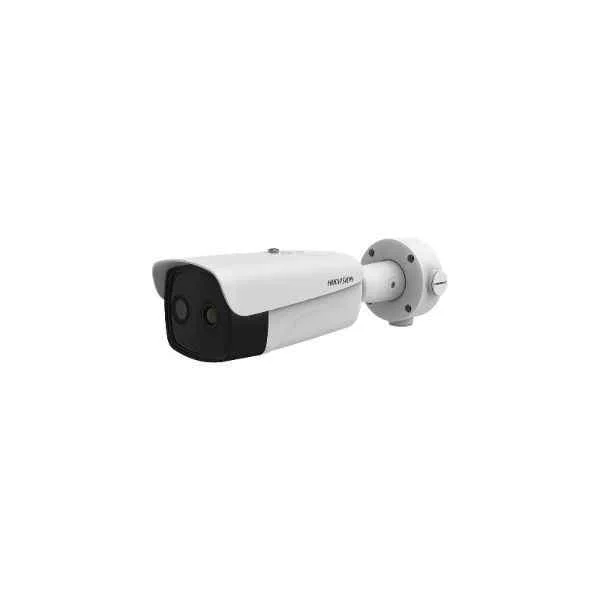
DS-2TD2636B-10/P (Temperature Screening Thermographic Thermal & Optical Bi-spectrum Network Bullet Camera)
4.4 (5)- Security Camera
- Hikvision
- Bullet
- IP Camera
- 2MP
- Varifocal
- Motion Detection
Est Value In stockFirst-Time Buyer Discount – Get up to 2% additional off on your first order
ORM Rewards Earn $50 in Rewards + Free Expedited Delivery – Join Now!
Use eCoupon ORMSAVE10
eCoupon limited to 5 units
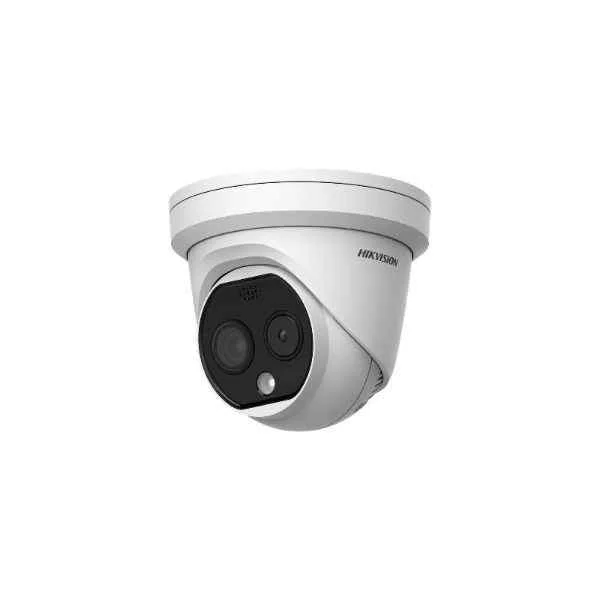
DS-2TD1217B-6/PA (Temperature Screening Thermographic Turret Camera)
4.2 (5)- Security Camera
- Hikvision
- Turret
- IP Camera
- 2MP
- Fixed
Est Value In stockFirst-Time Buyer Discount – Get up to 2% additional off on your first order
ORM Rewards Earn $50 in Rewards + Free Expedited Delivery – Join Now!
Use eCoupon ORMSAVE10
eCoupon limited to 5 units
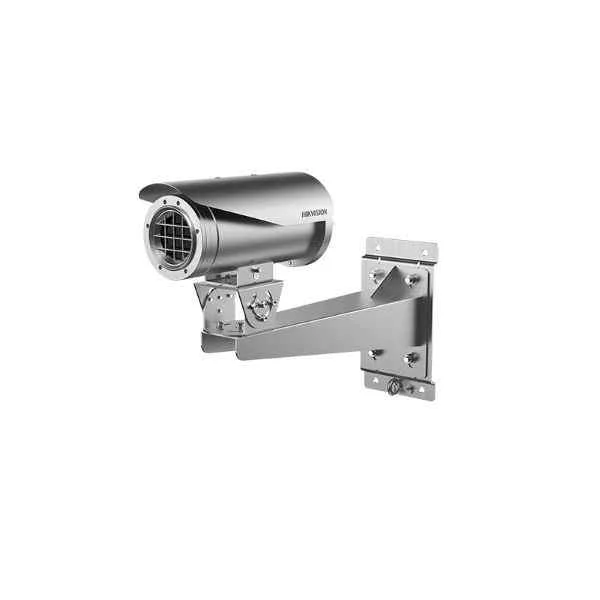
DS-2TD2466T-25X (Explosion-Proof Thermographic Network Bullet Camera)
5 (5)- Security Camera
- Hikvision
- Bullet
- IP Camera
- 4MP
- Fixed
- Motion Detection
Est Value In stockFirst-Time Buyer Discount – Get up to 2% additional off on your first order
ORM Rewards Earn $50 in Rewards + Free Expedited Delivery – Join Now!
Use eCoupon ORMSAVE10
eCoupon limited to 5 units
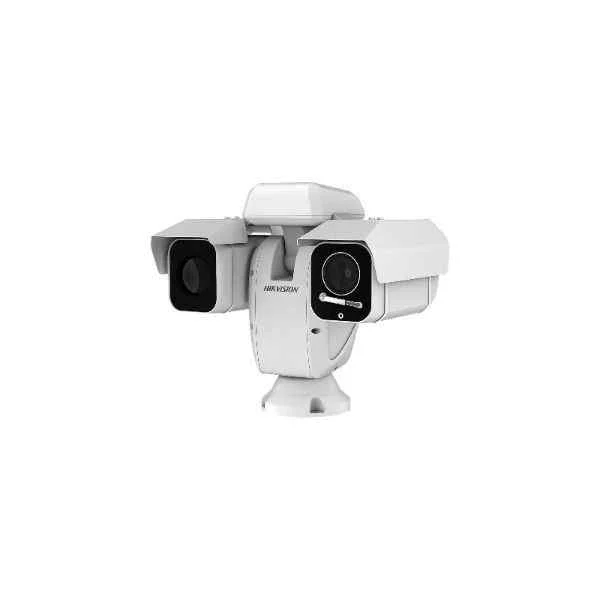
DS-2TD6236T-50H2L (Thermographic Thermal & Optical Bi-spectrum Network Positioning System)
4.8 (5)- Security Camera
- Hikvision
- Bullet
- IP Camera
- 2MP
- Fixed
- Motion Detection
Est Value In stockFirst-Time Buyer Discount – Get up to 2% additional off on your first order
ORM Rewards Earn $50 in Rewards + Free Expedited Delivery – Join Now!
Use eCoupon ORMSAVE10
eCoupon limited to 5 units
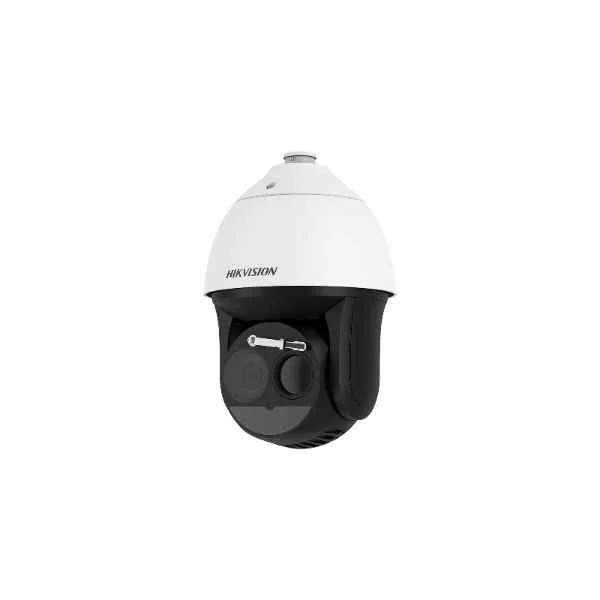
DS-2TD4166T-25 (Thermographic Thermal & Optical Bi-spectrum Network Speed Dome)
4.6 (5)- Security Camera
- Hikvision
- Bullet
- IP Camera
- 2MP
- Fixed
Est Value In stockFirst-Time Buyer Discount – Get up to 2% additional off on your first order
ORM Rewards Earn $50 in Rewards + Free Expedited Delivery – Join Now!
Use eCoupon ORMSAVE10
eCoupon limited to 5 units
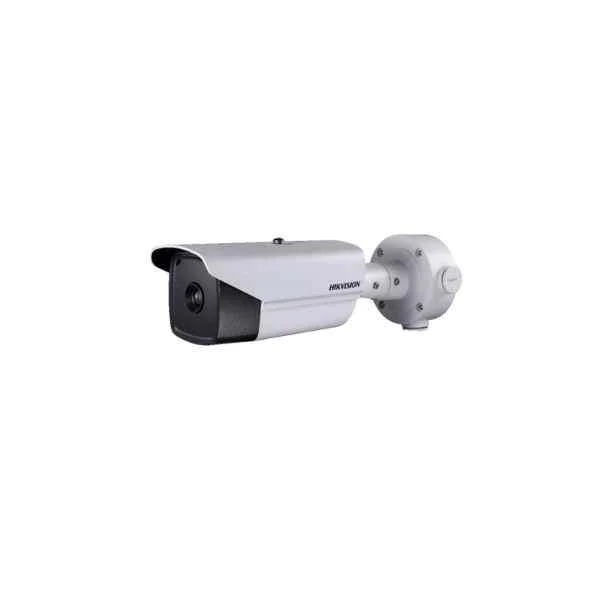
DS-2TD2166T-15 (Thermographic Network Bullet Camera)
4.6 (5)- Security Camera
- Hikvision
- Bullet
- IP Camera
- 2MP
- Fixed
- Motion Detection
Est Value In stockFirst-Time Buyer Discount – Get up to 2% additional off on your first order
ORM Rewards Earn $50 in Rewards + Free Expedited Delivery – Join Now!
Use eCoupon ORMSAVE10
eCoupon limited to 5 units
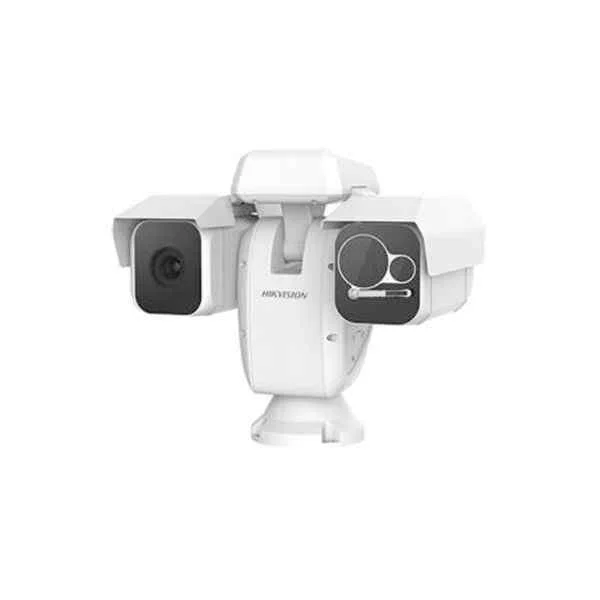
DS-2TD6236T-2550H2L (Thermometric Thermal & Optical Bi-spectrum Network)
4.8 (5)- Security Camera
- Hikvision
- Thermal
- IP Camera
- 2MP
- Fixed
- Motion Detection
Est Value In stockFirst-Time Buyer Discount – Get up to 2% additional off on your first order
ORM Rewards Earn $50 in Rewards + Free Expedited Delivery – Join Now!
Use eCoupon ORMSAVE10
eCoupon limited to 5 units

ORM Sales Advisors
Buying for your business? Get a personalised quote in under 2 hours. Talk to an expert
LEARNFilters (13) 
Questions & Answers
What is a Hikvision Thermography Thermal Camera?
A Hikvision Thermography Thermal Camera is a high-precision imaging device that uses infrared radiation to capture real-time temperature profiles for surveillance, industrial inspection, and medical screening.
How do Hikvision Thermography Thermal Cameras work?
They detect infrared energy emitted by objects, convert it into electronic signals, and render a thermal image with temperature data overlaid for accurate heat mapping and analysis.
What are the key features of Hikvision Thermography Thermal Cameras?
Key features include high thermal sensitivity (≤40 mK NETD), radiometric imaging, AI-powered alarms, multi-target tracking, and wide temperature measurement ranges from -20 °C to 550 °C.
What are the main applications for these thermal cameras?
They’re used in industrial preventive maintenance, electrical inspections, perimeter security, fire detection, temperature screening, and research laboratories requiring non-contact temperature monitoring.
What temperature accuracy and range can I expect?
Hikvision thermal cameras deliver ±0.5 °C accuracy in human fever screening mode and ±2 °C (or ±2 % of reading) in industrial mode, covering –20 °C to 550 °C measurement spans.
How do I choose the right lens for my application?
Select lens focal length based on detection distance and target size; common options range from 7.5 mm for close-up inspections to 35 mm for long-range monitoring.
What is thermal sensitivity (NETD) and why does it matter?
NETD (Noise Equivalent Temperature Difference) quantifies the smallest thermal contrast detectable; lower NETD (e.g., ≤40 mK) means clearer images and finer temperature discrimination.
Can Hikvision thermal cameras be used for fever screening?
Yes, they support medical-grade fever screening with blackbody calibration, live temperature display, mask detection, and alert thresholds to identify elevated skin temperatures.
Do these cameras support AI and analytics?
They integrate onboard AI for intrusion detection, perimeter protection, crowded area analysis, and automated anomaly alarms, boosting security and operational efficiency.
How do I integrate a Hikvision thermal camera with existing systems?
Use standard ONVIF or Hikvision SDK protocols to connect with NVRs, VMS platforms, and third-party systems for unified management, recording, and analytics.
What software is available for thermal image analysis?
Hikvision provides iVMS-4200 and Thermal Smart Client for advanced analytics, multi-camera display, temperature trends, ROI setup, and automated reporting.
How do I install and configure the camera for optimal results?
Mount at the recommended height and angle, calibrate against a blackbody reference, configure ROI and alarm thresholds, then verify via live preview for best accuracy.
What maintenance and calibration schedule is required?
Perform annual calibration with a certified blackbody, clean lenses every three months, and update firmware regularly to maintain accuracy and feature integrity.
What environmental conditions can these cameras withstand?
Most models are IP66-rated, operate from –40 °C to 60 °C, resist dust and water ingress, and function reliably in harsh industrial or outdoor environments.
What warranty and support options are available?
Hikvision offers a standard two-year warranty with optional extended coverage, plus global technical support, software updates, and training resources.
How much does a Hikvision Thermography Thermal Camera cost?
Pricing varies by model, resolution, and lens; basic units start around USD 2,000, while high-end models with enhanced accuracy and analytics may exceed USD 10,000.
How can I purchase and obtain pricing details?
Contact authorized Hikvision distributors or visit the official website to request quotes, compare models, and arrange demos or bulk purchase discounts.