 United States
Indoor Access Points by Huawei
Experience reliable, secure connectivity with Huawei Indoor Access Points. Optimized for business environments, these advanced solutions deliver robust performance and seamless network integration while ensuring comprehensive wireless coverage.
Talk to an expert
86 Matching results
- BEST SELLING
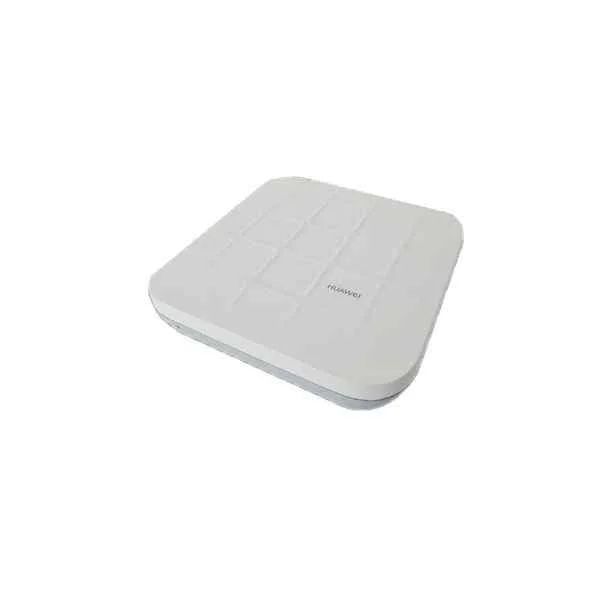
AP6050DN (AP6050DN Mainframe(11ac wave2,indoor,4x4Dual Band,Built-in Antenna,USB))
4.7 (6)- Wireless Access Point
- Huawei
- Access Point
- Wi‑Fi 6
- 2.4GHz / 5GHz
- 1Gbps
- Approximately 120 meters
Est Value $1,061.62
$277.57
73.9% offIn stockNewRefurbishedFirst-Time Buyer Discount – Get up to 2% additional off on your first order
ORM Rewards Earn $50 in Rewards + Free Expedited Delivery – Join Now!
Use eCoupon ORMSAVE10
eCoupon limited to 5 units
- BEST SELLING
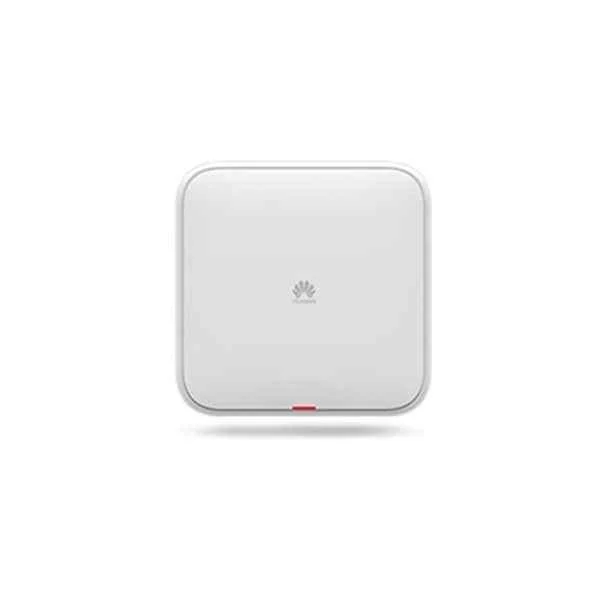
AP7060DN (Huawei AP7060DN mainframe (11ax, indoor, 2.4G 4x4 + 5G 8x8 dual bands, built-in antenna, 10GE+GE, USB, IoT slot, BLE))
4.8 (6)- Wireless Product
- Huawei
- Access Point
- Wi-Fi 6
- 2.4GHz / 5GHz
- 2.5Gbps
- 120 meters
Est Value $4,271.00$654.55
84.7% offIn stockNewRefurbishedFirst-Time Buyer Discount – Get up to 2% additional off on your first order
ORM Rewards Earn $50 in Rewards + Free Expedited Delivery – Join Now!
Use eCoupon ORMSAVE10
eCoupon limited to 5 units
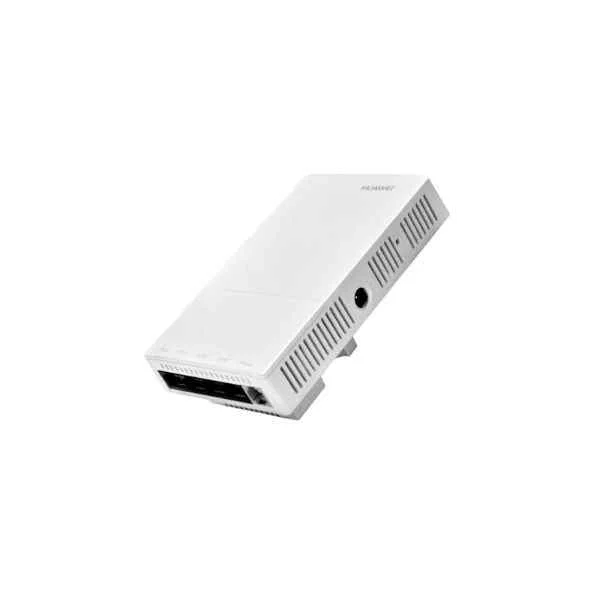
AP2030DN (AP2030DN Mainframe(11ac,2x2 Double Frequency,Built-in Antenna))
4.5 (6)- Wireless Access Point
- Huawei
- Access Point
- Wi-Fi 6
- 2.4GHz / 5GHz
- 2.5Gbps
Est Value $525.45$132.42
74.8% offIn stockNewFirst-Time Buyer Discount – Get up to 2% additional off on your first order
ORM Rewards Earn $50 in Rewards + Free Expedited Delivery – Join Now!
Use eCoupon ORMSAVE10
eCoupon limited to 5 units
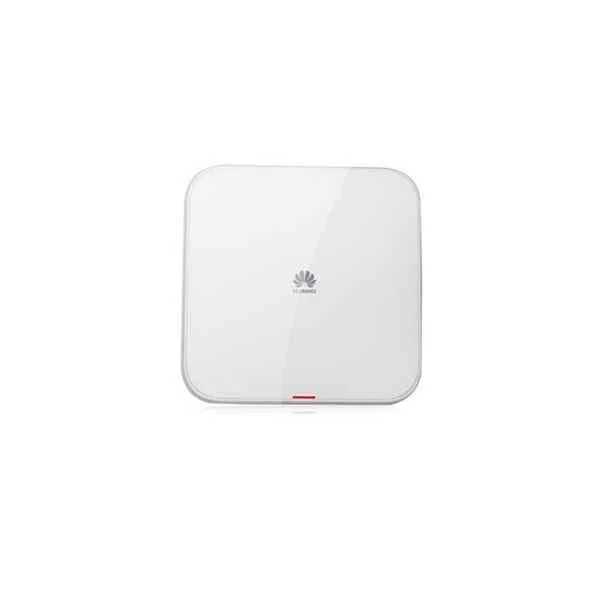
AP4051TN (Huawei AP4051TN 802.11ac Wave 2 and has three radio channels)
4.8 (6)- Wireless Product
- Huawei
- Access Point
- Wi-Fi 6
- 2.4GHz / 5GHz
- 1Gbps
- 150 meters
Est Value $1,406.20$241.04
82.9% offIn stockNewRefurbishedFirst-Time Buyer Discount – Get up to 2% additional off on your first order
ORM Rewards Earn $50 in Rewards + Free Expedited Delivery – Join Now!
Use eCoupon ORMSAVE10
eCoupon limited to 5 units
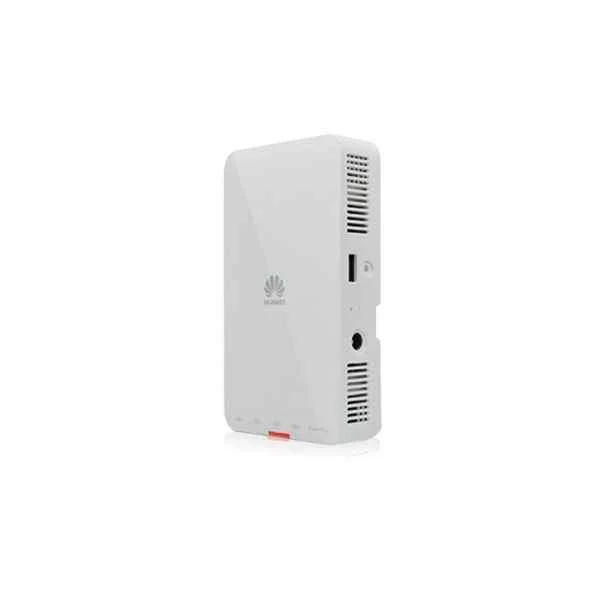
AP2051DN (Huawei AP2051DN 802.11ac Wave 2 AP, built-in smart antennas, 2 x 2 MIMO and two spatial streams)
4.8 (6)- Wireless Access Point
- Huawei
- Access Point
- Wi-Fi 6
- 2.4GHz / 5GHz
- 2.5Gbps
- 100 meters
Est Value $490.00$200.55
59.1% offIn stockNewFirst-Time Buyer Discount – Get up to 2% additional off on your first order
ORM Rewards Earn $50 in Rewards + Free Expedited Delivery – Join Now!
Use eCoupon ORMSAVE10
eCoupon limited to 5 units
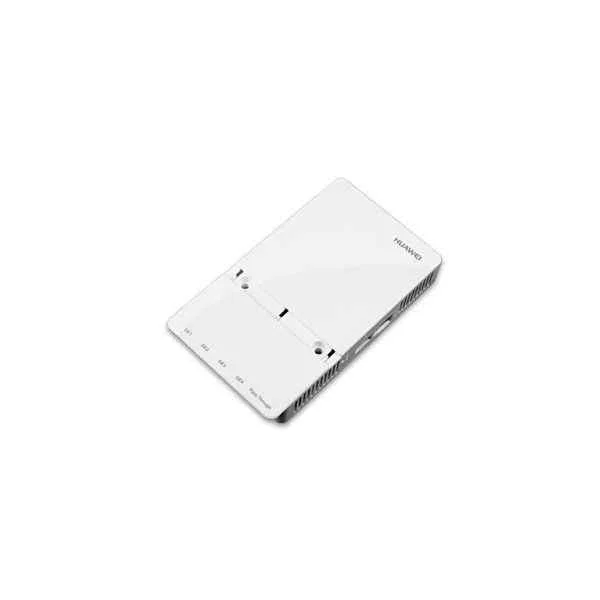
AP2050DN (AP2050DN Mainframe(11ac,2x2 Double Frequency,Built-in Antenna))
4.3 (6)- Wireless Product
- Huawei
- Access Point
- Wi-Fi 6
- 2.4GHz / 5GHz
- 2.5Gbps
- 100 meters
Est Value $525.45$215.18
59% offIn stockNewFirst-Time Buyer Discount – Get up to 2% additional off on your first order
ORM Rewards Earn $50 in Rewards + Free Expedited Delivery – Join Now!
Use eCoupon ORMSAVE10
eCoupon limited to 5 units
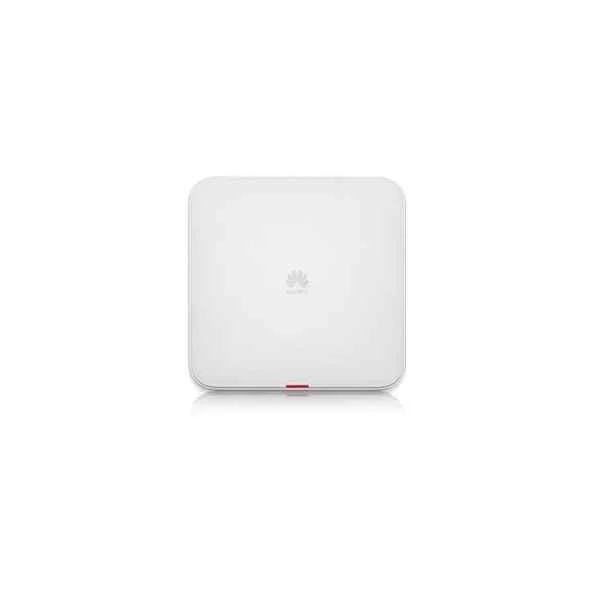
AP4050DE-M (Huawei AP4050DE-M 802.11ac Wave 2 Access Point, 2 x 2 MIMO, two spatial streams, Built-in dual-band smart omnidirectional antenna)
4.8 (6)- Wireless Product
- Huawei
- Access Point
- Wi-Fi 6
- 2.4GHz / 5GHz
- 2.5Gbps
- 120 meters
Est Value $625.00$227.85
63.5% offIn stockNewFirst-Time Buyer Discount – Get up to 2% additional off on your first order
ORM Rewards Earn $50 in Rewards + Free Expedited Delivery – Join Now!
Use eCoupon ORMSAVE10
eCoupon limited to 5 units
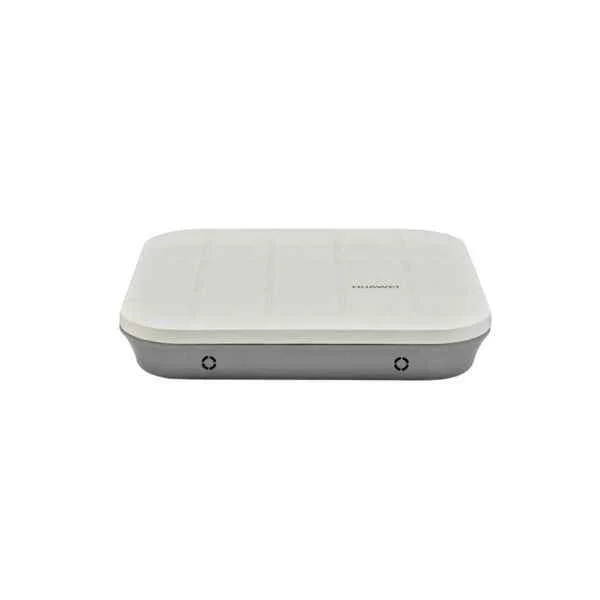
AP4030DN-DC (Broadband Network Terminal.AP4030DN-DC.11ac. 2*2 Double Frequency)
4.7 (6)- Wireless Product
- Huawei
- Access Point
- Wi-Fi 6
- Dual-Band (2.4GHz & 5GHz)
- 1Gbps
- 100 meters
Est Value $777.45$236.73
69.6% offIn stockNewFirst-Time Buyer Discount – Get up to 2% additional off on your first order
ORM Rewards Earn $50 in Rewards + Free Expedited Delivery – Join Now!
Use eCoupon ORMSAVE10
eCoupon limited to 5 units
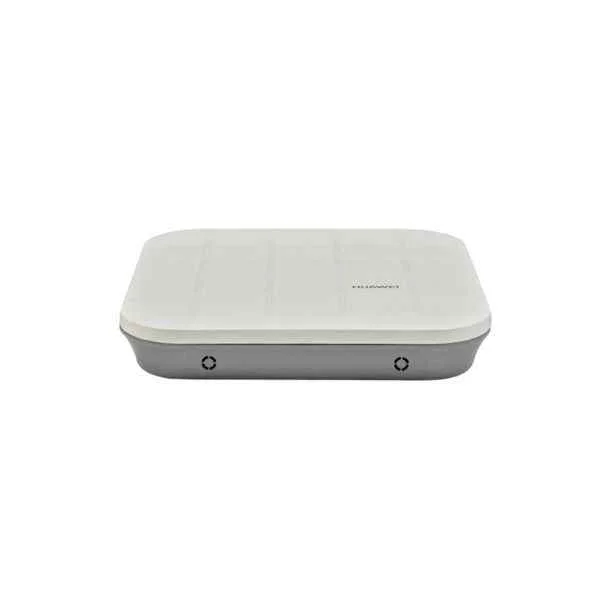
AP4030DN (AP4030DN Mainframe(11ac,General AP Indoor,2x2 Double Frequency,Built-in Antenna,No AC/DC adapter))
4.8 (6)- Wireless Product
- Huawei
- Access Point
- Wi-Fi 6
- 2.4GHz, 5GHz
- 2.5Gbps
- 100 meters
Est Value $739.92$279.69
62.2% offIn stockNewFirst-Time Buyer Discount – Get up to 2% additional off on your first order
ORM Rewards Earn $50 in Rewards + Free Expedited Delivery – Join Now!
Use eCoupon ORMSAVE10
eCoupon limited to 5 units
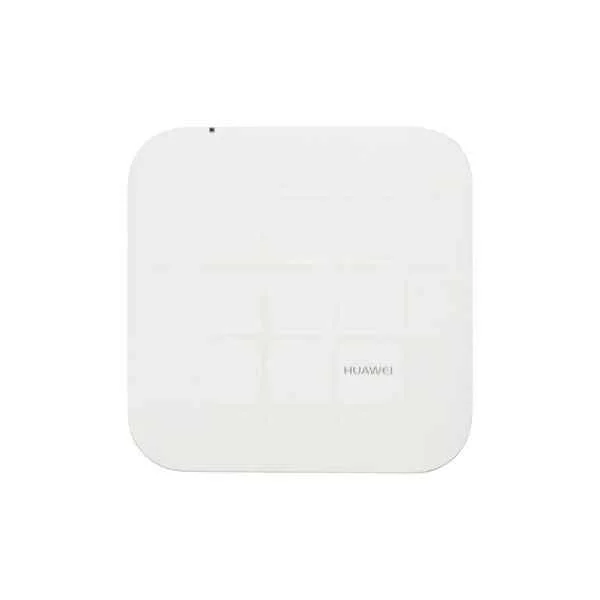
AP5030DN (AP5030DN Mainframe(11ac,General AP Indoor,3x3 Double Frequency,Built-in Antenna,No AC/DC adapter))
4.8 (6)- Wireless Product
- Huawei
- Access Point
- Wi-Fi 6
- 2.4GHz / 5GHz
- 2.5Gbps
- 100 meters
Est Value $954.39$280.59
70.6% offIn stockNewFirst-Time Buyer Discount – Get up to 2% additional off on your first order
ORM Rewards Earn $50 in Rewards + Free Expedited Delivery – Join Now!
Use eCoupon ORMSAVE10
eCoupon limited to 5 units
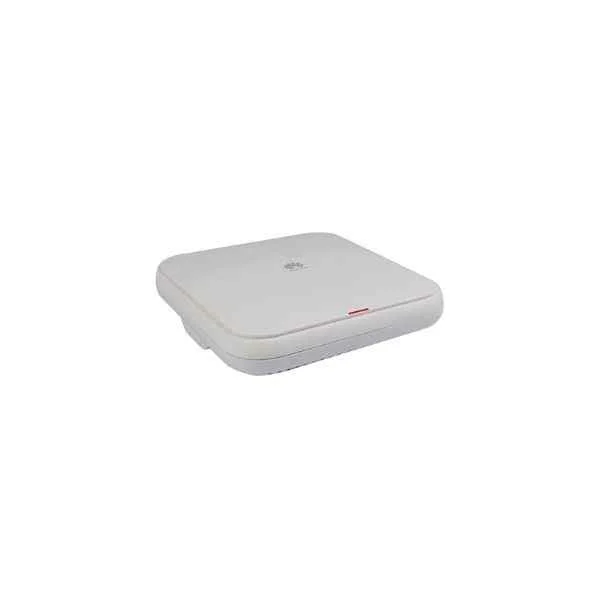
AP7052DN (Huawei AP7052DN 802.11ac Wave 2 Access Points, 4 x 4 MIMO, four spatial streams, 2.4G-to-5G switchover, Built-in dual-band omnidirectional antennas)
4.7 (6)- Wireless Access Point
- Huawei
- Access Point
- Wi-Fi 6
- 2.4GHz / 5GHz
- 1Gbps
- 100 meters (approx.)
Est Value $1,709.68$929.46
45.6% offIn stockNewRefurbishedFirst-Time Buyer Discount – Get up to 2% additional off on your first order
ORM Rewards Earn $50 in Rewards + Free Expedited Delivery – Join Now!
Use eCoupon ORMSAVE10
eCoupon limited to 5 units
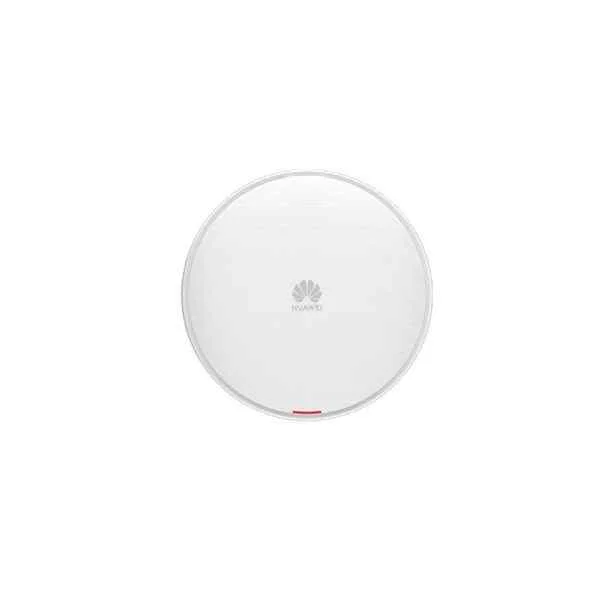
AirEngine 5760-51 (Huawei Indoor WiFi 6 AP, 802.11a/b/g/n/ac/ac Wave 2/ax, Built-in Smart Antennas, PoE power supply: in compliance with IEEE 802.3bt, 1 x 5 GE and 1 x GE electrical)
4.8 (6)- Wireless Product
- Huawei
- Access Point
- Wi-Fi 6
- 2.4GHz / 5GHz
- Up to 5Gbps
- 150 meters
Est Value $1,994.00$299.25
85% offIn stockNewFirst-Time Buyer Discount – Get up to 2% additional off on your first order
ORM Rewards Earn $50 in Rewards + Free Expedited Delivery – Join Now!
Use eCoupon ORMSAVE10
eCoupon limited to 5 units
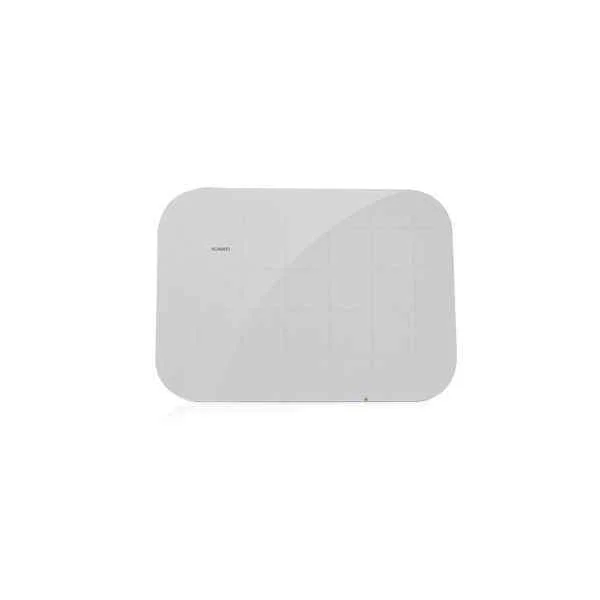
AP4050DN-E (AP4050DN-E Mainframe(11ac wave2,Dual Band,Built-in Antenna,BT,USB,PSE,IoT Slot))
4.5 (6)- Wireless Product
- Huawei
- Access Point
- Wi-Fi 6
- 2.4GHz / 5GHz
- 1Gbps
Est Value $900.36$302.53
66.4% offIn stockNewFirst-Time Buyer Discount – Get up to 2% additional off on your first order
ORM Rewards Earn $50 in Rewards + Free Expedited Delivery – Join Now!
Use eCoupon ORMSAVE10
eCoupon limited to 5 units
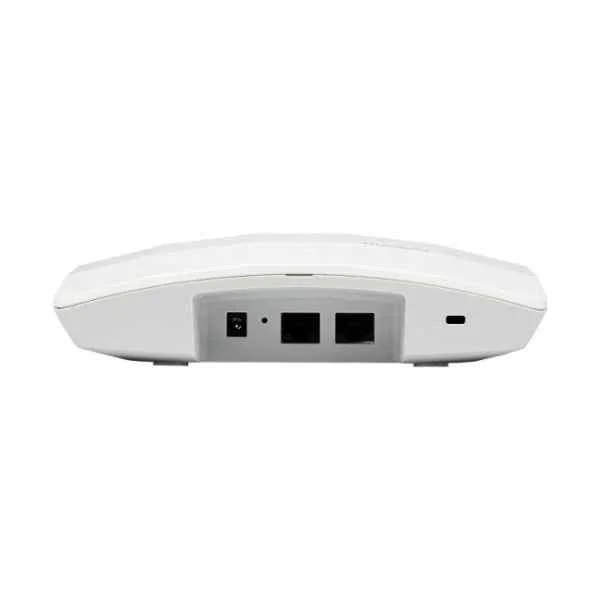
AP5010DN-AGN-DC (AP5010DN-AGN Bundle(11n,General AP Indoor,2x2 Double Frequency,Built-in Antenna,AC/DC adapter))
4.8 (6)- Wireless Product
- Huawei
- Access Point
- Wi-Fi 5
- 2.4GHz / 5GHz
- 1Gbps
Est Value $805.34$338.25
58% offIn stockNewFirst-Time Buyer Discount – Get up to 2% additional off on your first order
ORM Rewards Earn $50 in Rewards + Free Expedited Delivery – Join Now!
Use eCoupon ORMSAVE10
eCoupon limited to 5 units
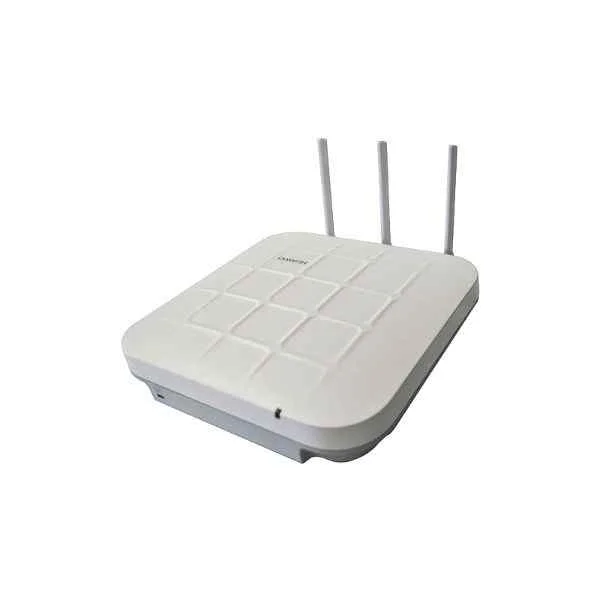
AP5130DN (AP5130DN Mainframe(11ac,General AP Indoor,3x3 Double Frequency,External Antenna,No AC/DC adapter))
4.5 (6)- Wireless Product
- Huawei
- Access Point
- Wi-Fi 6
- 2.4GHz / 5GHz
- 2.5Gbps
- 150 meters
Est Value $1,008.01$338.69
66.4% offIn stockNewFirst-Time Buyer Discount – Get up to 2% additional off on your first order
ORM Rewards Earn $50 in Rewards + Free Expedited Delivery – Join Now!
Use eCoupon ORMSAVE10
eCoupon limited to 5 units
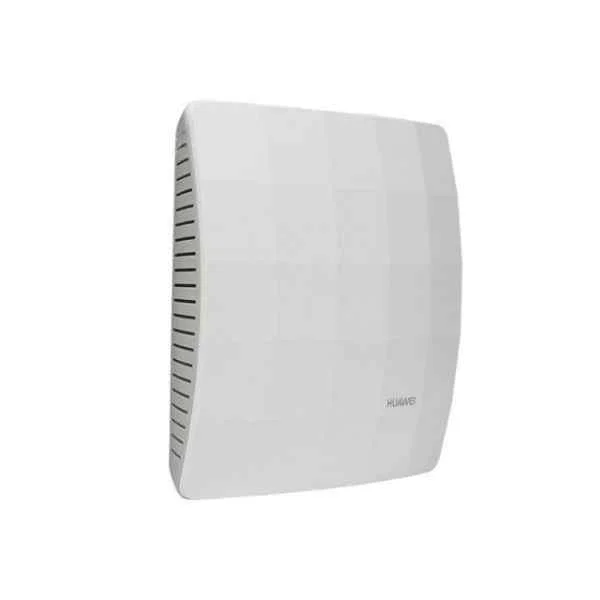
AP5010SN-GN (AP5010SN-GN Mainframe(11n,General AP Indoor,2x2 Single Frequency,Built-in Antenna,No AC/DC adapter))
4.8 (6)- Wireless Product
- Huawei
- Access Point
- Wi-Fi 6
- 2.4GHz / 5GHz
- 1Gbps
- 100 meters
Est Value $478.27$351.54
26.5% offIn stockNewFirst-Time Buyer Discount – Get up to 2% additional off on your first order
ORM Rewards Earn $50 in Rewards + Free Expedited Delivery – Join Now!
Use eCoupon ORMSAVE10
eCoupon limited to 5 units
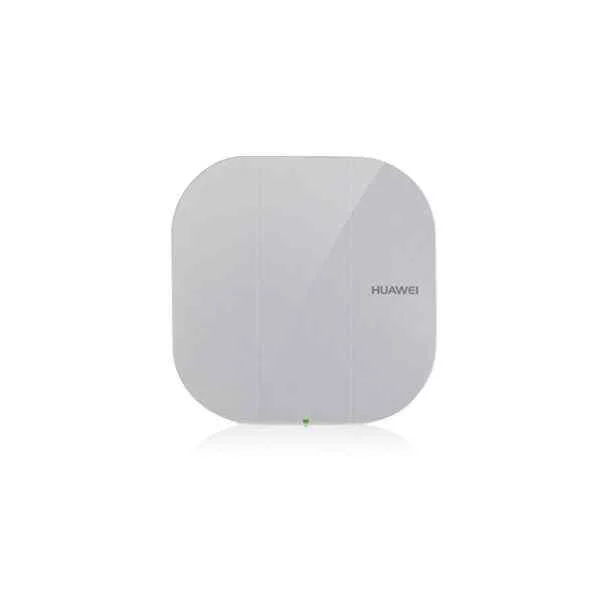
AP4050DN (Huawei AP4050DN 802.11ac Wave 2, 2 x 2 MIMO, and two spatial streams AP)
4.7 (6)- Wireless Access Point
- Huawei
- Access Point
- Wi‑Fi 6
- 2.4GHz / 5GHz
- 2.5Gbps
- 120 meters
Est Value $752.46$376.23
50% offIn stockRefurbishedFirst-Time Buyer Discount – Get up to 2% additional off on your first order
ORM Rewards Earn $50 in Rewards + Free Expedited Delivery – Join Now!
Use eCoupon ORMSAVE10
eCoupon limited to 5 units
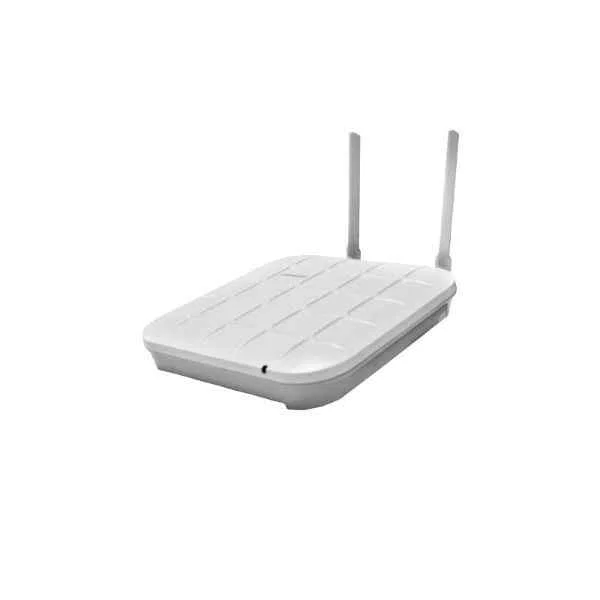
AP4130DN (AP4130DN Mainframe(11ac,General AP Indoor,2x2 Double Frequency,External Antenna,No AC/DC adapter))
4.7 (6)- Wireless Product
- Huawei
- Access Point
- Wi-Fi 6
- 2.4GHz / 5GHz
- 2.5Gbps
- 100 meters
Est Value $814.99$376.52
53.8% offIn stockNewFirst-Time Buyer Discount – Get up to 2% additional off on your first order
ORM Rewards Earn $50 in Rewards + Free Expedited Delivery – Join Now!
Use eCoupon ORMSAVE10
eCoupon limited to 5 units
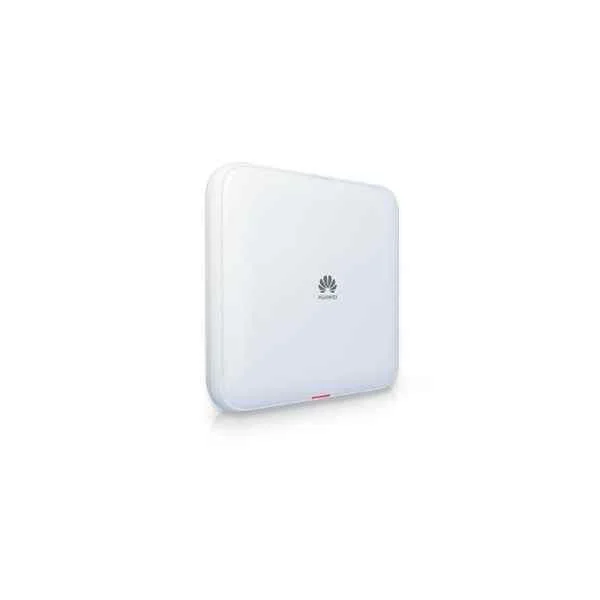
AP6750-10T (Huawei AP6750-10T 802.11ac Wave 2 AP, built-in adaptive array antennas, designed for high-density scenarios such as e-classrooms and supermarkets)
4.8 (6)- Wireless Product
- Huawei
- Access Point
- Wi-Fi 6
- 2.4GHz, 5GHz
- 2.5Gbps
- 100 meters
Est Value $1,490.00$414.75
72.2% offIn stockNewFirst-Time Buyer Discount – Get up to 2% additional off on your first order
ORM Rewards Earn $50 in Rewards + Free Expedited Delivery – Join Now!
Use eCoupon ORMSAVE10
eCoupon limited to 5 units
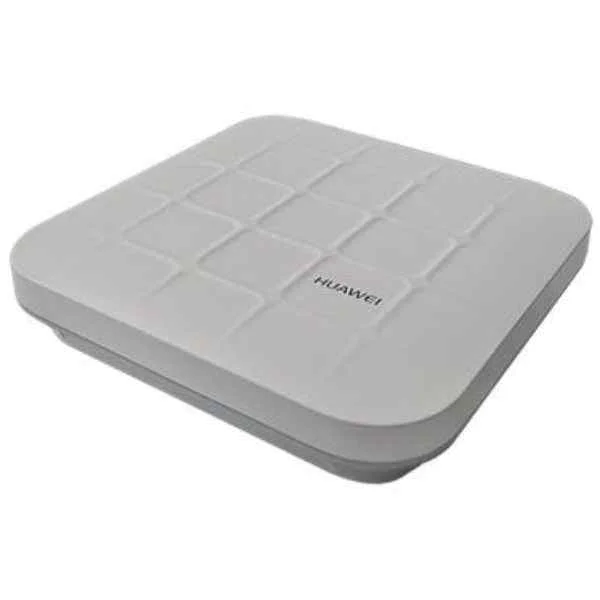
AP7030DE (AP7030DE Mainframe(11ac,Smart AP Indoor,3x3 Double Frequency,Built-in Smart Antenna,Up to 1.9Gbps data rate,No AC/DC adapter))
4.8 (6)- Wireless Access Point
- Huawei
- Access Point
- Wi-Fi 6
- 2.4GHz / 5GHz
- 2.5Gbps
- 150 meters
Est Value $1,597.80$536.87
66.4% offIn stockNewFirst-Time Buyer Discount – Get up to 2% additional off on your first order
ORM Rewards Earn $50 in Rewards + Free Expedited Delivery – Join Now!
Use eCoupon ORMSAVE10
eCoupon limited to 5 units

ORM Sales Advisors
Buying for your business? Get a personalised quote in under 2 hours. Talk to an expert
LEARNFilters (86) 
Questions & Answers
What are Huawei Indoor Access Points?
Huawei Indoor Access Points are enterprise-grade wireless devices that deliver high-speed Wi-Fi 6 connectivity, seamless roaming, and advanced security features for indoor environments.
Which Wi-Fi standards do Huawei Indoor Access Points support?
Huawei Indoor Access Points support IEEE 802.11ax (Wi-Fi 6), 802.11ac (Wi-Fi 5), and remain backward compatible with 802.11a/b/g/n devices.
How do I choose the right Huawei Indoor Access Point for my business?
Assess your coverage area, user density, and application needs, then select from Huawei’s AP5000, AP6000, or AP7000 series to match performance and capacity requirements.
What is the maximum number of concurrent users per Huawei Indoor Access Point?
Depending on the model, Huawei Indoor Access Points support up to 1,024 concurrent devices with optimized load balancing and MU-MIMO technology.
How do I install a Huawei Indoor Access Point?
Mount the AP on a ceiling or wall bracket, connect it to PoE or AC power, then configure it via Huawei CloudCampus, iMaster NCE, or an on-premise Agile Controller.
Do Huawei Indoor Access Points support Power over Ethernet (PoE)?
Yes, most Huawei Indoor Access Points support IEEE 802.3at/af PoE for simplified deployment without the need for additional power outlets.
How can I manage Huawei Indoor Access Points centrally?
Manage them through Huawei CloudCampus, iMaster NCE, or an on-premise Agile Controller to access real-time monitoring, configuration, and automated firmware updates.
Can Huawei Indoor Access Points integrate with non-Huawei controllers?
Yes, they support standard CAPWAP and OpenRoaming protocols for interoperability with third-party wireless controllers.
What security features do Huawei Indoor Access Points offer?
They provide WPA3 encryption, secure guest access, rogue AP detection, MAC and portal authentication, and a built-in firewall to protect your network.
How does seamless roaming work on Huawei Indoor Access Points?
Huawei Indoor APs use smart steer, 802.11k/v/r protocols, and unified authentication to enable zero-delay roaming as clients move between APs.
How do I update the firmware on Huawei Indoor Access Points?
Schedule and deploy firmware updates via CloudCampus, iMaster NCE, or Agile Controller using the one-click upgrade and rollback feature.
What is the warranty period for Huawei Indoor Access Points?
Huawei provides a standard one-year hardware warranty, with options to extend coverage up to five years through Huawei Care support plans.
How do I troubleshoot connectivity issues with Huawei Indoor Access Points?
Use the built-in diagnostics in CloudCampus or Agile Controller to monitor RF metrics, capture packets, and apply automated optimization suggestions.
Are Huawei Indoor Access Points suitable for high-density environments?
Yes, models like the AP7052DW and AP7060DN are optimized for high-density deployments using OFDMA, MU-MIMO, and dynamic frequency selection.
What is Huawei EasyMesh and is it supported?
Huawei EasyMesh is a self-organizing network feature that allows multiple APs to form a mesh topology for seamless coverage, and it’s supported on select indoor models.
How much bandwidth can each Huawei Indoor Access Point deliver?
Wi-Fi 6 models can deliver up to 5 Gbps aggregate throughput across dual 5 GHz bands and 4x4 MIMO streams.
Can Huawei Indoor Access Points be used in IoT applications?
Yes, select models include integrated IoT radios for BLE and Zigbee to connect sensors and devices directly, simplifying smart building deployments.