 United States
Firewall Fortinet Rugged Series
Experience unparalleled network security with the Fortinet Fortigate Rugged Series. Engineered for critical industrial operations, these devices deliver robust performance, threat protection and resilience in harsh environments.
Talk to an expert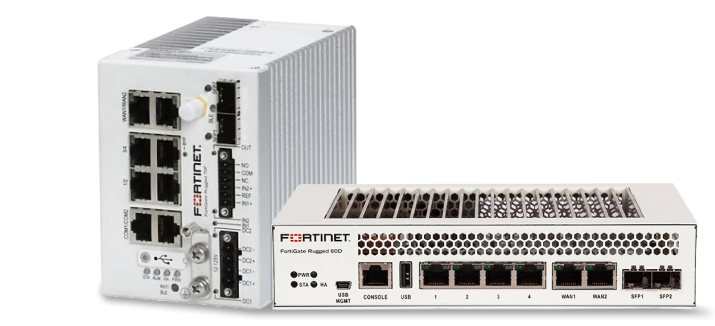
42 Matching results
- BEST SELLING
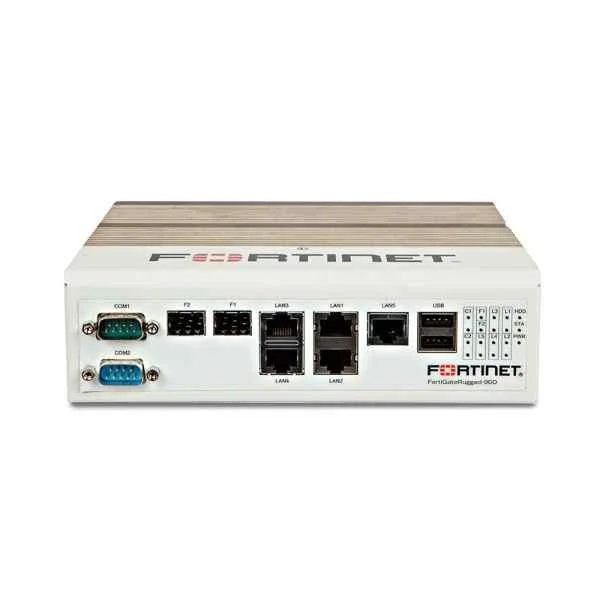
FGR-90D (FortiGateRugged-90D, Ruggedized, 5 x GE RJ45 Switch ports (Including 1x Pair GE Bypass RJ45 ports), 2 x GE SFP slots, 2x DB9 Serial/Console. Dual power input.)
4.6 (5)- Firewall Appliance
- Fortinet
- Rack-mount
- Enterprise / Branch Office
- VPN / Secure Access / UTM
- Layer 7
- AC Power Supply
Est Value $5,092.50
$2,546.25
50% offIn stockRefurbishedFirst-Time Buyer Discount – Get up to 2% additional off on your first order
ORM Rewards Earn $50 in Rewards + Free Expedited Delivery – Join Now!
Use eCoupon ORMSAVE10
eCoupon limited to 5 units
FGR-90D-BDL (FortiGateRugged-90D, Hardware plus 1 Year 8x5 FortiCare and FortiGuard Unified (UTM) Protection)
4.2 (5)- Firewall Appliance
- Fortinet
- Rack-mount
- Branch Office
- VPN / Secure Access / UTM
- Layer 3 / Layer 4 / Layer 7
- AC Power Supply
Est Value $6,541.48$1,098.96
83.2% offIn stockNewFirst-Time Buyer Discount – Get up to 2% additional off on your first order
ORM Rewards Earn $50 in Rewards + Free Expedited Delivery – Join Now!
Use eCoupon ORMSAVE10
eCoupon limited to 5 units
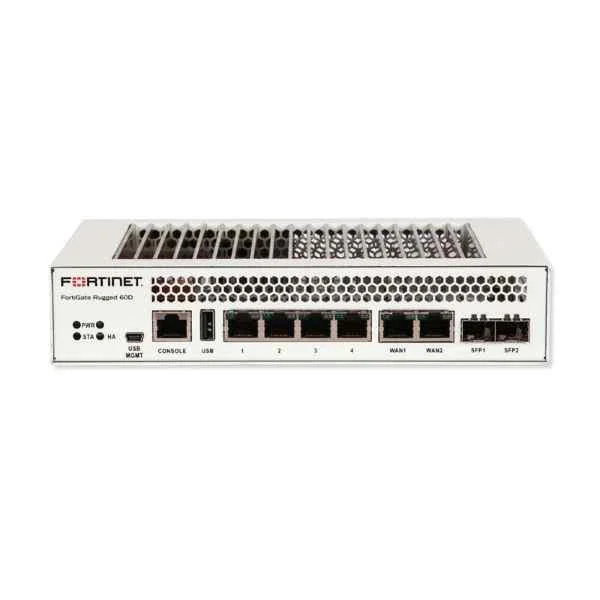
FGR-60D (Ruggedized, 4x GE RJ45 Switch ports, 2x Shared Media pairs (Including 2x GE RJ45 ports, 2x SFP slots). DB9 Serial. Maximum managed FortiAPs (Total / Tunnel) 10 / 5.)
5 (5)- Firewall Appliance
- Fortinet
- Rack-mount
- Enterprise / Branch Office
- VPN / UTM / Secure Access
- Layer 7
- AC Power Supply
Est Value $2,263.64$1,131.82
50% offIn stockRefurbishedFirst-Time Buyer Discount – Get up to 2% additional off on your first order
ORM Rewards Earn $50 in Rewards + Free Expedited Delivery – Join Now!
Use eCoupon ORMSAVE10
eCoupon limited to 5 units
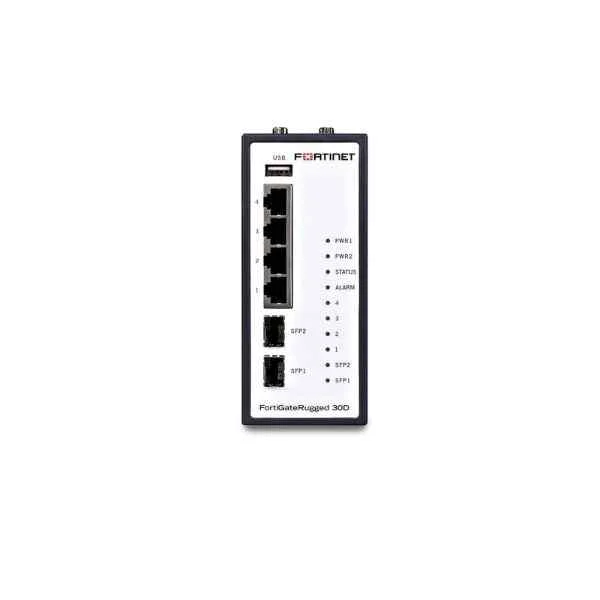
FGR-30D (Ruggedized, 4x GE RJ45 ports, 2x GE SFP slots, 2x DB9 Serial. Maximum managed FortiAPs (Total / Tunnel) 2 / 2.)
4.8 (5)- Firewall Appliance
- Fortinet
- Desktop / Rack-mounted
- Small Business / Branch Office
- VPN / Secure Access / UTM
- Layer 3 / Layer 4
- AC Power Supply
Est Value $1,686.44$1,484.66
12% offIn stockNewRefurbishedFirst-Time Buyer Discount – Get up to 2% additional off on your first order
ORM Rewards Earn $50 in Rewards + Free Expedited Delivery – Join Now!
Use eCoupon ORMSAVE10
eCoupon limited to 5 units
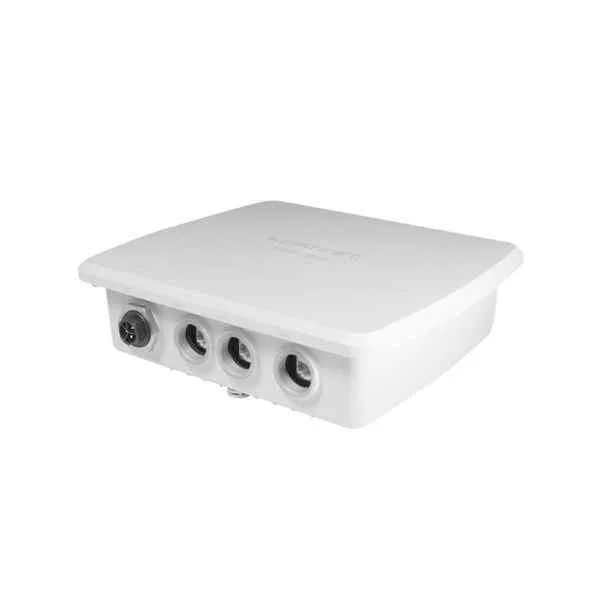
FGR-35D (FortiGateRugged-35D, Ruggedized, IP67 rating for outdoor environment, 3 x GE RJ45 Switch ports. Max managed FortiAPs (Total / Tunnel) 2 / 2.)
4.8 (5)- Firewall Appliance
- Fortinet
- Rack-mount
- Enterprise / Branch Office
- VPN / Secure Access / UTM
- Layer 7
- AC Power Supply
Est Value $4,220.31$1,751.40
58.5% offIn stockNewFirst-Time Buyer Discount – Get up to 2% additional off on your first order
ORM Rewards Earn $50 in Rewards + Free Expedited Delivery – Join Now!
Use eCoupon ORMSAVE10
eCoupon limited to 5 units
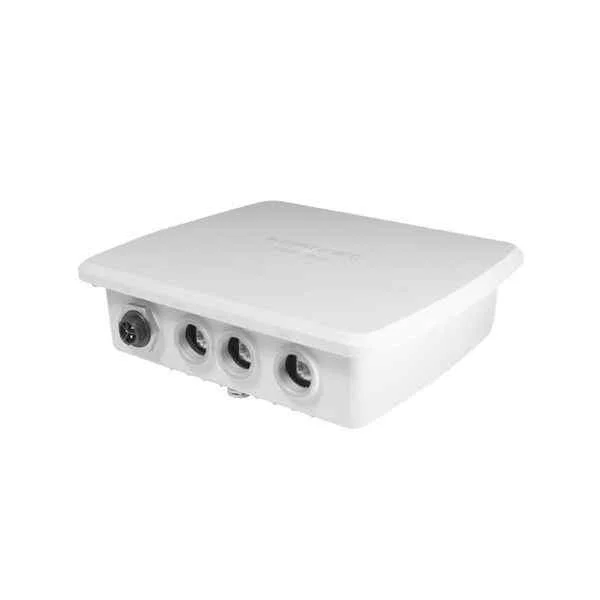
FGR-35D-BDL-950-12 (FGR-35D PLUS 1YR 24X7 FC AND FG UTM BNDL)
4.4 (5)- Firewall Appliance
- Fortinet
- Rack-mount
- Enterprise / Branch Office
- VPN / Secure Access / UTM
- Layer 3 / Layer 4 / Layer 7
- AC Power Supply
Est Value $10,239.96$5,119.98
50% offIn stockNewRefurbishedFirst-Time Buyer Discount – Get up to 2% additional off on your first order
ORM Rewards Earn $50 in Rewards + Free Expedited Delivery – Join Now!
Use eCoupon ORMSAVE10
eCoupon limited to 5 units
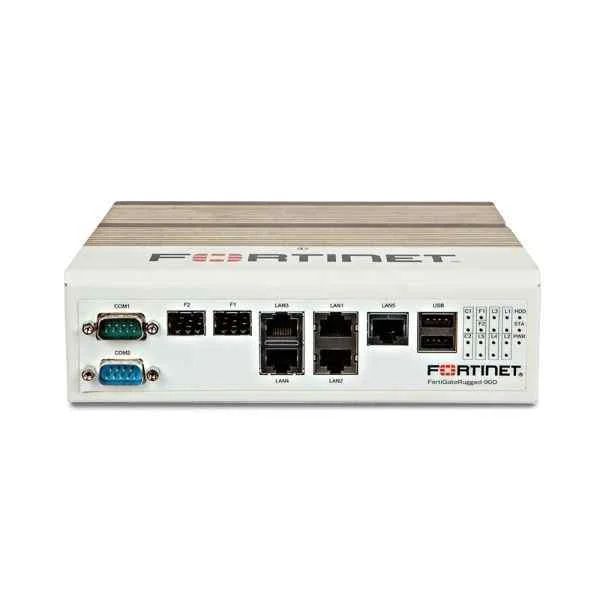
FGR-90D-BDL-950-12 (Fortinet FGR-90D-BDL-950-12 Hardware plus 1 Year 247 FortiCare and FortiGuard UTM Bundle)
4.4 (5)- NGFW
- Fortinet
- Rack-mount
- Enterprise / Branch Office
- VPN / Secure Access / UTM
- Layer 7
- AC Power Supply
Est Value $7,108.50$3,554.25
50% offIn stockRefurbishedFirst-Time Buyer Discount – Get up to 2% additional off on your first order
ORM Rewards Earn $50 in Rewards + Free Expedited Delivery – Join Now!
Use eCoupon ORMSAVE10
eCoupon limited to 5 units
FC-10-0069D-311-02-DD (FortiGateRugged-60D, 8x5 FortiCare Contract)
4.6 (5)- Firewall Appliance
- Fortinet
- Rack-mount
- Enterprise / Branch Office
- VPN / Secure Access / Segmentation / UTM
- Layer 7
- AC Power Supply
Est Value In stockFirst-Time Buyer Discount – Get up to 2% additional off on your first order
ORM Rewards Earn $50 in Rewards + Free Expedited Delivery – Join Now!
Use eCoupon ORMSAVE10
eCoupon limited to 5 units
FC-10-0069D-274-01-DD (FortiGateRugged-60D, 1 Year HW bundle Upgrade to 24x7 from 8x5 FortiCare Contract)
4.4 (5)- Firewall Appliance
- Fortinet
- Rack-mounted
- Enterprise / Branch Office / Data Center
- VPN / Secure Access / UTM
- Layer 3 / Layer 4 / Layer 7
- AC Power Supply
Est Value In stockFirst-Time Buyer Discount – Get up to 2% additional off on your first order
ORM Rewards Earn $50 in Rewards + Free Expedited Delivery – Join Now!
Use eCoupon ORMSAVE10
eCoupon limited to 5 units
FC-10-R035D-112-02-DD (FortiGateRugged-35D, FortiGuard Web Filtering Service)
4.8 (5)- Firewall Appliance
- Fortinet
- Rack-mount
- Enterprise / Branch Office
- VPN / Secure Access / UTM
- Layer 7
- AC Power Supply
Est Value In stockFirst-Time Buyer Discount – Get up to 2% additional off on your first order
ORM Rewards Earn $50 in Rewards + Free Expedited Delivery – Join Now!
Use eCoupon ORMSAVE10
eCoupon limited to 5 units
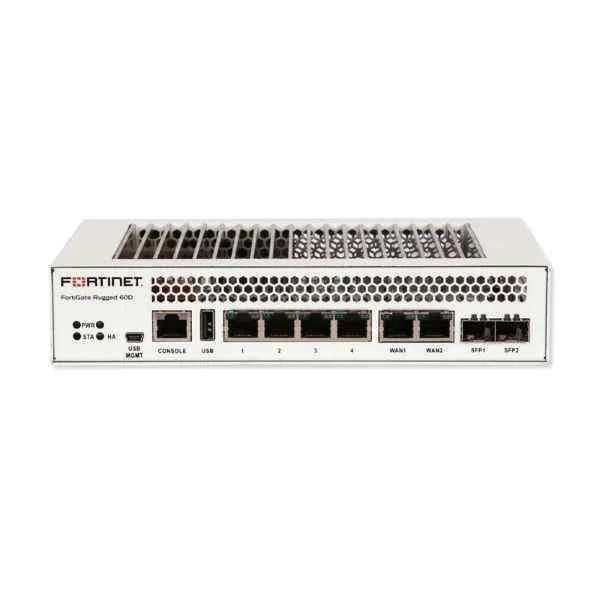
FGR-60D-BDL-950-12 (Fortinet FGR-60D-BDL-950-12 Hardware plus 1 Year 247 FortiCare and FortiGuard UTM Bundle)
5 (5)- Firewall Appliance
- Fortinet
- Rack-mount Hardware Appliance
- Enterprise / Branch Office
- VPN / Secure Access / UTM
- Layer 7
- AC Power Supply
Est Value In stockFirst-Time Buyer Discount – Get up to 2% additional off on your first order
ORM Rewards Earn $50 in Rewards + Free Expedited Delivery – Join Now!
Use eCoupon ORMSAVE10
eCoupon limited to 5 units
FC-10-00095-210-02-DD (FortiGateRugged-90D, Next Day Delivery Premium RMA Service (requires 24x7 support))
4.4 (5)- Firewall Appliance
- Fortinet
- Rack-mount
- Enterprise / Branch Office
- VPN / Secure Access / UTM
- Layer 3 / Layer 4 / Layer 7
- AC Power Supply
Est Value In stockFirst-Time Buyer Discount – Get up to 2% additional off on your first order
ORM Rewards Earn $50 in Rewards + Free Expedited Delivery – Join Now!
Use eCoupon ORMSAVE10
eCoupon limited to 5 units
FC-10-00095-950-02-DD (FortiGateRugged-90D, Unified (UTM) Protection (24x7 FortiCare plus Application Control, IPS, AV, Web Filtering and Antispam, FortiSandbox Cloud))
5 (5)- Firewall Appliance
- Fortinet
- Rack-mount
- Enterprise / Data Center
- VPN / Secure Access / UTM
- Layer 7
- AC Power Supply
Est Value In stockFirst-Time Buyer Discount – Get up to 2% additional off on your first order
ORM Rewards Earn $50 in Rewards + Free Expedited Delivery – Join Now!
Use eCoupon ORMSAVE10
eCoupon limited to 5 units
FC-10-0069D-188-02-DD (FortiGateRugged-60D, FortiAnalyzer Cloud: Base subscription for Cloud-based Events Management & Analytics Service)
4.8 (5)- Firewall Appliance
- Fortinet
- Rack-mount
- Enterprise / Branch Office
- VPN / Secure Access / UTM
- Layer 7
- AC Power Supply
Est Value In stockFirst-Time Buyer Discount – Get up to 2% additional off on your first order
ORM Rewards Earn $50 in Rewards + Free Expedited Delivery – Join Now!
Use eCoupon ORMSAVE10
eCoupon limited to 5 units
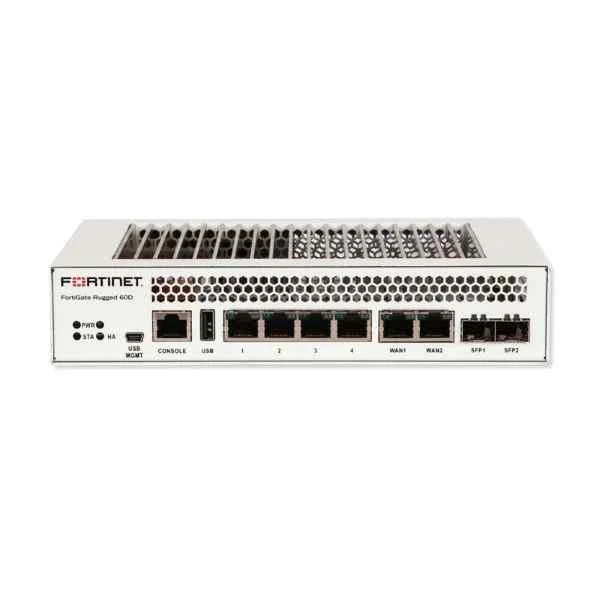
FGR-60D-BDL (FortiGateRugged-60D, Hardware plus 1 Year 8x5 FortiCare and FortiGuard Unified (UTM) Protection)
4.2 (5)- Firewall Appliance
- Fortinet
- Rack-mount
- Enterprise
- VPN / Secure Access / UTM
- Layer 3 / Layer 4 / Layer 7
- AC Power Supply
Est Value In stockFirst-Time Buyer Discount – Get up to 2% additional off on your first order
ORM Rewards Earn $50 in Rewards + Free Expedited Delivery – Join Now!
Use eCoupon ORMSAVE10
eCoupon limited to 5 units
FC-10-R035D-108-02-DD (FortiGateRugged-35D, FortiGuard IPS Service)
4.6 (5)- Firewall Appliance
- Fortinet
- Rack-mount
- Enterprise / Branch Office
- VPN / Secure Access / UTM
- Layer 7
- AC Power Supply
Est Value In stockFirst-Time Buyer Discount – Get up to 2% additional off on your first order
ORM Rewards Earn $50 in Rewards + Free Expedited Delivery – Join Now!
Use eCoupon ORMSAVE10
eCoupon limited to 5 units
FC-10-00095-284-02-DD (FortiGateRugged-90D, ASE FortiCare (24x7 plus Advanced Services Ticket Handling))
4.6 (5)- Firewall Appliance
- Fortinet
- Rack-mount
- Enterprise / Branch Office
- VPN / Secure Access / UTM
- Layer 3 / Layer 4 / Layer 7
- AC Power Supply
Est Value In stockFirst-Time Buyer Discount – Get up to 2% additional off on your first order
ORM Rewards Earn $50 in Rewards + Free Expedited Delivery – Join Now!
Use eCoupon ORMSAVE10
eCoupon limited to 5 units
FC-10-00095-980-02-DD (FortiGateRugged-90D, Enterprise Protection (24x7 FortiCare plus Application Control, IPS, AV, Web Filtering, Antispam, FortiSandbox Cloud, FortiCASB (20 users included), Industrial Security and Security Rating) )
4.6 (5)- Firewall Appliance
- Fortinet
- Rack-mount
- Enterprise
- UTM
- Layer 7
- AC Power Supply
Est Value In stockFirst-Time Buyer Discount – Get up to 2% additional off on your first order
ORM Rewards Earn $50 in Rewards + Free Expedited Delivery – Join Now!
Use eCoupon ORMSAVE10
eCoupon limited to 5 units
FC-10-0069D-179-02-DD (FortiGateRugged-60D, FortiManager Cloud: Cloud-based Central Management & Orchestration Service)
4.6 (5)- Firewall Appliance
- Fortinet
- Rack-mount
- Enterprise / Branch Office
- VPN / Secure Access / Segmentation / UTM
- Layer 7
- AC Power Supply
Est Value In stockFirst-Time Buyer Discount – Get up to 2% additional off on your first order
ORM Rewards Earn $50 in Rewards + Free Expedited Delivery – Join Now!
Use eCoupon ORMSAVE10
eCoupon limited to 5 units
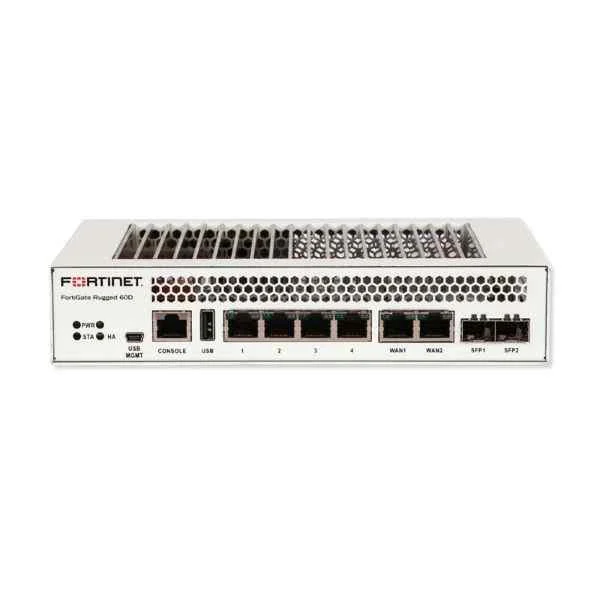
FGR-60D-BDL-900-DD (FortiGateRugged-60D, Hardware plus 8x5 FortiCare and FortiGuard Unified (UTM) Protection)
4.6 (5)- Next-Generation Firewall Appliance
- Fortinet
- Rack-mount
- Enterprise / Branch Office / Data Center
- UTM / VPN / Secure Access
- Layer 7
- AC Power Supply
Est Value In stockFirst-Time Buyer Discount – Get up to 2% additional off on your first order
ORM Rewards Earn $50 in Rewards + Free Expedited Delivery – Join Now!
Use eCoupon ORMSAVE10
eCoupon limited to 5 units

ORM Sales Advisors
Buying for your business? Get a personalised quote in under 2 hours. Talk to an expert
LEARNFilters (42) 
Questions & Answers
What is the Fortinet FortiGate Rugged Series?
The FortiGate Rugged Series is a family of industrial-grade firewalls designed to deliver enterprise-class security and performance in harsh environments such as manufacturing, transportation, energy, and utilities.
Which environmental conditions can FortiGate Rugged devices withstand?
FortiGate Rugged devices operate reliably from –40 °C to 75 °C, tolerate high humidity, shock, vibration and meet IP50/54 ingress protection ratings for dust and water resistance.
What security features are included in the FortiGate Rugged Series?
FortiGate Rugged firewalls deliver next-generation firewall policies, intrusion prevention (IPS), application control, web filtering, antivirus, SSL inspection and secure SD-WAN in a single appliance.
What throughput and performance can I expect from FortiGate Rugged models?
Depending on the model, FortiGate Rugged appliances deliver firewall throughput from 1 Gbps to over 10 Gbps, IPS throughput up to 5 Gbps and support millions of concurrent sessions.
How many FortiGate Rugged models are available and how do I choose?
The Rugged Series includes compact to high-performance models; select based on your required throughput, port density, PoE/PoE+, redundancy features and environmental specifications.
Can FortiGate Rugged integrate with SCADA and industrial control systems?
Yes, FortiGate Rugged seamlessly integrates with SCADA and ICS environments, offering deep packet inspection, protocol anomaly detection and zone-based segmentation to protect critical OT assets.
What high-availability options do FortiGate Rugged firewalls support?
FortiGate Rugged supports active-active and active-passive HA with fast failover, link aggregation, VRRP and session synchronization to ensure continuous network uptime in industrial settings.
How is remote management implemented for FortiGate Rugged devices?
You can centrally manage Rugged Series appliances using FortiManager, FortiCloud or the FortiGate GUI/CLI with secure VPN tunnels, SSH access and automated firmware provisioning.
What licensing options are available for the FortiGate Rugged Series?
Licensing options include FortiGuard security services bundles (Unified Threat Protection, Advanced Threat Protection), FortiCare support and optional SD-WAN, Wi-Fi management or cloud sandboxing add-ons.
How does FortiGate Rugged protect IoT and edge devices?
FortiGate Rugged secures IoT/edge devices via network segmentation, device fingerprinting, anomaly detection and automated threat response to minimize the attack surface in operational networks.
What industry certifications do FortiGate Rugged appliances hold?
FortiGate Rugged appliances are UL-508, IEC 61850-3, IEEE 1613, NEMA TS2 and EN50155 certified, ensuring compliance with industrial, energy and transportation network standards.
How do FortiGate Rugged firewalls minimize operational downtime?
Built for resilience, FortiGate Rugged firewalls feature dual-power inputs, extended temperature tolerance, redundant links and built-in HA to reduce unplanned outages and maintenance windows.
What power-redundancy and PoE options are supported?
Rugged models offer dual DC power inputs (12–48 VDC), optional PoE/PoE+ ports for edge deployments and hot-swap power modules to maintain uninterrupted operation in remote sites.
What warranty and support services are available for FortiGate Rugged?
FortiGate Rugged appliances include a one-year limited hardware warranty, upgradeable FortiCare 24x7 support, advanced replacement and access to firmware updates and FortiGuard threat intelligence.
How do I calculate ROI for deploying FortiGate Rugged in harsh environments?
ROI is derived from reduced downtime, centralized management savings, prevention of OT breaches and extended equipment lifespan; Fortinet’s ROI calculator estimates payback based on these factors.
What deployment scenarios are ideal for the FortiGate Rugged Series?
FortiGate Rugged Series is ideal for industrial campuses, utility substations, railway networks, oil & gas platforms and outdoor telecom sites where environmental extremes and security are paramount.