 United States
Networking Solutions Nexus 3000 Switches
Engineered for high-density environments and optimized for efficient data transmission, the Nexus 3000 series delivers unparalleled performance and reliability to empower your enterprise network infrastructure.
Talk to an expert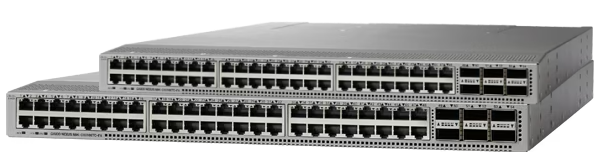
33 Matching results
- BEST SELLING
N3K-C31108PC-V (Nexus 31108PC-V, 48 SFP+ and 6 QSFP28 ports)
4.8 (10)- Switch
- Cisco
- Redundant Power Supply
- Layer 2 / Layer 3
- Rack-mount
- 300 W
- Over 48 Ports
Est Value $2,309.00
$346.50
85% offIn stockNewRefurbishedFirst-Time Buyer Discount – Get up to 2% additional off on your first order
ORM Rewards Earn $50 in Rewards + Free Expedited Delivery – Join Now!
Use eCoupon ORMSAVE10
eCoupon limited to 5 units
- BEST SELLING
N3K-C31128PQ-10GE (Cisco N3K-C31128PQ-10GE Nexus 31128PQ 96-Port 10 Gigabit Switch, 8x40G Uplinks, Base License)
4.4 (5)- N3K-C31128PQ-10GE
- Cisco
- Nexus 31128PQ
- Data Center
- Managed
- NX-OS
- Layer 2+
Est Value $3,009.00$451.50
85% offIn stockNewRefurbishedFirst-Time Buyer Discount – Get up to 2% additional off on your first order
ORM Rewards Earn $50 in Rewards + Free Expedited Delivery – Join Now!
Use eCoupon ORMSAVE10
eCoupon limited to 5 units
- BEST SELLING
N3K-C3172TQ-10GT (Cisco N3K-C3172TQ-10GT Nexus 3172TQ 48-Port 10 Gigabit Ethernet Switch, 6x40G Uplinks)
4.2 (5)- N3K-C3172TQ-10GT
- Cisco
- Nexus 3172TQ
- Data Center
- Managed
- NX-OS
- Layer 2+
Est Value $3,073.00$460.99
85% offIn stockNewRefurbishedFirst-Time Buyer Discount – Get up to 2% additional off on your first order
ORM Rewards Earn $50 in Rewards + Free Expedited Delivery – Join Now!
Use eCoupon ORMSAVE10
eCoupon limited to 5 units
- BEST SELLING
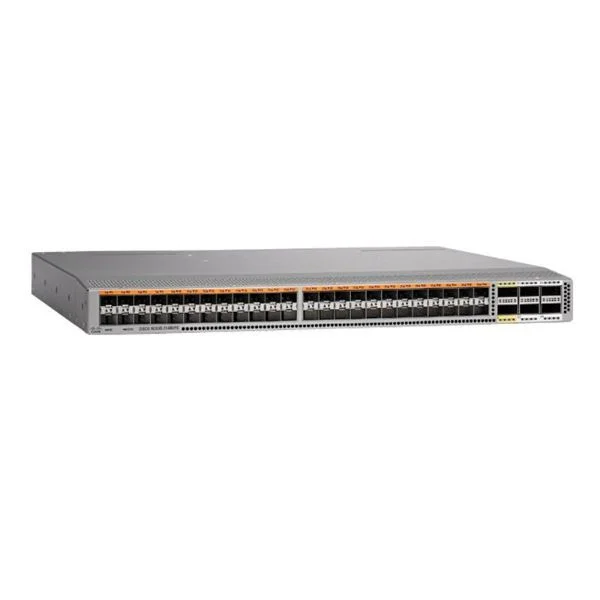
N3K-C3172PQ-10GE (Cisco N3K-C3172PQ-10GE Nexus 3172PQ 48-Port 10 Gigabit SFP+ Switch, 6x40G Uplinks, Base)
4.8 (5)- N3K-C3172PQ-10GE
- Cisco
- Nexus 3172PQ
- Data Center
- Managed
- NX-OS
- Layer 3
Est Value $2,554.00$383.25
85% offIn stockNewRefurbishedFirst-Time Buyer Discount – Get up to 2% additional off on your first order
ORM Rewards Earn $50 in Rewards + Free Expedited Delivery – Join Now!
Use eCoupon ORMSAVE10
eCoupon limited to 5 units
- BEST SELLING
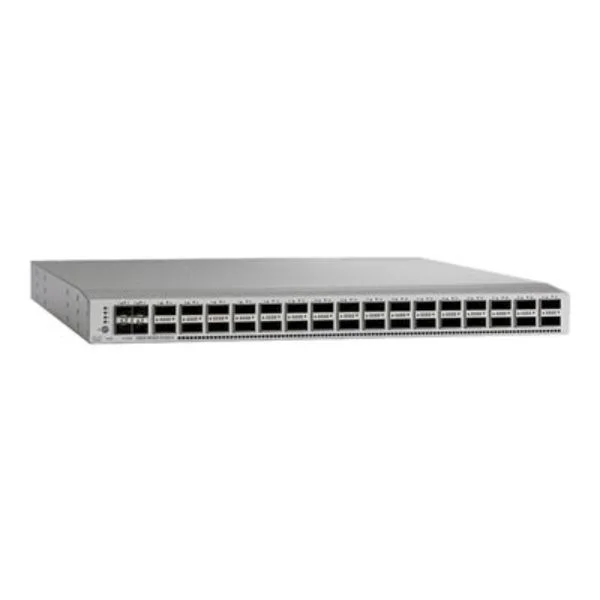
N3K-C3132Q-V (Cisco N3K-C3132Q-V Nexus 3100-V 32-Port 40 Gigabit Switch)
4.2 (5)- N3K-C3132Q-V
- Cisco
- Nexus 3100-V
- Data Center
- Managed
- NX-OS
- Layer 2
Est Value $2,519.00$378.00
85% offIn stockNewRefurbishedFirst-Time Buyer Discount – Get up to 2% additional off on your first order
ORM Rewards Earn $50 in Rewards + Free Expedited Delivery – Join Now!
Use eCoupon ORMSAVE10
eCoupon limited to 5 units
- FEARURED
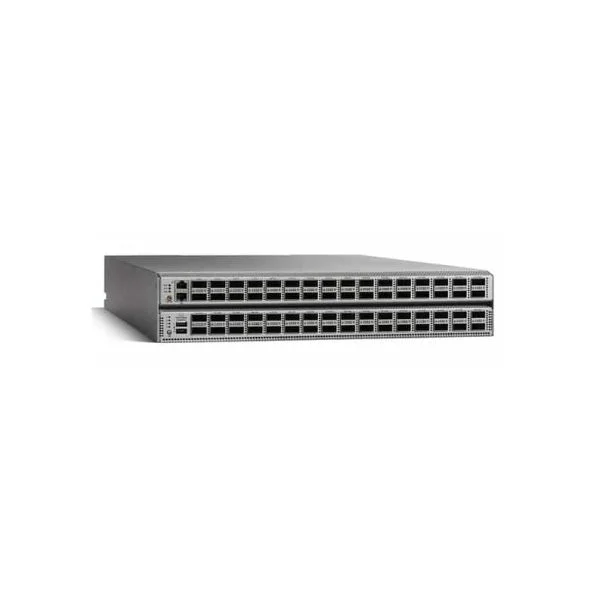
N3K-C3264C-E (Cisco N3K-C3264C-E Nexus 3264C-E 64-Port 100 Gigabit Ethernet Switch, 2x10G SFP+ Ports)
4.8 (5)- N3K-C3264C-E
- Cisco
- Nexus 3264C-E
- Data Center
- Managed
- NX-OS
- Layer 2
Est Value $6,894.00$1,034.25
85% offIn stockNewRefurbishedFirst-Time Buyer Discount – Get up to 2% additional off on your first order
ORM Rewards Earn $50 in Rewards + Free Expedited Delivery – Join Now!
Use eCoupon ORMSAVE10
eCoupon limited to 5 units
- FEARURED
N3K-C31108TC-V (Nexus 31108TC-V, 48 10Gbase-T RJ-45 and 6 QSFP28 ports)
4.6 (10)- Switch
- Cisco
- Redundant Power Supply
- Layer 2 / Layer 3
- Rack-mount
- 370 W
- 24–48 Ports
Est Value $3,811.00$571.73
85% offIn stockNewRefurbishedFirst-Time Buyer Discount – Get up to 2% additional off on your first order
ORM Rewards Earn $50 in Rewards + Free Expedited Delivery – Join Now!
Use eCoupon ORMSAVE10
eCoupon limited to 5 units
- FEARURED
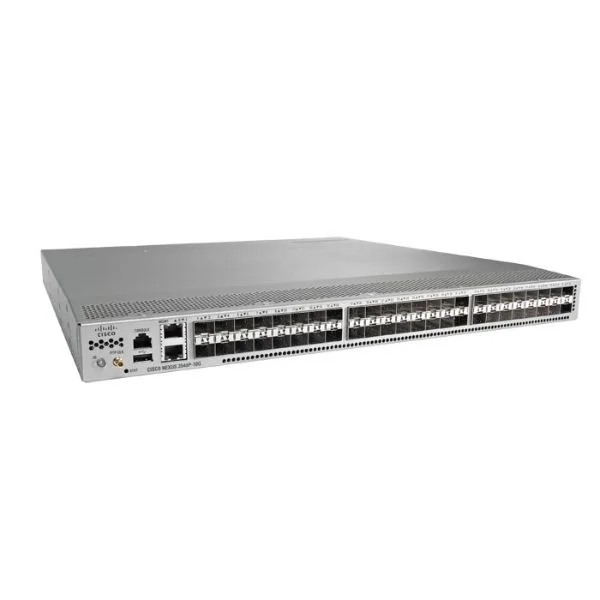
N3K-C3548P-10GX (Cisco N3K-C3548P-10GX Nexus 3548-X 48-Port 10 Gigabit Switch, 48x1/10G SFP+, NX-OS)
4.6 (5)- N3K-C3548P-10GX
- Cisco
- Nexus 3548-X
- Data Center
- Managed
- NX-OS
- Layer 3
Est Value $2,169.00$325.50
85% offIn stockNewRefurbishedFirst-Time Buyer Discount – Get up to 2% additional off on your first order
ORM Rewards Earn $50 in Rewards + Free Expedited Delivery – Join Now!
Use eCoupon ORMSAVE10
eCoupon limited to 5 units
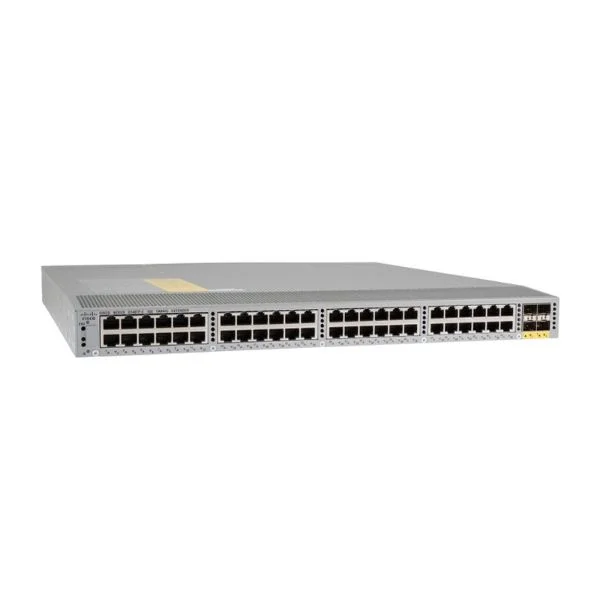
N3K-C3048TP-1GE (Cisco Nexus 3048 Top-of-Rack Switch, 48x 1G RJ-45, 4x 10G SFP+ Uplinks, 1RU)
4.8 (5)- Network Switch
- N3K-C3048TP-1GE
- Cisco
- Cisco Nexus 3048
- Data Center
- Managed
- Cisco NX-OS
Est Value $944.00$141.75
85% offIn stockNewRefurbishedFirst-Time Buyer Discount – Get up to 2% additional off on your first order
ORM Rewards Earn $50 in Rewards + Free Expedited Delivery – Join Now!
Use eCoupon ORMSAVE10
eCoupon limited to 5 units
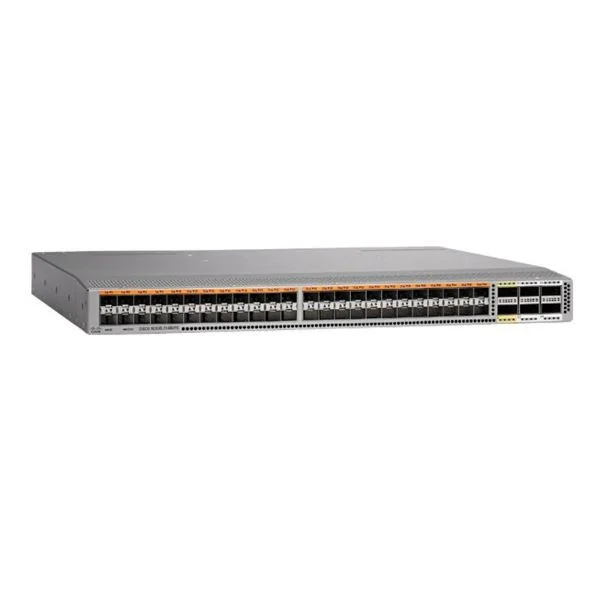
N3K-C3172PQ-XL (Cisco N3K-C3172PQ-XL Nexus 3172PQ-XL 48-Port 10 Gigabit Ethernet Switch, 6x40G QSFP+ Uplinks, Base License)
4.8 (5)- N3K-C3172PQ-XL
- Cisco
- Nexus 3172PQ-XL
- Data Center
- Managed
- NX-OS
- Layer 3
Est Value $2,127.00$319.20
85% offIn stockNewRefurbishedFirst-Time Buyer Discount – Get up to 2% additional off on your first order
ORM Rewards Earn $50 in Rewards + Free Expedited Delivery – Join Now!
Use eCoupon ORMSAVE10
eCoupon limited to 5 units
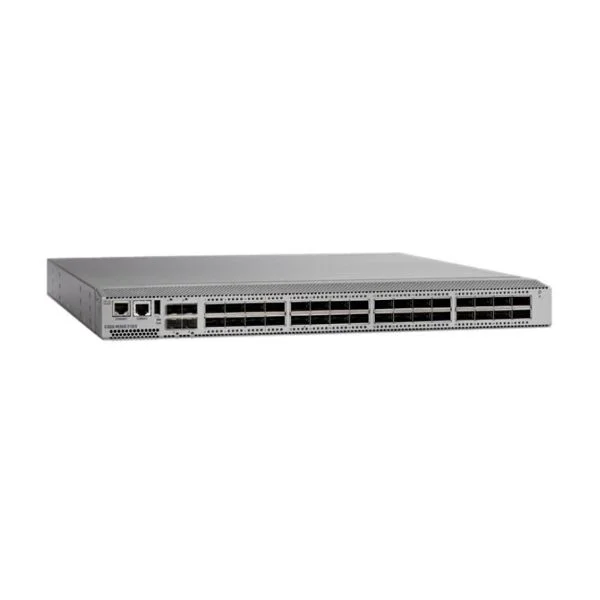
N3K-C3132Q-40GE (Nexus 3132Q 32 x QSFP+ and 4 SFP+ ports)
4.6 (5)- Switch
- Cisco
- AC Power Supply
- Layer 2 / Layer 3
- Rack-mount
- 24–48 Ports
Est Value $454.00$68.25
85% offIn stockNewRefurbishedFirst-Time Buyer Discount – Get up to 2% additional off on your first order
ORM Rewards Earn $50 in Rewards + Free Expedited Delivery – Join Now!
Use eCoupon ORMSAVE10
eCoupon limited to 5 units
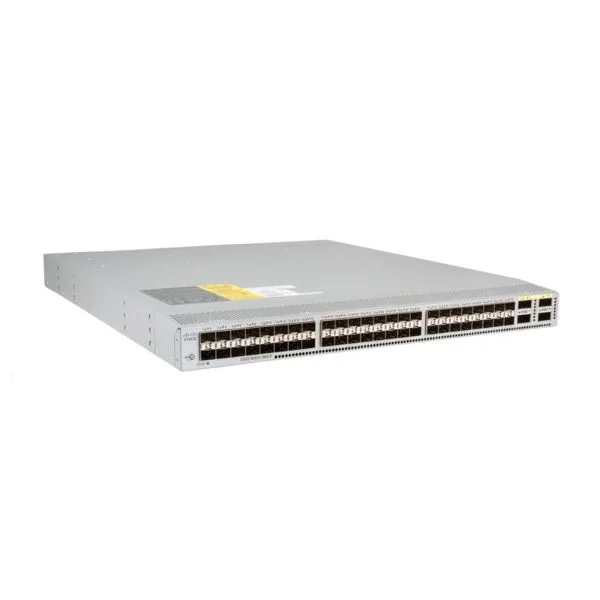
N3K-C3064PQ-10GX (Cisco Nexus 3064-X 10G Switch, 48x SFP+ Ports, 4x QSFP+ Ports, Low Latency)
4.6 (5)- Network Switch
- N3K-C3064PQ-10GX
- Cisco
- Cisco Nexus 3064
- Data Center
- Managed
- Cisco NX-OS with N3K-BAS1K9 Base License
Est Value $2,442.00$366.45
85% offIn stockNewRefurbishedFirst-Time Buyer Discount – Get up to 2% additional off on your first order
ORM Rewards Earn $50 in Rewards + Free Expedited Delivery – Join Now!
Use eCoupon ORMSAVE10
eCoupon limited to 5 units
N3K-C3172TQ-32T (Cisco N3K-C3172TQ-32T Nexus 3172TQ 32-Port 10 Gigabit Switch, 6x40G Uplinks, Base License)
4.6 (5)- N3K-C3172TQ-32T
- Cisco
- Nexus 3172TQ
- Data Center
- Managed
- NX-OS
- Layer 3
Est Value $20,001.00$6,053.25
69.7% offIn stockNewRefurbishedFirst-Time Buyer Discount – Get up to 2% additional off on your first order
ORM Rewards Earn $50 in Rewards + Free Expedited Delivery – Join Now!
Use eCoupon ORMSAVE10
eCoupon limited to 5 units
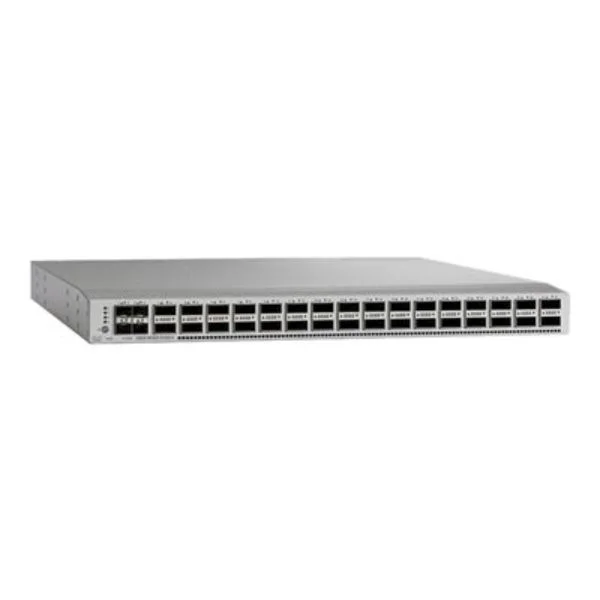
N3K-C3132Q-40GX (Cisco Nexus 3132Q-X, 32 QSFP+ ports, low power, latency)
4.6 (5)- Switch
- Cisco
- Redundant Power Supply / AC Power Supply / N/A
- Layer 2 / Layer 3
- Rack-mount
- 24–48 Ports
Est Value $1,224.00$183.75
85% offIn stockNewRefurbishedFirst-Time Buyer Discount – Get up to 2% additional off on your first order
ORM Rewards Earn $50 in Rewards + Free Expedited Delivery – Join Now!
Use eCoupon ORMSAVE10
eCoupon limited to 5 units
N3K-C3172TQ-XL (Cisco N3K-C3172TQ-XL Nexus 3172TQ-XL 48-Port 10 Gigabit Switch, 6x40G Uplinks, Base License)
4.8 (5)- N3K-C3172TQ-XL
- Cisco
- Nexus 3172TQ-XL
- Data Center
- Managed
- NX-OS
- Layer 3
Est Value $6,558.00$983.85
85% offIn stockNewRefurbishedFirst-Time Buyer Discount – Get up to 2% additional off on your first order
ORM Rewards Earn $50 in Rewards + Free Expedited Delivery – Join Now!
Use eCoupon ORMSAVE10
eCoupon limited to 5 units
N3K-C3064TQ-10GT (Nexus 3064-T, 48 10GBase-T and 4 QSFP+ ports)
4.4 (5)- Switch
- Cisco
- Redundant Power Supply / AC Power Supply
- Layer 2 / Layer 3
- Rack-mount
- 250W
- Over 48 Ports
Est Value $3,184.00$477.73
85% offIn stockNewRefurbishedFirst-Time Buyer Discount – Get up to 2% additional off on your first order
ORM Rewards Earn $50 in Rewards + Free Expedited Delivery – Join Now!
Use eCoupon ORMSAVE10
eCoupon limited to 5 units
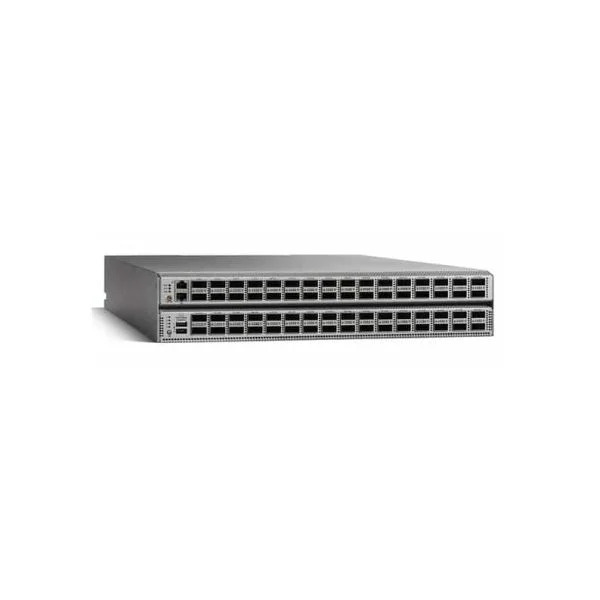
N3K-C3264Q (Nexus 3264Q, 64 QSFP+ ports, 2RU switch)
4.6 (10)- Switch
- Cisco
- Redundant Power Supply
- Layer 2 / Layer 3
- Rack-mount
- 350W
- Over 48 Ports
Est Value $9,216.00$1,382.54
85% offIn stockNewRefurbishedFirst-Time Buyer Discount – Get up to 2% additional off on your first order
ORM Rewards Earn $50 in Rewards + Free Expedited Delivery – Join Now!
Use eCoupon ORMSAVE10
eCoupon limited to 5 units
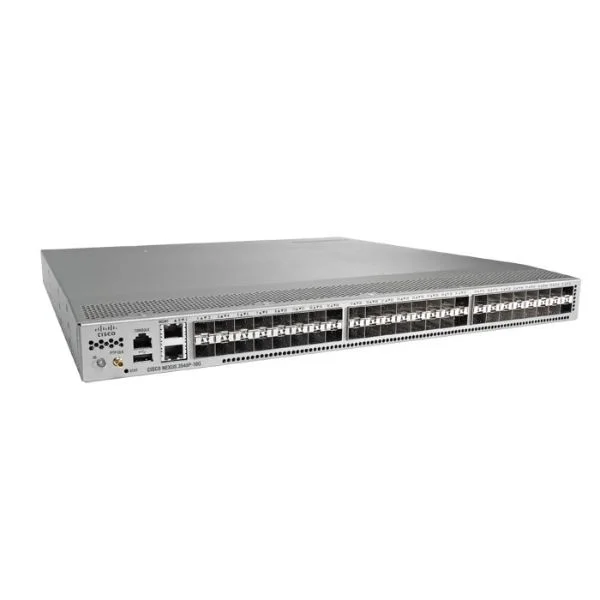
N3K-C3524P-10GX (Cisco N3K-C3524P-10GX Nexus 3524-X 24-Port 10 Gigabit Switch, 24x10G Fixed SFP+ Ports)
4.4 (5)- N3K-C3524P-10GX
- Cisco
- Nexus 3524-X
- Data Center
- Managed
- NX-OS
- Layer 2
Est Value $4,573.00$686.07
85% offIn stockNewRefurbishedFirst-Time Buyer Discount – Get up to 2% additional off on your first order
ORM Rewards Earn $50 in Rewards + Free Expedited Delivery – Join Now!
Use eCoupon ORMSAVE10
eCoupon limited to 5 units
N3K-C31108TCV-32T (Nexus 31108TCV-32T, 32 10GBase-T RJ-45 and 6 QSFP28 ports)
4.8 (10)- Switch
- Cisco
- Redundant Power Supply / AC Power Supply
- Layer 2 / Layer 3
- Rack-mount
- 175W
- 24–48 Ports
Est Value $23,922.00$11,896.50
50.3% offIn stockNewFirst-Time Buyer Discount – Get up to 2% additional off on your first order
ORM Rewards Earn $50 in Rewards + Free Expedited Delivery – Join Now!
Use eCoupon ORMSAVE10
eCoupon limited to 5 units
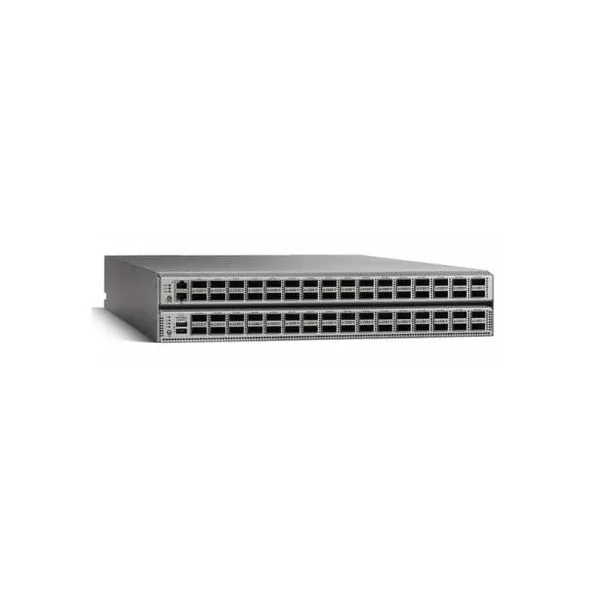
N3K-C3164Q-40GE (Cisco N3K-C3164Q-40GE Nexus 3164Q 64-Port 40 Gigabit Ethernet Switch)
4.9 (10)- N3K-C3164Q-40GE
- Cisco
- Nexus 3164Q
- Data Center
- Managed
- NX-OS
- Layer 2+
Est Value $1,469.00$220.50
85% offIn stockNewRefurbishedFirst-Time Buyer Discount – Get up to 2% additional off on your first order
ORM Rewards Earn $50 in Rewards + Free Expedited Delivery – Join Now!
Use eCoupon ORMSAVE10
eCoupon limited to 5 units

ORM Sales Advisors
Buying for your business? Get a personalised quote in under 2 hours. Talk to an expert
LEARNFilters (33) 
Questions & Answers
What are Cisco Nexus 3000 Switches?
Cisco Nexus 3000 Switches are fixed-configuration, low-latency, high-density Ethernet switches designed for data center and high-performance computing environments.
Which use cases are ideal for Nexus 3000 Switches?
They excel in leaf/spine topologies, low-latency trading, HPC clusters, virtualization pods and AI/ML workloads requiring wire-speed performance.
What key features do Nexus 3000 Switches offer?
They provide sub-microsecond latency, up to 100 Gbps ports, NX-OS programmability, advanced buffering and integrated analytics with Cisco Telemetry.
How does Nexus 3000 support programmability?
Nexus 3000 runs Cisco NX-OS with full RESTCONF, gRPC, Python and Ansible support for automated deployment, telemetry and configuration management.
Can Nexus 3000 Switches handle VXLAN overlays?
Yes. Nexus 3000 Switches support VXLAN routing (Layer 3), BGP EVPN control plane, and hardware-offloaded VXLAN encapsulation for scalable overlays.
What high-availability features are included?
They support vPC dual-active detection, ISSU, BFD, LLDP, and dynamic port channels for uninterrupted traffic during maintenance or link failures.
Do Nexus 3000 Switches integrate with Cisco ACI?
Yes. Nexus 3000 Switches can be deployed as leaf nodes within Cisco ACI fabrics or managed natively via NX-OS for hybrid data centers.
How many models are in the Nexus 3000 Series?
The series includes S3048-32, N3K-C3172PQ, N3K-C3064PQ, N3K-C3132T-Q and other 1/10/25/40/100 Gbps variants to match diverse bandwidth needs.
What are the power and cooling considerations?
Nexus 3000 Switches feature front-to-back airflow, redundant hot-swappable power supplies, and low-power ASICs to optimize data center cooling and energy use.
How is QoS implemented on Nexus 3000?
They provide eight hardware queues per port, strict priority queuing, Weighted Tail Drop, and congestion-notification (ECN/RED) for traffic prioritization.
What security features do Nexus 3000 Switches support?
They include port-based IEEE 802.1X, DHCP snooping, dynamic ARP inspection, ACLs, MACsec on supported models and NX-OS Trust Sec integration.
How do I perform a firmware upgrade?
Use NX-OS ‘install all’ command with USB or remote image server. Nexus 3000 supports In-Service Software Upgrade (ISSU) for minimal downtime.
What performance can I expect from Nexus 3000?
Nexus 3000 delivers line-rate throughput, sub-microsecond latency, up to 5 Tbps switching capacity and forwarding rates exceeding 7.4 billion packets per second.
How do I configure a basic Layer 3 interface?
Enter interface configuration mode, assign an IP address with ‘ip address X.X.X.X/XX’, enable it with ‘no shutdown’ and verify via ‘show ip int brief’.
What support and warranty options are available?
Cisco offers limited lifetime hardware warranty, Smart Net Total Care and Cisco Software Support Service for 24×7 TAC access, RMA and OS upgrades.
How can I monitor switch health and performance?
Use built-in telemetry with streaming (gRPC, NETCONF), SNMP, SYSLOG, SPAN and embedded Event Manager (EEM) scripts for real-time metrics and alerts.
What distinguishes Nexus 3000 from Nexus 5000 Series?
Nexus 3000 focuses on fixed low-latency, high-density Ethernet only, while Nexus 5000 adds Fibre Channel-over-Ethernet, FCoE VN-tag and enhanced SAN features.