 United States
Compatible SFP Transceivers for Enterprise Networking
Discover a complete range of compatible SFP transceivers designed for seamless integration with Cisco, HPE, Fortinet, Aruba, and more—ensuring cost efficiency, reliability, and high-performance networking.
Talk to an expert
Cisco Compatibles
(640)Cisco compatible transceivers match IOS and Nexus port coding for branch routers, Catalyst access switches, and data center fabrics
Hpe Compatibles
(213)HPE compatible transceivers match Aruba, ProCurve, blade, and storage port coding for campus LAN and SAN replacement cycles
Dell Compatibles
(142)Dell compatible transceivers cover Networking, PowerConnect, SonicWall, and storage platforms with Ethernet optics for campus and data center refreshes
Juniper Compatibles
(352)Juniper compatible transceivers match EX, QFX, MX, SRX, and legacy port coding for campus, data center, and WAN deployments
Brocade Compatibles
(210)Brocade compatible transceivers support SAN, Fibre Channel, and Ethernet switching platforms for storage fabrics and campus aggregation layers
Avaya Compatibles
(183)Avaya compatible transceivers match Ethernet switch port coding for campus voice networks, branch LAN closets, and aggregation layers
Netapp Compatibles
(18)NetApp compatible transceivers support Ethernet, Fibre Channel, and cluster interconnect ports for ONTAP storage environments and backup fabrics
Nokia Compatibles
(19)Nokia compatible transceivers support IP routing and optical access platforms with Ethernet optics for metro and service provider networks
Ubiquiti Compatibles
(12)Ubiquiti compatible transceivers support UniFi and EdgeSwitch port coding for branch LAN closets and building fiber run projects
1789 Matching results
- BEST SELLING
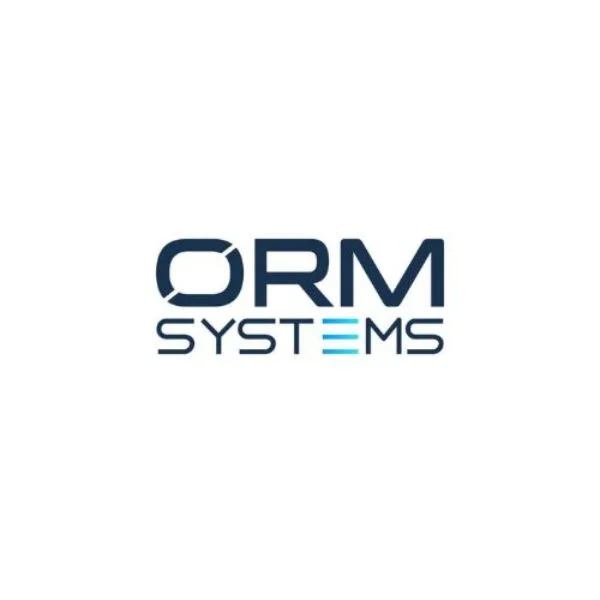
E1MG-LX-C (1000Base-LX SFP, SMF, LC Brocade Compatible)
4.4 (5)- Transceiver
- Orm
- SFP
- 1G
- LC
- 1310 nm
- Long-Range
Est Value $293.68
$146.84
50% offIn stockRefurbishedFirst-Time Buyer Discount – Get up to 2% additional off on your first order
ORM Rewards Earn $50 in Rewards + Free Expedited Delivery – Join Now!
Use eCoupon ORMSAVE10
eCoupon limited to 5 units
- BEST SELLING
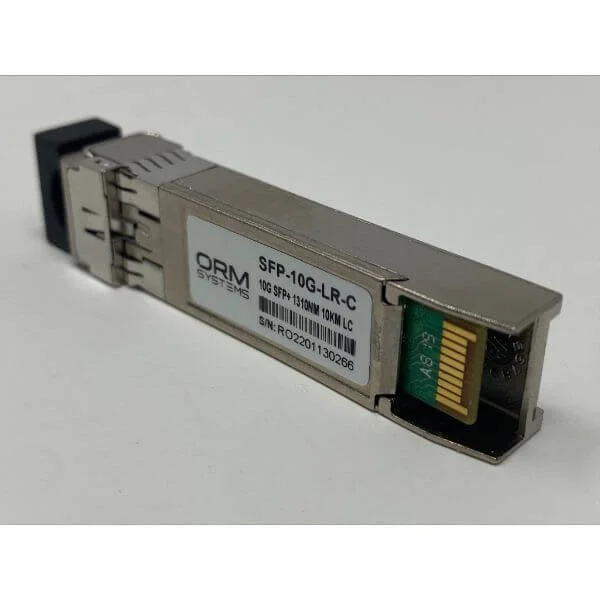
SFP-10G-LR-C (10GBASE-LR SFP+ Module SMF Cisco Compatible)
4.6 (5)- Transceiver
- Orm
- SFP
- 10G
- LC
- 1310 nm
- Long-Range
Est Value $427.64$213.82
50% offIn stockRefurbishedFirst-Time Buyer Discount – Get up to 2% additional off on your first order
ORM Rewards Earn $50 in Rewards + Free Expedited Delivery – Join Now!
Use eCoupon ORMSAVE10
eCoupon limited to 5 units
XBR-000153-C (8G LWL SFP - 10KM (1 Pack) Brocade Compatible)
4.6 (5)- Transceiver
- Orm
- SFP+
- 10G
- LC
- 1310 nm
- Short-Range
Est Value $137.40$117.30
14.6% offIn stockRefurbishedFirst-Time Buyer Discount – Get up to 2% additional off on your first order
ORM Rewards Earn $50 in Rewards + Free Expedited Delivery – Join Now!
Use eCoupon ORMSAVE10
eCoupon limited to 5 units
GLC-ZX-SM-C (GE SFP LC connector ZX transceiver Cisco Compatible)
4.8 (8)- Transceiver
- Orm
- SFP
- 1G
- LC
- 1310 nm
- Long-Range
Est Value $256.28$128.14
50% offIn stockRefurbishedFirst-Time Buyer Discount – Get up to 2% additional off on your first order
ORM Rewards Earn $50 in Rewards + Free Expedited Delivery – Join Now!
Use eCoupon ORMSAVE10
eCoupon limited to 5 units
XENPAK-10GB-LR-C (10GBase-LR XENPAK Module Cisco Compatible )
4.8 (6)- Transceiver
- Orm
- XENPAK
- 10G
- LC
- 1310 nm
- Long-Range
Est Value $290.46$145.23
50% offIn stockRefurbishedFirst-Time Buyer Discount – Get up to 2% additional off on your first order
ORM Rewards Earn $50 in Rewards + Free Expedited Delivery – Join Now!
Use eCoupon ORMSAVE10
eCoupon limited to 5 units
XFP-10GE-LR-C (10 Gigabit Ethernet XFP Transceiver 10KM SM Juniper Compatible)
4.9 (7)- Transceiver
- Orm
- XFP
- 10G
- LC
- 1310 nm
- Long-Range
Est Value $195.99$167.31
14.6% offIn stockRefurbishedFirst-Time Buyer Discount – Get up to 2% additional off on your first order
ORM Rewards Earn $50 in Rewards + Free Expedited Delivery – Join Now!
Use eCoupon ORMSAVE10
eCoupon limited to 5 units
XFP-10GE-SR-C (10 Gigabit Ethernet XFP Transceiver Short Reach MM Juniper Compatible)
4.7 (7)- Transceiver
- Orm
- XFP
- 10G
- LC
- 850 nm
- Short-Range
Est Value $581.27$496.21
14.6% offIn stockRefurbishedFirst-Time Buyer Discount – Get up to 2% additional off on your first order
ORM Rewards Earn $50 in Rewards + Free Expedited Delivery – Join Now!
Use eCoupon ORMSAVE10
eCoupon limited to 5 units
XFP-10GER-OC192IR-C (Multirate XFP 10GBASE-ER & OC-192/STM-64 IR-2 Cisco Compatible)
4.7 (6)- Transceiver
- Orm
- XFP
- 10G
- LC
- 1310nm
- Intermediate-Range
Est Value $587.07$501.15
14.6% offIn stockRefurbishedFirst-Time Buyer Discount – Get up to 2% additional off on your first order
ORM Rewards Earn $50 in Rewards + Free Expedited Delivery – Join Now!
Use eCoupon ORMSAVE10
eCoupon limited to 5 units
XFP-10GZR-OC192LR-C (Multirate XFP 10GBASE-ZR & OC-192/STM-64 LR2 Cisco Compatible )
4.7 (6)- Transceiver
- Orm
- XFP
- 10G
- LC
- 1310 nm
- Long-Range
Est Value $913.21$779.57
14.6% offIn stockRefurbishedFirst-Time Buyer Discount – Get up to 2% additional off on your first order
ORM Rewards Earn $50 in Rewards + Free Expedited Delivery – Join Now!
Use eCoupon ORMSAVE10
eCoupon limited to 5 units
SFP-10G-LRM-C (SFP+ 10G MMF 220M AND SMF 300M STD TEMP 5-85 DEG C DUPLEX LC)
4.4 (5)- Transceiver
- Orm
- SFP
- 10G
- LC Duplex
- 1310 nm
- Long-Range
Est Value $1,140.75$236.54
79.3% offIn stockNewRefurbishedFirst-Time Buyer Discount – Get up to 2% additional off on your first order
ORM Rewards Earn $50 in Rewards + Free Expedited Delivery – Join Now!
Use eCoupon ORMSAVE10
eCoupon limited to 5 units
- BEST SELLING
SFP-10G-ER-C (10GBASE-ER SFP+ Module SMF Cisco Compatible)
5 (5)- Transceiver
- Orm
- SFP
- 10G
- LC
- 1310 nm
- Extended-Range
Est Value In stockFirst-Time Buyer Discount – Get up to 2% additional off on your first order
ORM Rewards Earn $50 in Rewards + Free Expedited Delivery – Join Now!
Use eCoupon ORMSAVE10
eCoupon limited to 5 units
- BEST SELLING
SFP-10G-SR-S-C (10GBASE-SR SFP+ Module MMF Cisco Compatible)
5 (5)- Transceiver
- Orm
- SFP+
- 10G
- LC
- 850 nm
- Short-Range
Est Value In stockFirst-Time Buyer Discount – Get up to 2% additional off on your first order
ORM Rewards Earn $50 in Rewards + Free Expedited Delivery – Join Now!
Use eCoupon ORMSAVE10
eCoupon limited to 5 units
- BEST SELLING
QSFP-40G-SR4-C (40GBase-SR4 QSFP+ MMF Module Cisco Compatible)
4.6 (5)- Transceiver
- Orm
- QSFP
- 40G
- MPO
- 850nm
- Short-Range
Est Value In stockFirst-Time Buyer Discount – Get up to 2% additional off on your first order
ORM Rewards Earn $50 in Rewards + Free Expedited Delivery – Join Now!
Use eCoupon ORMSAVE10
eCoupon limited to 5 units
- BEST SELLING
QSFP-100G-LR4-S-C (100GBASE-LR4 QSFP Transceiver LC 10km Cisco Compatible)
5 (5)- Transceiver
- Orm
- QSFP28
- 100G
- LC Duplex
- 1310 nm
- Long-Range
Est Value In stockFirst-Time Buyer Discount – Get up to 2% additional off on your first order
ORM Rewards Earn $50 in Rewards + Free Expedited Delivery – Join Now!
Use eCoupon ORMSAVE10
eCoupon limited to 5 units
- BEST SELLING
J4858A-C (Gigabit-SX-LC Mini-GBIC A Ver. HP Procurve Compatible)
4.8 (6)- Transceiver
- Orm
- SFP+
- 10G
- LC
- 850 nm
- Short-Range
Est Value In stockFirst-Time Buyer Discount – Get up to 2% additional off on your first order
ORM Rewards Earn $50 in Rewards + Free Expedited Delivery – Join Now!
Use eCoupon ORMSAVE10
eCoupon limited to 5 units
- BEST SELLING
J4859A-C (Gigabit-LX-LC Mini-GBIC A Ver. HP Procurve Compatible)
4.3 (6)- Transceiver
- Orm
- SFP+
- 10G
- LC
- 850 nm
- Short-Range
Est Value In stockFirst-Time Buyer Discount – Get up to 2% additional off on your first order
ORM Rewards Earn $50 in Rewards + Free Expedited Delivery – Join Now!
Use eCoupon ORMSAVE10
eCoupon limited to 5 units
- BEST SELLING
J4859B-C (Gigabit-LX-LC Mini-GBIC B Ver. HP Procurve Compatible)
4.7 (6)- Transceiver
- Orm
- SFP+
- 10G
- LC
- 1310 nm
- Long-Range
Est Value In stockFirst-Time Buyer Discount – Get up to 2% additional off on your first order
ORM Rewards Earn $50 in Rewards + Free Expedited Delivery – Join Now!
Use eCoupon ORMSAVE10
eCoupon limited to 5 units
- BEST SELLING
J4860B-C (Gigabit-LH-LC Mini-GBIC B Ver. HP Procurve Compatible)
4.8 (6)- Transceiver
- Orm
- SFP+
- 10G
- LC
- 850 nm
- Short-Range
Est Value In stockFirst-Time Buyer Discount – Get up to 2% additional off on your first order
ORM Rewards Earn $50 in Rewards + Free Expedited Delivery – Join Now!
Use eCoupon ORMSAVE10
eCoupon limited to 5 units
- BEST SELLING
J8177B-C (Gigabit 1000Base-T Mini-GBIC B Ver. HP Procurve Compatible)
4.8 (6)- Transceiver
- Orm
- QSFP
- 100G
- LC
- 1310 nm
- Short-Range
Est Value In stockFirst-Time Buyer Discount – Get up to 2% additional off on your first order
ORM Rewards Earn $50 in Rewards + Free Expedited Delivery – Join Now!
Use eCoupon ORMSAVE10
eCoupon limited to 5 units
- BEST SELLING
331-5272-C (LX GbE SFP Optics Module, LC Connector Dell Networking Compatible)
4.8 (6)- Transceiver
- Orm
- SFP+
- 10G
- LC
- 850 nm
- Short-Range
Est Value In stockFirst-Time Buyer Discount – Get up to 2% additional off on your first order
ORM Rewards Earn $50 in Rewards + Free Expedited Delivery – Join Now!
Use eCoupon ORMSAVE10
eCoupon limited to 5 units

ORM Sales Advisors
Buying for your business? Get a personalised quote in under 2 hours. Talk to an expert
LEARNFilters (1789) 
Questions & Answers
What is a Compatible SFP Transceiver?
A Compatible SFP Transceiver is a third-party fiber or copper module designed to match OEM specifications, offering plug-and-play connectivity for network switches and routers at reduced cost.
How do Compatible SFP Transceivers differ from OEM modules?
Compatible SFP Transceivers meet the same form factor and industry standards as OEM modules but are manufactured by third-party vendors, delivering equivalent performance at a lower price point.
Are Compatible SFP Transceivers reliable and high-quality?
Yes. Compatible SFP Transceivers undergo rigorous testing for bit error rate, optical power, and environmental tolerance, ensuring reliable performance comparable to brand-name modules.
Which network switches and routers support Compatible SFP Transceivers?
Most major brands—such as Cisco, Juniper, HPE, Arista and Dell—support Compatible SFP Transceivers, provided the vendor lists explicit compatibility for each platform and firmware version.
How do I select the right Compatible SFP Transceiver for my network?
Identify your required data rate, wavelength, fiber type (singlemode or multimode) and distance. Then choose a transceiver that matches those specifications and vendor-tested compatibility.
What data rates and optical distances can Compatible SFP Transceivers support?
Compatible SFP Transceivers support data rates from 100 Mbps up to 10 Gbps (and beyond) and link distances from 100 meters on multimode fiber to 80 km on singlemode fiber.
Do Compatible SFP Transceivers support both multimode and singlemode fiber?
Yes. Compatible SFP Transceivers are available in both multimode (850 nm) and singlemode (1310 nm, 1550 nm) variants to accommodate short-haul and long-haul applications.
Are Compatible SFP Transceivers hot-swappable?
Yes. Compatible SFP Transceivers conform to hot-swap standards, allowing you to replace or install modules without powering down your network equipment.
How do I install a Compatible SFP Transceiver?
Power down the port if required by your device, insert the Compatible SFP Transceiver into the SFP cage until it clicks, then re-establish link on the switch or router.
How do I verify compatibility with my existing network equipment?
Check the transceiver vendor’s compatibility matrix against your switch or router model and firmware version, then confirm link status and diagnostics in your network management interface.
What warranty and return policy do Compatible SFP Transceivers include?
Most vendors offer a lifetime or multi-year warranty, along with a no-questions-asked return policy within 30 to 90 days of purchase for defective or incompatible modules.
How does using Compatible SFP Transceivers reduce network costs?
Compatible SFP Transceivers cost up to 70% less than OEM modules while delivering equivalent performance, enabling significant savings on upgrades and large-scale deployments.
Can Compatible SFP Transceivers be used for CWDM or DWDM applications?
Yes. Specialized Compatible SFP Transceivers are available for CWDM and DWDM, supporting multiple wavelengths and channel spacing to maximize fiber capacity.
What temperature ranges can Compatible SFP Transceivers operate in?
Standard Compatible SFP Transceivers operate from 0 °C to 70 °C, while industrial models extend from –40 °C to 85 °C for harsh-environment applications.
How can I ensure optimal performance and signal integrity?
Use high-quality fiber patch cords, maintain proper connector cleaning, and monitor transceiver diagnostics—such as optical power and temperature—via your switch’s management interface.
What testing and certification standards do Compatible SFP Transceivers meet?
Compatible SFP Transceivers comply with IEEE, MSA, and RoHS standards, and undergo factory testing for BER, eye-pattern, and environmental stress to ensure interoperability and safety.
Types of Compatible OEM SFP Transceivers
Cisco Compatible SFP Transceivers
Cisco networks demand broad SFP compatibility across Gigabit Ethernet, 10G, 25G, and even 100G links. Buyers typically look for modules that support DOM (Digital Optical Monitoring), work with both multi-mode and single-mode optics, and remain backward compatible with Cisco Catalyst and Nexus platforms. For validated models, Cisco provides an Optics Compatibility Matrix that helps businesses match the right transceiver to their switch or router.
HPE Compatible SFP Transceivers
When it comes to HPE, compatible SFPs are commonly used with ProCurve, Aruba, and FlexFabric switches where enterprise stability and long-term support matter most. The focus is usually on hot-swappable Gigabit and 10G optics, energy efficiency, and copper/fiber flexibility. To confirm exact models, HPE lists supported optics in its Transceivers and Cables documentation, ensuring seamless deployment across both ProLiant and Aruba ecosystems.
Fortinet Compatible SFP Transceivers
Fortinet’s FortiGate firewalls and FortiSwitch platforms require compatible SFPs optimized for secure, low-latency networking. Businesses often seek 1G and 10G modules that can handle encryption-heavy workloads under FortiOS, while supporting fiber type, wavelength, and distance requirements. Fortinet maintains a detailed Transceivers Datasheet that lists officially tested optics for use in security-sensitive environments.
Brocade Compatible SFP Transceivers
Brocade (now part of Broadcom) SFP compatibility is most critical for SAN and data center switching environments. Buyers typically look for optics optimized for Fibre Channel (8G, 16G, 32G) and long-haul connections used in storage networking. Broadcom maintains an updated Brocade Transceivers Guide that lists approved models, ensuring compatibility across Brocade switches and directors.
Alcatel Compatible SFP Transceivers
Alcatel-Lucent Enterprise (ALE) environments require SFPs that align with OmniSwitch and OmniAccess networks, often emphasizing energy-efficient Gigabit optics and multi-rate support. Enterprises seek transceivers that simplify lifecycle management and maintain compliance with EU telecom standards. ALE provides full compatibility details in its Official Transceivers Documentation, helping IT teams select modules tailored to enterprise networking requirements.
Mellanox Compatible SFP Transceivers
Mellanox (now part of NVIDIA Networking) compatibility focuses heavily on high-performance data centers that run 25G, 50G, and 100G optics. Demand is strongest for modules optimized for Infiniband and Ethernet workloads with ultra-low latency. NVIDIA offers a complete Networking Transceivers Guide that lists certified optics for Mellanox switches, ensuring compatibility in AI-driven and HPC deployments.
Aruba Compatible SFP Transceivers
Aruba SFP compatibility is essential for enterprises deploying wireless-first campus and branch networking solutions. IT managers typically require optics tested for ArubaOS-CX switches, ensuring smooth integration with Aruba’s network automation and Zero Trust Security frameworks. Aruba publishes supported models in its Transceivers and Cables Guide, providing assurance for enterprises building secure, scalable LAN and WAN infrastructures.
Why Buy Compatible SFP Transceivers from ORM Systems?
At ORM Systems, we specialize in providing high-quality compatible SFP transceivers tested for seamless performance across leading platforms such as Cisco, HPE, Fortinet, Aruba, and Mellanox. Every module is fully compliant with MSA standards and undergoes strict validation to ensure reliability, interoperability, and long-term stability in enterprise environments.
When purchasing from ORM Systems, customers benefit from competitive pricing, global availability, and extended warranties, backed by expert technical support. Whether you need Cisco compatible SFP transceivers for Catalyst switches, HPE optics for ProCurve, or Fortinet-ready modules for secure firewalls, ORM Systems guarantees authenticity and consistent performance.
FAQs on Compatible SFP Transceivers
What is SFP compatibility?
SFP compatibility refers to whether a transceiver module can operate correctly with a specific switch, router, or firewall. A compatible SFP transceiver matches the required wavelength, speed (1G, 10G, etc.), and standards (MSA compliance) of the device, ensuring seamless connectivity and reliable performance across different vendors.
How do I check SFP module compatibility?
You can check SFP module compatibility by reviewing the vendor’s official documentation or compatibility matrix. Leading companies like Cisco, HPE, and Fortinet publish validated lists of supported transceivers. Always match speed, wavelength, and connector type to your device before deployment.
Do SFPs have to match?
SFPs do not always have to match by vendor, but they must match in speed, wavelength, and fiber type to function correctly. For example, an SFP in one device must be paired with an identical wavelength and speed on the opposite end. Using non-matching optics can cause connectivity failures.
Is SFP+ backwards compatible with SFP?
Yes, SFP+ ports are backwards compatible with SFP modules, but the connection will only work at the lower 1G speed of the SFP module. This ensures flexibility in upgrades but may limit bandwidth if older optics are used in newer 10G-capable hardware.
Can I use third-party compatible SFP transceivers?
Yes, third-party or OEM compatible SFP transceivers can often be used as long as they meet MSA standards and device requirements. They provide a cost-effective alternative to branded optics. Always verify with vendor documentation or a trusted distributor like ORM Systems to ensure performance and warranty compliance.