 United States
Cisco 9500 Catalyst Switches
Discover the Cisco Catalyst 9500 Series switches offering enterprise-grade core solutions. This includes 10G–100G performance, advanced security, StackWise Virtual, and automation through Cisco DNA Center. Explore c9500 datasheets, models, and pricing for scalable, high-speed enterprise networking.
Talk to an expert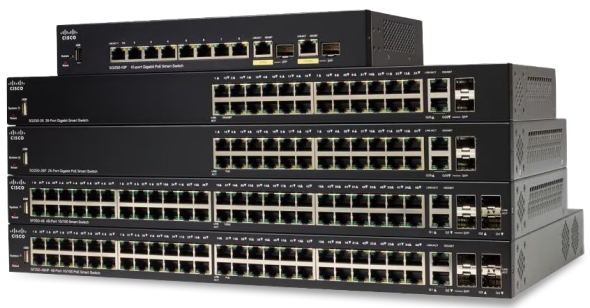
Cisco 9500X Catalyst Switches
(4)Catalyst 9500X switches scale next-generation cores, with Silicon One ASICs, 100G and 400G ports, and line-rate encryption
34 Matching results
- BEST SELLING
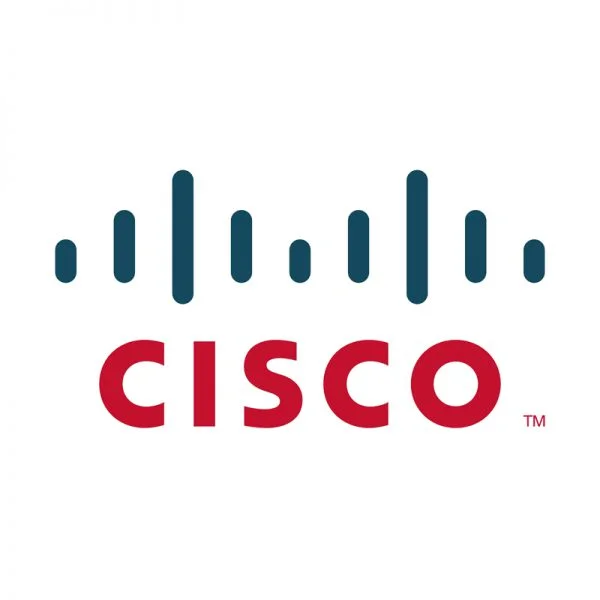
C9500-48Y4C (Cisco C9500-48Y4C Catalyst 9500 48-Port 25 Gigabit Switch, 4x100G Uplinks)
4.6 (5)- C9500-48Y4C
- Cisco
- Catalyst 9500
- Enterprise Core
- Managed
- Network Essentials
- Layer 3
Est Value $27,594.00
$13,797.00
50% offIn stockRefurbishedFirst-Time Buyer Discount – Get up to 2% additional off on your first order
ORM Rewards Earn $50 in Rewards + Free Expedited Delivery – Join Now!
Use eCoupon ORMSAVE10
eCoupon limited to 5 units
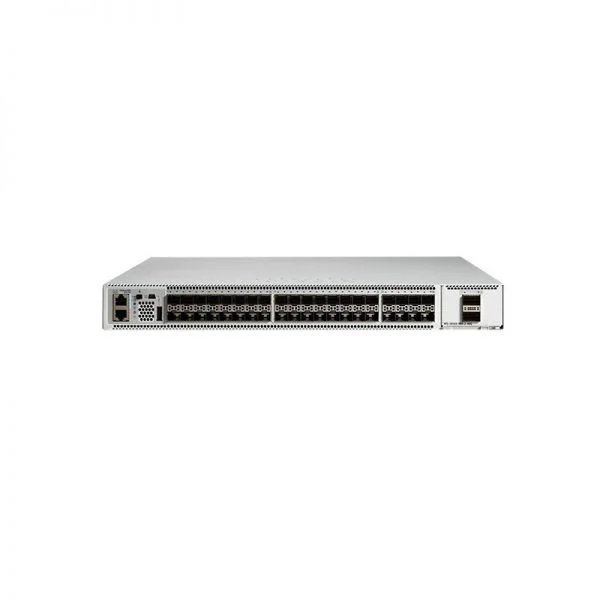
C9500-24Q-A (Cisco C9500-24Q-A Catalyst 9500 24-Port 40 Gigabit Ethernet Switch, Network Advantage)
4.6 (5)- C9500-24Q-A
- Cisco
- Catalyst 9500
- Enterprise Core
- Managed
- Network Advantage
- Layer 3
Est Value $34,356.00$1,112.27
96.8% offIn stockNewRefurbishedFirst-Time Buyer Discount – Get up to 2% additional off on your first order
ORM Rewards Earn $50 in Rewards + Free Expedited Delivery – Join Now!
Use eCoupon ORMSAVE10
eCoupon limited to 5 units
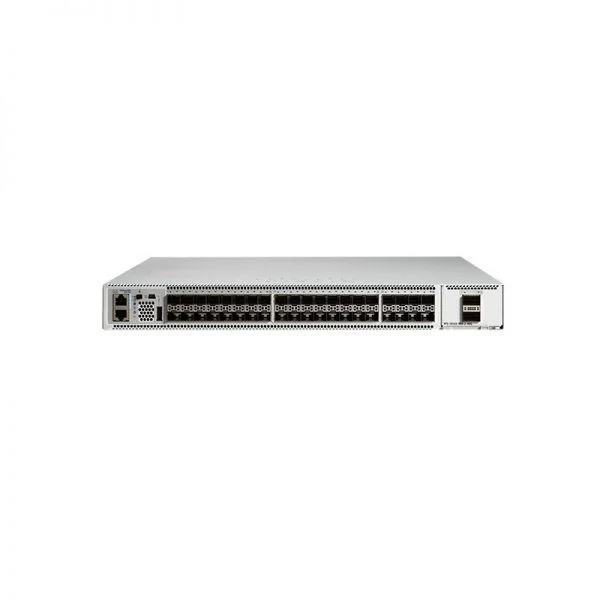
C9500-40X-A (Cisco C9500-40X-A Catalyst 9500 40-Port 10 Gigabit Ethernet Switch, Modular Uplinks, Network Advantage)
4.6 (5)- C9500-40X-A
- Cisco
- Catalyst 9500
- Enterprise Core
- Managed
- Network Advantage
- Layer 3
Est Value $36,232.00$1,281.00
96.5% offIn stockNewRefurbishedFirst-Time Buyer Discount – Get up to 2% additional off on your first order
ORM Rewards Earn $50 in Rewards + Free Expedited Delivery – Join Now!
Use eCoupon ORMSAVE10
eCoupon limited to 5 units
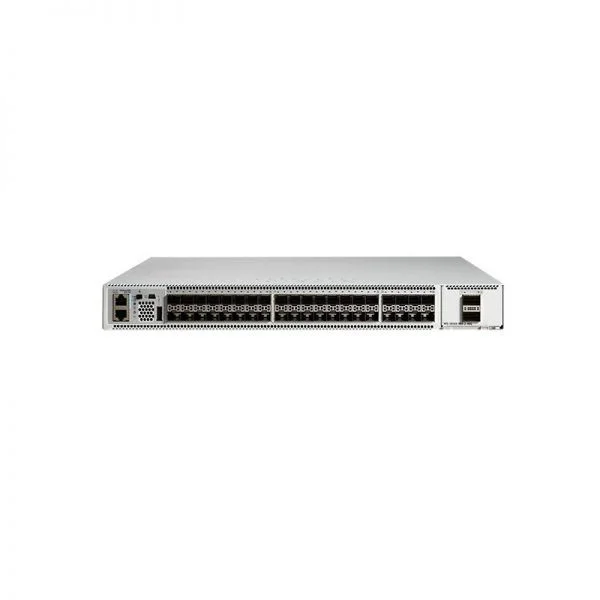
C9500-24Q-E (Cisco C9500-24Q-E Catalyst 9500 24-Port 40G Switch, Network Essentials)
4.8 (5)- C9500-24Q-E
- Cisco
- Catalyst 9500
- Enterprise Core
- Managed
- Network Essentials
- Layer 3
Est Value $36,707.00$2,131.48
94.2% offIn stockNewRefurbishedFirst-Time Buyer Discount – Get up to 2% additional off on your first order
ORM Rewards Earn $50 in Rewards + Free Expedited Delivery – Join Now!
Use eCoupon ORMSAVE10
eCoupon limited to 5 units
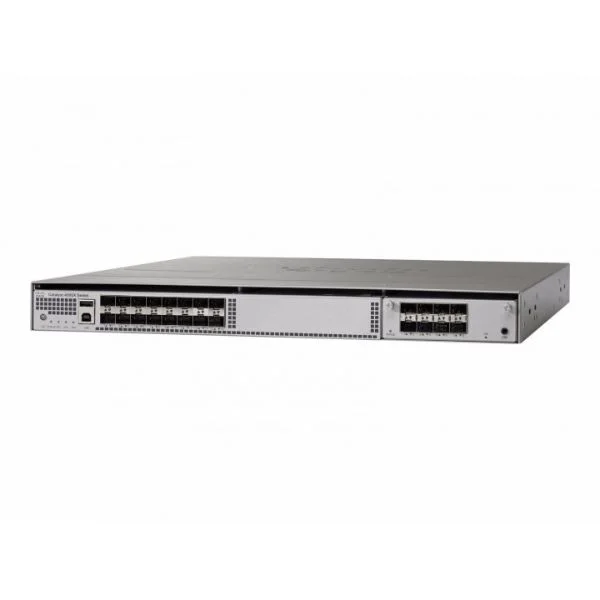
C9500-16X-E (Cisco C9500-16X-E Catalyst 9500 16-Port 10 Gigabit Ethernet Switch, Modular Uplinks, Network Essentials)
4.4 (5)- C9500-16X-E
- Cisco
- Catalyst 9500
- Enterprise Core
- Managed
- Network Essentials
- Layer 3
Est Value $18,769.00$2,118.90
88.7% offIn stockNewRefurbishedFirst-Time Buyer Discount – Get up to 2% additional off on your first order
ORM Rewards Earn $50 in Rewards + Free Expedited Delivery – Join Now!
Use eCoupon ORMSAVE10
eCoupon limited to 5 units
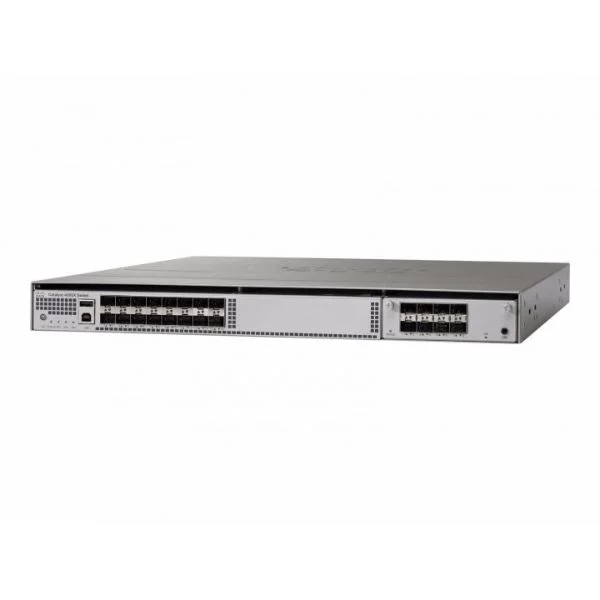
C9500-16X-A (Cisco C9500-16X-A Catalyst 9500 16-Port 10 Gigabit Ethernet Switch, Modular Uplinks, Network Advantage)
4.4 (5)- C9500-16X-A
- Cisco
- Catalyst 9500
- Enterprise Core
- Managed
- Network Advantage
- Layer 3
Est Value $18,769.00$2,130.98
88.6% offIn stockNewRefurbishedFirst-Time Buyer Discount – Get up to 2% additional off on your first order
ORM Rewards Earn $50 in Rewards + Free Expedited Delivery – Join Now!
Use eCoupon ORMSAVE10
eCoupon limited to 5 units
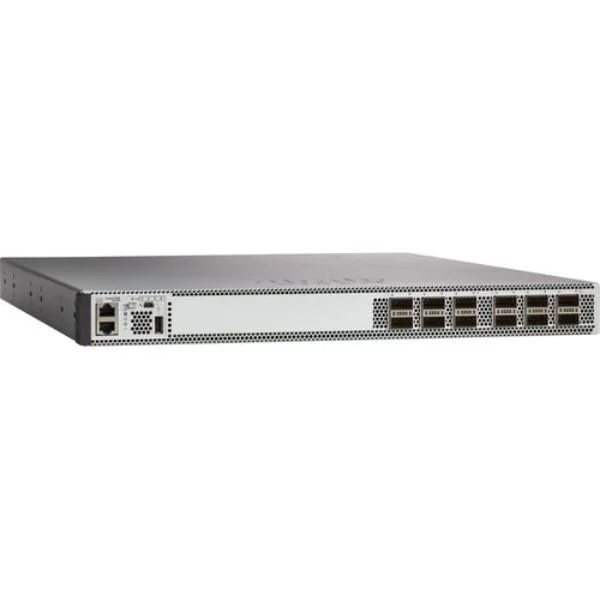
C9500-12Q-E (Cisco C9500-12Q-E Catalyst 9500 12-Port 40 Gigabit Ethernet Switch, Network Essentials)
4.8 (5)- C9500-12Q-E
- Cisco
- Catalyst 9500
- Enterprise Core
- Managed
- Network Essentials
- Layer 3
Est Value $28,441.00$2,493.75
91.2% offIn stockNewRefurbishedFirst-Time Buyer Discount – Get up to 2% additional off on your first order
ORM Rewards Earn $50 in Rewards + Free Expedited Delivery – Join Now!
Use eCoupon ORMSAVE10
eCoupon limited to 5 units
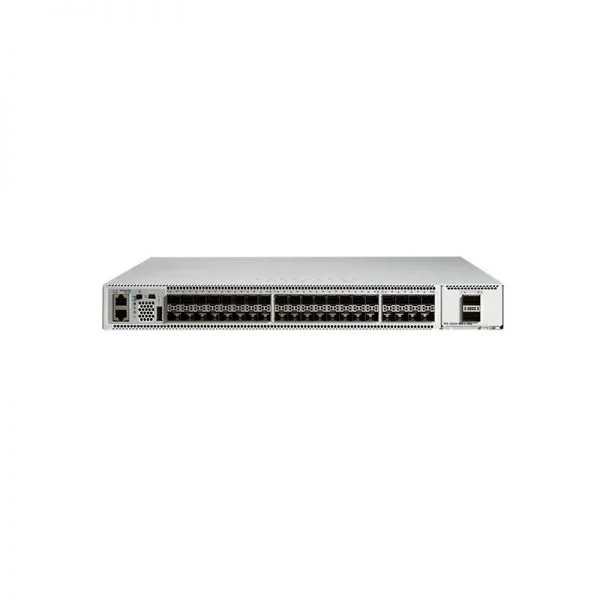
C9500-40X-2Q-A (Cisco C9500-40X-2Q-A Catalyst 9500 40-Port 10 Gigabit Switch, 2x40G Modular Uplinks, Network Advantage)
5 (5)- C9500-40X-2Q-A
- Cisco
- Catalyst 9500
- Enterprise Core
- Managed
- Network Advantage
- Layer 3
Est Value $38,609.00$2,971.50
92.3% offIn stockNewRefurbishedFirst-Time Buyer Discount – Get up to 2% additional off on your first order
ORM Rewards Earn $50 in Rewards + Free Expedited Delivery – Join Now!
Use eCoupon ORMSAVE10
eCoupon limited to 5 units
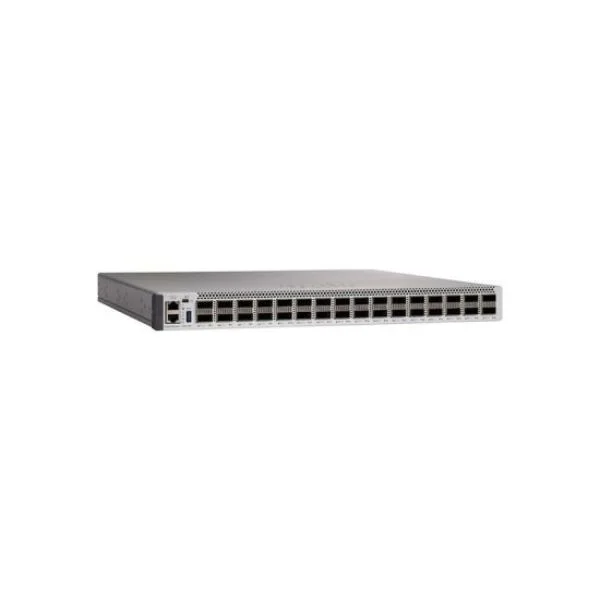
C9500-32C-A (Cisco C9500-32C-A Catalyst 9500 32-Port 100 Gigabit Ethernet Switch, Network Advantage)
4.4 (5)- C9500-32C-A
- Cisco
- Catalyst 9500
- Enterprise Core
- Managed
- Network Advantage
- Layer 3
Est Value $39,371.00$6,819.75
82.7% offIn stockNewRefurbishedFirst-Time Buyer Discount – Get up to 2% additional off on your first order
ORM Rewards Earn $50 in Rewards + Free Expedited Delivery – Join Now!
Use eCoupon ORMSAVE10
eCoupon limited to 5 units
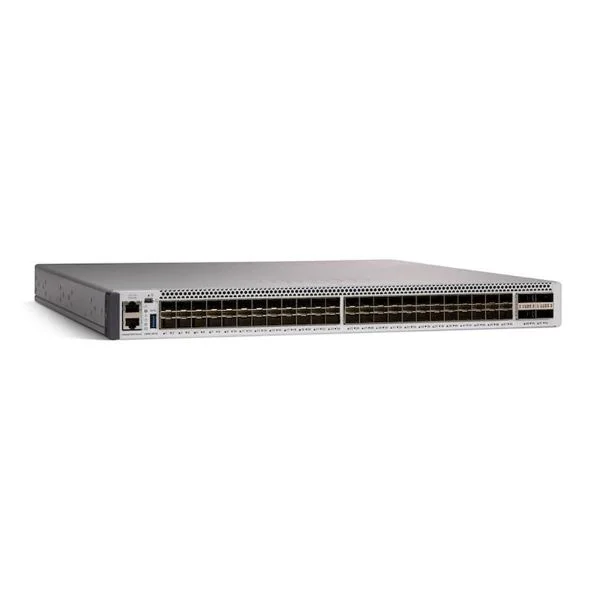
C9500-24Y4C-A (Cisco C9500-24Y4C-A Catalyst 9500 24-Port 25G Switch, 4x100G Uplinks, Network Advantage)
4.4 (5)- C9500-24Y4C-A
- Cisco
- Catalyst 9500
- Enterprise Core
- Managed
- Network Advantage
- Layer 3
Est Value $26,251.00$6,609.75
74.8% offIn stockNewRefurbishedFirst-Time Buyer Discount – Get up to 2% additional off on your first order
ORM Rewards Earn $50 in Rewards + Free Expedited Delivery – Join Now!
Use eCoupon ORMSAVE10
eCoupon limited to 5 units
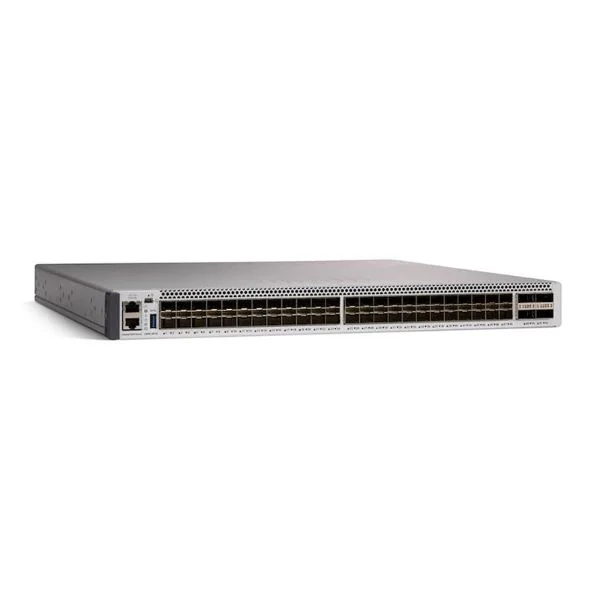
C9500-24Y4C-E (Cisco C9500-24Y4C-E Catalyst 9500 24-Port 25 Gigabit Ethernet Switch, 4x100G Uplinks, Network Essentials)
4.6 (5)- C9500-24Y4C-E
- Cisco
- Catalyst 9500
- Enterprise Core
- Managed
- Network Essentials
- Layer 3
Est Value $26,251.00$8,925.00
66% offIn stockNewRefurbishedFirst-Time Buyer Discount – Get up to 2% additional off on your first order
ORM Rewards Earn $50 in Rewards + Free Expedited Delivery – Join Now!
Use eCoupon ORMSAVE10
eCoupon limited to 5 units
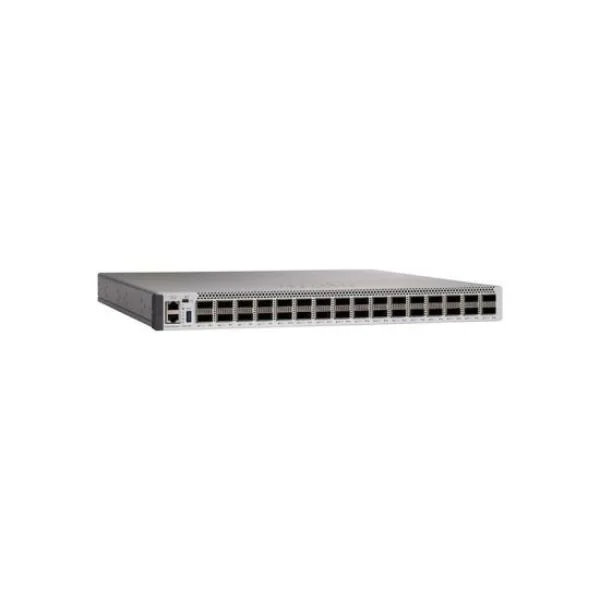
C9500-32C-E (Cisco C9500-32C-E Catalyst 9500 32-Port 100 Gigabit Switch, Network Essentials)
4.8 (5)- C9500-32C-E
- Cisco
- Catalyst 9500
- Enterprise Core
- Managed
- Network Essentials
- Layer 3
Est Value $39,371.00$7,623.00
80.6% offIn stockNewRefurbishedFirst-Time Buyer Discount – Get up to 2% additional off on your first order
ORM Rewards Earn $50 in Rewards + Free Expedited Delivery – Join Now!
Use eCoupon ORMSAVE10
eCoupon limited to 5 units
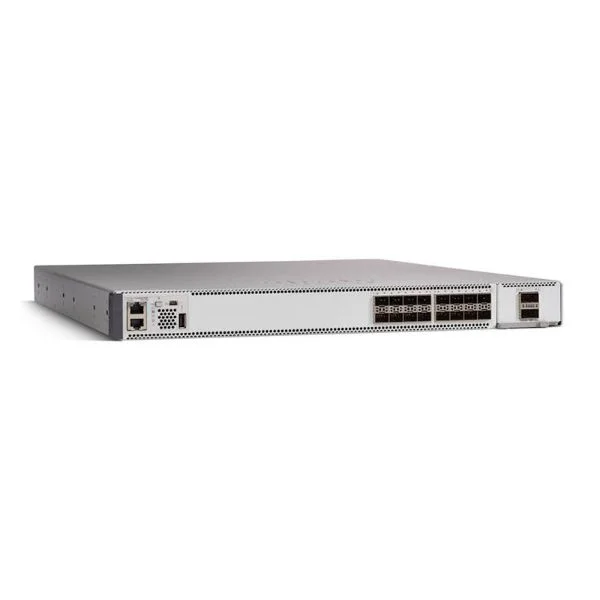
C9500-16X-2Q-A (Cisco C9500-16X-2Q-A Catalyst 9500 16-Port 10 Gigabit Ethernet Switch, 2x40G Modular Uplinks, Network Advantage)
4.8 (5)- C9500-16X-2Q-A
- Cisco
- Catalyst 9500
- Enterprise Core
- Managed
- Network Advantage
- Layer 3
Est Value $18,769.00$3,794.18
79.8% offIn stockNewRefurbishedFirst-Time Buyer Discount – Get up to 2% additional off on your first order
ORM Rewards Earn $50 in Rewards + Free Expedited Delivery – Join Now!
Use eCoupon ORMSAVE10
eCoupon limited to 5 units
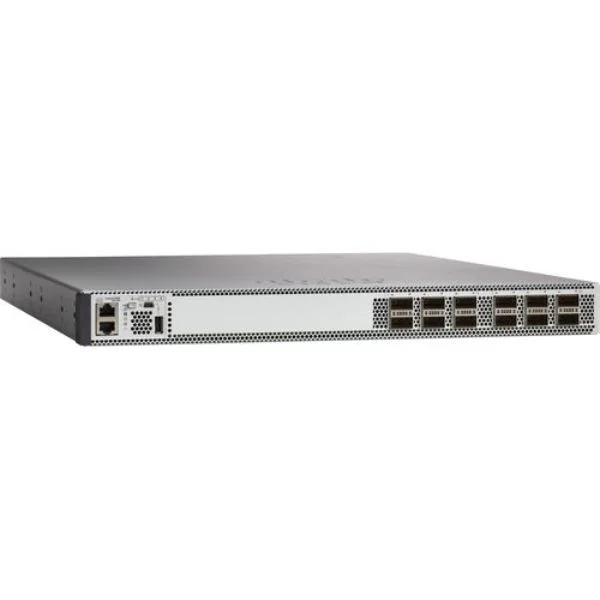
C9500-12Q-A (Cisco C9500-12Q-A Catalyst 9500 12-Port 40 Gigabit Ethernet Switch, Fixed QSFP+ Ports, Network Advantage)
4.6 (5)- C9500-12Q-A
- Cisco
- Catalyst 9500
- Enterprise Core
- Managed
- Network Advantage
- Layer 3
Est Value $1,766.58
In stockNewRefurbishedFirst-Time Buyer Discount – Get up to 2% additional off on your first order
ORM Rewards Earn $50 in Rewards + Free Expedited Delivery – Join Now!
Use eCoupon ORMSAVE10
eCoupon limited to 5 units
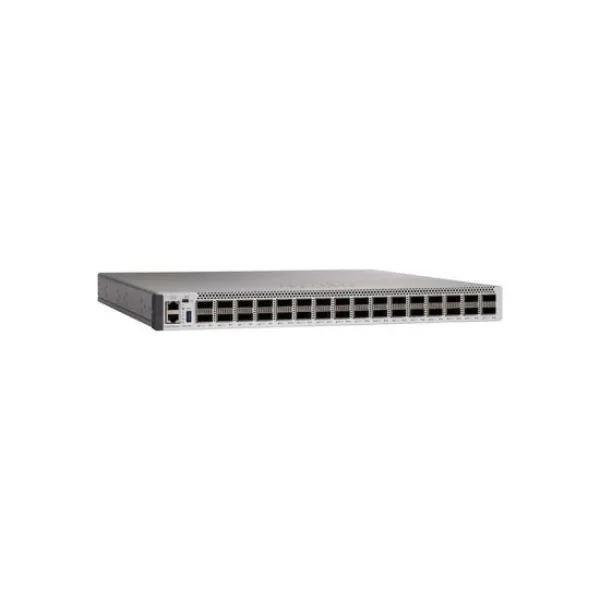
C9500-32QC-A (Cisco C9500-32QC-A Catalyst 9500 32-Port 40 Gigabit Ethernet Switch, 16-Port 100G Mode, Network Advantage)
4.8 (5)- C9500-32QC-A
- Cisco
- Catalyst 9500
- Enterprise Core
- Managed
- Network Advantage
- Layer 3
Est Value $36,339.00$2,992.50
91.8% offIn stockNewRefurbishedFirst-Time Buyer Discount – Get up to 2% additional off on your first order
ORM Rewards Earn $50 in Rewards + Free Expedited Delivery – Join Now!
Use eCoupon ORMSAVE10
eCoupon limited to 5 units
C9500-48Y4C-A (Cisco C9500-48Y4C-A Catalyst 9500 48-Port 25G Switch, 4x100G Uplinks, Network Advantage)
4.8 (6)- C9500-48Y4C-A
- Cisco
- Catalyst 9500
- Enterprise Core
- Managed
- Network Advantage
- Layer 3
Est Value $28,564.00$7,875.00
72.4% offIn stockNewRefurbishedFirst-Time Buyer Discount – Get up to 2% additional off on your first order
ORM Rewards Earn $50 in Rewards + Free Expedited Delivery – Join Now!
Use eCoupon ORMSAVE10
eCoupon limited to 5 units
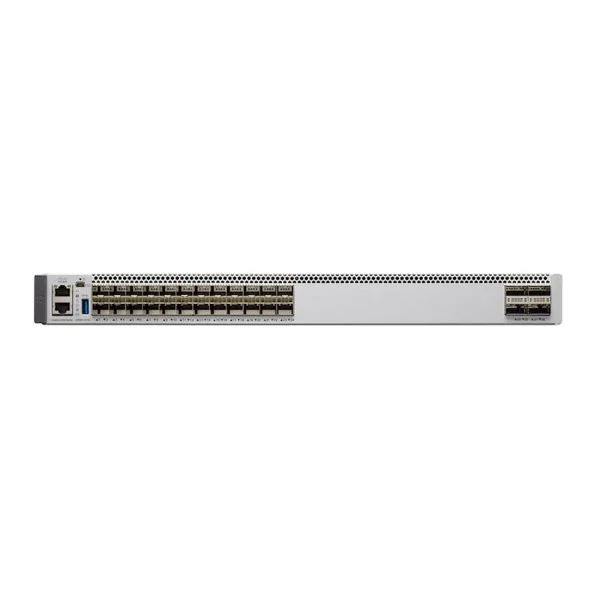
C9500-24X-A (Cisco C9500-24X-A Catalyst 9500 24-Port 10 Gigabit Ethernet Switch, 8x10G Modular Uplinks, Network Advantage)
4.6 (5)- C9500-24X-A
- Cisco
- Catalyst 9500
- Enterprise Core
- Managed
- Network Advantage
- Layer 3
Est Value $18,769.00$4,885.65
74% offIn stockNewRefurbishedFirst-Time Buyer Discount – Get up to 2% additional off on your first order
ORM Rewards Earn $50 in Rewards + Free Expedited Delivery – Join Now!
Use eCoupon ORMSAVE10
eCoupon limited to 5 units
C9500-48Y4C-E (Cisco C9500-48Y4C-E Catalyst 9500 48-Port 25 Gigabit Switch, 4x100G Uplinks, Network Essentials)
4.8 (5)- C9500-48Y4C-E
- Cisco
- Catalyst 9500
- Enterprise Core
- Managed
- Network Essentials
- Layer 3
Est Value $28,564.00$8,043.00
71.8% offIn stockNewRefurbishedFirst-Time Buyer Discount – Get up to 2% additional off on your first order
ORM Rewards Earn $50 in Rewards + Free Expedited Delivery – Join Now!
Use eCoupon ORMSAVE10
eCoupon limited to 5 units
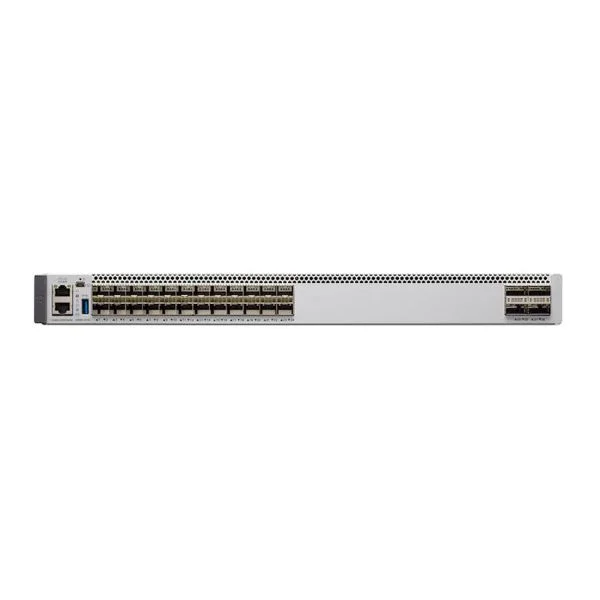
C9500-24X-E (Cisco C9500-24X-E Catalyst 9500 16-Port 10 Gigabit Switch, 8x10G Modular Uplinks, Network Essentials)
4.6 (5)- C9500-24X-E
- Cisco
- Catalyst 9500
- Enterprise Core
- Managed
- Network Essentials
- Layer 3
Est Value $18,769.00$10,924.19
41.8% offIn stockNewRefurbishedFirst-Time Buyer Discount – Get up to 2% additional off on your first order
ORM Rewards Earn $50 in Rewards + Free Expedited Delivery – Join Now!
Use eCoupon ORMSAVE10
eCoupon limited to 5 units
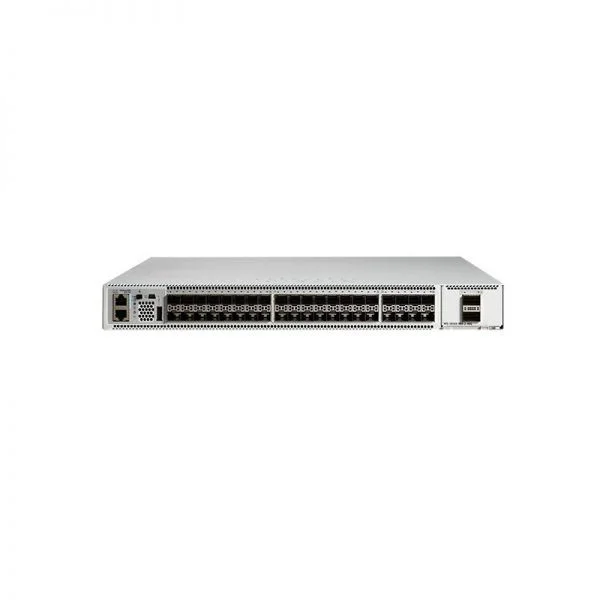
C9500-40X-2Q-E (Cisco C9500-40X-2Q-E Catalyst 9500 40-Port 10 Gigabit Ethernet Switch, 2x40G Uplinks, Network Essentials)
5 (5)- C9500-40X-2Q-E
- Cisco
- Catalyst 9500
- Enterprise Core
- Managed
- Network Essentials
- Layer 3
Est Value $38,653.00$3,774.75
90.2% offIn stockNewRefurbishedFirst-Time Buyer Discount – Get up to 2% additional off on your first order
ORM Rewards Earn $50 in Rewards + Free Expedited Delivery – Join Now!
Use eCoupon ORMSAVE10
eCoupon limited to 5 units

ORM Sales Advisors
Buying for your business? Get a personalised quote in under 2 hours. Talk to an expert
LEARNFilters (34) 
Questions & Answers
What is the Cisco Catalyst 9500 series switch?
The Cisco Catalyst 9500 series is a fixed, high-performance enterprise core and aggregation switch family running Cisco IOS XE for advanced routing, security and automation.
What are the key performance specifications of Catalyst 9500 switches?
Catalyst 9500 switches deliver up to 6.4 Tbps switching capacity, 480 Gbps per slot, and line-rate Layer 2/3 forwarding for mission-critical campus networks.
How many ports and uplink options do Catalyst 9500 switches support?
Models offer 24 or 48 fixed Gigabit Ethernet or 10/25/40/100 Gbps ports, plus modular QSFP28 uplinks for flexible network scaling.
What stacking technology do Catalyst 9500 switches use?
They use Cisco StackWise™-480 or StackWise-1T technology to interconnect up to eight switches with up to 480 Gbps or 1 Tbps of stack bandwidth for unified management.
Can Catalyst 9500 switches provide Power over Ethernet (PoE)?
Yes, select Catalyst 9500 models support PoE, PoE+ and UPOE with up to 60 W per port to power IP phones, cameras and wireless access points.
Which Cisco IOS XE features are enabled on the Catalyst 9500 series?
They run Cisco IOS XE with integrated SD-Access, segment routing, MPLS, encrypted traffic analytics and programmable APIs for automation.
What security capabilities are built into Catalyst 9500 switches?
Built-in features include MACsec encryption, TrustSec policy enforcement, Cisco ISE integration and real-time threat telemetry with Encrypted Traffic Analytics.
How do Catalyst 9500 switches support network virtualization?
They support VRF, VLAN-based segmentation, EVPN and Cisco SD-Access virtualization for multi-tenant isolation and policy enforcement.
What redundancy options are available on Catalyst 9500 switches?
Cisco Catalyst 9500 offers redundant power supplies and fans, hot-swappable modules and in-service software upgrades (ISSU) for high availability.
How does Catalyst 9500 integrate with Cisco DNA Center?
Catalyst 9500 switches connect to Cisco DNA Center for centralized policy management, automated provisioning, assurance analytics and software image distribution.
Which transceiver modules are compatible with Catalyst 9500 switches?
They support Cisco SFP/SFP+, SFP28 and QSFP+/QSFP28 transceivers for Gigabit, 10G, 25G, 40G and 100G uplink connectivity.
Can I migrate from a Catalyst 3850 to a Catalyst 9500 switch?
Yes, Catalyst 9500 switches maintain consistent Cisco IOS XE feature sets, cable management and stacking interfaces to simplify 3850 upgrades.
What licensing options are offered for Catalyst 9500 switches?
Cisco offers Network Essentials and Network Advantage licenses, with the latter enabling advanced routing, security and full SD-Access features.
What typical use cases suit Cisco Catalyst 9500 switches?
They are ideal for enterprise campus core/aggregation, data center leaf, branch aggregation and high-performance industrial campus networks.
How do I monitor and troubleshoot Catalyst 9500 switches?
Use Cisco DNA Center, CLI, SNMP, NetFlow, streaming telemetry and Cisco Prime Infrastructure for real-time monitoring and proactive diagnostics.
What warranty and support services are available for Catalyst 9500 series?
Cisco offers a limited lifetime hardware warranty, next-business-day swap replacement and optional Smart Net Total Care for 24×7 technical support.
What is the Cisco 9500 Switch Series?
The Cisco 9500 switch series is a fixed-core and aggregation-layer solution engineered for Layer 3 routing and advanced security functions. Unlike access-level models such as the Cisco Catalyst 9300, the 9500 sits at the heart of the enterprise network, where uptime and throughput are critical.
Built with UADP 3.0 ASIC architecture, it delivers line-rate performance across all ports, supports encrypted traffic analytics, and ensures consistent throughput under heavy loads. The switch supports VXLAN, MPLS, and MACsec encryption, helping organizations protect sensitive data while maintaining speed and control.
In short, the C9500 combines the efficiency of fixed platforms with the power of modular enterprise systems — delivering carrier-class features without the cost and footprint of large chassis switches.
Where Does it Excel in Enterprise Networks
The Catalyst 9500 shines wherever reliability and speed intersect. It’s designed for high-demand enterprise cores, data aggregation, and high-availability distribution layers.
- Non-stop forwarding (NSF) and Stateful Switchover (SSO) for continuous operation.
- Multi-gigabit Ethernet for bandwidth-intensive applications like video, collaboration, and cloud computing.
- Simplified automation and visibility with Cisco DNA Center integration.
- Support for advanced routing such as BGP, OSPF, and EIGRP for flexible network design.
- StackWise Virtual technology enabling active-active redundancy without chassis dependency.
Whether deployed in financial institutions, educational campuses, or healthcare networks, the Cisco 9500 provides resilient performance and secure connectivity across distributed locations.
Cisco 9500 vs Cisco Nexus 9500 – Core Differences Explained
While both the Cisco Catalyst 9500 and Cisco Nexus 9500 deliver enterprise-grade switching, they serve distinct environments.
The C9500 targets enterprise campus cores and distribution layers, emphasizing Layer 2/3 routing, QoS, and edge policy enforcement. It integrates seamlessly with Cisco DNA Center for network automation and policy management.
In contrast, the Cisco Nexus 9500 belongs to the data center switching family, optimized for high-density spine-leaf architectures and software-defined networking (SDN) through Cisco ACI (Application Centric Infrastructure). It prioritizes ultra-low latency, massive east-west traffic handling, and data-center-scale programmability.
If your goal is campus-wide reliability and secure routing, the Cisco Catalyst 9500 is the smarter fit. But for cloud-driven workloads or large-scale data centers, the Cisco Nexus 9500 may offer the flexibility your architecture demands.
Together, these two series represent Cisco’s commitment to scalable, secure, and intelligent networking for every environment.
Key Features and Performance Advantages
Advanced Architecture and ASIC Performance
At the heart of every Cisco Catalyst 9500 switch is the UADP 3.0 ASIC, built for real-time visibility, encrypted traffic analytics, and wire-speed forwarding. This architecture enables the switch to handle high-density 10G, 25G, 40G, and 100G connections with zero packet loss — perfect for high-traffic enterprise cores.
Network Automation and Intent-Based Management
The Cisco 9500 Series integrates tightly with Cisco DNA Center, enabling intent-based automation and centralized visibility.
Admins can push configurations, monitor performance, and apply real-time security policies across the network — all from one dashboard.
This automation reduces manual errors and improves response time to changing business needs.
Layer 3 Scalability and StackWise Virtual
Using StackWise Virtual, two physical Cisco 9500 switches can act as one logical unit, ensuring non-stop operation even during maintenance.
Combined with full Layer 3 routing support — including BGP, OSPF, and VRF-Lite — the 9500 delivers scalable architecture ready for enterprise growth and future expansion.
High-Speed Uplink Options (40G and 100G)
For businesses with growing bandwidth demand, the Cisco 9500 provides flexible uplink choices from 40-Gigabit to 100-Gigabit Ethernet. Models such as the C9500-32C and C9500-32QC are purpose-built for aggregation and core distribution, ensuring smooth inter-building or inter-data-center connectivity.
Energy Efficiency and Operational Reliability
The Cisco C9500 line emphasizes long-term efficiency.
Its intelligent power management, redundant fans, and platinum-rated power supplies help lower operational costs while maintaining uptime.
With hardware redundancy and smart cooling, the switch remains reliable even under 24/7 enterprise workloads.
Use Cases and Deployment Scenarios
Core Switching for Enterprise Campus Networks
The Cisco Catalyst 9500 is built for the enterprise core, where performance and uptime matter most. It connects access and distribution layers, ensuring high-speed data forwarding across departments and buildings. Its StackWise Virtual capability allows redundancy without complex chassis setups.
Data Center Aggregation and Distribution Layer Optimization
The Cisco 9500 switch serves as a powerful aggregation point for data centers and hybrid infrastructures. With 40G/100G uplinks and Layer 3 routing, it handles massive east-west traffic while maintaining low latency and predictable throughput.
Multi-Gigabit Performance for Digital Workplaces
For environments driven by video collaboration, wireless access points, and cloud apps, the Cisco C9500 offers multigigabit Ethernet and 25G-ready ports. It’s perfect for modern campuses, universities, and enterprises shifting toward digital-first operations.
Scalable Architecture for IoT and High-Density Environments
With its modular uplinks and programmable ASICs, the C9500 series supports thousands of IoT devices securely. It enables reliable performance even in sensor-heavy or industrial setups, ensuring future scalability.
Advanced Security and Policy Enforcement with Cisco TrustSec
Security is built into every Cisco 9500. Using Cisco TrustSec and MACsec encryption, it enforces consistent access policies and protects sensitive data across all connected endpoints — without compromising speed.
Cisco 9500 Configuration and Stacking Capabilities
StackWise Virtual and Resilient Architecture
The Cisco Catalyst 9500 supports StackWise Virtual, letting two physical switches operate as a single logical system. This setup enhances redundancy, boosts throughput, and simplifies management — ensuring nonstop performance during upgrades or maintenance. It’s ideal for enterprise cores where uptime and reliability are non-negotiable.
Redundancy and Failover Design Best Practices
With dual supervisors, redundant power supplies, and Stateful Switchover (SSO), the C9500 delivers carrier-class resiliency. In case of hardware or software failure, traffic continues seamlessly without interruption — a critical advantage for mission-critical environments.
Modular Expansion with C9500-NM Series Modules
Optional modules like the C9500-NM-8X and C9500-NM-2Q allow scalable uplink expansion. They enable network architects to adjust port configurations and bandwidth capacity without replacing the entire switch — protecting long-term investments.
Software and Licensing Overview
Cisco DNA Essentials vs Cisco DNA Advantage
The Cisco 9500 Series operates under two main software tiers — DNA Essentials and DNA Advantage. Essentials covers core switching, automation, and security functions, while Advantage adds advanced analytics, policy automation, and AI-driven insights. Both tiers integrate seamlessly with Cisco DNA Center for unified management.
Network Management via Cisco DNA Center and Smart Licensing
Using Cisco DNA Center, IT teams can configure, monitor, and troubleshoot networks from a single dashboard. Smart Licensing simplifies entitlement tracking, ensuring your Cisco C9500 switches always stay compliant and up to date.
IOS XE Software Features and Long-Term Support
All Cisco Catalyst 9500 switches run on Cisco IOS XE, a modular, secure operating system designed for longevity. It supports programmability, encrypted traffic analytics, and API-based automation, future-proofing enterprise networks for evolving demands.
Comparing Cisco 9500 with Other Cisco Switch Series
Cisco 9300 vs Cisco 9500 – Distribution vs Core Role
The Cisco Catalyst 9300 is ideal for access and distribution layers, while the Cisco 9500 is purpose-built for the enterprise core. The 9500 delivers higher throughput, advanced routing, and StackWise Virtual, making it better suited for high-speed aggregation and network backbones.
Cisco 9600 vs Cisco 9500 – Enterprise Core Scalability
The Cisco 9600 is a modular chassis platform built for very large-scale cores. In contrast, the C9500 offers fixed-form performance with similar Layer 3 and automation capabilities — perfect for enterprises seeking power without the footprint of a chassis system.
Cisco Nexus 9500 vs Catalyst 9500 – Data Center Specialization
The Cisco Nexus 9500 targets data center and cloud environments, focusing on ultra-low latency and spine-leaf architectures. Meanwhile, the Cisco Catalyst 9500 is optimized for campus cores and secure routing, emphasizing policy control, visibility, and simplicity in enterprise deployments.
End-of-Life (EOL) and Support Information
Cisco C9500-48Y4C EOL Status and Replacement Models
The Cisco C9500-48Y4C-E has reached its End-of-Life (EOL) phase, but support remains available through Cisco Smart Net Total Care. Recommended replacements include the C9500-48Y4C-A and C9500-48Y4C, offering improved efficiency, updated ASICs, and enhanced automation compatibility.
Cisco Smart Net Total Care and Hardware Lifecycle Management
To maintain reliability, Cisco offers Smart Net Total Care (SmartNet) contracts for ongoing hardware support, security updates, and software upgrades. This ensures that your Cisco Catalyst 9500 switches stay optimized, secure, and fully backed by Cisco’s enterprise-grade lifecycle management.
Choosing the Right Cisco 9500 Switch for Your Network
Selecting Based on Port Density and Performance Needs
When selecting a Cisco Catalyst 9500 switch, start with your network scale and traffic requirements. For smaller aggregation points, models like C9500-16X or C9500-24Y4C-A provide ample throughput. Larger enterprises needing high-speed 100G uplinks should consider the C9500-32C or C9500-48Y4C series for optimal scalability.
Recommended Models for Different Enterprise Scenarios
- C9500-16X / 24Y4C – Mid-sized networks, access aggregation, campus distribution.
- C9500-32C / 32QC – Core-level routing, multi-building connectivity.
- C9500-48Y4C-A – Large enterprise cores, cloud-heavy or high-bandwidth networks.
Each delivers nonstop forwarding, MACsec encryption, and StackWise Virtual — ensuring enterprise-grade reliability.
Future-Proofing Your Network with Cisco 9500 Series
The Cisco 9500 series is built with scalability in mind. Its modular uplinks, programmable ASICs, and IOS XE software make it ready for future bandwidth and automation demands — ensuring a long-term return on investment.