 United States
Dell Switches for Enterprise Networks
Dell Switches deliver unmatched performance and robust security for modern data centers. Designed for scalability and reliability, these switches optimize network operations while ensuring seamless enterprise connectivity for mission-critical applications.
Talk to an expert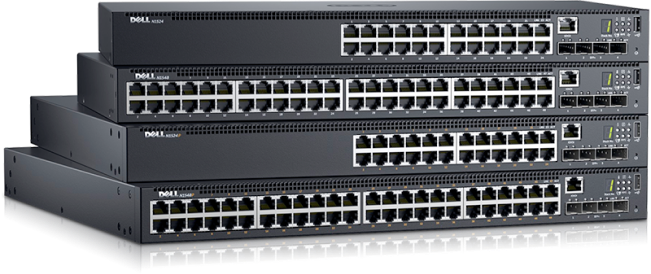
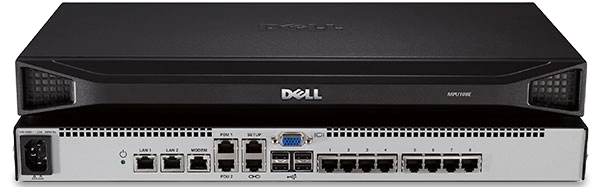
Dell Kvm Switches
(4)Dell KVM switches for rack operations rooms connecting servers through VGA, USB, or IP console access across dense cabinets
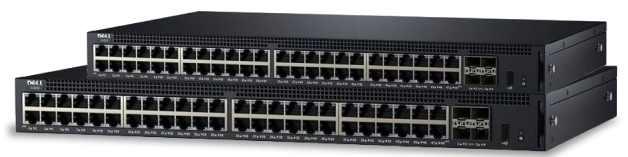
Dell Networking N1000 Switches
(2)Dell Networking N1000 switches for entry branch access closets using Gigabit Ethernet, PoE+, VLANs, and 10GbE uplink options
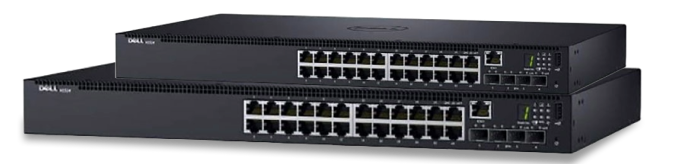
Dell Networking N1500 Switches
(4)Dell Networking N1500 switches for managed branch access networks using Gigabit Ethernet, PoE+, MLAG support, and Layer 3 Lite routing
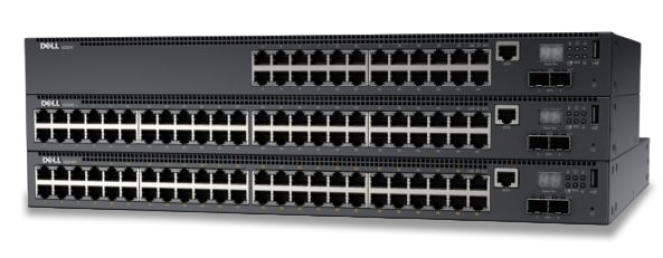
Dell Networking N2000 Switches
(2)Dell Networking N2000 switches for campus access stacks using 10GbE uplinks, PoE+, OpenManage integration, and Layer 2 switching
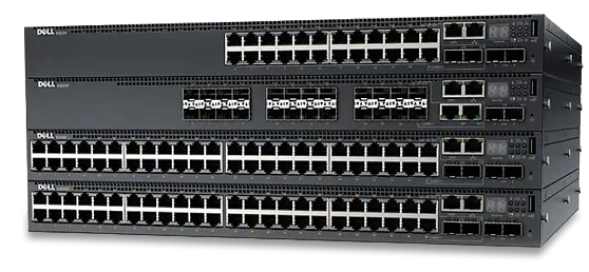
Dell Networking N3000 Switches
(6)Dell Networking N3000 switches for distribution closets using 10GbE uplinks, stacking, Layer 3 routing, and high-density Gigabit Ethernet
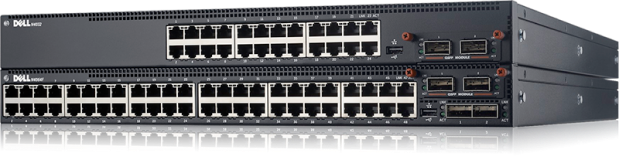
Dell Networking N4000 Switches
(3)Dell Networking N4000 switches for campus core or aggregation roles using 10GbE, 40GbE uplinks, stacking, and Layer 3 routing
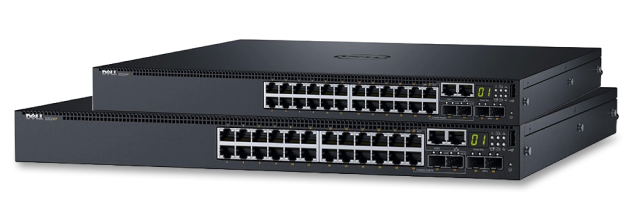
Dell Networking S3000-On Switches
(1)Dell Networking S3000-ON switches for open networking server access using 1GbE or 10GbE ports and ONIE operating system choices
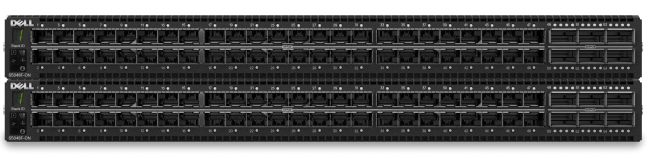
Dell Networking S4048-On Switches
(4)Dell Networking S4048-ON switches for dense top-of-rack data center rows using 10GbE SFP+ ports and 40GbE QSFP+ uplinks
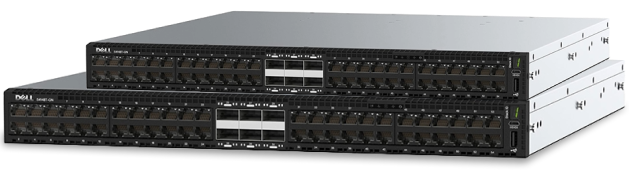
Dell Networking S4100-On Switches
(6)Dell Networking S4100-ON switches for modern rack fabrics using 10GbE, 25GbE, 40GbE, or 100GbE uplinks with ONIE support
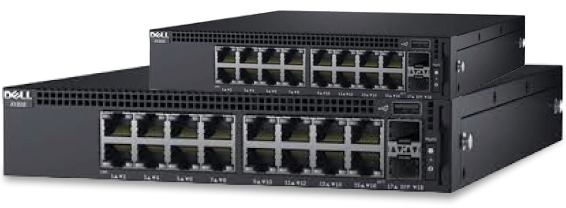
Dell Networking X Series Switches
(7)Dell Networking X Series switches for SMB access closets using web-managed Gigabit Ethernet, PoE options, and 10GbE uplinks
39 Matching results
- BEST SELLING
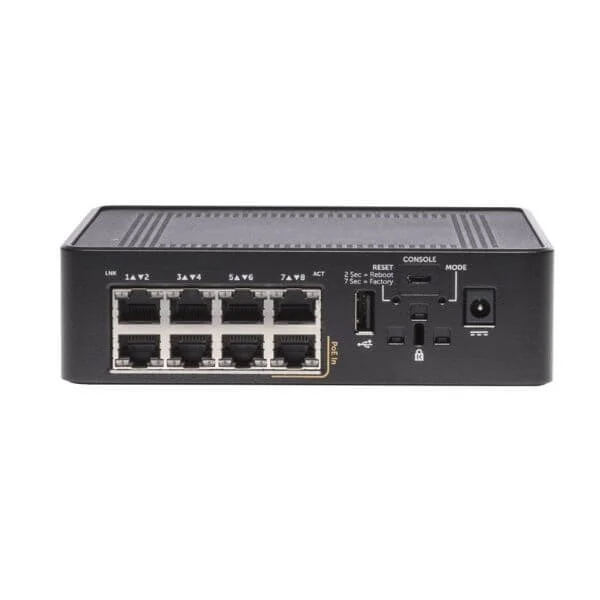
X1008 (Dell Networking X1008 Intelligent Web management switch, 8x 1GbE port, AC or POE powered)
4.8 (5)- Switch
- Dell
- AC Power Supply
- Layer 2
- Rack-mount
- 45 W
- Under 12 Ports
Est Value $267.30
$181.78
32% offIn stockRefurbishedFirst-Time Buyer Discount – Get up to 2% additional off on your first order
ORM Rewards Earn $50 in Rewards + Free Expedited Delivery – Join Now!
Use eCoupon ORMSAVE10
eCoupon limited to 5 units
- BEST SELLING
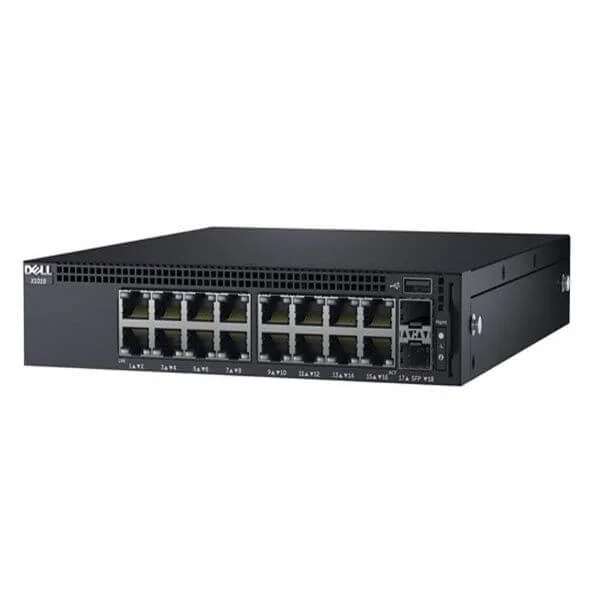
X1018 (Dell Networking X1018 Intelligent Web management switch, 16x 1GbE and 2x 1GbE SFP port)
4.8 (5)- Switch
- Dell
- Redundant Power Supply / AC Power Supply
- Layer 2 / Layer 3
- Rack-mount
- 110W
- 24–48 Ports
Est Value $441.45$145.23
67.1% offIn stockNewRefurbishedFirst-Time Buyer Discount – Get up to 2% additional off on your first order
ORM Rewards Earn $50 in Rewards + Free Expedited Delivery – Join Now!
Use eCoupon ORMSAVE10
eCoupon limited to 5 units
- BEST SELLING
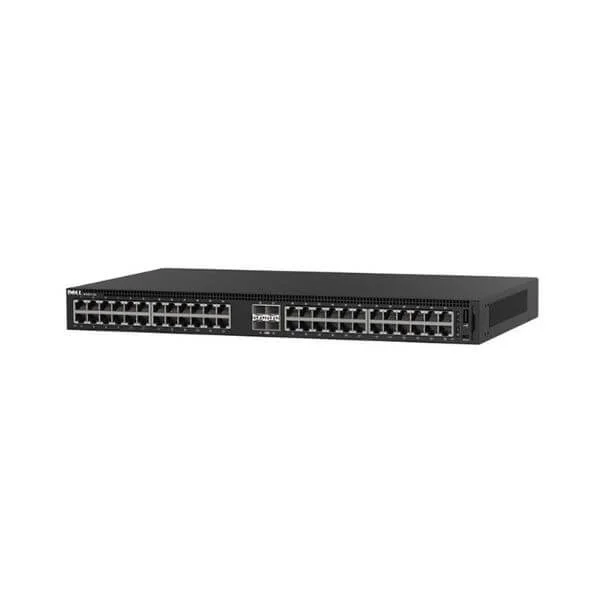
N1148T-ON (Dell Networking N1148T-ON, L2, 48 ports RJ45 1GbE, 4 ports SFP + 10GbE)
4.8 (5)- Switch
- Dell
- AC Power Supply
- Layer 3
- Rack-mount
- 24–48 Ports
Est Value $1,859.66$1,584.00
14.8% offIn stockNewRefurbishedFirst-Time Buyer Discount – Get up to 2% additional off on your first order
ORM Rewards Earn $50 in Rewards + Free Expedited Delivery – Join Now!
Use eCoupon ORMSAVE10
eCoupon limited to 5 units
- BEST SELLING
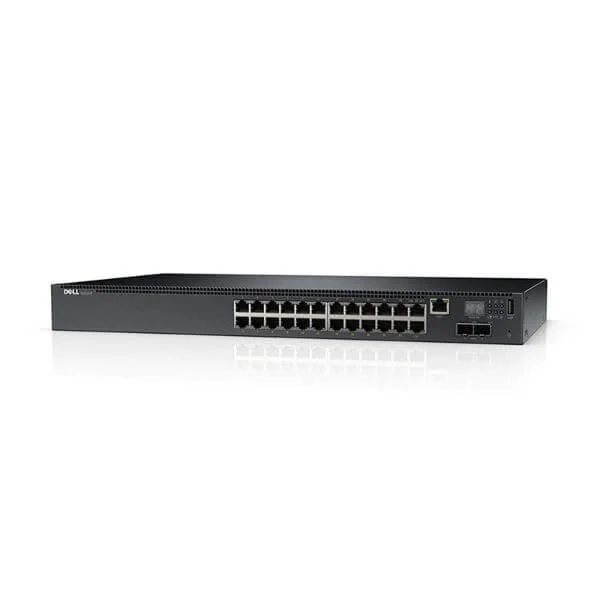
N2024P (Dell Networking N2024P, L2, POE+, 24x 1GbE + 2x 10GbE SFP+ fixed ports, Stacking, IO to PSU air, AC)
4.6 (5)- Switch
- Dell
- AC Power Supply
- Layer 2 / Layer 3
- Rack-mount
- 75 W
- 24–48 Ports
Est Value $657.18$302.40
54% offIn stockNewRefurbishedFirst-Time Buyer Discount – Get up to 2% additional off on your first order
ORM Rewards Earn $50 in Rewards + Free Expedited Delivery – Join Now!
Use eCoupon ORMSAVE10
eCoupon limited to 5 units
- BEST SELLING
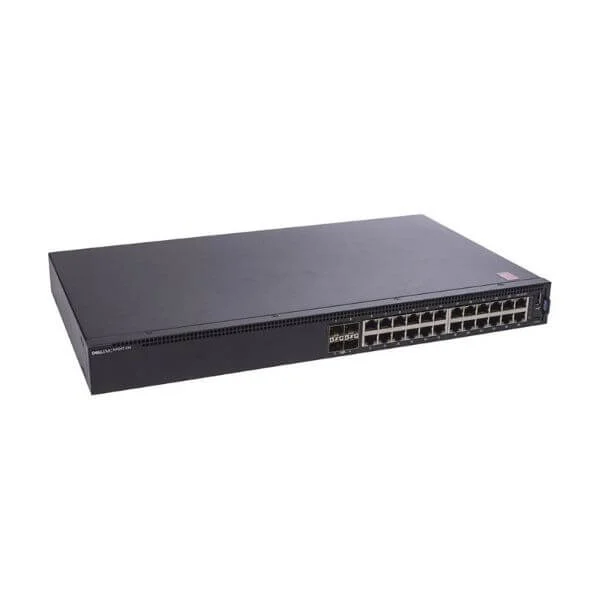
N1124T-ON (Dell Networking N1124T-ON, L2, 24-port RJ45 1GbE, 4-port SFP + 10GbE)
4.6 (5)- Switch
- Dell
- AC Power Supply
- Layer 2 / Layer 3
- Rack-mount
- 55 W
- 12–24 Ports
Est Value $513.00$327.58
36.1% offIn stockNewRefurbishedFirst-Time Buyer Discount – Get up to 2% additional off on your first order
ORM Rewards Earn $50 in Rewards + Free Expedited Delivery – Join Now!
Use eCoupon ORMSAVE10
eCoupon limited to 5 units
- BEST SELLING
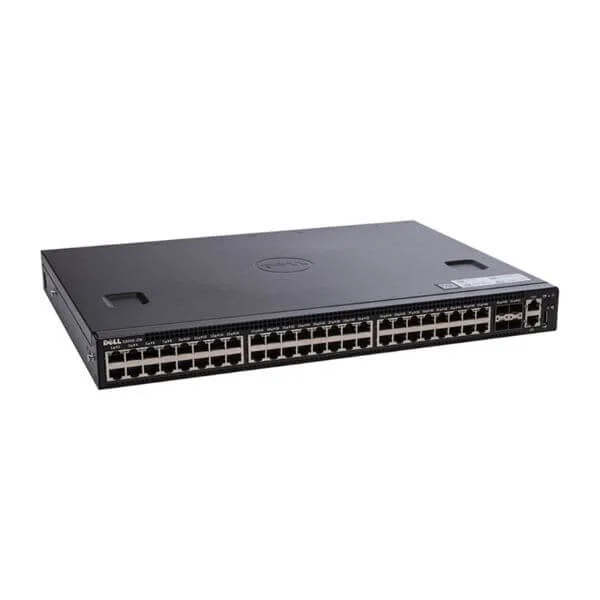
S3048-ON (Dell Networking S3048-ON, 48x 1GbE, 4x SFP + 10GbE ports, stacking, airflow from IO to PSU, 1x AC PSU, DNOS 9)
4.4 (5)- Switch
- Dell
- AC Power Supply
- Layer 2 / Layer 3
- Rack-mount
- 24–48 Ports
Est Value $1,858.95$157.50
91.5% offIn stockNewRefurbishedFirst-Time Buyer Discount – Get up to 2% additional off on your first order
ORM Rewards Earn $50 in Rewards + Free Expedited Delivery – Join Now!
Use eCoupon ORMSAVE10
eCoupon limited to 5 units
- BEST SELLING
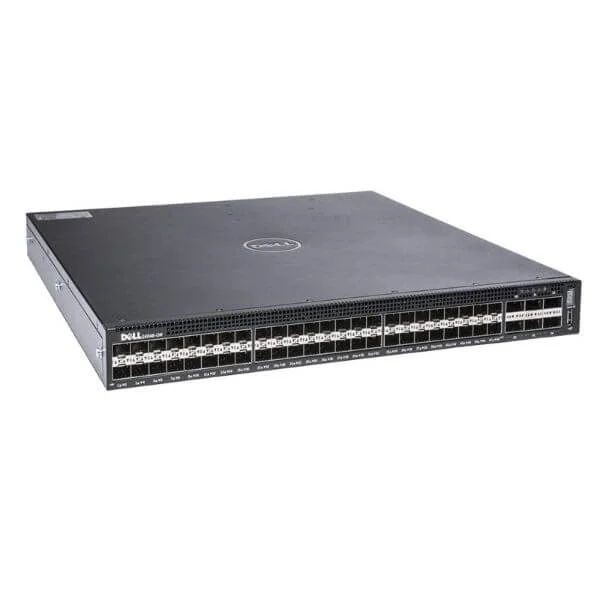
S4048-ON (48x 10GbE SFP+ and 6x 40GbE QSFP+ ports, IO to PSU, 1x AC PSUs)
4.6 (5)- Switch
- Dell
- AC Power Supply
- Layer 2 / Layer 3
- Rack-mount
- 24–48 Ports
Est Value $680.19$282.45
58.5% offIn stockNewRefurbishedFirst-Time Buyer Discount – Get up to 2% additional off on your first order
ORM Rewards Earn $50 in Rewards + Free Expedited Delivery – Join Now!
Use eCoupon ORMSAVE10
eCoupon limited to 5 units
- BEST SELLING
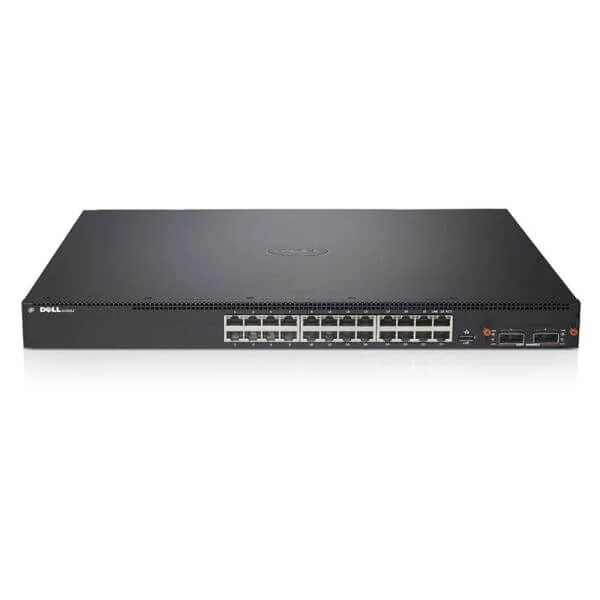
N4032 (Dell Networking N4032, 24x 10GBASE-T port, 1x Modular Bay, 2x AC PSU, airflow from IO to PSU)
4.4 (5)- Switch
- Dell
- Redundant Power Supply
- Layer 2 / Layer 3
- Rack-mount
- 24–48 Ports
Est Value $1,346.11$671.99
50.1% offIn stockRefurbishedFirst-Time Buyer Discount – Get up to 2% additional off on your first order
ORM Rewards Earn $50 in Rewards + Free Expedited Delivery – Join Now!
Use eCoupon ORMSAVE10
eCoupon limited to 5 units
- BEST SELLING
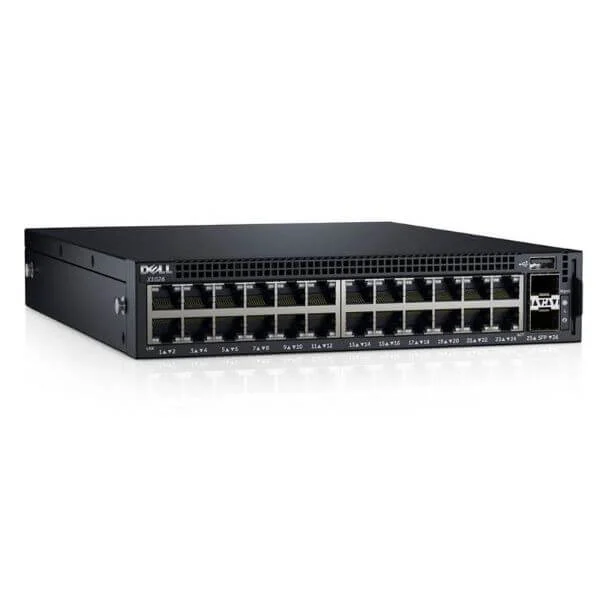
X1026P (Dell Networking X1026P Intelligent Web management switch, 24x 1GbE PoE (up to 12x PoE+) and 2x 1GbE SFP port)
5 (5)- Switch
- Dell
- AC Power Supply
- Layer 2
- Rack-mount
- 150 W
- 24–48 Ports
Est Value $1,789.18$181.78
89.8% offIn stockNewRefurbishedFirst-Time Buyer Discount – Get up to 2% additional off on your first order
ORM Rewards Earn $50 in Rewards + Free Expedited Delivery – Join Now!
Use eCoupon ORMSAVE10
eCoupon limited to 5 units
- BEST SELLING
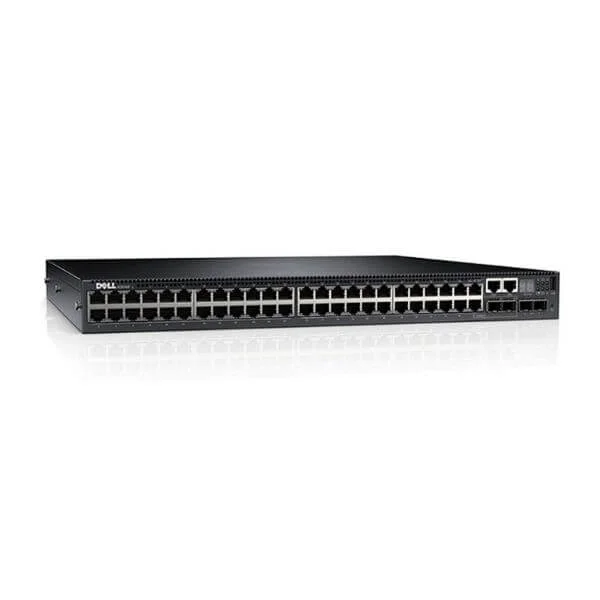
N2048P (Dell Networking N2048P, L2, POE +, 48x 1GbE + 2x 10GbE SFP + fixed ports, stacking, air from IO to PSU, AC)
4.4 (5)- Switch
- Dell
- AC Power Supply
- Layer 2
- Rack-mount
- 150W
- 24–48 Ports
Est Value $1,915.18$179.94
90.6% offIn stockNewRefurbishedFirst-Time Buyer Discount – Get up to 2% additional off on your first order
ORM Rewards Earn $50 in Rewards + Free Expedited Delivery – Join Now!
Use eCoupon ORMSAVE10
eCoupon limited to 5 units
- BEST SELLING
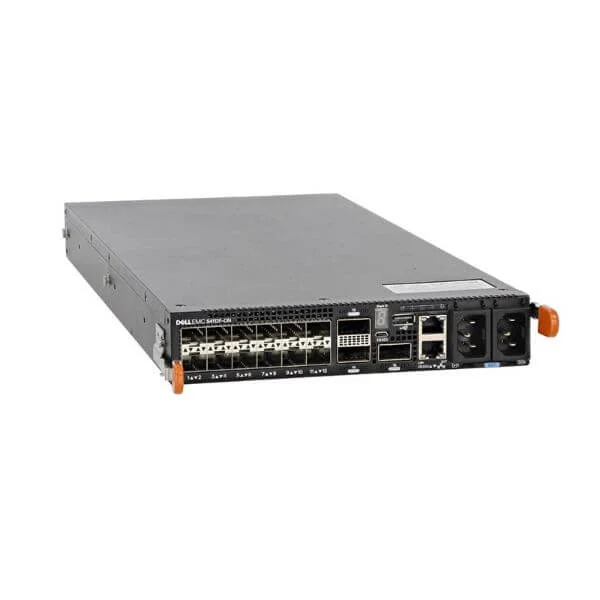
S4112T-ON (Dell Networking S4112T, 12 x 10GBaseT, 3 x 100GbE QSFP28, IO to fan, 2 x AC PSU, OS10)
4.2 (5)- Switch
- Dell
- AC Power Supply
- Layer 2 / Layer 3
- Rack-mount
- 12–24 Ports
Est Value $5,789.14$1,181.25
79.6% offIn stockRefurbishedFirst-Time Buyer Discount – Get up to 2% additional off on your first order
ORM Rewards Earn $50 in Rewards + Free Expedited Delivery – Join Now!
Use eCoupon ORMSAVE10
eCoupon limited to 5 units
- BEST SELLING
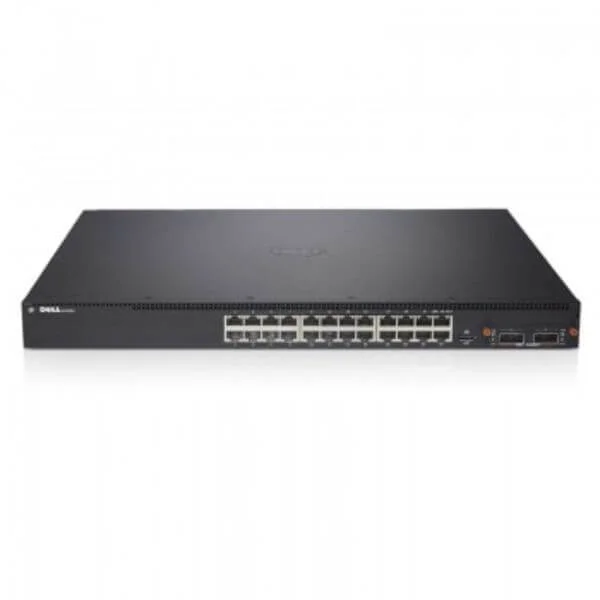
N4032F (Dell Networking N4032F, 24x 10GbE SFP+ Port, 1x Modular bay, 2x AC PSU,airflow from IO to PSU)
4.6 (5)- Switch
- Dell
- AC Power Supply
- Layer 2
- Rack-mount
- 150W
- 24–48 Ports
Est Value $2,496.88$429.45
82.8% offIn stockNewRefurbishedFirst-Time Buyer Discount – Get up to 2% additional off on your first order
ORM Rewards Earn $50 in Rewards + Free Expedited Delivery – Join Now!
Use eCoupon ORMSAVE10
eCoupon limited to 5 units
- BEST SELLING
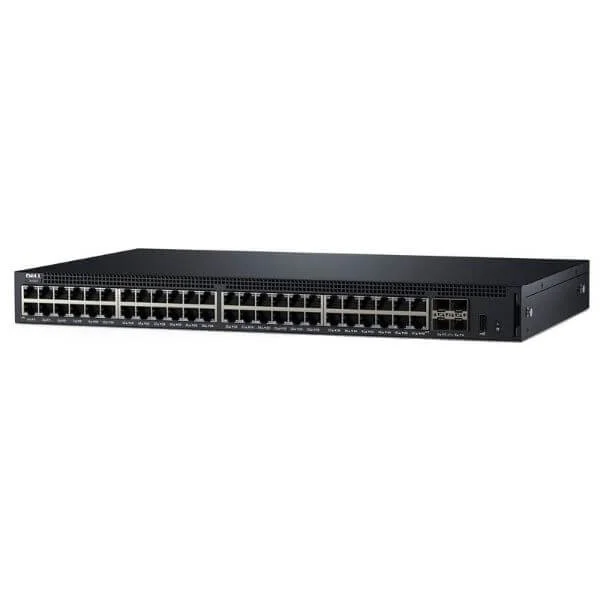
X1052 (Dell Networking X1052 Intelligent Web management switch, 48x 1GbE and 4x 10GbE SFP+ port)
4.8 (5)- Switch
- Dell
- Redundant Power Supply / AC Power Supply / N/A
- Layer 2 / Layer 3
- Rack-mount
- 24–48 Ports
Est Value $2,572.48$207.89
91.9% offIn stockNewRefurbishedFirst-Time Buyer Discount – Get up to 2% additional off on your first order
ORM Rewards Earn $50 in Rewards + Free Expedited Delivery – Join Now!
Use eCoupon ORMSAVE10
eCoupon limited to 5 units
- BEST SELLING
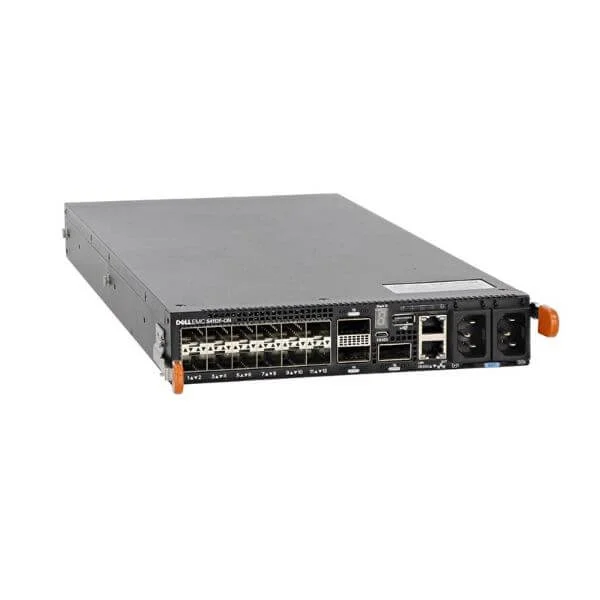
S4112F-ON (Dell Networking S4112F, 12 x 10GbE SFP +, 3 x 100GbE QSFP28, IO to fan, 2 x AC PSU, OS10)
4.6 (5)- Switch
- Dell
- Redundant Power Supply / AC Power Supply
- Layer 2 / Layer 3
- Rack-mount
- 12–24 Ports
Est Value $1,923.75$1,496.25
22.2% offIn stockNewRefurbishedFirst-Time Buyer Discount – Get up to 2% additional off on your first order
ORM Rewards Earn $50 in Rewards + Free Expedited Delivery – Join Now!
Use eCoupon ORMSAVE10
eCoupon limited to 5 units
- BEST SELLING
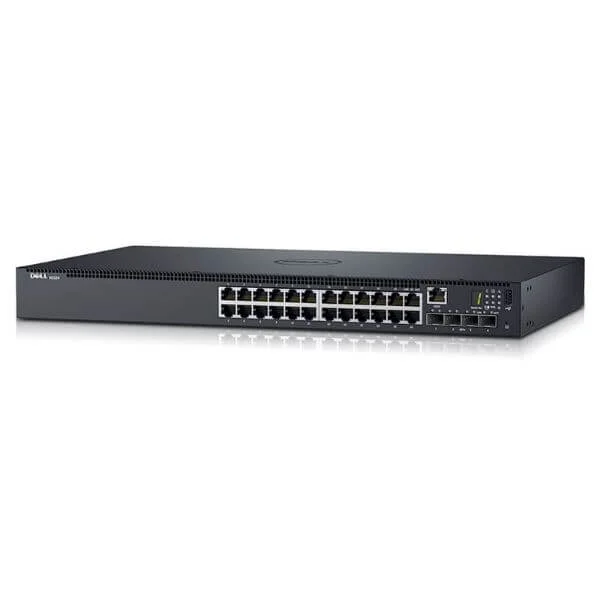
N1524 (Dell Networking N1524, 24x 1GbE + 4x 10GbE SFP+ Fixed port, stack, airflow from IO to PSU , AC)
4.8 (5)- Switch
- Dell
- Redundant Power Supply / AC Power Supply
- Layer 2 / Layer 3
- Rack-mount
- 150W
- 24–48 Ports
Est Value $3,702.28$319.41
91.4% offIn stockNewRefurbishedFirst-Time Buyer Discount – Get up to 2% additional off on your first order
ORM Rewards Earn $50 in Rewards + Free Expedited Delivery – Join Now!
Use eCoupon ORMSAVE10
eCoupon limited to 5 units
- BEST SELLING
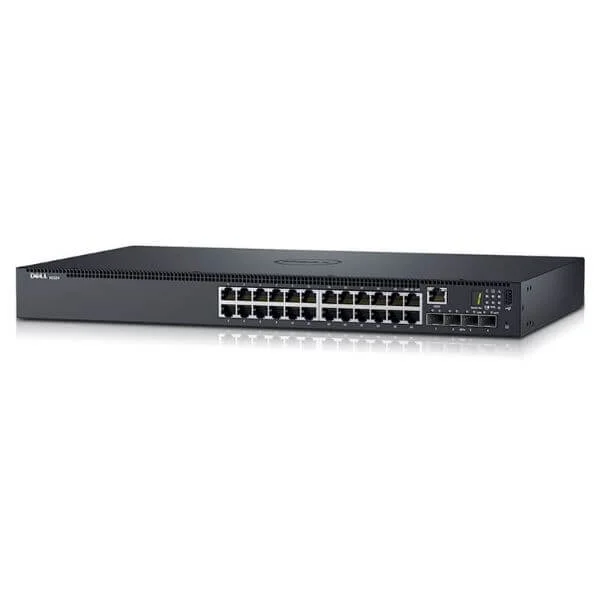
N1524P (Dell Networking N1524P, PoE+, 24x 1GbE + 4x 10GbE SFP+ Fixed port, stack, airflow from IO to PSU, AC)
4.6 (5)- Switch
- Dell
- Redundant Power Supply / AC Power Supply
- Layer 2 / Layer 3
- Rack-mount
- 75 W
- 12–24 Ports
Est Value $201.60
In stockNewRefurbishedFirst-Time Buyer Discount – Get up to 2% additional off on your first order
ORM Rewards Earn $50 in Rewards + Free Expedited Delivery – Join Now!
Use eCoupon ORMSAVE10
eCoupon limited to 5 units
- BEST SELLING
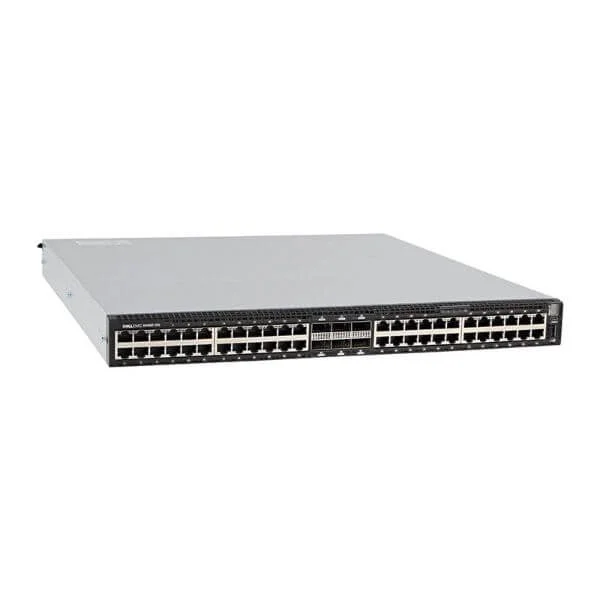
S4148T-ON (Dell Networking S4148T-ON, 1U, 48x10Gbase-T, 4xQ28, 2xQSFP +, PSU to IO, 2 PSU, OS10)
4.6 (5)- Switch
- Dell
- Redundant Power Supply / AC Power Supply
- Layer 2
- Rack-mount
- 150 W
- 24–48 Ports
Est Value $9,205.44$1,663.20
81.9% offIn stockNewRefurbishedFirst-Time Buyer Discount – Get up to 2% additional off on your first order
ORM Rewards Earn $50 in Rewards + Free Expedited Delivery – Join Now!
Use eCoupon ORMSAVE10
eCoupon limited to 5 units
- BEST SELLING
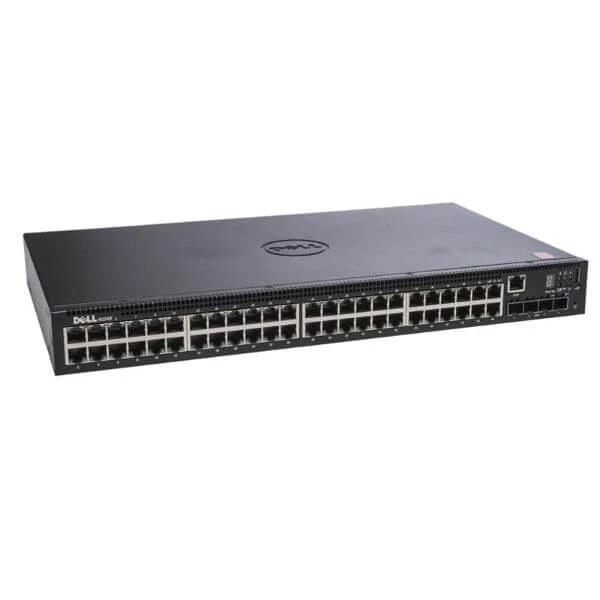
N1548P (Dell Networking N1548P, PoE+, 48x 1GbE + 4x 10GbE SFP + fixed ports, Stacking, IO TO psu airflow, AC)
4.6 (5)- Switch
- Dell
- AC Power Supply
- Layer 2
- Rack-mount
- 50 W
- 24–48 Ports
Est Value $349.65
In stockNewRefurbishedFirst-Time Buyer Discount – Get up to 2% additional off on your first order
ORM Rewards Earn $50 in Rewards + Free Expedited Delivery – Join Now!
Use eCoupon ORMSAVE10
eCoupon limited to 5 units
- BEST SELLING
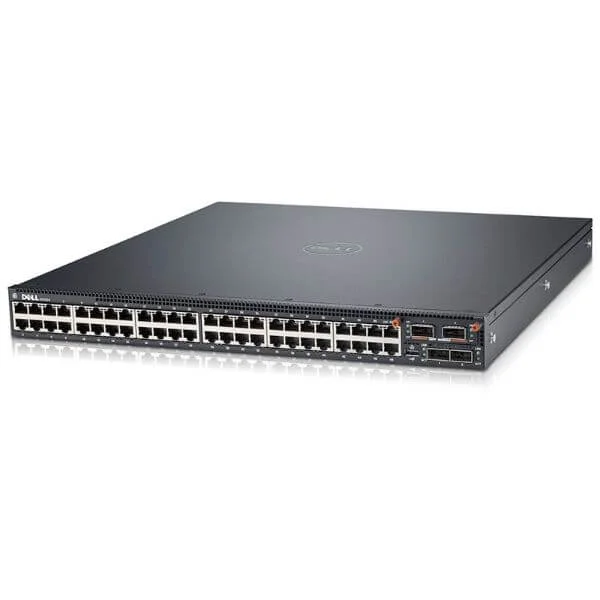
N4064 (Dell Networking N4064, 48x 10GBASE-T, 2x 40GbE QSFP+port, 1x Modular Bay, 2x AC PSU, airflow from IO to PSU)
4.4 (5)- Switch
- Dell
- AC Power Supply
- Layer 2 / Layer 3
- Rack-mount
- 85 W
- Over 48 Ports
Est Value $6,757.78$741.29
89% offIn stockNewRefurbishedFirst-Time Buyer Discount – Get up to 2% additional off on your first order
ORM Rewards Earn $50 in Rewards + Free Expedited Delivery – Join Now!
Use eCoupon ORMSAVE10
eCoupon limited to 5 units
- BEST SELLING
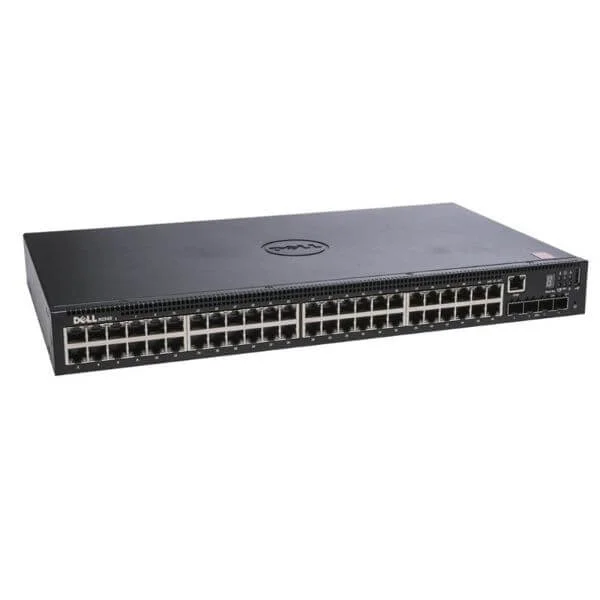
N1548 (Dell Networking N1548, 48x 1GbE + 4x 10GbE SFP+ Fixed port, stack, airflow from IO to PSU, AC)
4.4 (5)- Switch
- Dell
- AC Power Supply
- Layer 2
- Rack-mount
- 75 W
- 24–48 Ports
Est Value $204.75
In stockNewRefurbishedFirst-Time Buyer Discount – Get up to 2% additional off on your first order
ORM Rewards Earn $50 in Rewards + Free Expedited Delivery – Join Now!
Use eCoupon ORMSAVE10
eCoupon limited to 5 units

ORM Sales Advisors
Buying for your business? Get a personalised quote in under 2 hours. Talk to an expert
LEARNFilters (39) 
Questions & Answers
What are Dell Switches and how can they benefit my network?
Dell Switches are enterprise-grade network switches that deliver high throughput, low latency, and advanced features such as VLAN segmentation, QoS, and PoE to optimize performance and simplify network management.
Which Dell Switch model is best for a small business?
For small businesses, the Dell Networking N1500 Series offers entry-level Layer 2/Layer 3 switching with PoE options, easy web-based management, and seamless scalability at a cost-effective price point.
How do I configure VLANs on Dell Switches?
To configure VLANs on Dell Switches, log into the web GUI or CLI, navigate to VLAN settings, create a new VLAN ID, assign ports, and apply changes; configurations can also be automated via Dell EMC OpenManage.
Do Dell Switches support Power over Ethernet (PoE)?
Yes, Dell Switches such as the N1500 and N2000 Series support PoE and PoE+ on select ports, enabling power delivery to IP phones, cameras, and wireless access points without additional cabling.
What stacking capabilities do Dell Switches offer?
Dell Switches offer physical and virtual stacking through Stacking Cables or Smart Fabric Stacking, allowing up to 12 devices to operate as a single logical switch for simplified management and high availability.
How can I update the firmware on my Dell Switch?
Update firmware on Dell Switches by downloading the latest firmware from Dell Support, uploading it via the web GUI or CLI, and rebooting the switch to apply the new image.
What warranty coverage is included with Dell Switches?
Dell Switches include a 1-year limited hardware warranty with optional ProSupport for 24×7 expedited hardware replacement and advanced exchange to reduce downtime.
How do I monitor the performance of Dell Switches?
Monitor Dell Switch performance using OpenManage Network Manager, which provides real-time analytics, SNMP monitoring, automated alerts, and performance dashboards for proactive management.
Are Dell Switches suitable for data center environments?
Yes, Dell Switches like the Z-Series and S-Series deliver ultra-low latency, high throughput, and advanced Layer 2/3 features optimized for data center spine, leaf, and aggregation deployments.
Do Dell Switches support Layer 3 routing?
Dell Switches support Layer 3 routing protocols such as OSPF, BGP, and RIP on selected models to enable dynamic routing, inter-VLAN routing, and scalable network architectures.
How do Dell Switches enhance network security?
Dell Switches enhance security with VLAN access control lists, port security, 802.1X authentication, DHCP snooping, and dynamic ARP inspection to protect against unauthorized access and attacks.
What is the typical power consumption of Dell Switches?
Power consumption varies by model, but Dell Switches typically range from 30 W in entry-level models to 600 W in fully loaded PoE+ configurations; detailed power specs are available on the Dell datasheet.
How can I troubleshoot common issues on Dell Switches?
Troubleshoot Dell Switch issues by checking link status LEDs, reviewing logs via CLI or GUI, verifying firmware versions, using built-in diagnostic commands, and consulting Dell Knowledge Base articles.
Do Dell Switches integrate with software-defined networking (SDN)?
Yes, Dell Switches integrate with SDN controllers via OpenFlow and support VMware NSX, Cisco ACI, and Dell OS10 for network automation and programmability.
How do I choose the right port density for my Dell Switch deployment?
Select port density based on current and future device counts, uplink requirements, and PoE budgets, choosing models with 24, 48, or modular interfaces to match your network growth.
Can Dell Switches handle high-throughput applications?
Dell Switches deliver non-blocking throughput and line-rate forwarding with up to 6.4 Tbps switching capacity in fixed configurations and up to 19 Tbps in modular chassis to support demanding workloads.
What management interfaces are available on Dell Switches?
Dell Switches offer multiple management interfaces, including a web-based GUI, CLI over SSH/console, SNMP, RESTful APIs, and integration with Dell OpenManage for centralized control.